Movers › Mini & Self Storage
After Mini and Self Storage: Maintenance, Follow-Up Costs and the Care Nobody Mentions Up Front
The day you lock a storage unit is the day everyone stops talking about money. The move is done, the truck is returned, and the unit settles into your life as a quiet monthly charge — which is precisely the problem. In relocation work, the units that went wrong were almost never the ones with a dramatic disaster. They were the ones nobody visited, nobody re-priced, and nobody questioned for eighteen months, while the rent climbed, a slow leak spotted a sofa, and a missed card payment started a legal clock the tenant didn't know was running.
Storage is sold as a pause button. It is actually a subscription — to a price that changes, a space that needs checking, and a contract with teeth. Here is what happens after move-in, what it costs, and the small amount of care that keeps a cheap unit cheap.

The rent you agreed to is the rent you start at
Nearly every self-storage rental is month-to-month. That flexibility is real — you can leave at the end of any month — but it cuts both ways: the facility can raise your rent on short written notice, and in most of the country there is no cap on how much. Outside a declared emergency, no state currently limits how high a storage operator can set the price. The only ceiling is what the local market will bear and how much hassle you're willing to endure to escape it.
The pattern is consistent enough to plan around. The first increase typically arrives three to nine months after move-in — operators are candid among themselves that the promotional rate that filled the unit was never meant to last, and that once your belongings are inside, inertia does their negotiating for them. Trade guidance for operators describes standard schedules by shorthand: a first increase at five, six, or seven months, then another every nine to twelve months after that, commonly in the range of 5 to 15 percent a time. Public Storage, the largest operator, says in its own annual reporting that it typically raises rents for tenants who have stayed at least five months, every six to twelve months.
Run the arithmetic on a typical unit and the "after" cost stops looking incidental. A standard 10×10 — the most rented size in the country — averages about $119 a month nationally without climate control and about $134 with it. At the average length of stay, roughly 20 months, even a tenant whose rent never moved would pay about $2,380. Add one 10 percent increase at month six and another at month fifteen and the same stay costs roughly $250 more — for the same concrete box, the same lock, the same stuff. People storing on a tight budget feel that difference; people who never look at the statement don't notice it until the unit has quietly become one of their larger monthly bills.
Three defenses work, and all three are easier than moving:
- Read the increase clause before you sign, not after the letter arrives. Most agreements state the facility may raise rent at any time with written notice. Some smaller and independent facilities will agree to a rate lock for six or twelve months if you ask before signing — after signing, you have nothing to trade.
- Budget the second price, not the first. If a unit only makes sense at its promotional rate, it doesn't make sense. Price it at 15 percent above the move-in rate and see whether the plan still works.
- Negotiate from a real alternative. Because increases are set by revenue-management software at the big chains, a front-desk manager may have little discretion — but a documented competitor price for the same size nearby is the one argument that reliably produces a retention offer or a waived increase. Less than 2 percent of tenants move out over an increase, the industry's own trade press notes; being visibly willing to be in that 2 percent is your leverage.
The charges that ride along with the rent
Rent is the headline. It is not the bill.
Protection or insurance. Most facilities now require you to carry coverage on your contents as a condition of the rental agreement — either the facility's own protection plan added to your monthly bill, or proof of your own homeowners or renters policy. Facility plans are priced by coverage level: one widely sold tenant-insurance program charges $8.95 a month for $1,000 of coverage, $11.95 for $5,000, $21.95 for $10,000, and $36.95 for $15,000, with no deductible. Across providers, expect roughly $8 to $50 a month depending on the limit you choose. Two things tenants routinely miss: a facility "protection plan" is not the same product as insurance — protection plans are not regulated as insurance, and the facility's liability is capped at the plan limit — and a homeowners or renters policy usually covers property stored off-premises only up to 10 percent of your personal-property limit. A $50,000 policy may mean only $5,000 of cover in the unit. If what you stored is worth more than that, the cheap-looking option is the facility plan or a standalone policy, and the time to discover the gap is before a fire, not after.
Late fees and the lien clock. Miss a payment and a second, legal timeline starts. There is typically a short grace period — a few days — then a late fee, then gate access is disabled and the unit may be overlocked with a second lock you cannot cut. From there, every state has its own self-storage lien statute, and the timelines are shorter than most tenants assume: in most states the earliest lawful sale of a delinquent unit's contents falls between about four and ten weeks after the process starts. Florida can reach a sale in as little as 29 days from the lien notice; Alaska and New Mexico, at the slow end, run past 90 days. You can stop the process by paying everything owed — rent, late fees, and lien charges — at any point before the sale. After it, your claim is generally only to any surplus the sale raised above what you owed. The single most common way people lose units is not refusal to pay; it is a failed autopay — an expired card, a replaced card number — combined with notices going to an old email or a former address. Set the payment to a card you monitor, keep your contact details current with the office, and name the alternate contact your agreement asks for. That person exists to receive the notices you miss.
The small fees. Administration fees at sign-up, a lock if you don't bring one, lock-cut fees if the facility has to cut yours, and cleaning or disposal charges if you leave the unit dirty or abandon items in it. None is large alone; together with protection, they commonly add 10 to 20 percent on top of a year's headline rent.
| Follow-up cost | Typical size | When it hits |
|---|---|---|
| First rent increase | 5–15% of monthly rent | Month 3–9, then every 9–12 months |
| Protection plan / tenant insurance | $8–$50/month by coverage level | Every month, from move-in |
| Late fee | Set by agreement and state law | Days after a missed due date |
| Lien and sale costs | Added to what you owe | Once the state's lien process starts |
| Lock cut, cleaning, disposal | Modest flat fees | When the facility must cut your lock or clear your unit |
The visit nobody schedules
Here is the care nobody mentions up front: a storage unit is not a sealed vault, and its contents change while you ignore them. Humidity works on wood, leather, paper, and upholstery. A roof or plumbing leak can run for weeks before anyone opens your door — the facility has no reason to open it. Pests move between units. The standard advice from facility operators and storage-care guides alike is unglamorous: visit at least once a month if you can, and treat anything past a quarter without a visit as borrowed time for furniture, documents, and anything you would be upset to lose.
A useful visit takes ten minutes:
- Floor first. Look for water, staining, or a damp line along the walls and under the door — the earliest signs of a leak or flooding, and the reason nothing valuable should sit directly on concrete. Pallets or shelving that lift goods a few inches are the cheapest insurance in the whole unit.
- Smell and surfaces. A musty smell is mold announcing itself early. Check upholstery and the undersides of wooden furniture, where mildew starts.
- Pest evidence. Droppings, nesting material, chewed corners on boxes. Report it to the office the same day — pest control is the facility's job, and your report is what starts it.
- Boxes and bins. Cardboard softens and sags in humid units over months; swap failing boxes for plastic bins as you find them, refresh moisture absorbers, and never store food, scented items, or anything that was put away damp.
- The lock and the door. Spin the lock, check the latch, and confirm the door seals. A lock that is corroding or a door that no longer closes flush is a conversation with the office, not a surprise for next season.
Climate control changes the math on visits, not the need for them. A climate-controlled unit holds temperature and humidity in a safer band — worth its premium for wood furniture, electronics, instruments, documents, and photographs over a long stay — but it does not stop leaks, pests, or a neighbor's unit flooding into yours, and it does not visit itself.
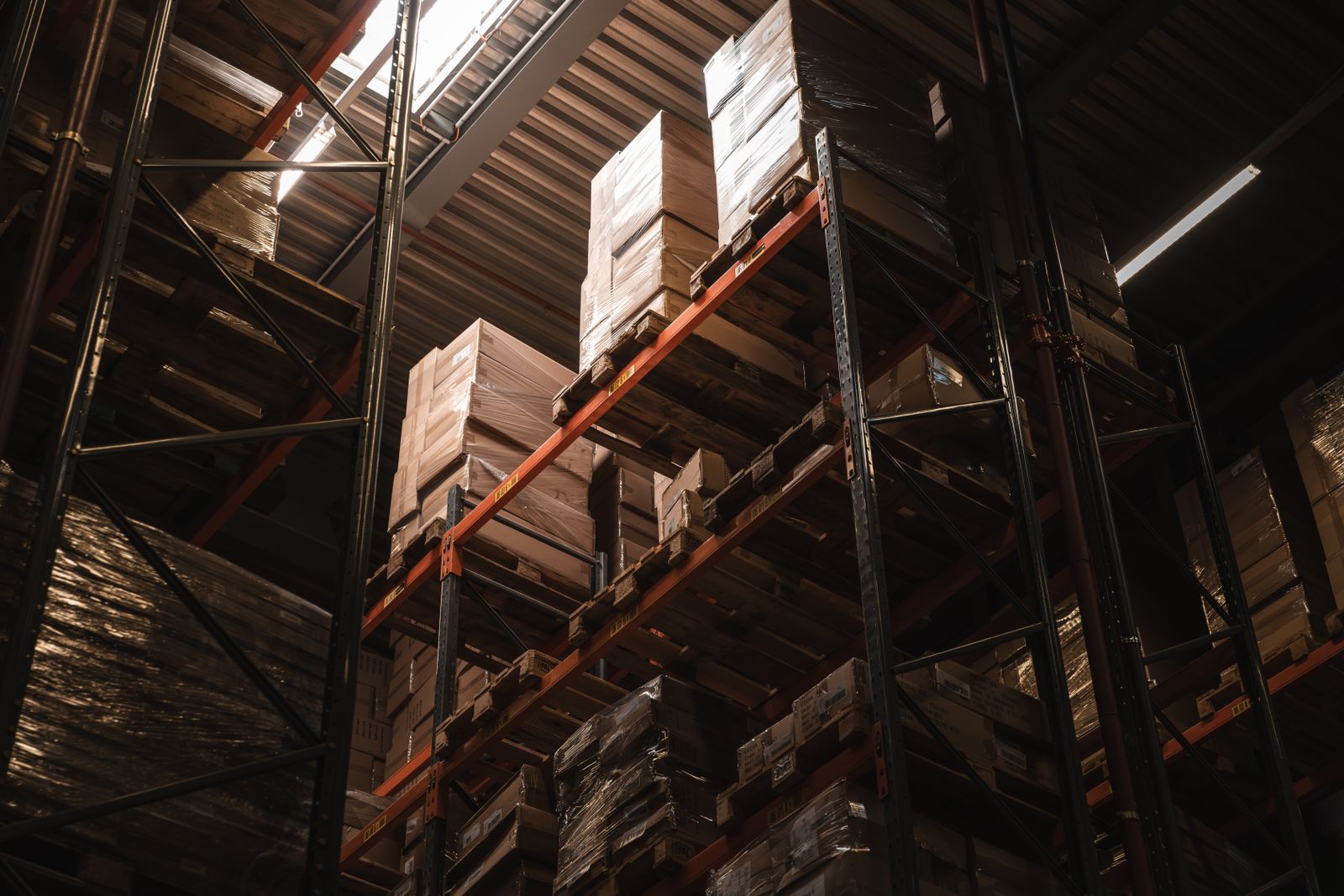
The follow-up decision: keep, shrink, or leave
Because the average stay runs about 20 months, the most expensive storage decision is the one made by default — renewing, month after month, a unit whose contents have quietly stopped being worth their rent. Relocation coordinators learn to force the question on a schedule, and it works just as well for a household on a budget: every six months, do the honest audit.
What is actually in there? Keep an inventory — a phone video walked through the unit once a year is enough — and price the contents at what they would sell for, not what they cost new and not what they mean to you. Sentimental value is real, but it should be a decision, not an accident of autopay.
What has the unit cost since the last audit? Add the rent actually paid, increases included, plus protection. A 10×10 at the national average passes $1,400 in its first year and approaches $3,000 across an average stay with increases. When the running total passes the replacement value of the contents, the unit is no longer storage; it is a payment plan for things you could rebuy for less.
Can it shrink? The most common saving is a smaller unit. Contents settle, early-move chaos gets sorted, and households routinely find that the 10×10 they filled in a panic fits a 5×10 once it is stacked properly. Facilities will usually let you transfer — ask about doing it at the next increase letter, when your willingness to leave entirely is most credible.
What is the exit cost? Leaving is cheap but not free: a truck or a few car trips, possibly a lock-cut or cleaning fee if the unit isn't left empty and swept, and the discipline of giving notice inside the window your agreement specifies so you are not billed for an extra month. Plan the exit for just before a billing date, not just after one.

Keeping a cheap unit cheap
None of this is an argument against storage. For a household between homes, mid-renovation, or holding a family's furniture through a tight year, a modest unit is often the cheapest square footage available — this site lists 2,753 mini and self storage facilities, and competition in most towns is genuine. The argument is against the autopilot version of it. The tenants who come out ahead treat the unit the way this guide has: a contract whose price resets on a schedule they know, a room they visit monthly and audit twice a year, and a bill they compare, out loud, against the value of what's behind the door. Do that, and storage stays what it was supposed to be — a bridge. Skip it, and the bridge quietly becomes a destination, billed monthly.
Sources
- LegalClarity, "How Often Do Storage Units Raise Rates?" — month-to-month terms, first increase typically at three to nine months, recurring increases of about 5–15%, and the absence of state caps outside declared emergencies
- Inside Self-Storage, operator guidance on existing-tenant rate increases — standard increase schedules (first increase at five to seven months, then every nine to twelve), typical 6–8% annual increases, and fewer than 2% of tenants moving out over an increase
- Public Storage annual reporting, via industry summaries — rent typically raised for tenants of at least five months, every six to twelve months
- SpareFoot / StorageCafe national price data — a standard 10×10 averages about $119 a month without climate control and about $134 with it
- SelfStorage.com, "Self-Storage Trends and Statistics for 2025" — average length of stay of about 20 months
- SafeStor tenant insurance rate card, via UnitSafe Storage — $8.95 a month for $1,000 of coverage up to $36.95 for $15,000, with no deductible
- Urban Storage and Storage.com storage-insurance guides — typical protection costs of about $8–$50 a month by coverage level, the 10% off-premises limit on homeowners and renters policies, and the distinction between protection plans and regulated insurance
- Stitch Storage, state-by-state lien-law research — earliest lawful sale of a delinquent unit's contents typically four to ten weeks after the process starts in most states, from about 29 days in Florida to more than 90 in Alaska and New Mexico
- McDowell Mountain Community Storage and Vail Airport Storage maintenance guides — monthly unit visits, lifting goods off the floor, moisture and pest checks
Photographs: storage facility aisle, photo by Tiger Lily, https://www.pexels.com/photo/warehouse-with-concrete-floors-4483610/ — warehouse shelves, photo by Ryan Klaus, https://www.pexels.com/photo/low-angle-shot-of-boxes-standing-on-the-shelves-in-a-warehouse-27111449/ — woman among boxes, photo by RODNAE Productions, https://www.pexels.com/photo/7464430/
More guides
- How to Hire a Moving Company That Won't Hold Your Furniture HostageMovers › Moving & Storage
- How Much Do Movers Cost? Local vs. Long-Distance Pricing ExplainedMovers › Moving & Storage
- Binding vs. Non-Binding Estimates: The Difference That Decides Your Final BillMovers › Moving & Storage
- Moving Insurance and Valuation: What 'Full Value Protection' Really CoversMovers › Moving & Storage
- Long-Distance Moving: A Start-to-Finish Guide for Household GoodsMovers › Household Goods Moving & Storage
- All Guides & ArticlesBrowse the full guides library