Movers › Moving Equipment & Supplies Rental
After Moving Equipment and Supplies Rental: Maintenance, Follow-Up Costs and the Care Nobody Mentions Up Front
The move is over. The boxes are in the wrong rooms, the sofa is where it will probably stay for a year, and you are done — except for the part nobody puts in the brochure. The rented truck, the dollies, the furniture pads, the hand truck and the plastic totes all have an afterlife, and you are responsible for most of it until a counter clerk, an app, or a pickup driver formally takes them back.
I have coordinated corporate relocations where an employer paid for nearly everything, and the same lesson showed up there as it does on a tight-budget move: the cheapest rental is the one that ends cleanly. Follow-up charges rarely come from the headline rate. They come from an extra day you did not plan, pads counted wrong at return, a cargo floor that needed sweeping, fuel read lower than it left, and equipment kept “just one more night” while the extension quietly repriced. This guide is about that tail end of the rental — the maintenance you owe, the follow-up costs that arrive after drop-off, and the small acts of care that keep a $60 rental from becoming a $160 one.

The rental does not end when you finish unloading
Every equipment rental runs on a clock and a condition record, not on your sense of being finished. U-Haul states the basic structure plainly: in-town rates are a flat fee for the rental period plus a per-mile charge, while one-way rates include a set number of days and an allowed mileage for the route. Return the equipment late, drive beyond the allowance, or hand it back in a different condition, and the contract — not the cheerful daily price on the sign — decides what you owe.
That distinction matters most for small equipment. A truck gets attention. A $10-a-day appliance dolly, a dozen furniture pads and a hand truck get forgotten in a garage corner, and they keep billing, or convert to replacement charges, while you are busy unpacking. Independent tote-and-equipment rental agreements make the pattern explicit: extensions are charged per additional period, a missed pickup can carry its own fee (one published agreement charges $40), and equipment unreturned after a set window — 14 days in that agreement — triggers replacement fees. The names and numbers differ by company. The shape does not.
Treat the return as a second appointment, with a time, a place and a checklist, booked before you load the first box.
The follow-up costs, item by item
Most after-rental charges fall into six buckets. None is mysterious, and almost all are avoidable with an hour of care.
| Follow-up cost | How it is typically charged | How to avoid it |
|---|---|---|
| Extra days | U-Haul: $40 per extra day for trucks, $20 for trailers and towing devices, ideally prepaid and arranged in advance | Call or use the app before the deadline, not after it |
| Extra miles | $1.00 per mile over the allowed mileage on a U-Haul one-way rental | Photograph the odometer at pickup and return; plan the route including the trip to the drop-off lot |
| Cleaning | Charged when equipment returns dirtier than at pickup; published guides put truck cleaning fees around $25–$75 | Sweep the cargo floor, wipe spills, remove every scrap of tape and packing debris |
| Fuel shortfall | You owe the fuel level marked on the contract at pickup; rental-company refuelling costs more than pump price | Photograph the gauge at pickup; top up to the mark, not to “about right,” on the way back |
| Damage and missing items | Assessed against the before-and-after condition record; replacement fees per item in tote/equipment agreements (for example $25 per tote, $15 per moving blanket, $75–$150 per dolly in one published schedule) | Document existing damage at pickup; count pads and dollies out loud at return |
| Deposit and hold timing | Cash rentals require a deposit — U-Haul: $100 or the estimated charges, whichever is greater, for in-town trucks; card holds are released only after charges are finalised, on your bank's timetable | Keep the deposit money out of your moving-week budget until the final receipt lands |
Two of these deserve emphasis because they surprise people. First, a charge can appear after drop-off. Damage and cleaning are often assessed when staff clean, reposition or inspect the equipment, not while you are standing at the counter, and a card hold converts to the final charge once the file is closed. Keep the contract number and your return photos until the final amount has settled — that paperwork is your only leverage if a later charge is wrong.
Second, “no discount for unused days” cuts the other way too. U-Haul encourages returning equipment as soon as you finish with it, because while it sits in your driveway you remain responsible for it — parking problems, theft and damage included. Finishing early and returning early is not just tidy. It ends your liability.
Maintenance you owe on equipment you do not own
Renters tend to think maintenance is the company's problem. For the big mechanical questions, it is. For everything that happens in your custody, it is yours.
Keep it clean as you go, not at the end. Mud, plaster dust and a spilled bottle of detergent are easy to deal with in the first hour and a cleaning fee on day three. Lay pads under anything that can leak, keep food and open liquids out of the cargo area entirely, and sweep the floor before the last load comes off — debris under a final layer of boxes is how scratches and stains happen.
Keep pads dry and separate. Furniture pads that come back wet, mildewed or smelling of pet accident are a cleaning or replacement problem, and pads are counted. Shake them out, fold them, and count them against the number on your contract before you drive to the lot. If the count was wrong at pickup, your pickup photos are the argument.
Mind the small mechanics. Dolly wheels clog with grit and hair; a hand truck used on wet grass comes back caked. A two-minute wipe-down is the difference between “normal scuffs” — which at least one published rental agreement says explicitly are expected and not charged — and damage defined as cracks, broken wheels, excessive spills, stains or strong odours. Never overload a dolly past its rating to save a trip: a bent axle is not wear and tear, and everyone at the counter knows it.
Do not lend it on. The person who signs the contract is responsible for the equipment. U-Haul says so directly about other drivers and accidents, and the same logic covers the neighbour who borrows your rented hand truck for “ten minutes.” If it does not come back, it comes back on your bill.
Store it securely overnight. If equipment must stay with you overnight, it belongs in a locked garage or inside the house — not on an open driveway. Replacement fees in published equipment agreements run from $25 for a tote to $150 for a furniture dolly, and a stolen truck is a far larger conversation. Your renters or homeowners policy may or may not respond; the rental contract will not wait while you find out.
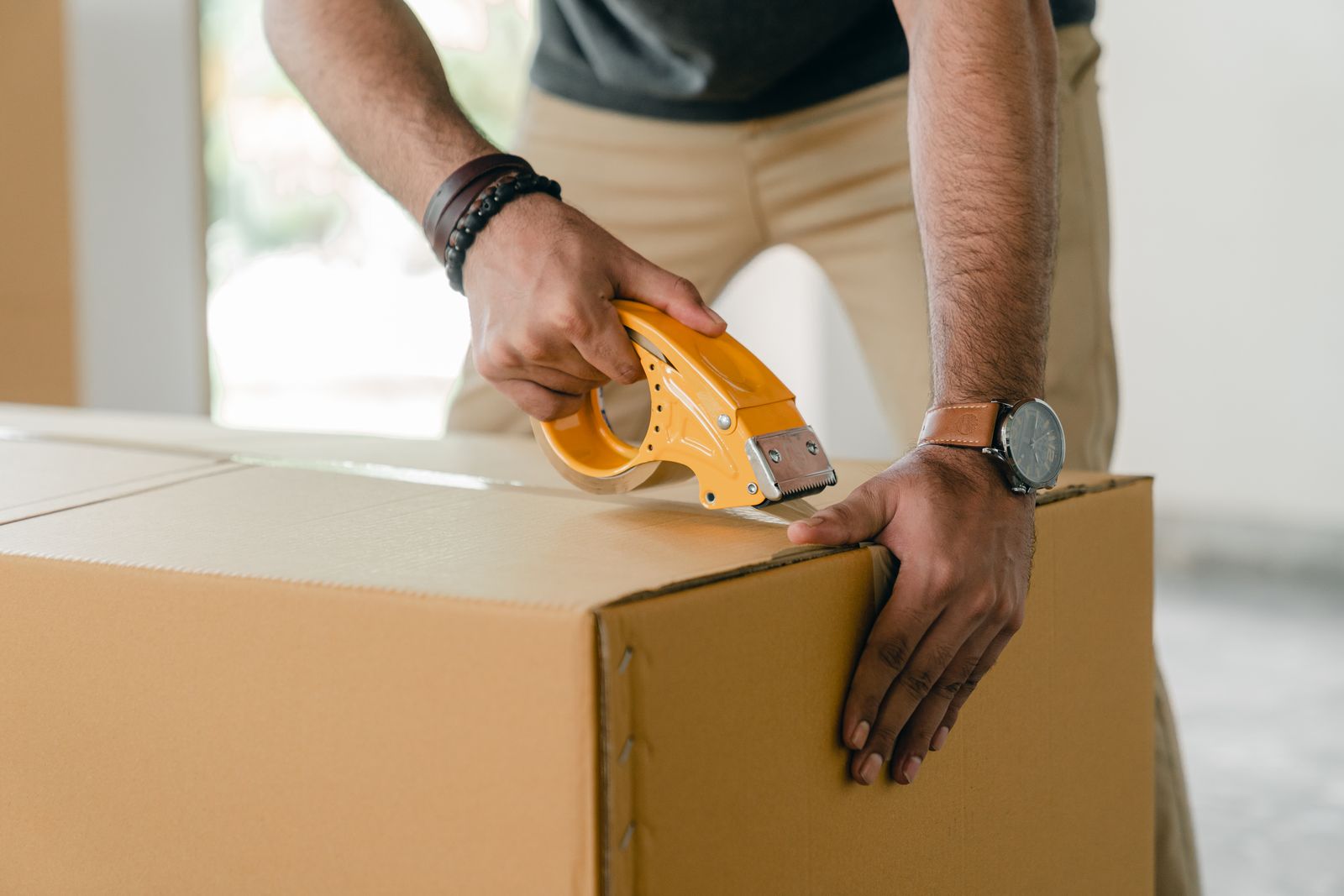
The return inspection: your fifteen minutes of leverage
The single most valuable habit in equipment rental costs nothing: photograph everything twice.
At pickup, walk the equipment before you sign. Photograph the cargo floor, the cab, the fuel gauge, the odometer, every existing dent, scrape and stain, and each dolly and stack of pads. Rental guidance on cleaning and damage charges is blunt about why: charges are tied to a before-and-after condition record, and if you did not document what was already there, you can be held responsible for it later. Timestamped phone photos are that record.
At return, repeat the walk in reverse. Sweep first, then photograph the empty, clean cargo area, the gauge at or above the pickup mark, and the odometer. If staff check you in, ask them to note the condition and the pad and dolly count on your receipt before you leave. If you return after hours through an app, complete every step of the self-return process — skipping it can itself attract a convenience fee when staff have to check the vehicle in for you — and finish with a short walk-around video showing the equipment empty, clean and parked where it belongs.
Then watch the card. Holds can linger for days after the final charge is settled, because your bank controls the release. If a charge appears that you dispute, ask the rental location for its inspection notes and photos for your contract number before you argue: a company that cannot show what changed during your rental window has a much weaker claim, and a renter holding dated photos at both ends has a much stronger one.
When keeping it longer is the right call — and how to do it cheaply
Sometimes the follow-up cost is worth paying. Unpacking takes longer than anyone admits, totes need to be emptied before they can go back, and a second trip beats a rushed one. The mistake is not extending; it is extending by default.
Extensions are cheapest when they are arranged before the deadline and priced in advance. U-Haul's extra days are published — $40 for a truck, $20 for a trailer — and the company stresses arranging them ahead so the contract stays accurate and the next family's booking is not wrecked. Tote companies price extensions as a fraction or a repeat of the original period — one agreement charges 50 percent of the package price per additional week — which means a planned extension can cost half what an unplanned one does once missed-pickup fees land on top.
Decide with a simple test: if the equipment is earning its keep — you are actively emptying totes, making the second trip, finishing the unload — extend it, properly, for the shortest period that finishes the job. If it is sitting idle as insurance against a task you keep postponing, return it and re-rent later if you truly need to. Idle equipment is the purest follow-up cost there is: money spent, liability retained, nothing moved.
The supplies afterlife
Not everything rented needs returning, and not everything bought needs keeping. Moving week leaves a residue — flattened boxes, half-used tape, stretched plastic wrap, a mountain of packing paper — and dealing with it deliberately is part of the aftercare nobody mentions.
Flatten and bundle cardboard the same day you empty it; a garage full of loose boxes is a pest and moisture problem within weeks, and dry, flattened boxes are the ones neighbours, community groups and box-exchange listings actually want. Packing paper is reusable once if it stayed dry and clean; tape, stretch wrap and anything that touched a spill is not. Dollies and hand trucks you bought rather than rented earn their storage space — they will move every heavy object you own for years — but rented ones, again, go back on time.
Finally, do the unglamorous paperwork pass: file the final rental receipt with your moving records, note the total actually paid against what you budgeted, and keep the return photos until the deposit or hold has fully cleared. On a corporate relocation that file goes to an employer for reimbursement. On your own move it is the difference between knowing what moving really costs and guessing again next time.
Finding equipment to rent
You will not lack for choice. This site lists 5,379 moving equipment and supplies rental listings, alongside 2,451 listings for moving and storage equipment and supplies retailers — so compare on the terms this guide has covered, not just the daily rate: the extra-day price, the mileage allowance, the cleaning and replacement schedule, and how the return inspection is documented. The company that shows you its follow-up costs up front is usually the one that charges you the fewest of them.
Ask for the fee schedule before you sign, photograph the equipment at both ends, return it clean, counted and on time — and the afterlife of your rental will be the shortest chapter of your move.
Sources
- U-Haul, Truck Rentals FAQ — in-town and one-way rate structures, extra days at $40 for trucks and $20 for trailers and towing devices, $1.00 per mile over the one-way mileage allowance, cash deposit terms, signer responsibility for the equipment, and returning equipment early to end responsibility.
- U-Haul, “Truck Rental Price vs. Cost: What You're Really Paying For” — local daily rates from $19.95 and the additional fees and charges that sit on top of the base rate.
- Movers Corp, “Moving Truck Hidden Fees and How to Avoid Them” — cleaning and condition charges tied to the before-and-after record, Budget Truck's cleaning grounds, and photographing the equipment at pickup and return.
- Boxless, Rental Agreement — extension pricing at 50 percent of the package per additional week, $40 missed-pickup fee, replacement fees after 14 days unreturned, and its damage and replacement schedule for totes, dollies and blankets.
- This Old House, “What To Know Before Renting a U-Haul” — late charges of $40 per day for trucks and $20 for trailers, and survey findings on unexpected moving charges.
- Movers.com, “What happens if you don't return a U-Haul on time” — additional rental time charged for late returns and the convenience fee risk when the self-return process is not completed.
Photos: - Family packing boxes — photo by cottonbro studio, https://www.pexels.com/photo/4569340/ - Taping a moving box — photo by Ketut Subiyanto, https://www.pexels.com/photo/4246120/
More guides
- How to Hire a Moving Company That Won't Hold Your Furniture HostageMovers › Moving & Storage
- How Much Do Movers Cost? Local vs. Long-Distance Pricing ExplainedMovers › Moving & Storage
- Binding vs. Non-Binding Estimates: The Difference That Decides Your Final BillMovers › Moving & Storage
- Moving Insurance and Valuation: What 'Full Value Protection' Really CoversMovers › Moving & Storage
- Long-Distance Moving: A Start-to-Finish Guide for Household GoodsMovers › Household Goods Moving & Storage
- All Guides & ArticlesBrowse the full guides library