Movers › Storage Trailers & Containers
Booking Storage Trailers and Containers Online vs. In Person: What Changes, What Does Not
From the dispatch desk, online and in-person container bookings look identical for exactly one day: the day the order is placed. After that they diverge — in what you know about the box that arrives, in who owns a problem when the delivery goes wrong, and in how much of the price was visible when you clicked or signed.
Renters between leases are the people most likely to book a storage trailer or container, and the most likely to book it in a hurry, from a phone, in the week everything else is also happening. This guide compares the two channels honestly: where online genuinely wins, where walking into a yard wins, and the parts of the transaction that do not change at all no matter how you book.

First, what you are booking in each channel
"Online" usually means one of two sellers. The national portable brands — PODS, 1-800-PACK-RAT, U-Haul's U-Box — sell a standardized product through a website or call center: a container of a published size, delivered by their network, stored at your place or theirs, priced by your ZIP codes and dates. Or it means a national container marketplace or dealer that will assign your order to a regional depot you may never identify.
"In person" means a local yard: a regional container dealer, a portable storage franchise, a trailer rental operation, where you can stand next to the inventory, talk to the people who will dispatch your delivery, and sign with someone whose office you can drive back to.
The products overlap more than the marketing suggests. A 20-foot steel container rents for about $95 to $175 a month month-to-month, or $75 to $140 on a twelve-month term, with delivery at $150 to $600 and pickup at roughly the same again. Portable brand pricing runs higher for smaller boxes: PODS monthly storage is typically $149 to $349 per unit, U-Box about $80 to $160 per small container, with delivery and pickup fees on top — a Los Angeles to Dallas sample quote from U-Haul priced four U-Boxes at $109.95 per container per month with $99 delivery and pickup fees at each end, against a single 16-foot PODS container at $429 a month with delivery and pickup fees of $242.72 and $151.78.
This site lists 495 storage trailers and containers businesses, and most renters have both channels within reach. The choice is not which product exists. It is which failure modes you prefer.
Price: online shows a number faster; in person shows the whole number sooner
Online booking wins the first five minutes. You get a real, dated price for your ZIP codes without a phone call, you can model dates and sizes at midnight, and dynamic pricing works for you when it works at all — an off-peak Tuesday delivery in a soft market can price noticeably under the phone quote a competitor gives from a rate card.
But the online number is a partial number, assembled in stages. The pattern dispatchers know well: the headline is monthly rent; delivery appears at checkout; pickup — the fee renters most often fail to ask about, and the most common rental dispute in the container business — may not appear until the contract documents. Fuel surcharges, long-carry fees when the truck cannot park close, extended-rental charges when your lease gap runs long, and protection plans are all layered in along the way. A six-month 20-foot rental that advertises at $95 to $175 a month totals roughly $870 to $2,150 all-in once delivery and pickup are counted. That total, not the banner, is the comparison.
In person, the number arrives slower and more completely. A yard quotes delivery from its own depot, by its own truck, and a good counter conversation surfaces the pickup fee, the minimum term, the late-return rule — commonly a full extra month if you miss the notice period — and the damage deposit, which runs $0 to $200 where it is charged at all. You can also negotiate things a website has no field for: a delivery window that matches your lease end, a swap if the first box leaks, a term discount for paying a season up front.
The verdict from dispatch: get the online quote first, for the market price and the date flexibility — then take it to a local yard and make them beat the all-in total, not the monthly rate. Most of the time, one of the two channels will reveal a fee the other was hiding, which is the entire point of asking both.
Information quality: the box you see vs. the box class you buy
Here the channels genuinely differ, and it is the difference that matters most for storage trailers and containers, because the product is a used steel box with a history.
Online, you buy a class, not a unit: "a 16-foot container," "a 20-foot wind and watertight." The photographs are representative, the condition is a category, and the specific box is assigned at dispatch. For the national portable brands this is mostly fine — their fleets are standardized, relatively young, and maintained as rental inventory. For a steel shipping container booked through a marketplace, class-buying carries the classic risks: door seals that weep, a floor with a past, dents that pool water on the roof. None of it is visible in the listing, because the listing is not the box.
In person, you can inspect the actual unit or its identical siblings in the yard: open and close the doors yourself — stiff doors are the first sign of a racked frame — check the seals against the light, look at the roof from the steps, smell the interior, and read the floor. You can ask which unit you will get and, at a small yard, get that unit's number written on the order. For a renter storing furniture for two months between leases, door seals and a dry interior are not details; they are the product.
What does not change: neither channel lets you inspect for the failure that matters most in storage, which is a slow roof leak in rain. The protection is contractual in both cases — a watertight commitment and a swap promise, in writing, whichever way you booked.
Accountability: who answers when the truck is late
Dispatch is where channel differences stop being theoretical. A container delivery is a truck, a driver, a time window and a site that has to accept the box. When any of those fail, the question is who picks up the phone.
With a national online booking, your counterparty is a system. It is very good at the standard cases — confirmations, tracking links, rescheduling through an app — and genuinely available for longer hours than any yard. It is weaker at the non-standard case that dispatchers live in: the driver is two streets away and cannot make the turn; the box needs to come back tomorrow instead because your landlord changed the lock time; the delivered unit leaks and a replacement has to be authorized. Each of those travels up a chain, and the person who can say yes is rarely the person who answered.
With a local yard, accountability has an address. The dispatcher who booked you is often the dispatcher who routes the truck, and a yard's reputation in a metro area is built on exactly these recoveries. The trade-off is capacity: a small yard has fewer trucks, less date flexibility at month-end — which, for renters between leases, is precisely when everyone needs one — and no app.
A hybrid rule that served my customers well: book nationally when your dates are standard, your site is easy, and your need is price-sensitive; book locally when your site is tight, your dates are chained to a lease, or the contents are valuable enough that a same-day swap promise matters. And in both channels, get a named contact and a direct number for delivery day. If the seller cannot provide one, that is your accountability answer, delivered early.
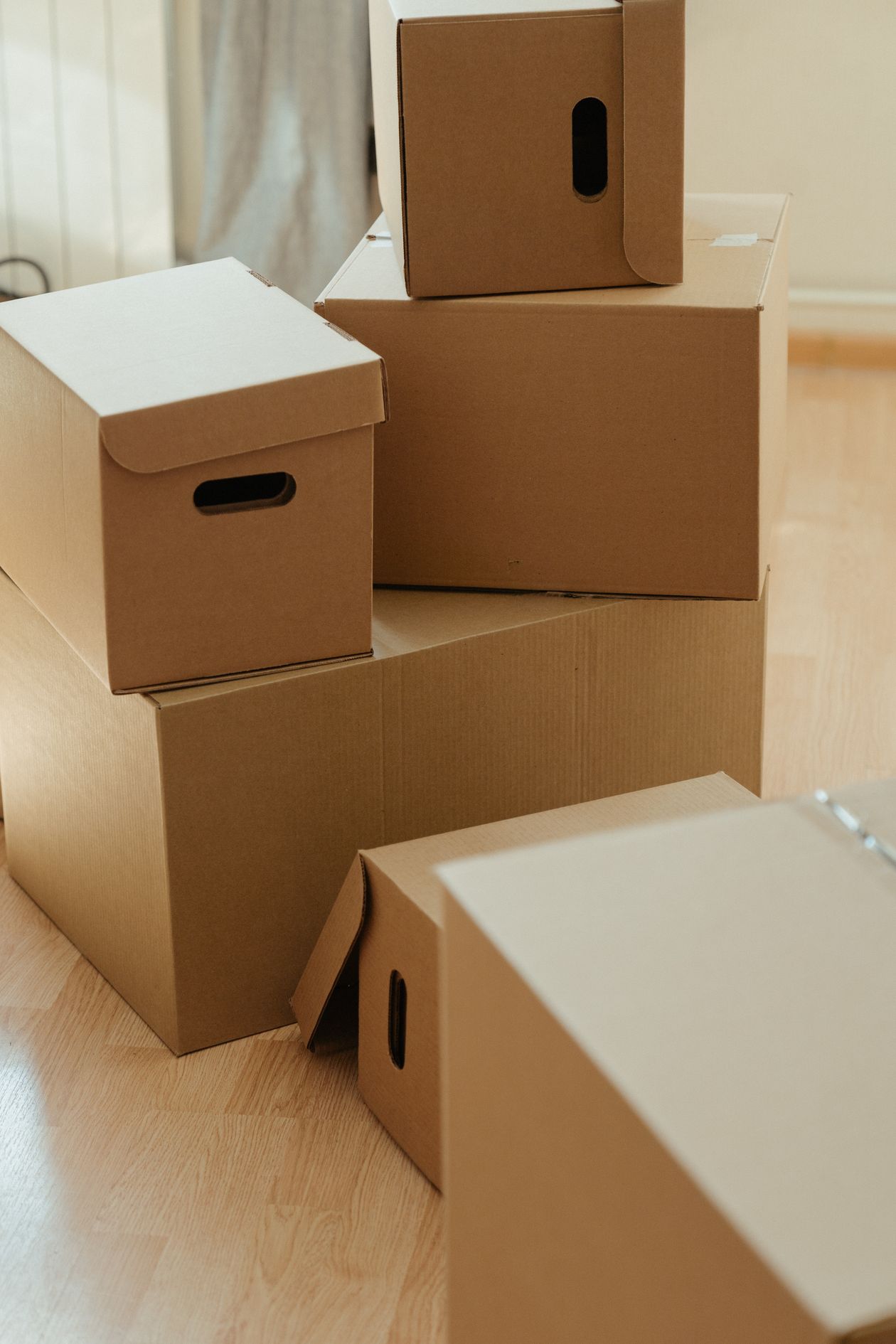
What does not change, whichever way you book
The delivery physics. A tilt-bed or roll-off truck needs the same straight run, width and overhead clearance whether the order came from a website or a handshake — roughly 60 feet of clear approach for a 20-foot container and 100 to 120 feet for a 40-foot, 12 to 14 feet of working width, and firm, level ground. Online booking forms ask about access with checkboxes; yards ask with questions. Neither can repeal the geometry, and a failed delivery is billed in both channels. Measure before you book, in either one.
The site rules. Permits for street placement, HOA restrictions, and limits on how long a container may sit apply identically. No channel's terms and conditions override your city's rules, and "the website let me book it" has never been a defense to a code notice.
The contract core. Minimum term, rent due dates, late terms, the pickup notice period, your liability for damage, and the company's right to recover the unit for non-payment are the substance of the deal in both channels. Online, they live behind an "I agree" click — which binds you exactly as a signature does. In person, they live in a document someone may summarize too kindly. Read them in whichever form they arrive.
The contents risk. Contents coverage is limited or optional in both channels — the brands sell protection plans by the month, and a standard booking typically includes little or no coverage for your goods beyond catastrophic events. Your homeowner's or renter's policy and your inventory photographs matter more than your booking channel.
The price drivers. Distance from depot, season, term length and local competition move the price the same way in both channels. Being within about 20 miles of a major depot can save $200 to $400 across delivery and pickup; port and major metro markets price lower than single-supplier inland ones. Geography does not care how you ordered.
A renter's booking sequence that uses both channels
- Measure the site first — run, width, overhead, ground — and photograph it. This decides which products can serve you at all.
- Price online with the nationals for your exact dates; capture the all-in total including delivery, pickup, minimum term and protection, not the monthly banner.
- Visit or call one local yard with that total in hand. Inspect a unit, confirm the swap promise, and ask for their all-in number and delivery-day contact.
- Book the channel that fits your risk: standard site and dates, take the better verified total; tight site or chained lease dates, take the yard with the named dispatcher.
- Before delivery day, confirm the window, the door direction, and the placement spot — in writing, in both channels — and be there when the truck comes.
Booked that way, the channel stops being a gamble. Online gives you the market; in person gives you the box and the phone number; and the parts that were never going to change — the truck, the rules, the contract — get handled before they can bill you.
Sources
- Container Compass, "Shipping Container Rental Prices" — establishes 20-foot rental rates of $95 to $175 a month month-to-month and $75 to $130 on a twelve-month term, delivery fees of $150 to $600, pickup fees, damage deposits of $0 to $200, and a six-month all-in total of $870 to $2,150.
- Container Compass, "Renting a Shipping Container: Complete Rental Guide" — establishes that the most common rental dispute is an unexpected pickup fee, and the rental rate ranges by container size and term.
- FreightWaves, "PODS vs. Top Competitors" — establishes portable container monthly storage ranges of $149 to $349 for PODS and $80 to $160 for U-Box, and container sizes and materials by brand.
- U-Haul, "U-Box vs. PODS" — establishes the Los Angeles to Dallas sample quote: four U-Box containers at $109.95 per container per month with $99 delivery and pickup fees, against a 16-foot PODS container at $429 a month with delivery and pickup fees of $242.72 and $151.78.
- Container Compass, "Portable Storage Options Compared" — establishes that branded portable quotes may exclude fuel surcharges, long-carry, stair and overweight fees, and that prices vary by ZIP code, season and availability.
Photos: photo by cottonbro studio, https://www.pexels.com/photo/4246238/ ; photo by cottonbro studio, https://www.pexels.com/photo/4568693/
More guides
- How to Hire a Moving Company That Won't Hold Your Furniture HostageMovers › Moving & Storage
- How Much Do Movers Cost? Local vs. Long-Distance Pricing ExplainedMovers › Moving & Storage
- Binding vs. Non-Binding Estimates: The Difference That Decides Your Final BillMovers › Moving & Storage
- Moving Insurance and Valuation: What 'Full Value Protection' Really CoversMovers › Moving & Storage
- Long-Distance Moving: A Start-to-Finish Guide for Household GoodsMovers › Household Goods Moving & Storage
- All Guides & ArticlesBrowse the full guides library