Movers › Building & House Moving & Raising
Building and House Moving and Raising for Beginners: The Mistakes First-Timers Make, and How to Dodge Them
Yes, the whole house. Structural movers lift a building off its foundation, set it on a grid of steel beams and wheeled dollies, and drive it down a road — or jack it straight up and build a taller foundation underneath it, which is called raising or elevating. People do this to save a historic house from demolition, to move a good house off a bad lot, to escape a flood zone's insurance bills, or to rescue a building whose land became worth more than the structure on it.
It is a small, specialized trade, and almost every client is a first-timer. That combination — rare job, novice customer — produces the same predictable mistakes. I coordinate relocations for a living, so I know what a move looks like when every dependency is managed; structural movers know what one looks like when none are. This guide is their list of beginner errors, and the cheap ways around each one.
First, the two jobs hiding in the title
Moving takes a house to a different location — across the lot, across town, occasionally across a state line. The house is lifted, loaded onto dollies, transported at walking pace along a surveyed route, and set onto a new foundation that must already exist when it arrives.
Raising keeps the house where it is and changes its height. The house is lifted on a unified hydraulic jacking system — many jacks, one control, so the structure rises as a single body — held on timber cribbing while a new, taller foundation is built beneath it, then lowered onto it. Flood elevation is the common reason: the new lowest floor must sit above the area's Base Flood Elevation, plus whatever freeboard local code adds.
The two jobs share the lift and differ in everything else. Beginners who blur them get quotes they cannot compare, because one mover is pricing a transport and another is pricing a foundation project. Name your job correctly before you ask for a single number.

Mistake 1: Budgeting the lift and forgetting the other two projects
This is the expensive one. A house move or raise is really three projects wearing one quote:
| Project | What it includes | Typical money |
|---|---|---|
| The lift and transport | Jacking, steel, cribbing, dollies, crew, the move itself | Moving runs about $12–$16 per square foot of house; a typical whole move lands between $18,000 and $100,000, averaging around $40,000. Raising: the lift alone runs about $10,000–$40,000 |
| Everything that was connected | Utility disconnects and reconnects, plumbing and HVAC rework, new foundation, stairs, driveway, landscaping | A new foundation and reconnections routinely rival the lift; a full flood elevation project medians around $130,000 all-in |
| The compliance layer | Engineering, permits at both ends, road permits, elevation certificate, lender and insurer approvals | Permits alone can reach 10–30 percent of a move's total cost |
The beginner move is to collect three quotes for project one and faint at the final bill for projects two and three. The dodge costs nothing: ask every bidder, in writing, which of the three projects their number covers, and build your budget from the bidder who itemizes all three. A quote that looks impossibly cheap is almost always quoting the lift only. A quote that looks impossibly expensive is usually the honest one.
Mistake 2: Falling in love before the route survey
For a move, the house is only half the question. The other half is the road between here and there: overhead utility lines that must be lifted or dropped by their owners, bridges with weight limits, tight turns, low clearances, trees, and the width of every gate. Structural movers survey the route before they commit, because the route decides the price — a clear, short, flat route is one job; a route needing utility crews and tree work is another, several times over.
The beginner version of this mistake is buying the lot, or signing for the house, before anyone has driven the route with a measuring eye. The dodge: make any purchase conditional on a mover's route assessment, and get that assessment early, while you can still walk away. Relatedly, the new foundation must be finished and cured before moving day — a house on dollies cannot wait politely in the road while concrete sets, and storage-on-dollies time is billed by people who own the dollies.
Mistake 3: Assuming your house can take it — or that it can't
Feasibility runs both ways. Beginners assume a brick or slab-on-grade house cannot be moved; in fact, masonry and slab houses are moved, with more preparation and more money. Others assume their framed house is automatically fine; in fact, framing condition governs everything, because the lift stresses every connection as the house is separated, raised, and reset. Houses on basements and crawlspaces generally lift most readily; slab houses need the slab separated or cut from, which adds cost and complexity.
The dodge is a structural engineer's assessment before contracts, not after. The engineer answers the only question that matters — can this structure be lifted uniformly, and what must be repaired first — and that report is what serious movers price from. Budget the assessment as the first dollar of the project, because it can save the other ninety-nine thousand.

Mistake 4: Treating permits, lenders, and insurers as paperwork for later
A structural move touches more authorities than a new build in some jurisdictions: building permits at the origin and the destination, road and oversize-load permits for the route, utility company scheduling for line work, and — for a raise in a flood zone — a floodplain development permit before and an as-built elevation certificate after, proving the house landed at the required height. That certificate is not decoration; it is what your flood insurer prices from, and elevation projects routinely cut flood premiums substantially once the paperwork proves the height.
Two more approvals beginners forget until they are urgent: if the house carries a mortgage, the lender's consent to moving its collateral is not a formality, and insurers must be told before the lift, not after — a house in transit or in the air is a different risk than the one your policy describes. Start every one of these conversations months out. The mover's jacking schedule is rarely the long pole in a structural project. The paperwork is.
Mistake 5: Living in it too long, and emptying it too late
The house must be empty of people well before the lift, utilities disconnected and capped — water, sewer or septic, power, gas — and the basement and crawlspace cleared, because crews cut access through the foundation and thread steel beneath the floor. Beginners underestimate the human logistics: you will be out of the house for the duration, and for a raise, "the duration" includes the foundation build underneath your suspended home. Price temporary housing into project two from the start, and empty the house on the mover's schedule, not yours — a crew standing idle because the attic is still full is billed by the day.
What can stay? Movable contents generally come out for a road move; for a straight raise, movers will tell you what may remain based on weight and fragility. Either way, plaster and masonry crack cosmetically in most lifts — small drywall and mortar cracks are a normal, budgetable consequence, not a scandal. The beginner mistake is expecting showroom condition; the professional expectation is a sound structure and a line item for cosmetic repair.
Mistake 6: Choosing the mover like a moving company
The household-goods instincts do not transfer. You are not comparing hourly rates; you are hiring a firm to perform a one-off engineering operation on your largest asset. What to verify instead: structural moving is their trade, not a sideline — this site lists 657 building and house moving and raising specialists, and the specialty is the point. Ask for recent comparable jobs (same construction type, similar size), proof of insurance sized for the structure's full value, the engineer's involvement, and who handles permits and utility coordination — in writing, because "we take care of everything" has ended more budgets than any jack failure.
Get the full scope, the route plan, and the schedule in a single written proposal. The cheapest bid in structural moving is usually cheap because a project is missing from it. You now know there are three.
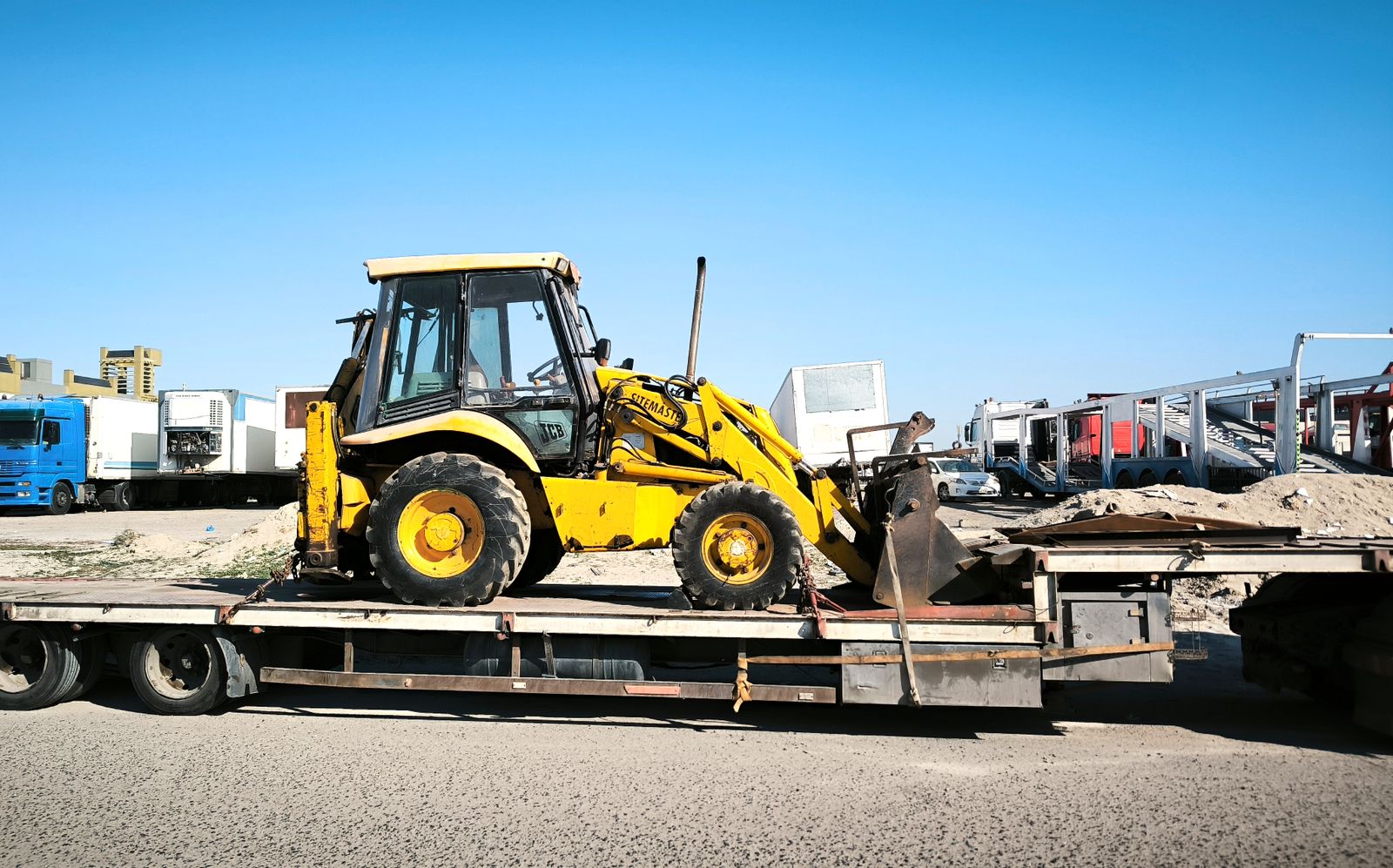
The beginner's timeline, compressed
Six months out: engineer, feasibility, route survey, lender and insurer conversations. Three months out: permits filed, foundation contractor building at the destination, utility work scheduled. One month out: house emptied, temporary housing booked, disconnects confirmed. Lift week: you watch, from a distance the crew sets, while a building does something buildings are not supposed to do.
Do it in that order and the mistakes in this guide stay other people's stories. The house, improbably, will be fine. They usually are — when the three projects were all in the budget, the route was driven before it was promised, and the paperwork started before the jacks did.
Sources
- Angi, house moving cost guide — establishes moving costs of $12–$16 per square foot, typical totals of $18,000–$100,000 with an average around $40,000, and the roles of route, foundation type, and size.
- Angi, how to move a house — establishes the process sequence, permits at both locations, road permits, lender approval, and permit fees reaching 10–30 percent of total moving expenses.
- MyHomePros, house raising price guide — establishes lift-only costs of $10,000–$40,000, total raising projects of $20,000–$100,000, and a median FEMA-compliant flood elevation near $130,000.
- Torch Engineering, house elevation guidance — establishes engineer-led feasibility, unified jacking, floodplain permits, the as-built elevation certificate, and FEMA grant programs funding elevations at 75–100 percent in qualifying areas.
- Protech Construction, Florida house raising guide — establishes the three-scope structure of elevation projects: the lift, the reconnections, and the compliance layer.
Photos: house at twilight — photo by Littlehampton Bricks, https://www.pexels.com/photo/4626268/ ; excavator loading — photo by Sóc Năng Động, https://www.pexels.com/photo/34480907/ ; flatbed vehicle — photo by Tayssir Kadamany, https://www.pexels.com/photo/38095094/
More guides
- How to Hire a Moving Company That Won't Hold Your Furniture HostageMovers › Moving & Storage
- How Much Do Movers Cost? Local vs. Long-Distance Pricing ExplainedMovers › Moving & Storage
- Binding vs. Non-Binding Estimates: The Difference That Decides Your Final BillMovers › Moving & Storage
- Moving Insurance and Valuation: What 'Full Value Protection' Really CoversMovers › Moving & Storage
- Long-Distance Moving: A Start-to-Finish Guide for Household GoodsMovers › Household Goods Moving & Storage
- All Guides & ArticlesBrowse the full guides library