Movers › Building & House Moving & Raising
Building and House Moving and Raising for Renters: What You Can Arrange, What Needs Permission and What the Landlord Covers
Start with the sentence nobody puts in the brochure: as a renter, you almost certainly cannot move or raise the house you live in. It is not your house. Structural moving — lifting a building on steel beams, carrying it down a road, or raising it above flood level — is an owner's decision, made with an owner's money, permits, and insurance. The complaints I investigate include tenants who discovered this late, usually after paying a deposit to a contractor for work they had no right to commission.
But "renters can't do this" is not the whole story, and it is not where this guide ends. Renters meet this industry in four real situations: you own a structure on rented land; your landlord is moving or raising the building and you live in it; you want work done and need the landlord to commission it; or you are leaving and a structure you placed on the property has to go. Each situation has its own permissions and its own answer to the only question that matters — who pays.
What the work actually is, and what it costs owners
To negotiate any of this, you need the owner's numbers. Raising a house means separating it from its foundation, lifting it on a unified jacking system in small increments onto cribbing and steel beams, building a new, taller foundation beneath it, and setting it back down. Published cost guides put the lift itself at roughly $10,000 to $40,000, with complete elevation projects — new foundation, stairs, utility reconnections — commonly running $20,000 to $100,000, and flood-zone elevation programs reporting medians higher still. Relocating a house adds transport: pricing is commonly quoted at $12 to $16 per square foot, with total moves typically between about $18,000 and $100,000 depending on size, distance, route, and permits, which alone can run from a few hundred to several thousand dollars. Permits, engineering, and route preparation commonly add 10 to 30 percent on top of the mover's base figure.
These are capital projects on someone else's asset, which is why the money conversation in every section below ends where it does.
Situation one: you own the structure, someone else owns the land
This is the renter's strongest position, and it is more common than people think: a manufactured or mobile home you own on a rented lot, a tiny house, a large shed or workshop you bought and placed, occasionally a cabin on leased land. Here, the structure is your property, and arranging its move or its raising is your right in principle — the mover's contract is with you, the cost is yours, and so is the decision.
"In principle" carries three qualifications, all found in your lease or lot agreement rather than in general law. First, removal and access terms: lot agreements typically govern how and when a home may be removed, require notice, and make you responsible for restoring the lot — disconnecting utilities, removing skirting, steps, and any foundation elements that are yours, and leaving the site in the condition the agreement specifies. Second, the park or landowner's practical gatekeeping: wide loads need the cooperation of whoever controls the roads, gates, and neighboring clearances, and manufactured-home communities commonly require approved, insured transporters. Third, the destination's rules: the receiving lot or land has its own placement, setback, and permit requirements, and a structure that was legal where it sat may need work to be legal where it lands. None of these is the landlord paying for anything. They are the landlord — and the destination — setting the conditions under which your money gets spent.
Situation two: the landlord is moving or raising your home
This is the situation with the sharpest edges, because the project is the owner's and the disruption is yours. A landlord raising a house for flood mitigation, or relocating a building on the lot, is improving their asset; the costs of the structural work — mover, engineering, permits, foundation — are the owner's, and any suggestion that a tenant should contribute to the capital cost of someone else's building should be refused in writing.
Your exposure is different: habitability and displacement. A house being raised is not a house you can live in during the lift, and most jurisdictions' landlord-tenant law and most leases put the consequences of an owner-initiated project on the owner — through rent abatement for the period the home is unusable, responsibility for the disconnection and reconnection of the utilities the project interrupts, and, depending on the lease and local law, temporary housing or the right to end the lease if the displacement is substantial. The details vary by state and city, which is precisely why the working rule is documentary: get the project plan, the expected timeline, and the landlord's arrangements for your housing and rent in writing, before the jacks arrive. Verbal assurances about "a couple of weeks" have a way of meeting foundation delays. If the landlord will not write it down, that is the moment for a tenant association, a local legal aid clinic, or your state attorney general's consumer line — before the work, while your leverage is intact, not from a motel room after it.

Situation three: you want the work done
Sometimes the tenant is the one who wants change: a renter in a flood-prone house who would love it raised; a tenant whose rented workshop building needs to move for a business reason. Wanting it does not commission it. Only the owner can authorize structural work on their building, pull the owner's permits, and insure the project — and the realistic tenant moves are these. Ask, in writing, with the reason framed in the owner's interest: flood elevation protects the asset and can reduce its insurance costs, and publicly funded elevation programs exist precisely because the math favors prevention — FEMA-funded elevation grants have historically covered 75 to 100 percent of eligible project costs for qualifying properties, which is an argument an owner can take to the bank in a way a tenant's preference is not. Offer only what is yours to offer: cooperation, access, flexibility on timing, perhaps a longer lease that helps the owner amortize the project. Do not offer to pay for structural work on a building you do not own, and do not — under any circumstances — hire the contractor yourself and seek reimbursement afterward. Work you commission on another person's property can leave you liable for its costs and its defects while owning none of its value: the worst seat at the table.
If the owner declines, that is the end of the structural conversation, and the tenant's real options reassert themselves: negotiate what can be negotiated (flood insurance for your own contents is yours to buy, and in a flood-prone rental it is worth pricing), or move. A lease is a temporary right to use a building. It was never a right to rebuild it.
Situation four: leaving, and the structure has to go
The end of a tenancy reverses the flow. Anything you placed on the property — the shed, the workshop, the tiny house, the above-ground structures your lease allowed — is governed at exit by the same agreement that allowed it in. Typical terms require removal at your cost, by a deadline tied to the lease end, with the site restored; anything left behind can be treated as abandoned property after notice, with removal and disposal costs charged against you or your deposit. Structural movers book out weeks ahead in season, and the transport permits for a wide load take their own time, so the renter's discipline is to book the move of your structure when you give notice, not when the notice period is expiring. This site lists 657 building and house moving and raising specialists — availability is a scheduling problem, not a scarcity problem, for anyone who starts early.
| Situation | Who decides | Who pays for the structural work | Your document |
|---|---|---|---|
| Your structure on rented land | You, within the lot agreement | You | Lease/lot agreement removal and access terms |
| Landlord's project on your home | The landlord | The landlord, including project-caused utility work | Written plan, timeline, rent and housing arrangements |
| Work you want on the landlord's building | The landlord alone | The landlord, if they agree at all | Your written request; grant and insurance arguments |
| Your structure at lease end | You, by the agreement's deadline | You, including site restoration | Exit terms; mover booked at notice, not at expiry |
The permission checklist, for any of the four
Whatever your situation, the same five papers decide whether a renter's structural project goes well. The lease or lot agreement, read for structures, alterations, removal, and restoration clauses — most disputes are settled by text the tenant signed and never re-read. Written landlord consent for anything touching the owner's building, land, or access routes, naming the work, the contractor, and who insures it. Permits in the right name — structural and transport permits belong to owners and licensed movers, and a permit a tenant is asked to pull for an owner's building is a warning sign, not a shortcut. Insurance certificates from the structural mover, whose work carries risks no renter's policy contemplates. And the money in writing: every contribution, abatement, and restoration duty agreed before work begins.
Renters are not powerless in this industry. They are simply playing a different position in it — owners of their own structures and contents, tenants of everyone else's. Play that position accurately, with the documents above, and the industry's enormous machinery, the jacks and beams and wide-load escorts, works for you exactly where it should: on the things that are yours.
Sources
- Published house raising and relocation cost guides (Angi; HomeGuide; MyHomePros) — lifting at roughly $10,000–$40,000, complete elevation projects commonly $20,000–$100,000, relocation priced at about $12–$16 per square foot with typical totals of $18,000–$100,000, transport permits from a few hundred to several thousand dollars, and permits, engineering, and route work adding roughly 10–30 percent.
- Structural moving process references (Engineer Fix; Torch Engineering) — unified jacking in small increments, cribbing and steel beam grids, base flood elevation plus freeboard targets, elevation certificates, and FEMA Hazard Mitigation and Flood Mitigation Assistance elevation funding historically covering 75–100 percent of eligible costs.
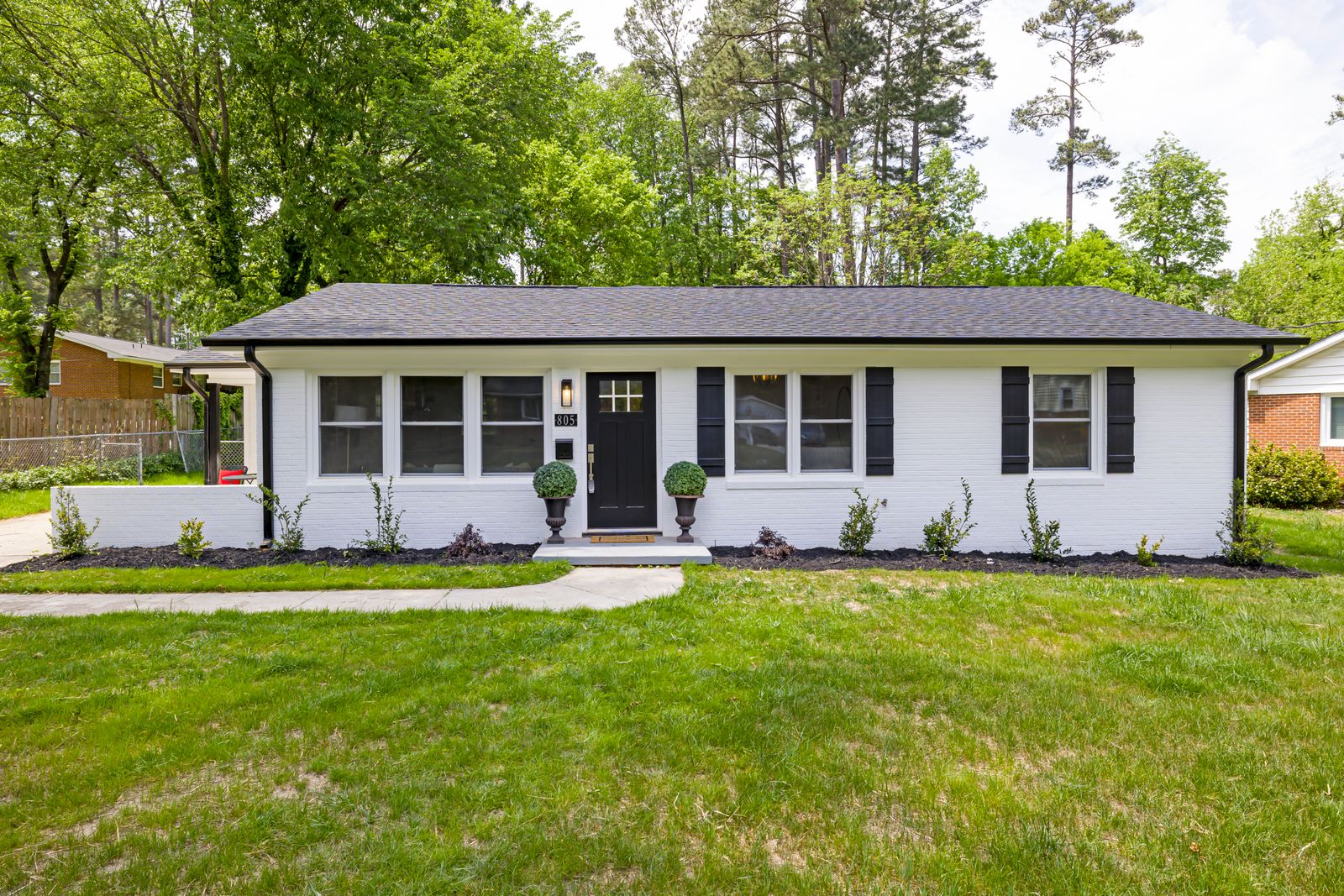
Photos: house at twilight — photo by Littlehampton Bricks, https://www.pexels.com/photo/4626268/ ; house exterior — photo by Curtis Adams, https://www.pexels.com/photo/8031882/
More guides
- How to Hire a Moving Company That Won't Hold Your Furniture HostageMovers › Moving & Storage
- How Much Do Movers Cost? Local vs. Long-Distance Pricing ExplainedMovers › Moving & Storage
- Binding vs. Non-Binding Estimates: The Difference That Decides Your Final BillMovers › Moving & Storage
- Moving Insurance and Valuation: What 'Full Value Protection' Really CoversMovers › Moving & Storage
- Long-Distance Moving: A Start-to-Finish Guide for Household GoodsMovers › Household Goods Moving & Storage
- All Guides & ArticlesBrowse the full guides library