Movers › Building & House Moving & Raising
Building and House Moving and Raising Gone Wrong: Your Options, Your Rights and How Fixes Actually Work
First, breathe. A house raising or moving project that has gone wrong feels catastrophic in a way ordinary contractor disputes do not, because the thing in dispute is your home, possibly sitting on cribbing, possibly open to the weather, possibly not where it was supposed to be. But the industry that lifts houses is small, specialised and reputation-driven — roughly 400 to 500 structural moving companies nationwide, moving an estimated 5,000 to 8,000 houses a year — and most of its failures are recoverable if you act in the right order: stabilise, document, then argue.
This guide is that order. What counts as "gone wrong," what fixes actually look like, what your contract, insurers and regulators can and cannot do, and how refunds, redos and small-claims routes really work when the job involves steel beams, hydraulic jacks and five or six figures. This site lists 657 building and house moving and raising providers, and the good ones share a trait worth remembering throughout: they document everything. From here on, so do you.
What "gone wrong" usually means
Complaint files cluster into recognisable shapes, and naming yours correctly decides the remedy.
Cosmetic and finish damage. Cracked plaster and drywall, racked doors and windows, split trim, damaged floors. Some hairline cracking is a known, disclosed risk of lifting — a house flexes as it rises on jacks in small coordinated increments. Damage far beyond what your contract's risk language described is a different matter.
Structural harm. Bowed or cracked foundation walls at the new set, beams or sills damaged during the lift, a house set out of level or off its marks. This is engineer's territory, not handyman territory.
The unfinished set. The house is raised or moved but not properly set, connected or weathertight: utilities not reconnected, temporary supports left as if permanent, a project abandoned mid-sequence. This is the urgent category, because weather and time are now co-defendants.
Schedule and cost collapse. The two-to-three-month project in its seventh month; the quote that has grown by half through change orders nobody signed. For scale, the money at stake is rarely small: Angi's 2026 data puts raising a house at an average of $7,628, with most homeowners paying $3,532 to $11,851 and complex foundation work exceeding $25,000; HomeGuide puts lifting alone at $10,000 to $40,000, lifting with foundation replacement at $20,000 to $100,000, and moving a house to a new foundation at $15,000 to $60,000, before permits that can run $400 to $5,000. Disputes at this level outgrow informal resolution quickly — plan accordingly.
Permit and route failures. Work done without the building permit, a move that struck a utility line the route survey should have caught, a structure the destination lot cannot legally receive. These create liability beyond the contract, and they are the failures regulators care most about.
Step one: stabilise and make it safe
Before any argument about money: is the house safe to occupy, safe to leave, and protected from weather? If a house is on temporary cribbing, if the roof or walls are open, or if utilities are live where they should be dead — or dead where a household needs them — the first calls are to the building department and, where needed, an independent structural engineer, not to a lawyer. An engineer's letter does triple duty: it tells you what must happen now, it creates the neutral record every later negotiation and claim will stand on, and it separates "must fix this week" from "must fix eventually" in a dispute where the contractor's incentive is to blur exactly that line.
Do not authorise the original contractor to perform emergency structural work you intend to dispute, beyond what is needed to make the site safe, without advice. Well-meant emergency repairs can destroy the evidence of what went wrong — and with it, your claim.
Step two: build the file
Every remedy below runs on documents. Assemble, in one place:
- The signed contract, with its scope, price, payment schedule, risk and damage language, and any change orders — signed or, significantly, not.
- Permits, engineering drawings and inspection records, or the documented absence of them.
- Every payment record, matched against the contract's schedule. Money paid ahead of the schedule is the single strongest predictor of a dispute ending badly.
- Photographs and video, dated, from before the lift if you have them, and of the damage as it stands. Photograph cracks with a ruler in frame; photograph levels, gaps and temporary supports.
- Your engineer's report, and any second contractor's written assessment and repair estimate. Two independent paper opinions outweigh ten phone calls.
- A contemporaneous log: dates, who was on site, what was said, what was promised. Rebuild it now, while memory is fresh, and keep it factual.
The Federal Trade Commission's home-improvement guidance is unglamorous and correct: try to resolve it with the contractor first, follow up phone calls with a letter sent by certified mail with return receipt requested, and keep notes and copies of everything.
Step three: the demand — specific, dated, and priced
Most structural movers will fix genuine failures when presented with an engineer's report and a specific demand, because their market is small and their insurance carriers prefer repair to litigation. Your demand letter should state: what failed, against which contract clause or standard; what fix you require, in the engineer's terms; who performs it — them, or a named replacement at their cost; a deadline, typically 14 to 30 days for a response and a schedule; and what you will do next if it is not met. Send it certified mail, return receipt, and keep the tone boring. Boring letters get forwarded to insurers. Furious ones get forwarded to lawyers, which is slower for everyone.
Understand what "fix" realistically means by category. Finish damage is repaired and refinished. A house set out of level can, in many cases, be re-lifted and re-set by a competent crew — expensive, disruptive, but a true redo, which is why the original contractor's insurer may prefer to fund it rather than pay consequential damages. Foundation defects at the new set are rebuilt to the engineer's specification. What cannot be redone is time: alternative-housing costs during an extended project are a damages claim, so keep every receipt.
Step four: insurance — the quiet main character
Two policies matter. The contractor's liability insurance — which you should have confirmed before work began, alongside your own homeowner's cover, since adequate homeowner's insurance is a precondition of a raising project, not an afterthought — and any builder's risk or project-specific cover. If the contractor stalls, a direct, documented claim against their liability carrier, with the engineer's report attached, often moves a file that months of calls did not. Ask the contractor, in writing, for their carrier and policy details; refusal to provide them is itself information worth passing to the licensing board and the attorney general.
If your own insurer is covering any part of the loss, notify them early and in writing. Late notice is a standard, avoidable reason claims get denied.

Step five: regulators and complaint routes
File, in parallel rather than in sequence, because each body does a different job:
- The building department that issued (or should have issued) the permit. Unpermitted structural work and unsafe conditions are their direct concern, and a stop-work or correction notice concentrates a contractor wonderfully.
- The state contractor licensing or registration board, where your state has one for this work. A licensing complaint is regulatory: it can discipline, and it creates the record, but boards generally cannot order your money back. File it for leverage and for the next customer, not as your refund route.
- The state attorney general's consumer protection division. Especially effective where a pattern exists — and in a trade of only a few hundred firms, your complaint may complete a pattern. State consumer-protection law also governs deceptive practices, which is where unsigned change orders and misrepresented timelines live.
- The Better Business Bureau. No power, real pressure: established structural movers guard their ratings in a referral trade, and a documented BBB complaint with the engineer's report attached gets read by owners.
Step six: mediation, small claims, and court — sized honestly
Many contracts contain mediation or arbitration clauses; check yours before filing anything, because a court may send you back to the clause. Mediation suits the middle of these disputes — a fixable failure, a contractor still trading, a sum both sides can see.
Small claims court is designed for consumers: fast, inexpensive, self-represented. But size it honestly against house-moving money. State limits run roughly $5,000 to $25,000 — California's is $12,500 for individuals, Texas $20,000, Florida $8,000, New York City $10,000, Tennessee $25,000. A cracked-plaster and repaint claim may fit comfortably; a failed lift with foundation replacement at $20,000 to $100,000 does not, and filing in small claims can mean waiving everything above the limit. Above the limit, or where the remedy you need is the work redone rather than money, you are in regular civil court and lawyer territory — take the engineer's report and the file to a construction-law attorney for a first consultation before choosing.
One more route exists in some states: contractor recovery funds, maintained in states such as California and Virginia, which can compensate consumers defrauded by licensed contractors who cannot pay. Your licensing board will know whether your state has one and whether your contractor's status qualifies you.
For seniors: extra care, extra leverage
Older homeowners are disproportionately the customers for flood-elevation raises and foundation work on long-owned homes, and disproportionately targeted by the trade's few bad actors, precisely because the sums are large and the homeowner often must vacate during the work. Three protections matter. Keep a family member or trusted third party copied on every letter from the first demand onward; disputes slow down when a contractor knows the file has a second reader. Never sign a completion certificate — the document that releases final payment and often starts warranty clocks — for a house you have not walked through with your engineer or second contractor. And treat any request to sign insurance or settlement paperwork at the door, same-day, as a reason to pause for a week, not a day. Nothing legitimate in a house-raising dispute expires in an afternoon.
The order, on one page
Stabilise the house. Commission the engineer. Build the file. Send the specific, certified demand. Notify insurers, yours and theirs. File with the building department, the licensing board, the attorney general and the BBB. Mediate if the contract or the relationship allows it. Size the court to the claim — small claims inside its limit, civil court above it. It is a slower sequence than anger suggests and a faster one than despair does, and in a trade this small, the homeowner with the best file usually gets the fix.
Sources
- Angi, Cost to Raise a House, 2026 — average raising cost of $7,628, typical range $3,532–$11,851, complex projects above $25,000, permits at $1,200–$2,000, and insurance confirmation before work begins.
- HomeGuide, House Lifting Cost, 2026 — lifting at $10,000–$40,000, lift with foundation replacement at $20,000–$100,000, moving a house to a new foundation at $15,000–$60,000, and transport permits at $400–$5,000.
- TheHowMuch, How Much Does It Cost to Move a House? 2026 — structural moving process and scale: an estimated 5,000–8,000 houses moved a year by roughly 400–500 structural moving companies, with projects typically running months from planning to completion.
- Federal Trade Commission home improvement guidance, via ClaimDone's summary — resolve with the contractor first, follow calls with a certified letter with return receipt, keep notes and copies, then escalate to the state attorney general or consumer protection office.
- Fourmio, Dispute With a Contractor: Your Options, 2026 — demand letters, agency complaints and small claims limits of $5,000–$25,000 in most states, with state examples including California at $12,500, Texas at $20,000, Florida at $8,000 and Tennessee at $25,000; contractor recovery funds in states such as California and Virginia.
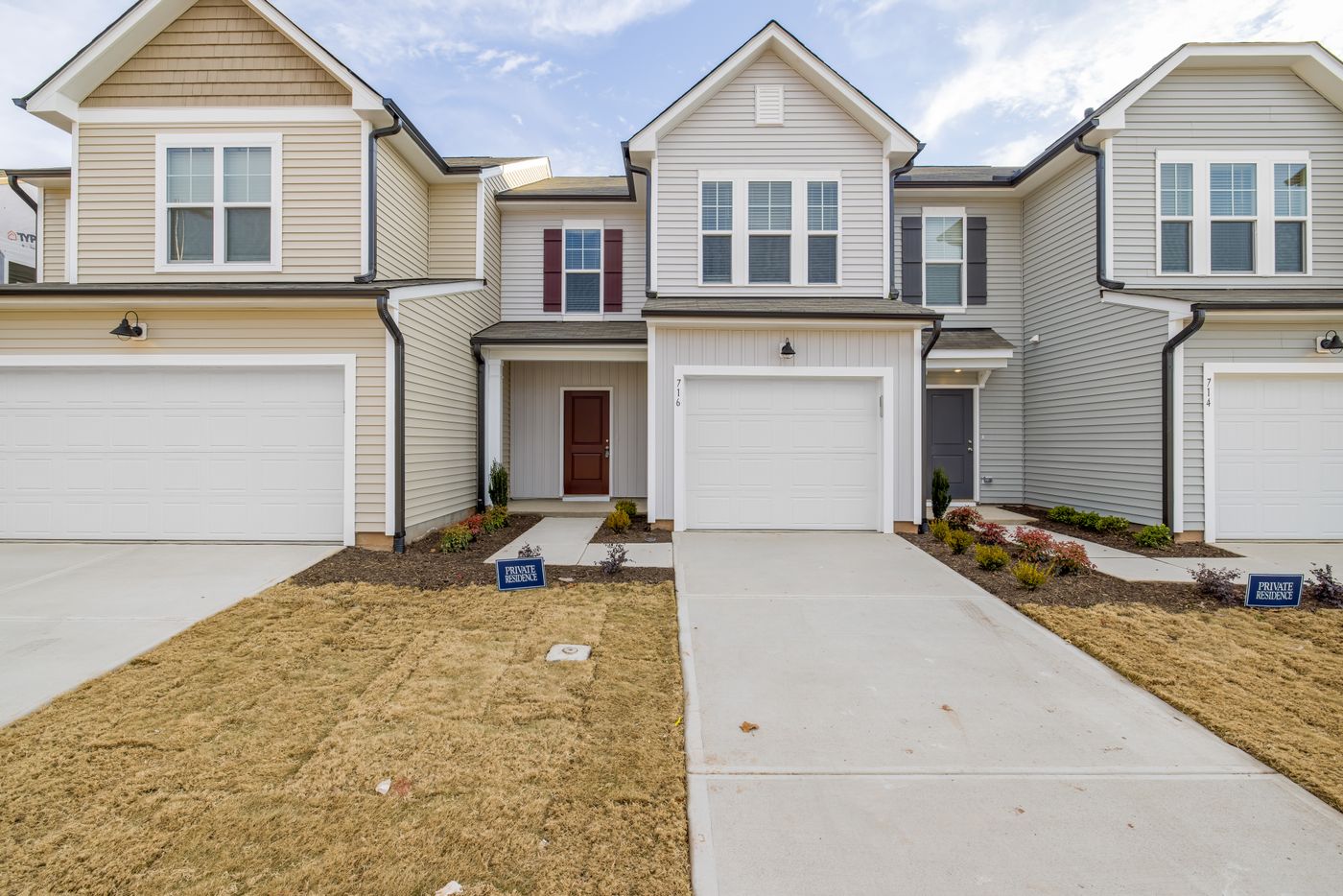
Photos: house exterior — photo by Curtis Adams, https://www.pexels.com/photo/10628458/ ; signing a contract — photo by Alena Darmel, https://www.pexels.com/photo/a-person-signing-a-contract-7641842/
More guides
- How to Hire a Moving Company That Won't Hold Your Furniture HostageMovers › Moving & Storage
- How Much Do Movers Cost? Local vs. Long-Distance Pricing ExplainedMovers › Moving & Storage
- Binding vs. Non-Binding Estimates: The Difference That Decides Your Final BillMovers › Moving & Storage
- Moving Insurance and Valuation: What 'Full Value Protection' Really CoversMovers › Moving & Storage
- Long-Distance Moving: A Start-to-Finish Guide for Household GoodsMovers › Household Goods Moving & Storage
- All Guides & ArticlesBrowse the full guides library