Movers › Building & House Moving & Raising
Building and House Moving and Raising in a Small Town or Rural Area: Fewer Choices, Different Math, Better Tactics
Moving a building is the extreme end of the moving business. A structural mover threads steel beams under a house, raises it on unified hydraulic jacks an inch or two at a time, sets it on dollies, and rolls it down public roads to a new foundation — or lifts it in place so a new foundation, or flood clearance, can be built underneath. It is a small, specialized trade: roughly 400 to 500 structural moving companies serve the entire United States, and only about 5,000 to 8,000 houses are moved in a year. In a metro area, that scarcity is manageable; there may be two or three firms within range, and a route measured in city blocks. In a small town or a rural county, scarcity is the whole story. This guide is about how the math changes out there — and the tactics that keep a tight budget intact when the nearest qualified mover is two hundred miles away and booked until autumn.
Why people do this at all
Rural house moving is rarely whimsical. The recurring cases are practical: a sound house on land that is being sold, flooded, or redeveloped, worth more moved than demolished; a farmhouse that needs raising above a flood line or a new foundation under it before it can be insured or sold; an inherited house on a family parcel that needs to shift a few hundred yards to settle an estate or a road project; a good building in a shrinking town, bought for very little, moved to a lot where it is worth a great deal. In each case the comparison is not moving versus nothing. It is moving versus demolition plus new construction, and at rural land prices, moving often wins — which is why the trade survives in places where almost no other specialized service does.
The cost structure, honestly
Start with the benchmark figures. Structural moving is commonly priced around $12 to $16 per square foot — roughly $18,000 to $24,000 for a 1,500-square-foot home for the move itself — with total projects ranging from about $15,000 at the simplest end to $200,000 and beyond for large houses and long distances, once foundations, permits, utility work, and site preparation are counted. A same-lot lift for foundation work commonly runs $12,000 to $35,000. Permits for the road move alone can range from a few hundred dollars to $5,000 or more depending on the jurisdictions crossed.
Now translate those numbers into rural reality, line by line:
| Cost element | In a metro | In a small town or rural area |
|---|---|---|
| The mover's travel | A line item, small | Mobilization from 100–300 miles away can rival a day of the move itself |
| Route survey | Blocks; a few obstacles | Miles of low lines, weight-limited bridges, tight turns, soft shoulders — and detours measured in counties |
| Utility coordination | One or two utilities | Electric co-ops, small-town water, rail crossings — each with its own crew calendar and fees |
| Escorts and permits | City/county/state, routine | Every jurisdiction on the route, including townships that have never permitted a house |
| The calendar | Booked weeks out | Booked months out; one crew serves a multi-state region |
| Foundation and trades at the new site | Competitive quotes | The same scarcity problem, one trade at a time |
The pattern to notice: the lift itself costs what it costs anywhere. It is everything around the lift — miles, coordination, waiting — that inflates in rural work, and those are precisely the costs a prepared customer can shrink.

The tactics that work out here
Buy the mover's route, not just the mover. Structural movers work in circuits. A firm may pass through your region twice a year, moving a building out and another back, and a job that joins an existing circuit can be priced very differently from a job that requires a dedicated mobilization. When you call — and you will call firms based several counties or a state away — ask the circuit question directly: "When are you next working within a hundred miles of me, and what would it save to join that trip?" Flexibility on dates is the rural customer's one great asset, because your house, unlike a lease, usually is not moving on a deadline imposed by someone else. Spend that asset deliberately.
Make your project the easy stop. Movers price friction. A site already cleared, a route you have driven and photographed yourself, utility disconnects already arranged, a destination foundation already built and cured — every one of those removes a risk the mover would otherwise price in. Rural customers often have the land, the equipment, and the local relationships to do preparation work that a metro customer would pay retail for: clearing the route on your own property, coordinating with the co-op linemen you actually know, housing the crew. Ask what preparation earns a discount, in dollars, before you do any of it — then do exactly that list.
Separate the lift from the haul when the move is short. Raising a house in place — for a foundation replacement or flood lift — is a different purchase from transporting one, and it is sometimes available from firms that do not haul at all, including foundation specialists with jacking equipment. Conversely, a short move across your own land may not need the full road apparatus of permits and escorts that a highway move requires. Define the job precisely before you shop it; "house moving" quoted as one product bundles services you may not need.
Get the route surveyed in writing, and walk it yourself. The route survey is where rural moves succeed or fail: the crew chief measures clearances, flags the lines that must be raised, the bridges that must be avoided, the turns that need a wider swing than the road offers. Published guidance for the industry puts planning at several months at minimum, with permits needed at city, county, and state level and utilities disconnected and capped before the lift. Do not let that timeline alarm you — let it schedule you. The customer who starts in January moves in June. The customer who starts in June discovers the waiting list, and moves next year, at next year's prices.
Use the association and the grapevine, in that order. The International Association of Structural Movers keeps a directory of its roughly 300-plus members, which is the professional starting point. In rural areas, though, the second source matters nearly as much: ask at the county permit office who has moved a building locally in the last decade. They will know. So will the house movers' competitors, the foundation contractors, and — reliably — the staff at the local paper, because a house rolling down Main Street is news every single time. A mover with three local moves and local references has something a distant firm's website cannot give you: a route's worth of neighbors who watched the work.
What to verify before you sign
- Insurance and the contract's scope. Who carries the risk while the house is on dollies — and does the price include permits, escorts, and utility lifts, or are those pass-throughs at cost-plus? On a long rural route, pass-throughs can rival the base price. Get the estimate structured so each element is visible.
- The foundation interface. The mover sets the house down; someone else builds what it lands on. The contract should say whose measurements govern, and what happens if the house arrives and the foundation is wrong. In a rural job, the foundation contractor and the mover may never have worked together. Introduce them, in writing, early.
- Weather and season. A house on dollies needs firm ground and a workable forecast. Rural schedules build in weather float that metro customers never see; make sure your contract's timeline reflects the season you are actually moving in, and that your own plans — temporary housing, livestock, a harvest — can absorb a slip of weeks, not days.
- What "moved" excludes. Chimneys, porches, and additions often travel separately or not at all; interiors crack in ways that are normal and expected; landscaping at both ends is yours. A good rural mover will tell you all of this plainly, because their reputation in a small market is a physical thing, carried by people who watched your house come down their road.
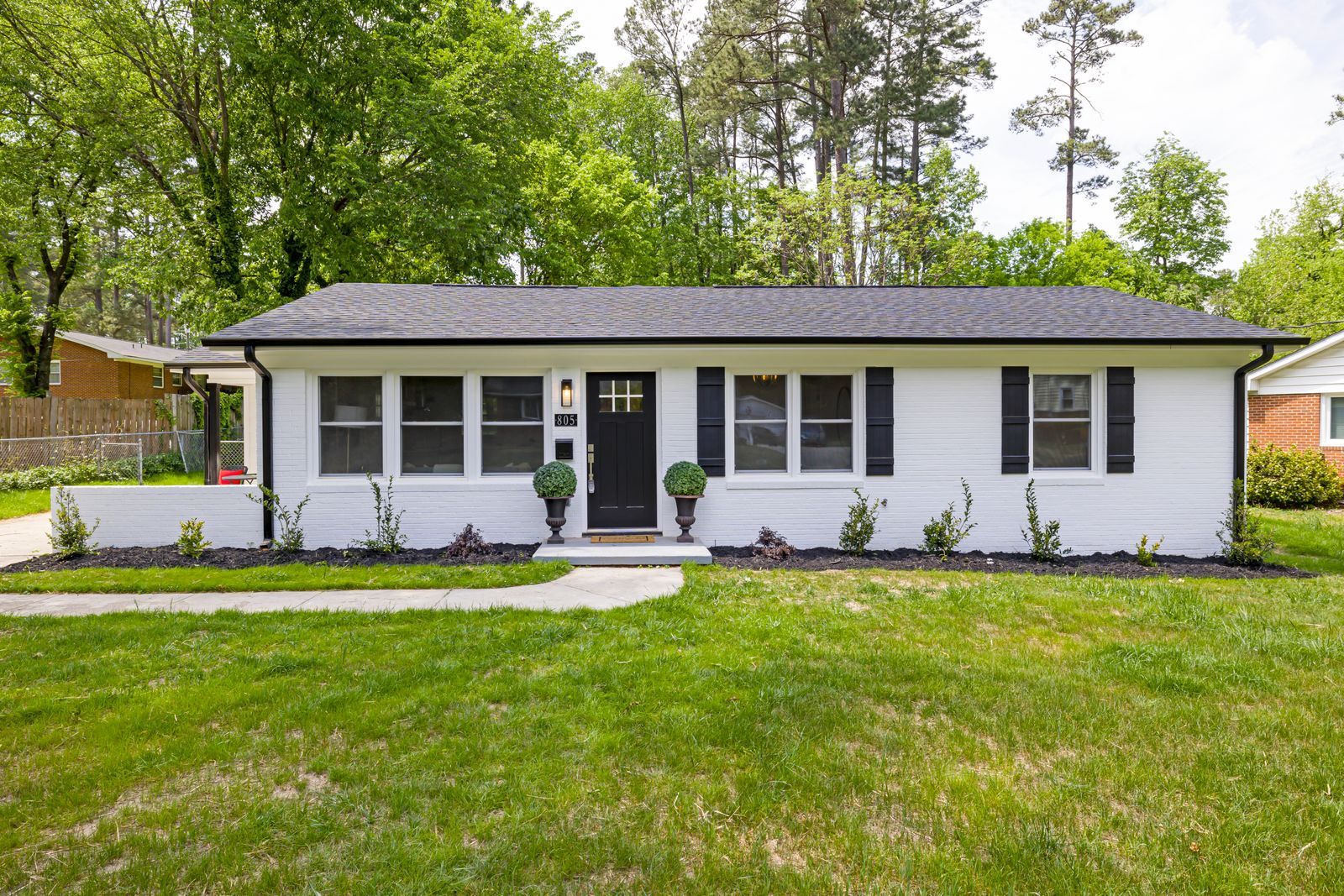
Raising in place: the quieter rural bargain
It is worth ending the tactics where many rural projects should begin: with the lift that goes nowhere. Raising a house in place — to replace a failing foundation, to gain flood clearance, to add a basement where none existed — avoids the route entirely, and with it the permits, escorts, utility lifts, and mobilization miles that dominate a transport budget. Same-lot lifts commonly run $12,000 to $35,000, a fraction of a full relocation, and the provider pool quietly widens: foundation contractors with unified jacking systems do this work in regions no hauling firm serves. For a farmhouse whose problem is underneath it rather than around it, the in-place lift is often the difference between a project a tight budget can carry and one it cannot. Ask every mover who quotes you a transport whether the job you actually need is a lift — the honest ones will sometimes talk themselves into the smaller job, and those are the ones to hire for either.
The short version
Outside the metros, building moving is a seller's market with a buyer's loophole: the seller is scarce, but the buyer's flexibility is valuable. Join the mover's circuit instead of summoning it, prepare the site and the route until your job is the easy stop on that circuit, separate lifting from hauling when you can, and start months before you need to finish. This site lists 657 building and house moving and raising providers, which sounds like plenty until you map them — in your county, the real number may be one, and the tactics above are how you make being that mover's customer a fair bargain anyway. The house, after all, is patient. It has stood where it is for decades. Schedule like it, and the math works.
Sources
- Redfin house moving cost data, via MoversLineup — establishes structural moving at about $12–$16 per square foot, or $18,000–$24,000 for a 1,500 sq ft home, rising toward $200,000 for large or long-distance moves before permits, land, and foundation work.
- TheHowMuch house moving cost guide — establishes total project ranges of $15,000 to $200,000+, same-lot foundation lifts at $12,000–$35,000, project timelines of 3–12 months, an industry of roughly 400–500 structural moving companies moving about 5,000–8,000 houses a year, and the assessment, permit, preparation, and move phases.
- MoversLineup, structural movers guide — establishes the six-step process (survey, permits at city/county/state level, utility disconnection, lift on steel beams and hydraulic jacks, haul with escorts, set on new foundation) and the International Association of Structural Movers' directory of 300-plus members.
- HomeServe/HomeGuide cost data — establishes road permit cost ranges of roughly $400–$5,000 depending on jurisdiction.
Photo credits: house at twilight — photo by Littlehampton Bricks, https://www.pexels.com/photo/4626268/ — house exterior — photo by Curtis Adams, https://www.pexels.com/photo/10628458/
More guides
- How to Hire a Moving Company That Won't Hold Your Furniture HostageMovers › Moving & Storage
- How Much Do Movers Cost? Local vs. Long-Distance Pricing ExplainedMovers › Moving & Storage
- Binding vs. Non-Binding Estimates: The Difference That Decides Your Final BillMovers › Moving & Storage
- Moving Insurance and Valuation: What 'Full Value Protection' Really CoversMovers › Moving & Storage
- Long-Distance Moving: A Start-to-Finish Guide for Household GoodsMovers › Household Goods Moving & Storage
- All Guides & ArticlesBrowse the full guides library