Movers › Car Storage
Car Storage at Three Budgets: What Budget, Mid-Range and Premium Really Buy
A car in storage is a monthly bill attached to an asset that is quietly deteriorating, and the three budget levels for storing one are really three different answers to the same question: how much of that deterioration are you paying someone to prevent? Most people pay around $105 a month for vehicle storage in the United States, but the range runs from $17 to $750 and beyond — and unlike most price spreads, this one is honest. Each step up buys identifiable things. The trick, especially on a tight budget, is knowing which of those things your car actually needs for the time it will sit, and which are expensive comforts for a car that will never miss them.
Budget: a legal, gated place to park — $17 to $100 a month
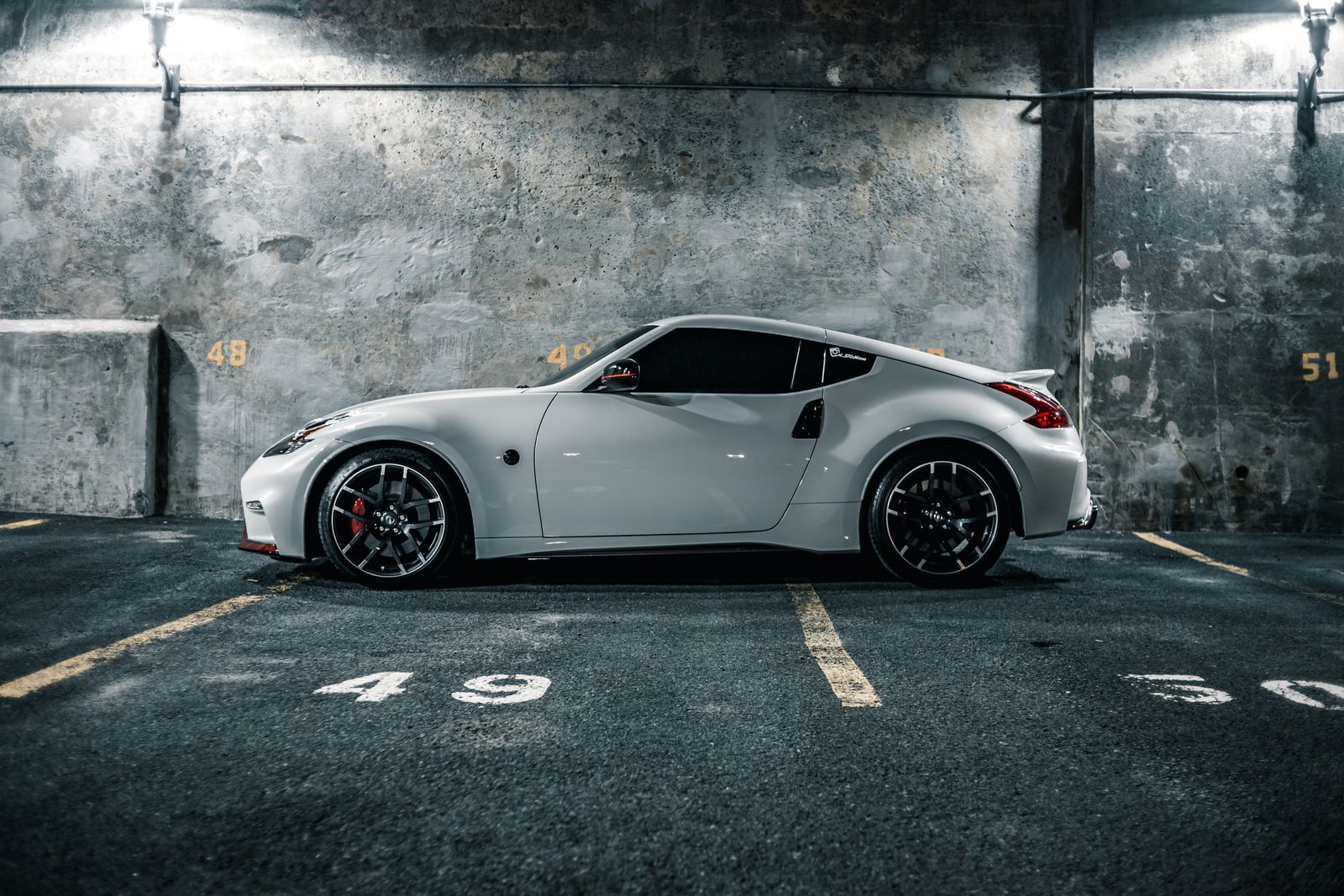
Budget car storage is an outdoor, uncovered space, typically in a fenced or gated lot with cameras and keypad access. Listings data puts it at $17–$100 a month; in cheaper markets basic outdoor parking commonly runs $50–$150. What you are buying is exactly three things: the legal right to leave the car somewhere other than a street or a landlord's lot, a perimeter between the car and casual theft or vandalism, and time.
What you are not buying is protection from the elements. The car weathers exactly as it would in a driveway — sun on the paint and interior, rain, dust, temperature swings — because it is, functionally, a driveway with a fence. For a sound, ordinary car stored for a few weeks or a couple of months in a mild season, that is a rational purchase: cars are built to live outdoors, and short storage outdoors with good preparation harms nothing.
The budget tier's real costs are the ones you supply yourself, in preparation labour. A weatherproof cover (never a tarp, which traps moisture and abrades paint), a full tank with fuel stabiliser if the car will sit beyond 30 days, fresh oil, tyres inflated — some guides suggest an extra 10 psi against flat spots — the parking brake left off so pads cannot fuse to rotors, and the battery disconnected or on a tender if there is anywhere to plug one in. Budget storage plus an afternoon of preparation beats mid-range storage with none, every time.
Where budget backfires: long storage. Beyond a season, outdoor exposure compounds — seals dry, moisture works, rodents move in — and the saving against indoor rent can be consumed by one recommissioning bill. And check the insurance angle before you congratulate yourself: dropping to comprehensive-only “parked car” cover runs roughly $12–$30 a month and is the legitimate way to save here, but cancelling cover outright can breach a loan agreement and leave theft and fire uninsured in a lot you chose partly for its fence.
Mid-range: a roof, then walls — $50 to $300 a month
The mid-range is two products wearing one label. Covered parking — a carport-style roof with open sides — runs $50–$200 a month and buys the single most valuable protection per dollar in car storage: it keeps direct sun, rain, hail and snow off the car while leaving airflow that dries it. For many cars in many climates, covered is the sweet spot of the whole market, at roughly half the cost of climate-controlled indoor space.
Enclosed indoor storage — a 10×20 unit fits most sedans and SUVs, a 10×15 compacts — runs $150–$270 a month in facility pricing, though unit-rental data puts a typical 10×20 nearer $119 on national average, with urban units at $180–$380 and suburban or rural ones at $80–$200. What the walls buy beyond the roof: security (your own locked door rather than a shared lot), dust and pest reduction, darkness for the interior, and privacy to work on the car or keep gear with it. What plain indoor does not buy is climate stability — an uninsulated metal unit in a hot state can bake hotter than the shaded lot outside it, which is why “indoor” is not automatically kinder than “covered” for a summer in Phoenix.
Mid-range is where access lives, too. Self-serve units and lots let you come and go on gate hours, start the car, swap it, take it for the monthly drive that is the cheapest maintenance there is. For a car stored between homes, through a deployment or a work assignment, or while a house sale completes, this tier's combination — real weather protection, your own access, a bill near $100–$200 — is what most people actually need, and the data agrees: it is where the average $105-a-month customer lands.
Premium: a managed environment and a service — $200 to $750+ a month
Premium starts with climate control: an add-on of roughly $25–$50 a month on a standard indoor unit in listings data, or $200–$450 all-in for dedicated climate-controlled space in pricier markets. Stable temperature and, more importantly, managed humidity protect the things that are expensive to restore — paint, leather, wood, rubber seals, electronics — which is why the classic and collector world pays it without blinking and why a ten-year-old commuter gains almost nothing from it.
Above that sits the specialty facility: $300–$750 or more a month for luxury, classic and exotic storage, with collector spots in New York and Los Angeles reported as high as $750. What the extra money buys is no longer space at all. It is care: battery support as standard, weekly or monthly visual checkups, tyre and fluid attention, detailing, in-and-out concierge handling, 24/7 surveillance and access, and staff who notice a leak or a soft tyre before it becomes damage. One Florida membership facility starts at $750 a month and bundles climate-controlled, dust-free storage with weekly visual checkups, battery support and concierge coordination — a fair emblem of the tier: you are subscribing to a service that happens to include parking.
Premium is rational for exactly two customers: the owner of a car whose value is high and condition-sensitive, for whom one mildewed interior or dead battery-and-flat-spotted-tyres recommissioning would cost more than a year of fees; and the owner who cannot visit at all — overseas, deployed, in care — for whom the checkups are the product. For everyone else it is a lovely service priced like one.
| What you get | Budget | Mid-range | Premium |
|---|---|---|---|
| Typical monthly cost | $17–$100 (outdoor) | $50–$200 covered; $150–$270 indoor | $200–$450 climate-controlled; $300–$750+ specialty |
| Weather protection | None — a fenced space | Roof, or full walls and a door | Managed temperature and humidity |
| Security | Perimeter fence, gate, cameras | Your own locked unit or gated covered bay | Staffed, surveilled, alarmed facilities |
| Car care included | None | None — but full self-access | Battery support, checkups, detailing, concierge |
| Access | Gate hours | Gate hours, self-serve | 24/7 or by arrangement, handled for you |
| Best for | Sound cars, short storage, mild seasons | Months of storage, cars you will visit | Collectors, high value, owners who cannot visit |
Matching the tier to the car and the calendar
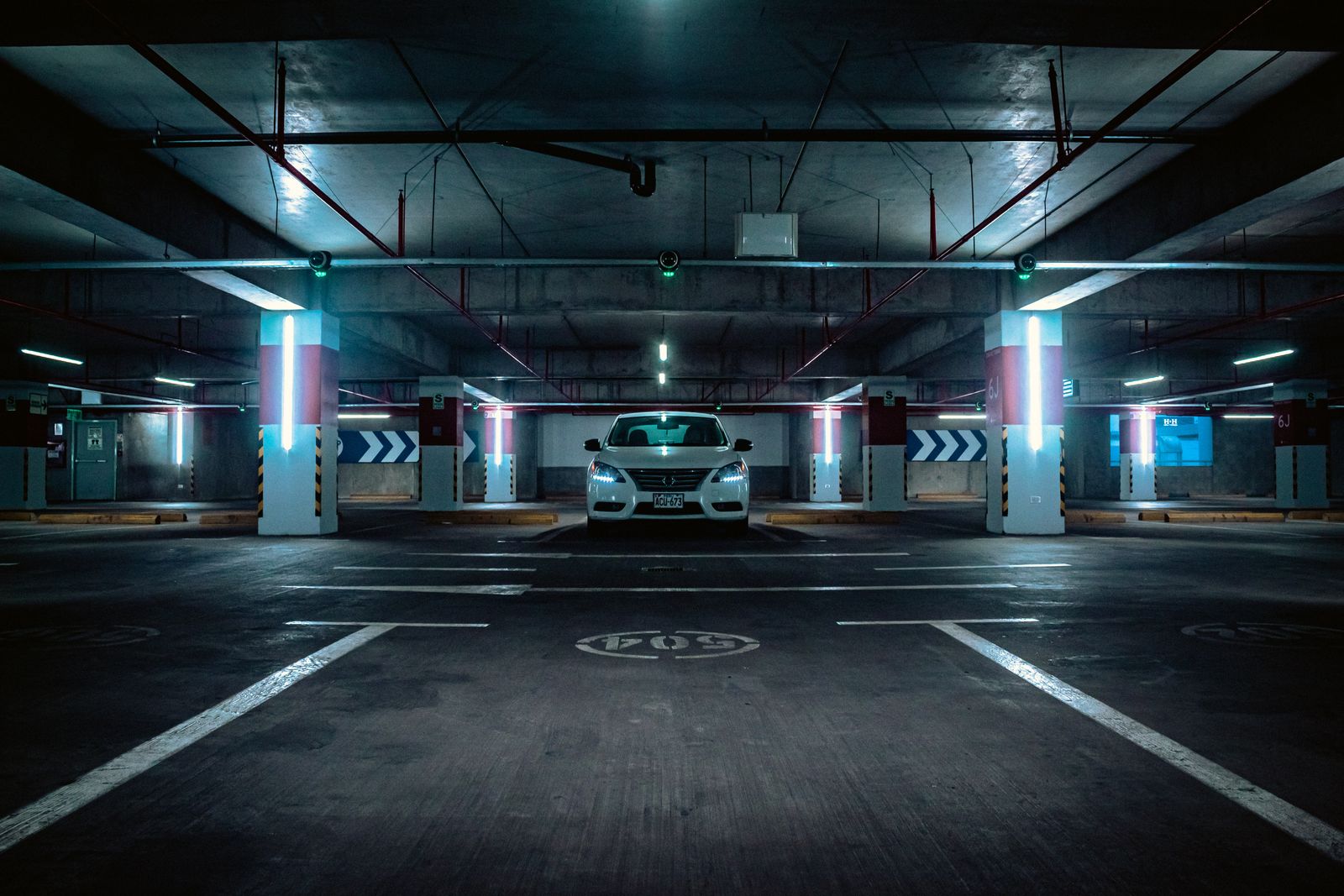
Decide on two axes: how long, and what the car is worth in condition, not just in money. Under about 45 days, preparation matters more than premises — a clean, covered, stabilised car on a budget lot will come back exactly as it left. Beyond 45 days, guidance converges on indoor storage in a cool, dry, dark place, and your own preparation list lengthens: oil change, full stabilised tank, battery tender or disconnect, parking brake off and wheels chocked, openings blocked against rodents, wipers lifted, and a list made of everything you did, so you can undo it in the right order.
Then let duration arbitrate the budget. Storage is usually month-to-month with no proration — you pay for whole months even for three weeks — so the cheapest facility that meets the car's needs for the actual number of months beats a prestige address for a stay that quietly doubles. The most common waste in car storage is not the premium tier; it is any tier, renewed six times past the plan, storing a car nobody has decided about. Set the decision date when you park it: sell, ship, retrieve or re-store, chosen in advance. On a tight budget, that date is worth more than the difference between any two rows in the table above.
This site lists 458 car storage listings, spanning lots, units and dedicated facilities. Shop by the car's needs and the calendar, prepare it properly at whatever tier you choose, and keep the comprehensive insurance in force — and the bill, at any of the three budgets, will have bought what it was supposed to.
Sources
- Storage.com, “How Much Does Vehicle Storage Cost?” — most people pay around $105 a month; outdoor at $17–$100, covered at $50–$200, indoor at $150–$270; a 10×20 unit averaging about $119; comprehensive-only parked-car insurance at $12–$30 a month.
- Neighbor, “How Much Is a Storage Unit for a Car? A 2026 Pricing Guide” — facility pricing by type, climate control adding $25–$150, unit-size pricing for urban and suburban/rural markets, and month-to-month terms with no proration.
- Palm Car Reserve, “How Much Does Car Storage Cost and What Affects Pricing?” — specialty luxury and collector storage at $300–$750+ with climate management, security, battery support, inspections and concierge services, and a membership example starting at $750 a month.
- Driven Life via NapGarage, “Cost of Car Storage: What You'll Pay by Type and City” — collector-car spots up to $750 a month in New York and Los Angeles, and climate control adding about $25–$50 on an indoor unit.
- Edmunds, “How to Prep Your Car for Long-Term Storage” — full tank and fuel stabiliser beyond 30 days, oil change, battery tender or disconnect, leaving the parking brake off, and preventing tyre flat spots.
- State Farm, “Preparing for Long Term Car Storage” — storage preparation checklist and adjusting to comprehensive-only cover while a car is stored, restoring full cover before driving again.
- AAA, “Tips for Parking and Storing Your Car for Extended Periods” — indoor storage for periods beyond 45 days, extra tyre pressure against flat spots, and keeping a list of preparation steps to reverse.
Photos: - White sports car in a garage — photo by Erik Mclean, https://www.pexels.com/photo/4732652/ - Sedan in an underground garage — photo by Joaquin Delgado, https://www.pexels.com/photo/16304132/
More guides
- How to Hire a Moving Company That Won't Hold Your Furniture HostageMovers › Moving & Storage
- How Much Do Movers Cost? Local vs. Long-Distance Pricing ExplainedMovers › Moving & Storage
- Binding vs. Non-Binding Estimates: The Difference That Decides Your Final BillMovers › Moving & Storage
- Moving Insurance and Valuation: What 'Full Value Protection' Really CoversMovers › Moving & Storage
- Long-Distance Moving: A Start-to-Finish Guide for Household GoodsMovers › Household Goods Moving & Storage
- All Guides & ArticlesBrowse the full guides library