Movers › Car Storage
Car Storage for Beginners: The Mistakes First-Timers Make, and How to Dodge Them
Most first-time car storage customers are not collectors. They are people between leases, between postings, between houses — renters whose new place has one parking space and whose old car has nowhere obvious to go for two, four, or eight months. I have arranged storage for relocating employees for years, and the pattern never changes: the car goes in as an afterthought, on a Friday, with a quarter tank and a trunk full of things nobody inventoried. It comes out with a dead battery, four soft tires, and a smell.
Every beginner mistake in car storage is cheap to prevent and annoying to fix. Here they are, in the order they happen.
Mistake one: buying the wrong tier of storage
Car storage is sold in four tiers, and beginners routinely buy one tier too much or too little. Outdoor uncovered parking — a space in a fenced lot — runs roughly $30 to $100 a month and is fine for a sound daily driver stored for a few weeks or a couple of months. Outdoor covered, a carport canopy, runs about $50 to $200 and keeps sun and rain off while leaving the car in outdoor air. Indoor enclosed — your own unit or bay with a door — runs about $150 to $270. Climate-controlled indoor adds a premium of roughly $25 to $50 or more on top of indoor rates and is the tier for classics, exotics, and genuinely long, unattended storage.
The beginner error in both directions is matching the tier to the car's value in your heart rather than to the storage's length and conditions. A six-year-old crossover stored for ten weeks between leases does not need climate control; it needs a covered space, a battery plan, and a tank of stabilized fuel. A car stored for a year, untouched, in a humid or freezing climate needs the opposite decision. Price the duration first, the sentiment second. Storage.com's national data put the average vehicle storage payment around $105 a month, with a 10x20 space — the size that takes a standard car — averaging about $119. If your quote is far above that for ordinary outdoor or covered space, shop the next facility. This site lists 458 car storage listings, and vehicle storage is one of the most competitive categories in the business.
Mistake two: storing the car dirty, inside and out
Dirt is not cosmetic in storage; it is chemistry with time on its side. Bird droppings and tree sap etch clear coat within weeks. Road film holds moisture against paint. Inside, a forgotten gym bag, a child's cracker cache under a seat, or a damp floor mat becomes mold and an engraved invitation to rodents. The fix costs an hour: wash and dry the exterior completely, wax it if the storage runs past a season, vacuum the interior, and remove every trace of food and organic material. Then add the rodent defenses the storage guides all recommend — steel wool in the exhaust tip (flagged visibly, so you remove it before starting), deterrents under the hood and in the cabin — because a wiring harness chewed over a winter costs more than the storage did.
Mistake three: parking it with old oil and an empty tank
Beginners drain or ignore the fuel system. Both are wrong. Modern ethanol-blended gasoline begins to degrade and absorb moisture in as little as 30 days, and an empty or low tank invites condensation on its walls. The correct routine is the opposite of the lawnmower rule: fill the tank to about ninety percent, add fuel stabilizer, and drive ten to fifteen minutes so treated fuel circulates through the lines and injectors. Change the oil before storage, not after — used oil carries combustion byproducts that sit against engine internals for the whole storage period, while fresh oil leaves a protective film. Top off coolant and other fluids at the same visit. Total cost: one oil change and a bottle of stabilizer. Total saving: the fuel-system cleaning and the arguments with yourself when the car will not start in front of its new home.
Mistake four: forgetting the battery and the tires
A connected battery self-discharges in weeks and can be permanently damaged by sitting discharged; a battery tender that maintains charge costs $25 to $60 and pays for itself the first time it saves a replacement. If your space has no outlet — ask before you rent, because beginners never do — disconnect the negative terminal, accepting that clocks, presets, and some security systems will need resetting later. Tires lose one to two PSI a month and develop flat spots standing still: inflate to the high end of the recommended range before storage, and for storage beyond a few months, plan a visit to roll the car a few feet, or accept a short period of vibration when it first drives again. And leave the parking brake off — an engaged brake can seize against the rotors over a long stand. Use wheel chocks instead.
Mistake five: cancelling the insurance
This is the expensive one, and it happens because the logic feels sound: the car is not being driven, so why insure it? Three reasons. First, most facilities require current registration and active insurance as a condition of storing a vehicle at all — letting coverage lapse can breach your rental agreement. Second, the risks in storage are precisely the ones comprehensive coverage pays for: theft, fire, flood, hail, vandalism, a roof or branch coming down. Third, state law: most states require insurance on registered vehicles, and dropping liability without handling the registration properly can cost more in penalties and reinstatement than the premium saved.
The smart version of the saving is real, though. For a car parked 30 days or more and driven by nobody, insurers will typically strip the policy to comprehensive-only — "storage coverage" — at roughly $12 to $30 a month against a full-coverage average near $187. Two cautions: a comprehensive-only car is not legal to drive, not even the mile home, so switch coverage after the car is parked and restore it before you collect it; and if a lender or lease company has a claim on the car, call them before changing anything, because your finance agreement may require full coverage regardless. Renters between leases should note the mirror-image point too: when you restore full coverage is when your new address changes your rate — tell the insurer where the car will actually live.
| Beginner mistake | What it costs if it bites | The cheap dodge |
|---|---|---|
| Wrong storage tier | $50–$200/month overspent, or weather damage | Match tier to duration and climate, not sentiment |
| Storing it dirty | Paint etching, mold, rodent damage | Wash, wax, vacuum, remove all food |
| Old oil, low fuel | Fuel-system cleaning, corrosion | Fresh oil, 90% tank, stabilizer, 10-minute drive |
| Battery and tires ignored | Battery replacement, flat spots, seized brake | Tender or disconnect; inflate high; brake off, chocks on |
| Insurance cancelled | Agreement breach, state penalties, uninsured loss | Comprehensive-only storage coverage, about $12–$30/month |
| No access plan | Lien timeline running while you're away | Autopay, current contact details, a named local contact |
One beginner habit deserves a final mention because it undoes several of the others: storing things in the car. A stored vehicle looks like free, lockable space, and renters between leases are exactly the people tempted to fill a trunk with the overflow that did not fit the storage unit. Resist it. Facilities commonly prohibit storing anything in a vehicle beyond the vehicle itself, and for good reasons that become yours: extra weight sits on tires you are trying to protect, boxes in a cabin advertise contents to anyone who looks through the glass, perishables and chemicals become the mold and fire risks you just cleaned the car to avoid, and if the worst happens — a claim, an inspection, a forced move of the vehicle — everything in the car is undocumented and in the way. Rent the small extra unit, or give the overflow away. A car in storage should contain a chock, a flagged plug in its exhaust, and nothing else it did not leave the factory with.

Mistake six: no plan for being away
Storage agreements assume a reachable, paying customer. Beginners between leases are neither: the mail goes to the old address, the card on file expires during the move, and the facility's notices go unread while late fees accrue toward the lien process every state provides. Set autopay before you leave, give the facility the email and phone you will actually monitor, and leave a named local contact — a friend, a colleague — authorized to access the space if the facility needs the car moved. If a relocation is paying, this is the part corporate coordinators formalize: who can act, who pays, and what happens if the assignment extends. Imitate that, on one page, even for a private move.
Do these six things and car storage becomes what it should be for a renter between homes: a boring, monthly line item, and a car that starts on the first turn when the new lease begins. Skip them, and storage becomes a second move's worth of problems, waiting patiently in a locked space, accruing rent. The difference is about two hours of preparation. Spend them.
Sources
- Storage Atlas, vehicle storage guide — establishes the four storage tiers and typical costs, and the preparation steps for fuel, oil, tires, battery, and rodent deterrence.
- Corvane Systems, how to store a vehicle at a storage facility — establishes facility requirements for registration and insurance, and preparation guidance.
- Nexus Auto Transport, how to store a car long term — establishes ethanol fuel degradation from about 30 days, stabilizer use, and fresh-oil guidance.
- Storage.com, vehicle storage cost guide — establishes national vehicle storage averages, size pricing, and comprehensive-only insurance costs.
-
InsureMojo, car storage insurance — establishes comprehensive-only storage coverage pricing and state registration cautions.
-
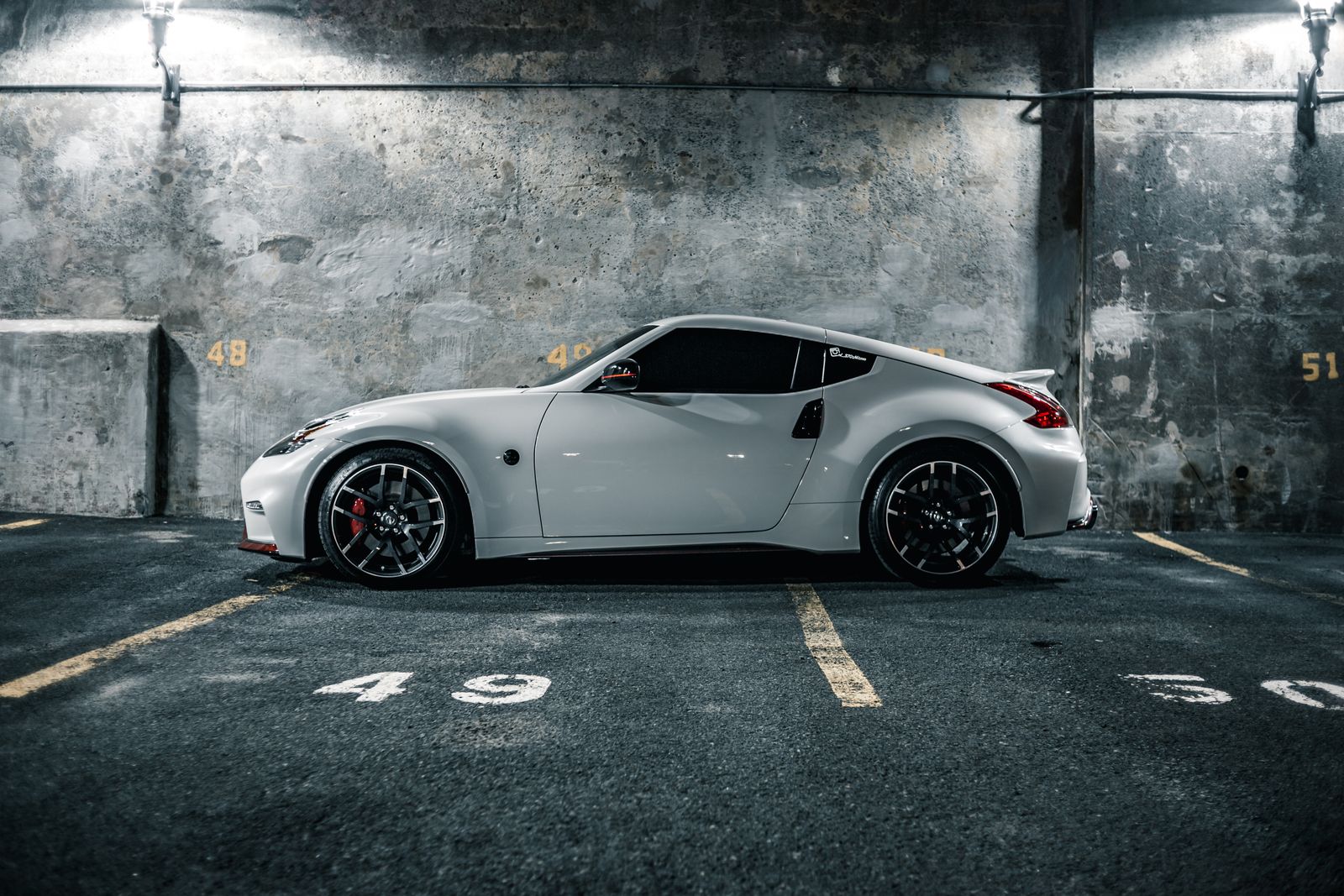
Sports car in garage — photo by Erik Mclean, https://www.pexels.com/photo/4732652/
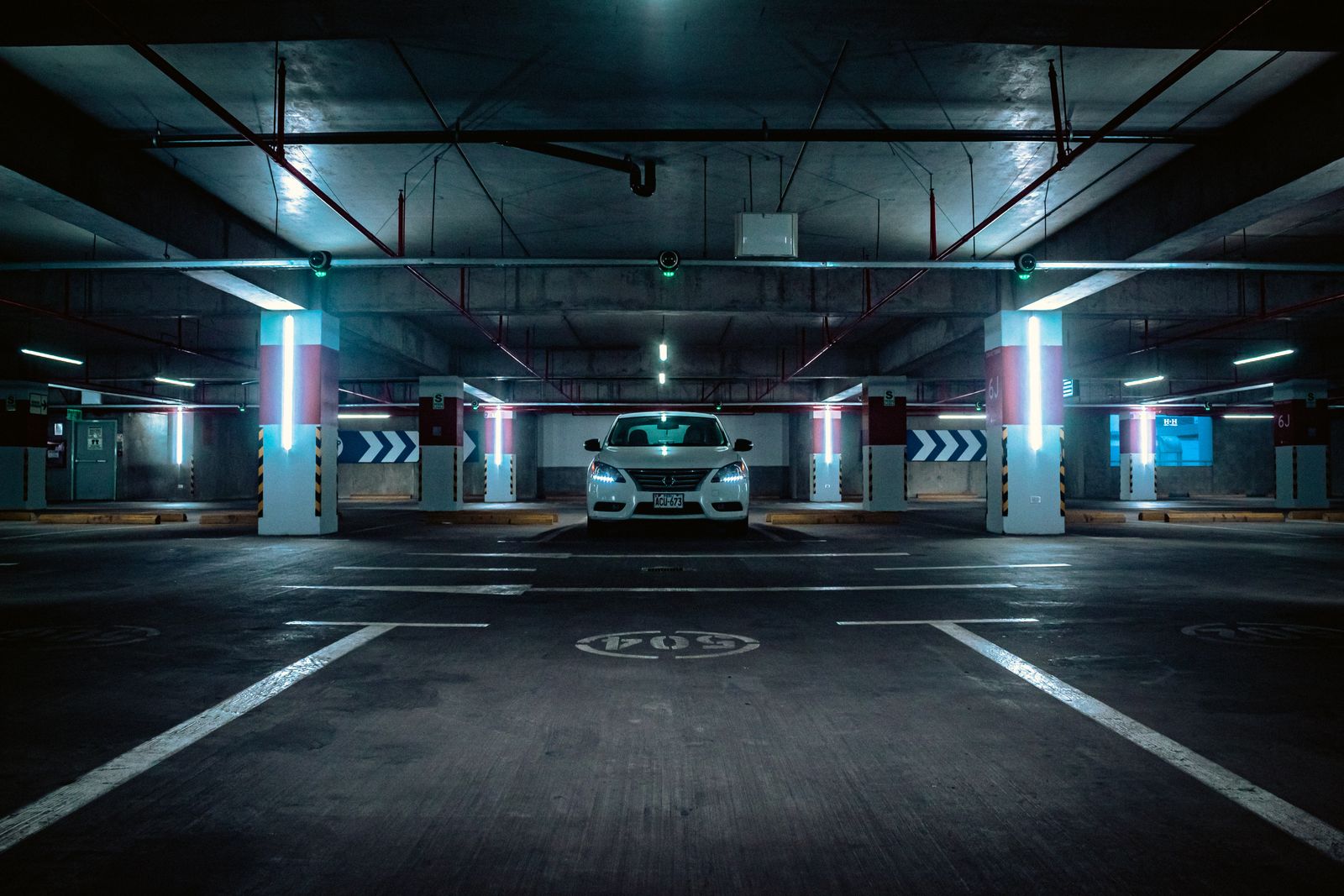
- Sedan in underground garage — photo by Joaquin Delgado, https://www.pexels.com/photo/16304132/
- Classic cars in a row — photo by Jose Mueses, https://www.pexels.com/photo/1280560/
More guides
- How to Hire a Moving Company That Won't Hold Your Furniture HostageMovers › Moving & Storage
- How Much Do Movers Cost? Local vs. Long-Distance Pricing ExplainedMovers › Moving & Storage
- Binding vs. Non-Binding Estimates: The Difference That Decides Your Final BillMovers › Moving & Storage
- Moving Insurance and Valuation: What 'Full Value Protection' Really CoversMovers › Moving & Storage
- Long-Distance Moving: A Start-to-Finish Guide for Household GoodsMovers › Household Goods Moving & Storage
- All Guides & ArticlesBrowse the full guides library