Movers › Car Storage
Car Storage in a Small Town or Rural Area: Fewer Choices, Different Math, Better Tactics
In a city, storing a car is a shopping problem. You open a map, count a dozen facilities inside twenty minutes, and let them compete on price. In a small town, it is a different problem entirely. There may be one self-storage yard on the highway, one farmer with a barn he rents out by word of mouth, and one towing company with a fenced lot behind the shop. This site lists 458 car storage providers — and if you live outside a metro, you already know how unevenly they are spread.
That scarcity is not all bad. Rural storage is usually cheaper, the owner often answers the phone himself, and a handshake still carries weight. But the tactics that work in a city — play three quotes against each other, walk away, wait for a promotion — mostly fail where there is nothing to walk away to. This guide is about the math that replaces them: what distance really costs, what protection you actually need, and how to negotiate when you are the only customer who called this week and the facility is the only one that answered.
What rural storage actually costs
National price surveys put most car storage around $105 a month, with a wide spread by type. Storage.com's listings data breaks it down plainly: outdoor uncovered parking runs about $17 to $100 a month, covered carport-style parking $50 to $200, and an enclosed indoor unit $150 to $270, with climate control adding roughly $25 to $50 more. A standard 10×20 unit — the size most sedans and small SUVs need — averages about $119 a month nationally.
Rural prices sit at the low end of those ranges, and sometimes below them. The same surveys show a 10×20 unit in a suburban or rural market at $80 to $200 a month against $180 to $380 in a city. Land is cheaper, and the yard knows it cannot charge city rent for a gravel lot.
Do not stop at the monthly figure, though. In a rural market the real comparison is total cost over the months you will actually store, including the drive. A unit $40 a month cheaper that is 50 miles away costs you a tank of fuel and half a day every time you need the car, check on it, or move it out. If you will visit monthly, that "saving" can evaporate in two trips. Price the distance honestly before you price the unit.
| Storage type | Typical monthly cost | What it means in a small town |
|---|---|---|
| Outdoor, uncovered | $17–$100 | Usually a fenced lot or a corner of a yard; ask who holds the gate code and whether anyone is on site |
| Covered | $50–$200 | A roof on poles; keeps sun and snow load off, not wind, dust or rodents |
| Indoor, enclosed | $150–$270 nationally, often less rurally | A drive-up unit or barn space; measure the door, not just the floor |
| Climate-controlled | Add $25–$50 | Rare outside cities; for most everyday cars, enclosed and dry beats climate-controlled and far away |
The waiting list is real, and it is seasonal
City facilities run promotions because they have empty units. Rural facilities run waiting lists because they do not. A small yard might have six car-sized spaces, and when the snowbirds leave in October or the college term ends, all six go in a fortnight.
Three patterns catch people out. First, harvest and hunting seasons, construction projects, and a single large employer starting a contract can fill a town's storage in weeks — demand is lumpy because the supply is tiny. Second, the person ahead of you on the list may have been there for months; a polite call in spring, before you need the space in autumn, is worth more than a desperate call later. Third, rural operators often hold a space on a promise in a way a city chain never would — and expect you to honour yours in return. If you put your name down, take the space when it is offered, or say clearly that you are passing. Burning that bridge in a one-facility town is expensive.
If there is a list, ask three questions: how many names are ahead of you, how often spaces actually turn over, and whether a deposit moves you from "interested" to "reserved." Those answers tell you whether to keep looking while you wait.

Where rural cars actually get stored
When the formal options run out, rural storage does not stop — it goes informal. Knowing the full menu helps you judge each option on its real risks, not its label.
The self-storage yard is the standard: a contract, a gate, a unit or a marked space. Get the agreement in writing even if the owner offers a handshake. You want the monthly rate, the notice period for increases, and what happens if you pay late, in print.
The towing or repair lot often has fenced space it rents quietly. Security can be excellent — someone is there all day — but ask about access hours and whether your car will be moved around the lot as the business needs room. A car that gets shuffled weekly collects dings.
A barn, shed or garage on private land can be the best protection per dollar in the county, and the least documented. If you go this route, write down the basics yourselves on one page: amount, dates, access, who carries insurance if the building burns or leaks, and how much notice either side gives to end it. Photograph the car and the building on the day you leave it. Informal does not have to mean vague.
A neighbour's spare garage is the same arrangement at smaller scale, with the added rule that money handled cleanly protects friendships. Pay on time, in a way that leaves a record, and agree in advance how often you can come and go.
Storing it at home, differently. If the car is staying on your own land, a covered space you build or buy once can beat renting for a storage period measured in years. Run the comparison: twelve months of rent against the one-off cost, and be honest about how long "temporary" is likely to last.
Protection, honestly assessed
Rural risks are not city risks. Theft from a watched rural lot is uncommon; the enemies are weather, rodents, damp and neglect.
- Rodents do more damage to stored rural cars than thieves do. Mice nest in engine bays and chew wiring. Ask whether the facility does anything about pest control, seal obvious entry points on the car, and visit often enough to spot droppings early.
- Damp in an unheated barn can be worse than outdoor air that moves. A car under a leaking roof in a closed building moulds. Check the roof, not just the walls, and look at the floor for tide marks after rain.
- Sun and storm are the outdoor lot's costs: paint fade, cracked dashboards, hail. A covered space answers most of it for a modest premium, which is why covered parking is often the rural sweet spot.
- Your own neglect finishes the list. A stored car still needs its battery tended or disconnected, tyres kept at pressure, fluids checked, and insurance kept in force. Most facilities require the vehicle to be registered and insured, and your own policy may treat a car in long-term storage differently — tell your insurer where it is.
Climate control, the feature city advertising pushes hardest, matters least for an ordinary car stored for a season or two. Enclosed, dry, secure and visited regularly beats climate-controlled, distant and forgotten.
Negotiating when there is only one facility
You have no competing quote, so do not bluff one. Rural negotiation works on different levers:
Length for price. A facility with a waiting list does not need your month-to-month custom. Offering to prepay three or six months — if you are sure of the term — gives the owner certainty and is the most common route to a better rate or to the top of the list.
Flexibility for access. If you can accept limited access hours, or a space at the back of the lot that is awkward for others, say so. The space nobody else wants is the one with room in its price.
Timing. Asking in the quiet season, and being ready to start paying immediately, beats asking at peak with a start date next month.
Being easy. One car, insured, paid by automatic transfer, no stored fuel or clutter around it. In a small operation, a low-hassle tenant is a product feature, and owners price for it informally — they renew you first and raise you last.
What not to do: threaten to drive to the city facility an hour away unless you genuinely will. The owner knows the distance as well as you do.
The paperwork that still matters
Scarcity tempts people to skip the contract. Resist that in proportion to how long and how far the storage is. You need, at minimum: the parties' names, the space, the rate and when it can change, the term and notice to leave, late-payment consequences, insurance responsibility, and access terms. State self-storage laws give facility owners a lien over stored property for unpaid rent in most states, with a legal process for selling it — a car is not exempt because it is registered to you. Knowing the late-payment timeline in your agreement is not pessimism; it is how you make sure a missed payment on a stored car never becomes a lost car.
Take dated photographs of all four sides, the interior, the odometer and the engine bay on drop-off day, and keep the registration and insurance documents with you, not in the glovebox.
A short plan that works
Start earlier than feels necessary — in a small market, lead time is your main advantage. Call the formal facility first and get on any list, then ask the towing company and the mechanic who else stores cars locally; in rural places the real inventory travels by referral. Price the total, including your travel, over the full term. Choose covered or enclosed over uncovered unless the car and the season say otherwise. Put the agreement in writing, however informal the setting. Then visit on a schedule, not on a whim — a stored car you check monthly comes home in the condition you left it.
Fewer choices does not mean no choice. It means the choice is made with different information: distance, season, reputation and a relationship with the person holding your keys. On a tight budget, that is often a fair trade — rural storage done carefully is some of the cheapest safe storage in the country.
Sources
- Storage.com, vehicle storage pricing — establishes typical monthly ranges by type (outdoor $17–$100, covered $50–$200, indoor $150–$270), the roughly $105 average most people pay, and average 10×20 pricing.
- Neighbor, car storage cost guide — establishes urban versus suburban and rural pricing by unit size, and the added cost of climate control.
-
Federal Motor Carrier Safety Administration, Protect Your Move — establishes consumer guidance on choosing providers and checking registration for interstate moves.
-
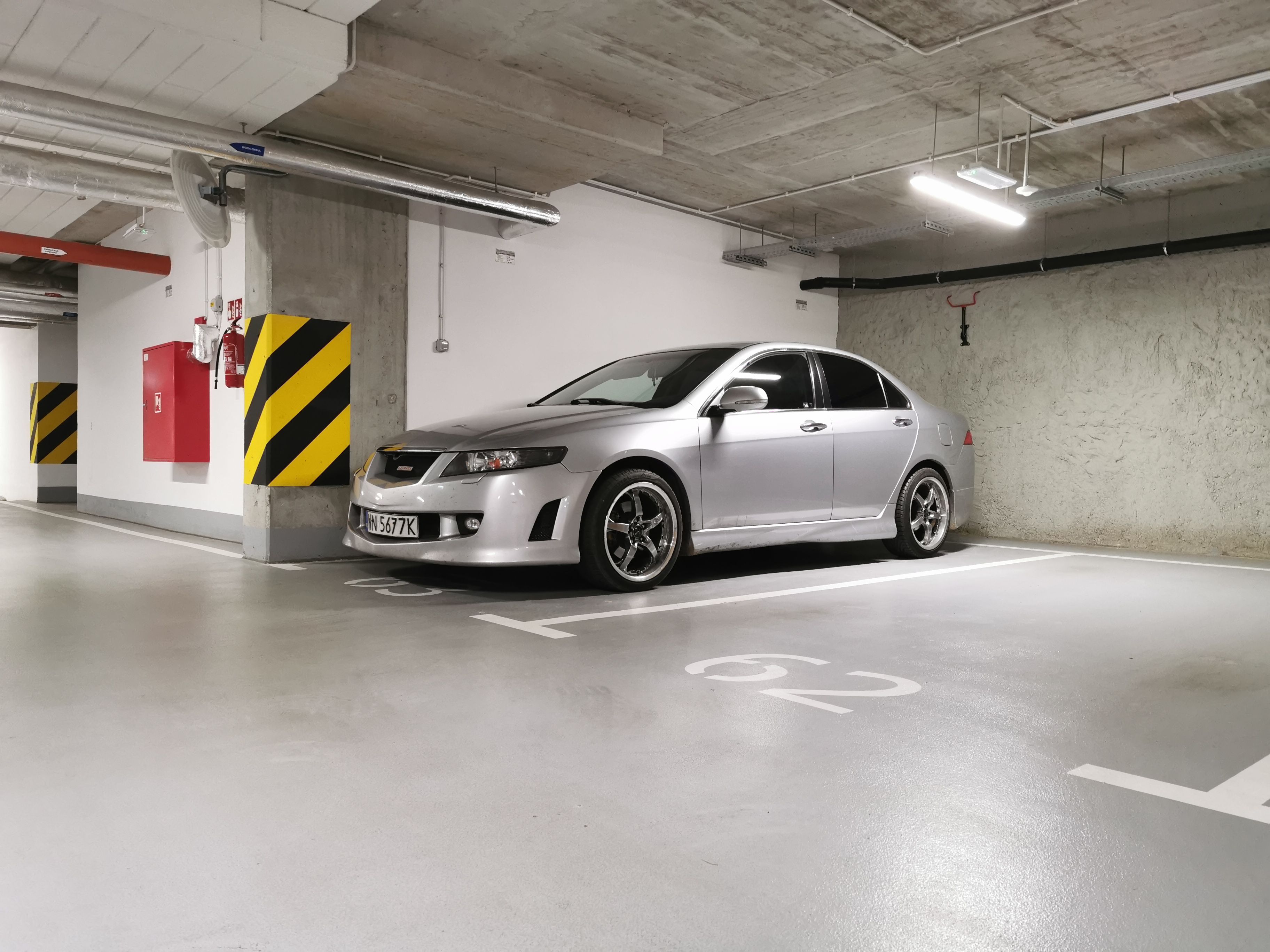
Car in a garage — photo by Nessip, https://www.pexels.com/photo/car-parked-in-garage-5359816/
- Small-town street — photo by Daniel Ellis, https://www.pexels.com/photo/moving-cars-on-the-street-of-a-small-town-12278545/
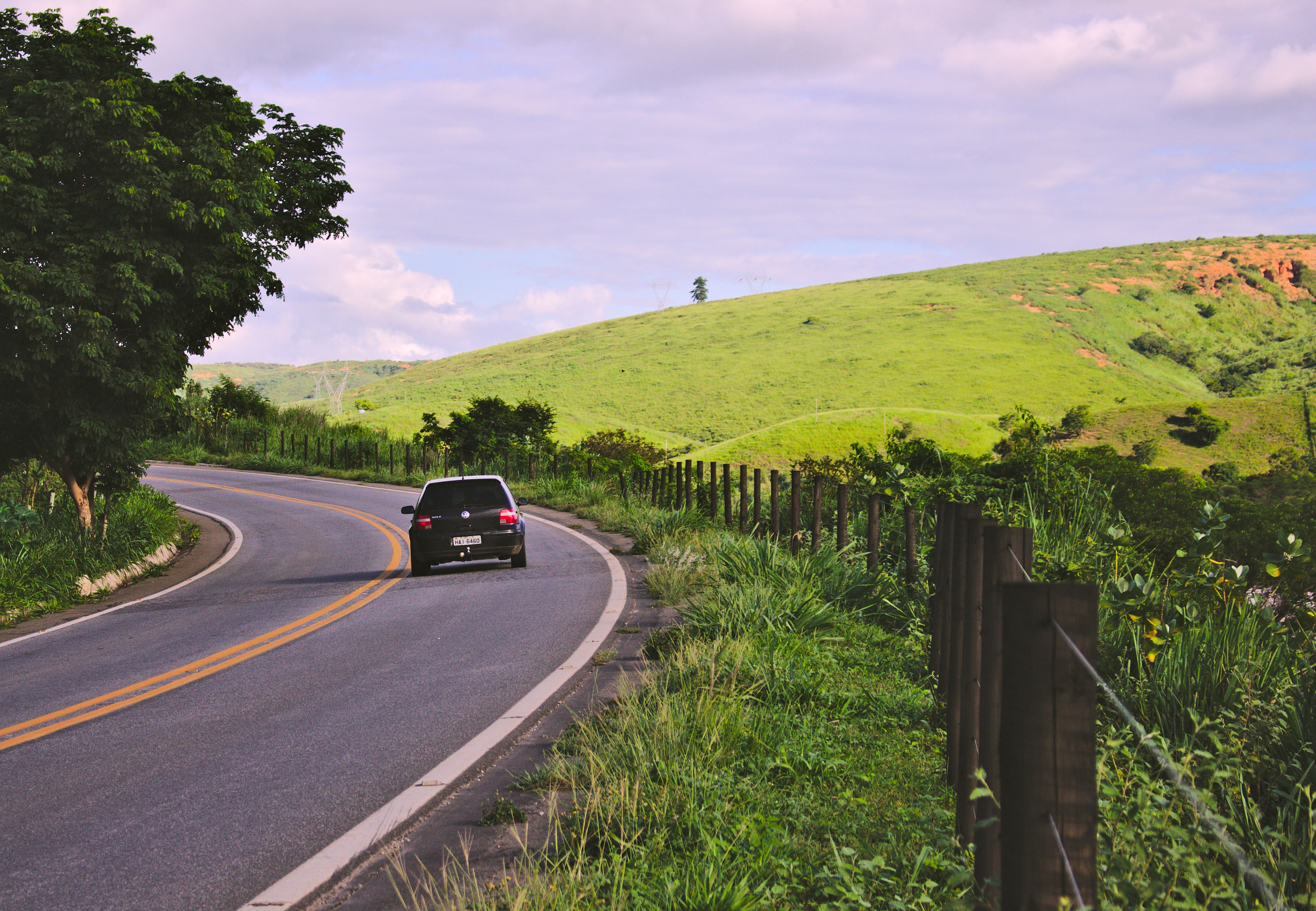
- Car on a rural road — photo by Maurício Eugênio, https://www.pexels.com/photo/black-vehicle-on-road-near-green-leaf-plants-1128527/
More guides
- How to Hire a Moving Company That Won't Hold Your Furniture HostageMovers › Moving & Storage
- How Much Do Movers Cost? Local vs. Long-Distance Pricing ExplainedMovers › Moving & Storage
- Binding vs. Non-Binding Estimates: The Difference That Decides Your Final BillMovers › Moving & Storage
- Moving Insurance and Valuation: What 'Full Value Protection' Really CoversMovers › Moving & Storage
- Long-Distance Moving: A Start-to-Finish Guide for Household GoodsMovers › Household Goods Moving & Storage
- All Guides & ArticlesBrowse the full guides library