Movers › Car Storage
Car Storage Prices Across the Country: Why the Same Job Costs Twice as Much Two States Away
Store a car in Memphis and you can find a space starting at $16 a month. Store the same car in Irvine, California, and the cheapest comparable listing starts at $172 — more than ten times as much, before you have upgraded a single thing. Miami's range runs up to $571 a month. Houston's starts at $22. These are not collector-car palaces versus gravel lots compared unfairly; they are published minimum-to-maximum ranges from the same national storage company, for the same basic product: a place to leave a car.
If you are moving on a tight budget, that spread is either a trap or an opportunity, depending on whether you understand what is driving it. Car storage is one of the most honestly local prices in the whole moving business — it is mostly land, labor, and demand wearing a monthly invoice — and once you can read those three forces, you can tell whether your local quote is fair, whether a cheaper town along your route is worth the drive, and where the real savings hide. This guide is that reading lesson, with the numbers attached.
The national picture, in one table
Start with the shape of the market. Across published national pricing guides, most people pay somewhere around $105 to $200 a month to store a car, and the type of space matters more than any other single choice:
| Storage type | Typical monthly range | What you actually get |
|---|---|---|
| Outdoor, uncovered | $17–$100 | A space in a fenced or gated lot; your car weathers whatever the sky does |
| Covered, carport-style | $50–$200 | A roof overhead, open sides; sun and rain largely solved, dust and cold not |
| Indoor, enclosed | $150–$270 | Four walls and a door, usually a standard storage unit a car fits into |
| Climate-controlled indoor | Add roughly $25–$150 | Stable temperature and humidity on top of the indoor space |
| Staffed collector facility | $350–$500 and up | Handled access, battery care, exercise runs, condition reporting — a service, not a space |
Unit size then multiplies the geography. A 10×20 space — the standard home for a sedan or small SUV — runs roughly $180 to $380 a month in urban markets and $80 to $200 in suburban and rural ones. Read that again, because it is the whole article in one line: the same concrete box costs twice as much in the city as it does outside it, and the operator is not cheating you in either place. The box is not what you are paying for. The ground under it is.
City by city: the spread is real
Here is what one national operator's published city ranges look like, minimum to maximum across all storage types in each market:
| City | Monthly range |
|---|---|
| Memphis, TN | $16–$84 |
| Houston, TX | $22–$138 |
| Atlanta, GA | $37–$130 |
| Albuquerque, NM | $29–$135 |
| Chicago, IL | $35–$216 |
| Dallas, TX | $48–$170 |
| Washington, DC | $81–$324 |
| Orlando, FL | $90–$263 |
| Brooklyn, NY | $104–$384 |
| Miami, FL | $110–$571 |
| Los Angeles, CA | $164–$356 |
| Irvine, CA | $172–$464 |
Three patterns matter for a budget mover. First, the floor is the geography signal: where the cheapest space in town costs $16 to $40, land is plentiful and you have negotiating room; where the floor itself is $170, no amount of shopping will conjure a $60 space, because none can exist at a profit. Second, the width of the range is the upgrade signal: Miami's enormous spread means the market sells everything from a basic lot space to premium indoor product, and a budget buyer there must be ruthless about which tier they are actually being quoted. Third, notice that these ranges mix types — the minimum is almost always an outdoor space and the maximum an indoor or climate-controlled one — so a fair comparison is never city range against city range. It is your tier, in your city, against the same tier one city over.
Why the same job costs twice as much: the five drivers
1. Land, above everything. A storage operator's core asset is paved or built space near where people live. In land-cheap metros — Memphis, Houston, Albuquerque — an acre of lot costs a fraction of its Irvine or Brooklyn equivalent, and monthly prices follow land down. This is also why the cheapest legitimate storage in an expensive metro is usually at its edge: the operator has already done the drive-to-cheaper-land calculation, and is selling you the result.
2. Labor. Staffed facilities, gated lots with attendants, and any product involving handling your car — moving it, exercising it, preparing it for pickup — carry local wage costs. The same handled service costs more where the staff cost more, which is one reason premium collector storage in New York and Los Angeles is reported as high as $750 a month while similar care in cheaper markets appears near $150.
3. Construction and climate. Indoor space costs more to build where codes, seismic or hurricane standards, and construction wages are higher — and climate creates its own pricing: in the northern tier, winter demand for indoor storage spikes as motorcycles, convertibles, and summer cars all come off the road at once, pushing Chicago-style markets up through the cold months. In the desert Southwest, the premium product is shade and heat protection, and covered space carries the markup instead.
4. Insurance, licensing, and taxes. Operators carry liability and property costs that vary by state and city, and vehicle storage sits inside local licensing and tax regimes that are anything but uniform. These costs are individually small and collectively real, and they are part of why two facilities with identical lots on opposite sides of a state line can price differently with both telling the truth.
5. Demand that has nothing to do with you. Car storage demand is lumpy: military deployments, snowbird seasons in Florida and Arizona, college towns emptying and filling, cities where street parking is impossible and a stored car is a resident's second vehicle. When a local demand wave is running, the budget answer is not to argue with it — it is to store outside the wave's footprint, in the next town out, where the same operator's land costs less and the wave never arrives.
Is your local price fair? A three-quote test
Investigating price complaints, I use the same test I would give a friend, and it works on a tight budget precisely because it costs nothing but phone calls:
Get three quotes for the identical product. Same tier, same unit size, same contract length, same access hours. Half of all "my storage is a rip-off" complaints dissolve at this step, because the expensive quote was for a different product — climate control, or a larger unit, or handled access — wearing the same label.
Price the next town out. Get one quote from a facility 20 to 40 minutes further from the city center, along a route you actually travel. If the saving is under about $25 a month, it is not worth the retrieval friction. If it is $75 or more — common across the urban-to-suburban step in the unit-size figures above — the drive is the discount, and for a car you will not touch for three months, it is usually worth taking.
Ask what the price becomes. The first month is the most advertised and least representative number in storage. Ask for the total for your actual expected stay, including admin fees, required insurance or protection plans, lock and access charges, and the rate-increase policy after the introductory period. A $99 space that becomes $149 in month two and adds a mandatory protection plan can cost more over four months than the honest $129 space across town. On a tight budget, the only number that matters is the sum of every month you will actually store.
Where the savings actually are
- Drop a tier before you drop a town. Moving from indoor to covered storage typically saves more than moving the same indoor product to a cheaper zip code, and for a sound, everyday car over a single season, covered storage is a rational budget choice. Save indoor and climate control for long stays, harsh climates, and cars whose condition genuinely depends on them.
- Match the unit to the car, honestly. A compact car in a 10×15 instead of a 10×20 can cut the bill meaningfully — the published averages put a compact's indoor cost near $151 against about $206 for a mid-size vehicle's larger unit. Measure the car; do not accept the first size offered.
- Time the market if you can. In seasonal markets, signing before the winter or snowbird rush — and asking about prepay or multi-month discounts in the quiet season — buys the same space at the year's friendliest price.
- Beware the $17 headline. The very cheapest spaces are uncovered, sometimes minimally secured, and occasionally a long way from anywhere. For a car worth storing, price security and access into the comparison: a stolen or vandalized car is the most expensive storage outcome there is.

The bottom line for a budget move
The same job costs twice as much two states away because car storage is priced by the ground, the wages, and the weather of the place you store in — not by the car. That is good news for a mover on a budget: it means the price is legible. Check your tier against your city, price the next town out, total the whole stay before you sign, and the geography stops being a trap and becomes a menu. This site lists 458 car storage providers; use the shortlist to run the three-quote test in your market and the one next to it, and you will know — with numbers, not vibes — whether your local price is fair.
Sources
- Extra Space Storage, vehicle storage pricing guide — establishes city-by-city monthly ranges from $16–$84 in Memphis to $172–$464 in Irvine and $110–$571 in Miami, and average indoor and outdoor costs by vehicle size.
- Neighbor, car storage pricing guide — establishes the typical monthly ranges by storage type, from $17–$100 outdoor to $150–$270 indoor, with climate control adding $25–$150, and urban versus suburban/rural pricing for standard unit sizes.
- Driven Life / Storage.com listings data — establishes that most drivers pay around $105 a month, and that collector-car storage in major cities can reach $750 a month against roughly $150 in less expensive areas.
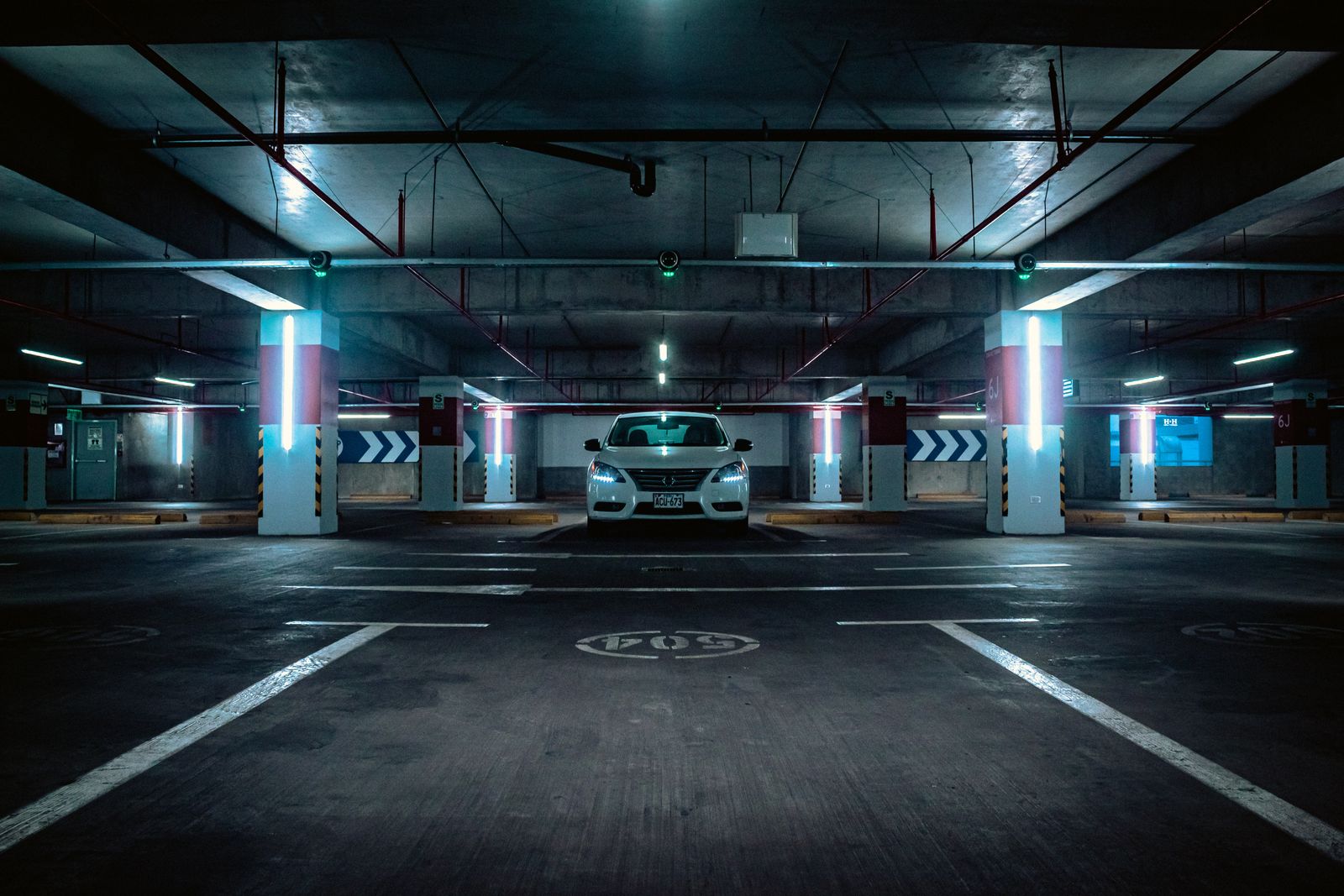
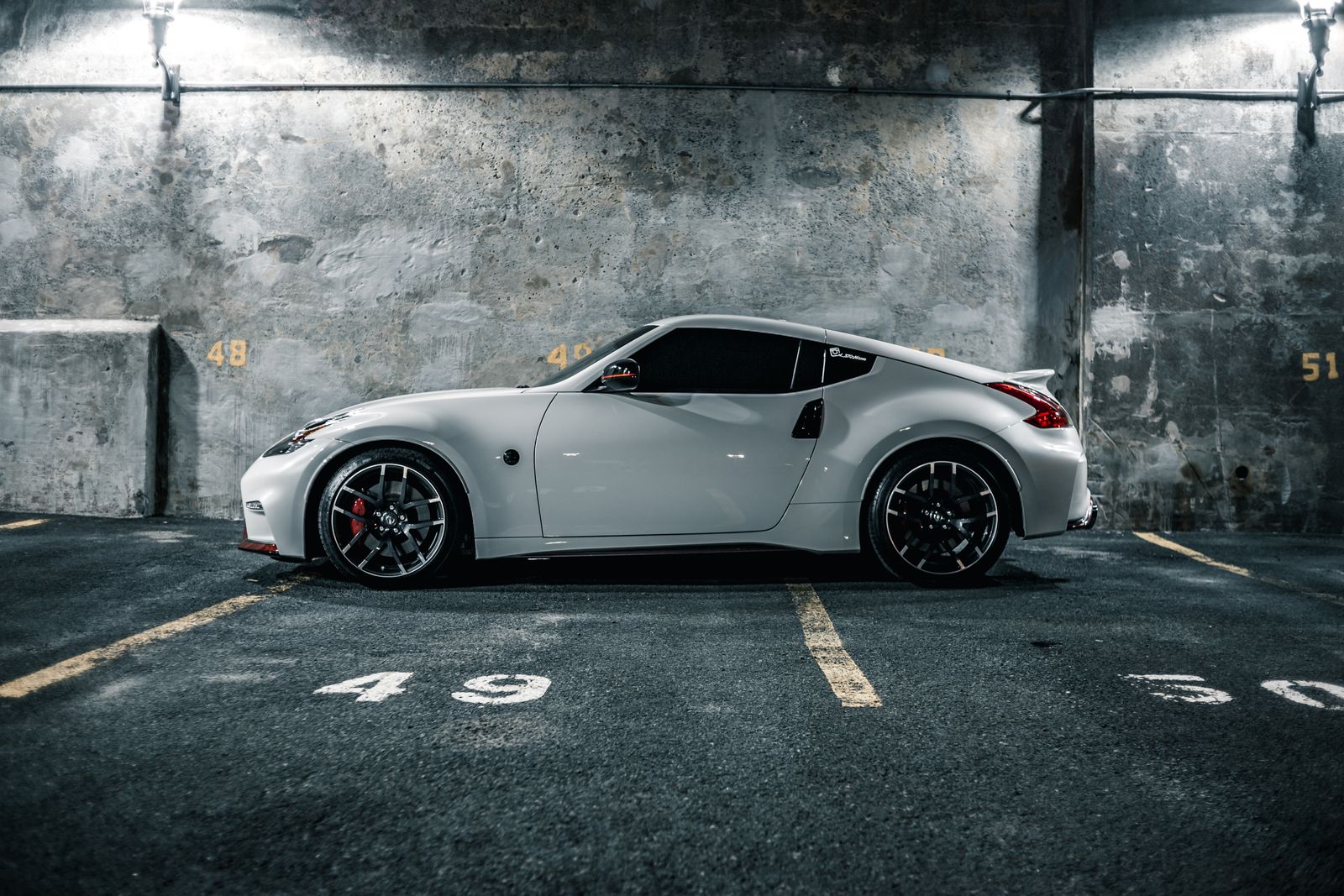
Photos: Sedan in an underground garage, by Joaquin Delgado, via Pexels — indoor city storage, priced like the real estate it is. White sports car in a garage, by Erik Mclean, via Pexels — the tier comparison made visible. Classic cars in a row outdoors, by Jose Mueses, via Pexels — outdoor storage in the open, at outdoor prices.
More guides
- How to Hire a Moving Company That Won't Hold Your Furniture HostageMovers › Moving & Storage
- How Much Do Movers Cost? Local vs. Long-Distance Pricing ExplainedMovers › Moving & Storage
- Binding vs. Non-Binding Estimates: The Difference That Decides Your Final BillMovers › Moving & Storage
- Moving Insurance and Valuation: What 'Full Value Protection' Really CoversMovers › Moving & Storage
- Long-Distance Moving: A Start-to-Finish Guide for Household GoodsMovers › Household Goods Moving & Storage
- All Guides & ArticlesBrowse the full guides library