Movers › Car Storage
Getting Car Storage Covered by Insurance: Claims, Evidence and the Arguments That Work
Renters moving between leases meet car storage at the worst possible moment. One lease has ended, the next has not started, the movers have taken the furniture, and the car suddenly needs a paid home of its own. A month of indoor storage commonly runs $150 to $270, uncovered outdoor parking can be as little as $17 to $100, and a gap between leases can stretch from two weeks into two months. Is any of this an insurance cost, or is it simply yours?
The honest answer is that insurance pays for car storage in a narrow set of circumstances, refuses it in a much wider set, and decides between the two largely on evidence most people never think to keep. The claim that succeeds is rarely the largest one. It is the one where the reason for storage, the dates and the bill line up so cleanly that an adjuster can approve it without a second phone call. This guide sets out when storage is genuinely covered, which policy to ask, and how to present the claim so it is approved rather than worn down.
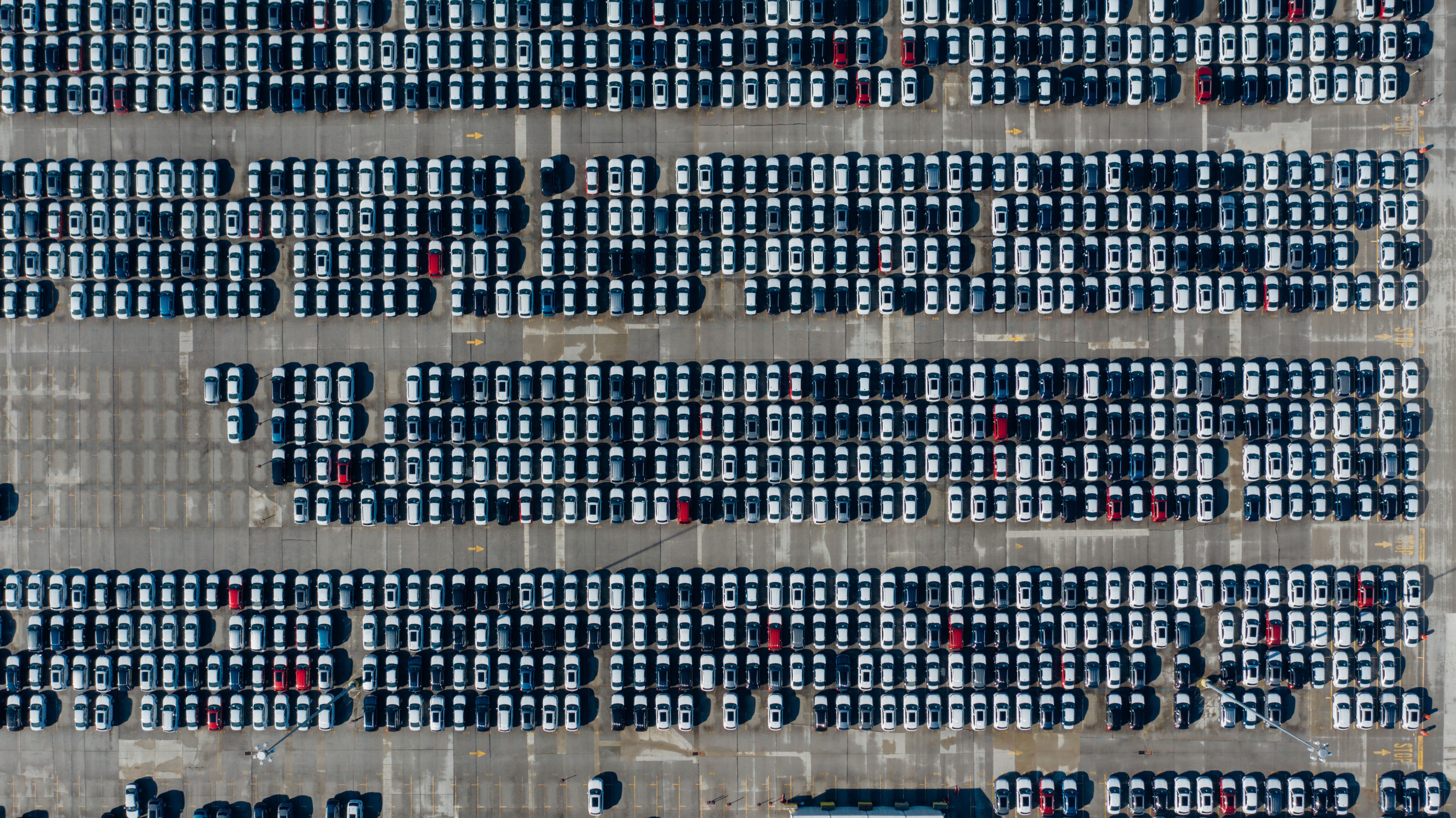
Two different claims hide inside the same invoice
A storage invoice can support two completely different insurance arguments, and confusing them is the most common reason claims fail.
The first argument is about the cost of storing the car. You are asking an insurer to reimburse the storage fee itself — the $200 a month — because something the policy covers forced the car out of its usual home. That argument lives in the additional living expense part of a renters or homeowners policy, sometimes called loss of use, and occasionally in an employer's relocation package, which is not insurance at all but often behaves like it.
The second argument is about damage to the car while it is stored. The car was stolen from the lot, a fire went through the building, a roof leaked onto it for a month. That argument lives in the comprehensive section of your own auto policy. No renters policy will pay for the car itself: vehicles are excluded from personal property coverage by standard policy design.
Keep those two arguments separate in every letter and phone call. Adjusters work in coverage sections. A claim that asks a renters policy to "cover the car in storage" invites a flat no, because read literally it asks for something the policy excludes. A claim that asks the same policy to reimburse a storage fee as an additional living expense, and separately asks an auto policy to deal with damage to the vehicle, gives each adjuster a question they can actually say yes to.
When the storage fee itself can be covered
Additional living expense coverage — loss of use on a renters policy — exists to keep your normal standard of living going while a home you cannot live in is repaired after a covered event: a fire, a burst pipe, smoke damage, a storm that takes the roof. Policy guides list storage for belongings, parking fees and extra transport among the costs this coverage can carry, alongside temporary housing, extra food costs and laundry. If a fire or flood has put you out of your rental and your car has lost its garage in the same event, a storage fee for the car is a legitimate part of that picture: an extra cost, caused by the covered event, for the period you are displaced.
Four conditions decide whether that argument holds, and a claim should speak to each one explicitly.
A covered event caused the displacement. Loss of use does not pay because moving is expensive or because two leases failed to overlap. It pays because a specific insured event made the home uninhabitable. Name the event, give its date, and tie the storage directly to it: the car was stored because the building was closed, the garage was damaged, or you were placed in temporary housing with no parking. A lease gap on its own — the ordinary, stressful, nobody's-fault gap between rentals — is not a covered event, and no amount of careful wording turns it into one. Most between-lease storage is a moving cost, not a claim.
The cost is additional. Loss of use pays the difference between what you normally spend and what the displacement forces you to spend, not your whole cost of living. If you previously paid for a parking space, the claim is the increase, not the full storage bill. If parking was included in your rent, the whole fee is additional. Say which it was, and be ready to show the old lease or a rent breakdown that proves it.
The amount is reasonable for the situation. The coverage maintains your normal standard; it does not upgrade it. Storing a family hatchback in a climate-controlled unit at the top of the local price range, when a standard indoor space was available, hands the adjuster an easy reduction. Choose the ordinary option, or be ready to explain why it was not available — no indoor spaces nearby, or a vehicle that genuinely needs enclosed storage.
The period is the repair period. Loss of use runs while the home is being repaired, within the policy's limits — commonly a set percentage of the personal property limit on a renters policy, often 20 to 30 percent, which on a typical policy means a few thousand dollars rather than an open-ended commitment. Storage that continues after you could have moved back falls outside it. End dates matter as much as start dates, and a claim that volunteers a clean end date reads as credible.
The damage side: insuring the car while it sits
Whether or not anyone reimburses the fee, the car still needs its own protection while it is stored, and this is where a second, quieter mistake happens. People cancel their auto policy to save money during a gap, then discover that a stored car can still be stolen, vandalised, flooded or burned — every one of those risks survives the engine being off.
The standard solution is comprehensive-only coverage, often sold as car storage insurance. For a car that will not be driven for 30 days or more, many insurers will let you drop liability and collision and keep comprehensive, which covers theft, vandalism, fire, weather, falling objects and flood. Three cautions come with it. First, a car on comprehensive-only cover cannot legally be driven — reinstate the full policy before moving it, even for ten minutes. Second, if the car is financed or leased, the lender may require full coverage regardless of storage. Third, cancelling outright, rather than reducing, creates a lapse in your insurance history that can raise prices when you return — and leaves the car unprotected in the meantime.
Do not assume the storage facility's insurance fills this gap. Standard storage agreements place your property at your own risk and require you to insure it yourself. The protection plans many facilities sell at the desk are usually not insurance at all: they are limited agreements under which the facility accepts a capped amount of liability for specific causes, commonly excluding vehicles stored outdoors, flood, and anything that happened while loading or unloading, with limits that can be as low as a few thousand dollars. Read the addendum before you rely on it, and photograph the car from every side on the day it goes in. If damage happens, that dated photo set is the difference between a negotiation and an argument about whether the dent was already there.

Which policy answers which cost
| Cost or loss | Where the claim belongs | What usually decides it |
|---|---|---|
| Storage fee after a fire, flood or other covered event displaces you | Renters or homeowners policy — additional living expense / loss of use | A covered event, an additional cost, a reasonable rate, dates inside the repair period |
| Storage fee for an ordinary gap between leases | No policy — a moving cost (or an employer relocation package, if you have one) | Whether a relocation benefit, rather than insurance, covers interim storage |
| Theft, fire, vandalism or weather damage to the stored car | Your auto policy — comprehensive | Comprehensive kept in force during storage; dated photos; a police report for theft |
| Damage the facility's own protection plan might accept | The facility, under its protection plan addendum | The plan's cap and exclusions — often no outdoor vehicles, no flood, low limits |
| Belongings stored alongside the car | Renters policy — personal property, usually with a reduced limit for property away from home | An inventory, receipts, and the policy's off-premises limit |
The evidence file that gets claims approved
Adjusters approve what they can document. In relocation work, the files that moved fastest were never the thickest — they were the ones a stranger could reconstruct in five minutes. Build yours in that spirit, from the day the car goes into storage rather than the day you decide to claim.
- The cause, in writing. The incident reference for the covered event, the landlord's statement that the home was uninhabitable, and the repair timeline if you have it. Without a covered cause, nothing else in the file matters.
- Proof of your normal arrangement. The old lease showing parking or a garage included, or the invoice for what you previously paid to park. This establishes that the storage fee is additional, which is the test the coverage applies.
- The storage agreement and every invoice, showing the facility, dates, space type and rate — plus one or two quotes for comparable local storage, which answer the reasonableness question before it is asked. This site lists 458 car storage businesses, so comparable quotes are rarely hard to find.
- Receipts and payment records for everything claimed. Loss of use is a reimbursement coverage: undocumented costs are, from an adjuster's chair, costs that did not happen.
- Dated photographs of the car at drop-off and collection, odometer included. Essential if there is any later question of damage.
- A one-page timeline. Event, move-out, storage start, repair completion, storage end. Six lines that do more work than any covering letter.
How to present the claim
Open with the coverage, not the hardship. The first paragraph of a claim letter should name the policy section — additional living expense — the covered event, and the total. Then walk the four conditions in order: the event and why the home was uninhabitable; why the car needed storage as a direct result; what you normally paid for parking and why this fee is additional; why the rate was reasonable; and the exact period claimed. Attach the evidence behind it, in the same order. Close by asking the adjuster to confirm in writing which items are accepted and which are not, and why — that breakdown is what you appeal from if part of the claim is trimmed.
Two habits make a measurable difference. Claim promptly: policies impose notice deadlines, and a claim filed months later starts with an avoidable argument about late reporting. And keep the claim to one cost per line, each with its dates and receipt. Bundled, rounded totals — "about $1,400 for storage and parking and extras" — get queried line by line anyway; an itemised claim skips that round of correspondence entirely.
The arguments that work — and the ones that do not
The arguments that work are boring, and that is their strength. The car lost its parking because of the same covered event that displaced us. Here is the lease showing parking was included. Here is the storage contract at a standard local rate, for exactly the repair period, and here are the paid invoices. There is nothing in that for an adjuster to push against.
The arguments that fail are equally predictable: claiming for a lease gap as though it were a disaster; claiming the full bill when only the increase over your old parking cost is additional; claiming premium storage without explaining why standard storage would not do; claiming weeks after you were back in a permanent home. And the saddest failure of all: a car damaged in storage after its owner cancelled the auto policy to save the premium, leaving no coverage to claim on at all. Most of these are avoidable with one phone call to your insurer before the car goes in.

If the claim is refused
A refusal is a position, not a verdict. Ask for the denial in writing, with the policy wording relied on — refusals sometimes rest on a reading of "additional" or of the repair period that your evidence can answer directly. Reply once, point by point, attaching whatever the letter says is missing. If the dispute is over the repair period, a letter from the contractor or landlord confirming when the home was actually habitable again settles most of it. Beyond that, every state insurance department takes complaints, and insurers treat a regulator's enquiry with a seriousness a second phone call rarely achieves. Keep the whole exchange; the person with the complete file usually ends up with the better outcome.
None of this makes a lease gap pleasant. But a covered event in the middle of a move is disruptive enough without donating the storage bill to an insurer who would have paid it. Establish the cause, keep the evidence from day one, claim under the right section, and let the file make the argument for you.
Sources
- Progressive, renters insurance guidance — loss of use paying for a storage unit and other extra costs while a home is repaired after a covered loss.
- Liberty Mutual, temporary housing guidance — loss of use covering storage and parking among temporary living costs, subject to the policy's limit and the extra-cost test.
- Insurism, "What Is Loss-of-Use in Renters Insurance?" — loss of use commonly set at around 25–30 percent of personal property coverage, and covering storage units, parking and extra transport.
- LendingTree, "Car Storage Insurance Explained" — comprehensive-only cover for cars stored 30 days or more, and the rule that such a car cannot legally be driven.
- Policygenius, car storage insurance guidance — reducing to comprehensive-only rather than cancelling, and the risks that remain while a car is parked.
- Insurify, car storage insurance guidance — comprehensive cover for stored vehicles, and lender requirements to keep full coverage on financed cars.
- Neighbor, car storage pricing guide — typical monthly costs by storage type.
- Storelocal Protection, tenant protection terms — facility protection plans are not insurance, carry low limits, and exclude several causes of loss.
- Midwest Indoor Storage, Tenant Protection Plan — protection plans excluding flood and vehicles stored outdoors, and liability limited to the plan's terms.
Photo by Kelly L, https://www.pexels.com/photo/top-view-photo-of-cars-parked-on-automobile-storage-facility-4204153/ Photo by jae park, https://www.pexels.com/photo/contemporary-black-automobile-standing-in-garage-3849551/ Photo by Jose Mueses, https://www.pexels.com/photo/photo-of-five-cars-parked-1280560/
More guides
- How to Hire a Moving Company That Won't Hold Your Furniture HostageMovers › Moving & Storage
- How Much Do Movers Cost? Local vs. Long-Distance Pricing ExplainedMovers › Moving & Storage
- Binding vs. Non-Binding Estimates: The Difference That Decides Your Final BillMovers › Moving & Storage
- Moving Insurance and Valuation: What 'Full Value Protection' Really CoversMovers › Moving & Storage
- Long-Distance Moving: A Start-to-Finish Guide for Household GoodsMovers › Household Goods Moving & Storage
- All Guides & ArticlesBrowse the full guides library