Movers › Shelving Commercial & Industrial
Getting Shelving Commercial and Industrial Covered by Insurance: Claims, Evidence and the Arguments That Work
Shelving occupies a strange corner of the insurance world. It is too structural to be furniture and too movable to be building, and when it is damaged — by a forklift strike, a water loss, a collapse, or a mover's crew — every insurer's first instinct is to point at somebody else's policy. The landlord's carrier calls it the tenant's property. The tenant's carrier calls it a fixture. The moving company calls it pre-existing. I investigate complaints for a living, and shelving claims are a small masterclass in how claims are actually won: not by the size of the loss, but by whether the claimant can answer three questions with documents instead of adjectives — whose property is it, what covered event damaged it, and what exactly was it worth the day before.
This guide is for renters in the broad sense: the household tenant who installed serious garage or workshop shelving in a rented home, and the small-business tenant whose rented unit, studio, or small warehouse holds commercial racking they bought and bolted down themselves. The rules differ in detail. The evidence game is the same.
First, find the right policy — there are four candidates
Most shelving claims fail at the filing desk, not the adjustment. They are sent to the wrong carrier, under the wrong section, and denied correctly — which feels identical to being denied unfairly. Map the loss before you file anything.
Your renters or business property policy — personal property. Shelving you own is your property. A standard renters (HO-4) policy covers personal property against named perils — fire, smoke, theft, vandalism, certain water damage from burst pipes, windstorm — and it follows your property off-premises, including into a storage unit or a moving truck, usually with an off-premises cap expressed as a percentage of your limit. A small-business tenant's commercial property policy does the same job at larger scale.
Your policy again — improvements and betterments. This is the section almost nobody knows exists. If you installed the shelving at your own expense in a rented space — anchored racking in a workshop, fitted storage in a rented unit — a renters policy typically provides a limited amount of coverage for those alterations, commonly around 10 percent of your personal property limit. That clause exists precisely for tenant-installed fixtures, and it is frequently the correct home for a shelving claim that a first adjuster tried to bounce to the landlord.
The landlord's policy — usually not yours to claim on. The landlord's insurance covers the building and the landlord's property. It does not cover your belongings, full stop — and shelving you bought is your belonging even when it is bolted to their wall. The exceptions run the other way: if the building's failure damaged your shelving — a roof leak the landlord was responsible for, a burst building pipe — your claim is still filed on your own policy, and your insurer may then pursue the landlord's side through subrogation. File yours; let the carriers argue behind you.
The mover's or warehouse's liability — a claim, not a policy of yours. If a moving crew or storage operator damaged the shelving in their custody, that is a liability claim against them, governed by the moving contract's valuation terms or the storage agreement — a different track from insurance entirely, with its own deadlines. Note the damage on the delivery receipt or inventory before the crew leaves; in freight and moving claims alike, exceptions noted at receipt are routinely the decisive evidence, and their absence is the first line of every denial.
| Who damaged it / what happened | File against | Under what |
|---|---|---|
| Fire, burst pipe, theft, storm at your rented space | Your renters / business property policy | Personal property; improvements & betterments for installed shelving |
| Building failure (landlord's roof, landlord's plumbing) | Your policy first; insurer subrogates | Personal property, then landlord's liability |
| Moving crew in transit or at delivery | The mover | Contract valuation / liability claim, exceptions noted at receipt |
| Warehouse or storage operator while stored | The operator, and/or your policy's off-premises coverage | Storage agreement terms; your policy |
| Slow rust, overloading, wear, a shelf that sagged for years | Nobody — not a covered event | Maintenance, not insurance |
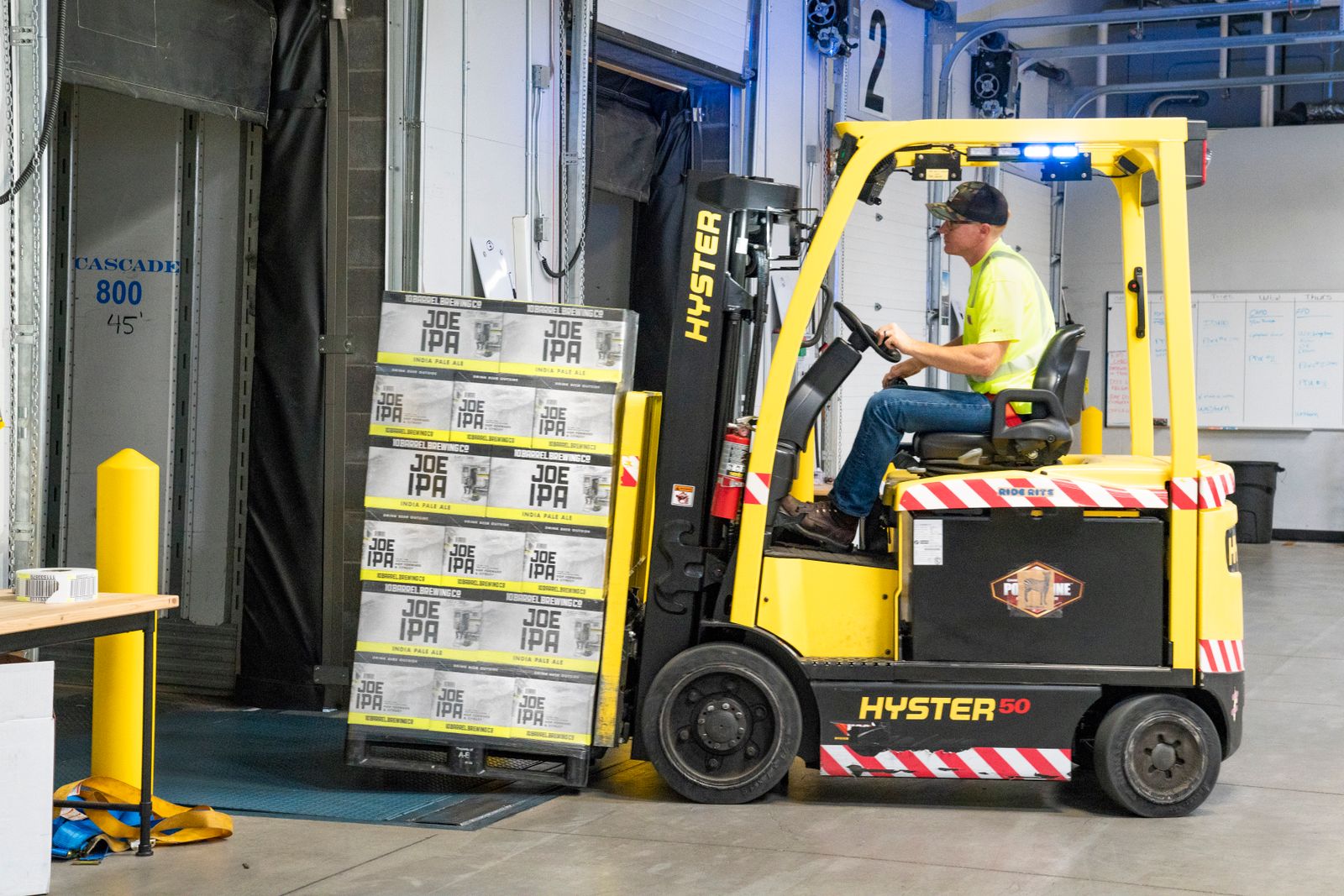
That last row matters. Insurance pays for sudden, accidental, covered events. It does not pay for deterioration, and it does not pay for a collapse your own overloading caused — rack failures in the industry literature are dominated by forklift impact and by loads beyond rated capacity, which is why an insurer investigating a collapse will ask about both before it asks about anything else.
The evidence insurers actually ask for
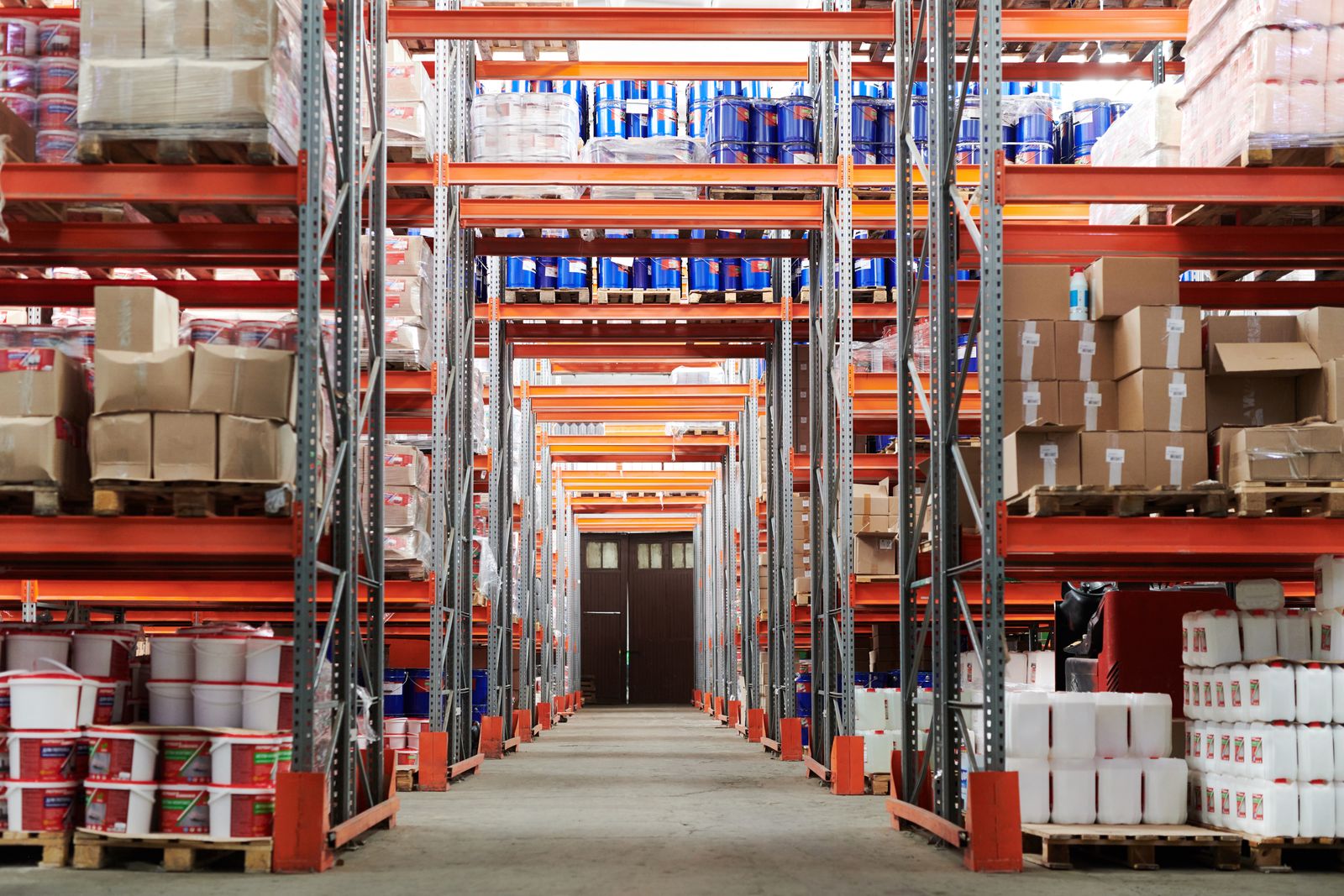
Industrial claims professionals organize evidence the same way whether the loss is a distribution center or a rented workshop: by item, by zone, with values reconciled to documents. Carriers review racking claims as indexed sets — photographs tied to specific bays and components — not as a pile of pictures of a messy room. Build your claim the way the reviewer reads it.
- Proof of ownership and value: the purchase invoice or receipt for the shelving system, showing components and price. No invoice, and the value conversation starts at the adjuster's number instead of yours. For secondhand racking, the listing, the payment record, and comparable current listings are your value file.
- The component inventory: uprights, beams, wire decks, anchors — counted, with sizes. Shelving is a system of priced parts; a claim that says "shelving unit, $2,000" invites a settlement for a shelving unit, while a claim that itemizes fourteen uprights and forty beams at documented prices invites arithmetic.
- Photographs, before and after: before photos are the ones people kick themselves over — take them when you install, when you load, and before any move. After photos should be wide (the whole bay in its space) and close (the bent upright, the torn anchor, the waterline), with the damage visible at component level.
- The event evidence: the plumber's invoice for the burst pipe, the fire or police report, the mover's inventory with your exceptions noted, the storage facility's incident report. The covered event is half the claim; document it like it is.
- A professional inspection where safety is in question: bent rack uprights are a structural question, not a cosmetic one. A racking inspector's or installer's written assessment — replace, do not repair, do not reload — converts your opinion into evidence and, not incidentally, keeps anyone from being hurt by a system that should have been condemned.
The arguments that work — and the ones that wear you down
Claims are worn down by vagueness and approved by specificity. The patterns from complaint files are consistent.
Argue the peril, not the damage. "My shelving was destroyed" opens a valuation fight. "A supply line burst on March 3 — here is the plumber's invoice and the landlord's work order — and the water destroyed the lower bays of the system itemized below" opens a covered-event file. Adjusters approve claims whose cause is already proven; they investigate claims whose cause is asserted.
Argue replacement cost only if you bought it. Policies pay actual cash value — depreciated — unless you hold replacement-cost coverage, and the difference on five-year-old racking is the difference between a settlement and an argument. If your settlement looks mysteriously small, check which basis you are on before accusing anyone of bad faith; if you are on ACV and the shelving matters to you, the fix is a policy change at renewal, priced in dollars a month, not a louder claim now.
Argue components, not systems. A forklift — or a mover's dolly, or a falling load — rarely destroys an entire racking system. It destroys two uprights and a run of beams. Insurers know this, and a claim for a whole system after a partial impact reads as padding and poisons the honest parts. Claim the damaged components at documented prices, plus the labor to disassemble and rebuild, plus disposal. Precision is credibility, and credibility is the currency the whole claim is paid in.
Argue the timeline. Every track has a clock: your policy's prompt-notice condition, the mover's claim window (for interstate household goods moves, federal rules give nine months from delivery to file a written claim, and the mover's paperwork will state its own deadlines inside that), the storage agreement's notice terms. A perfect claim filed late is a denied claim with good documentation. File a short, factual notice inside every deadline first; supplement the evidence after.
Do not argue wear as event, or event as wear. If the upright was already bent — and in working warehouses, a striking share of racks carry unrepaired impact damage — the insurer will find it in your own before-photos or the inspection report and discount accordingly. Disclose the old damage, claim the new, and keep the two in separate photographs. The fastest way to lose a legitimate claim is to make the adjuster wonder what else is blended in.
If the shelving injured someone or fell on other property
Stop treating it as a property claim. A collapse that injures a person or destroys a neighbor's or landlord's property moves the matter into liability — your policy's liability section if your installation or loading is blamed, the landlord's or operator's if their structure or crew is. Preserve the scene, photograph before anything is moved where safety allows, notify your carrier immediately, and do not sign statements apportioning fault at the scene. Property settlements are arithmetic; injury claims are law, and they are the one branch of this subject where a lawyer's first consultation is worth more than any guide, this one included.
The renter's pre-loss checklist
Everything above gets easier if it is done before anything is damaged, and for a renter between leases this is a one-hour job at exactly the moment you are already handling every object you own. Photograph every shelving system assembled and loaded. Save the invoices in the same folder as the photos. Read the two paragraphs of your policy titled "improvements and betterments" and "off-premises" and note the percentages. When you hand shelving to a mover, say the word "exceptions" out loud at delivery and write the bent upright on the receipt. This site lists 363 commercial and industrial shelving providers; the systems are engineered, rated, and priced by component — and a claim presented the same way, by component and by document, is the kind insurers are set up to pay.
Sources
- Bailey Insurance Agency, renters insurance guide — establishes that tenant-installed improvements such as shelving are typically covered under a renters policy's improvements and betterments provision, commonly around 10 percent of the personal property limit, and that the landlord's insurance does not cover the tenant's belongings.
- Experian, "What Is Renters Insurance?" — establishes the personal property, liability, and additional living expense structure, covered perils, off-premises coverage including storage units, and the actual cash value versus replacement cost distinction.
- LegalClarity, renters insurance and move-out damage — establishes that coverage turns on sudden and accidental damage versus wear and tear, and that personal property coverage follows belongings during a move.
- The Claims Ninja, industrial and warehouse insurance claims guide — establishes how carriers review industrial claims: evidence indexed by building, zone, system, and equipment, with quantity validation, rather than undifferentiated photo sets.
- First Underwriters, rack safety guide — establishes that forklift impact causes the large majority of rack collapses, that overloading beyond rated capacity is a primary failure mode, and how losses split across property, liability, and business interruption coverage.
- Racklify, retail damage claim checklist — establishes the dock-side evidence pattern: exceptions noted on the delivery receipt before the driver leaves, dated photographs, purchase documentation, and inspection notes as the core of a claim packet.
Photos: warehouse aisle — photo by Tiger Lily, https://www.pexels.com/photo/warehouse-with-concrete-floors-4483610/ ; forklift lifting boxes — photo by ELEVATE, https://www.pexels.com/photo/man-riding-a-yellow-forklift-lifting-boxes-1267324/
More guides
- How to Hire a Moving Company That Won't Hold Your Furniture HostageMovers › Moving & Storage
- How Much Do Movers Cost? Local vs. Long-Distance Pricing ExplainedMovers › Moving & Storage
- Binding vs. Non-Binding Estimates: The Difference That Decides Your Final BillMovers › Moving & Storage
- Moving Insurance and Valuation: What 'Full Value Protection' Really CoversMovers › Moving & Storage
- Long-Distance Moving: A Start-to-Finish Guide for Household GoodsMovers › Household Goods Moving & Storage
- All Guides & ArticlesBrowse the full guides library