Movers › Heavy Equipment Movers
Heavy Equipment Movers for Seniors: Costs, Comfort and the Adjustments Worth Asking About
When I dispatched, the call usually came from an adult child, not from the owner. "Dad is moving off the farm." "Mum is selling the house with the workshop." Behind that sentence sat a tractor, a lathe, a gun safe, a ride-on mower, a generator, sometimes a small excavator — things no ordinary household crew should improvise with, and things the owner was in no position to move alone anymore.
That is the real subject of this guide. Heavy equipment moving for a senior is two jobs at once: a technical job, with trailers, permits and securement, and a human job, with pacing, seating, decisions and dignity. A good provider does both without making a show of either. A bad one does the first roughly and the second not at all.
This site lists 2,791 heavy equipment movers, so you are not choosing between the only two firms in the county. You are choosing between very different ideas of what the job includes.
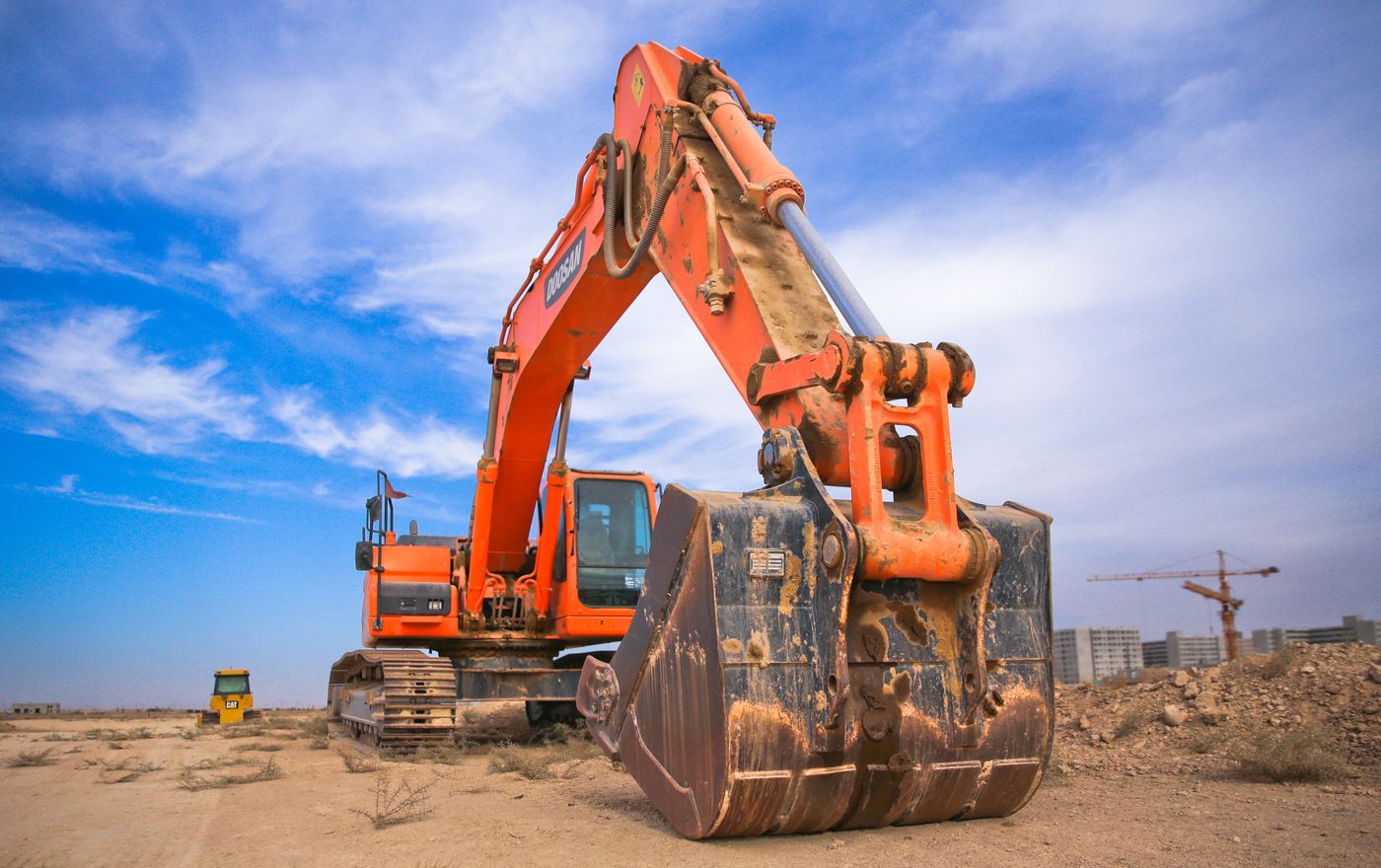
What counts as "heavy equipment" in a senior's move
Dispatchers divide this world more carefully than customers do, because the trailer follows the category.
Farm and land equipment — compact and full-size tractors, implements, ride-on mowers, small loaders and skid steers. This is the most common senior job: a property is being sold, the equipment is going to a child, a buyer, or a smaller property.
Workshop machinery — lathes, mills, table saws on cast-iron bases, drill presses, welders and compressors. Individually lighter than a tractor, collectively awkward: top-heavy, sharp, and often wired or plumbed in.
Heavy household items — gun safes, pianos, pool tables, large aquariums, hot tubs and cast-iron stoves. Household movers handle some of these; above a certain weight or awkwardness they belong with a specialty or heavy crew with the right dollies, ramps and stair equipment.
Vehicles and stored machines — a project car, an ATV, a boat on a trailer. Sometimes these travel with the equipment load; sometimes a separate car-transport booking is cleaner.
Construction machinery — a mini-excavator, a loader, a generator kept from a business the owner ran. This is where true heavy-haul pricing and permits take over.
Write your list in those groups before you call anyone. A quote built from "some heavy stuff in the barn" will be wrong in the only direction quotes are ever wrong.
What it actually costs
Heavy equipment transport is priced from the truck outward: a per-mile rate for the trailer your load needs, plus fuel, plus permits and escort cars if the load is oversize, plus loading, waiting and access work. Published 2026 industry guides put the bands roughly like this:
| Load | Typical range | What drives it |
|---|---|---|
| Local legal-size move, under about 100 miles | $300–$800 flat | Dispatch minimums dominate; a short move is not a cheap per-mile move |
| Legal-size lowboy / RGN load | $3.50–$8.00 per loaded mile | Trailer type, lane and season; a 500-mile legal move works out around $1,750–$4,000 |
| Oversize or overweight load | $5.00–$15.00+ per mile, often all-in | Permits, escorts, fuel and restricted travel hours stack on top of linehaul |
| Local oversize move, under about 100 miles | $800–$2,500+ flat | Permit and setup costs do not shrink just because the distance does |
The legal envelope matters because crossing it changes the whole job. Federal interstate limits are 80,000 pounds gross, 102 inches of width, with single-axle and tandem limits underneath; height is set by states, generally around 13 feet 6 inches to 14 feet 6 inches. Past those lines, each state on the route issues its own oversize or overweight permit — the federal government does not — and wide, tall or long loads may need pilot cars and daylight-only travel.
For the household end of heavy, expect a different arithmetic. A safe, a piano or a workshop machine moved locally is usually quoted as a specialty item or a crew-and-equipment job rather than by the mile. Get that figure as its own line. If it is buried inside a general household estimate, you cannot tell what you are paying for the one item most likely to be damaged — or to damage a floor, a door frame or a person.
Two budget warnings from the dispatch desk. First, loading help is not free help: if a machine cannot drive onto the trailer, a crane or forklift at one or both ends is a separate cost. Second, a cancelled permitted move is not free either — escorts and permits booked for a day that falls apart can still be billed. That is one reason the comfort adjustments below are not soft extras. They are how the day stays on schedule.
The comfort adjustments worth asking about, by name
Good senior-focused providers make these adjustments without being asked. Everyone else can usually make them if you ask early, in writing, before the truck is booked.
A slower decision pace, before moving day. Sorting a workshop or a barn is not like clearing a kitchen. Each tool can carry a job, a person or a decade with it. Ask for the inventory visit to be separate from moving day, with time between them. If the sorting itself is overwhelming, a senior move manager is a real profession, not a luxury label: the National Association of Senior and Specialty Move Managers (NASMM) is its professional body, and AARP, citing NASMM's survey, puts typical move-manager rates at $60 to $120 an hour, with the truck billed separately. A manager can run the sorting, floor plan, donations and mover supervision while family stays family.
Seating, shade and a stopping rule. On loading day, the owner should have a chair out of the work path, water, shade or warmth as the season demands, and an agreed signal that pauses work. That sounds obvious. In dispatch, the jobs that went wrong emotionally were the ones where the owner stood for three hours in a driveway watching his life's equipment get chained down, with nowhere to sit and no one checking in.
No lifting by the owner — stated plainly. Many older owners will try to help, out of habit and pride. A good crew chief says, early and kindly, "Your job today is to tell us what matters. Our job is the lifting." Ask whether the crew will do that. It prevents injuries and it prevents the quiet humiliation of being scolded mid-move.
Large-print, unhurried paperwork. Estimates, the bill of lading and valuation choices should be explained at a table, not on a tailgate. Ask for documents in advance, by email or post, so a family member can read them too. If a provider resists sending paperwork ahead, that is information.
A single point of contact. One named dispatcher or crew lead, with a phone number, from quote to delivery. Being handed between a sales rep, a broker and an unknown driver is stressful at any age; for a senior coordinating hearing aids, medication and a closing date, it can sink the day.
Timing around energy, not just trucks. Early starts suit some people and wreck others. Ask what is actually fixed — a permit window or a delivery appointment may be — and what can move. A mid-morning load after a proper breakfast is often worth more than the earliest slot on the board.
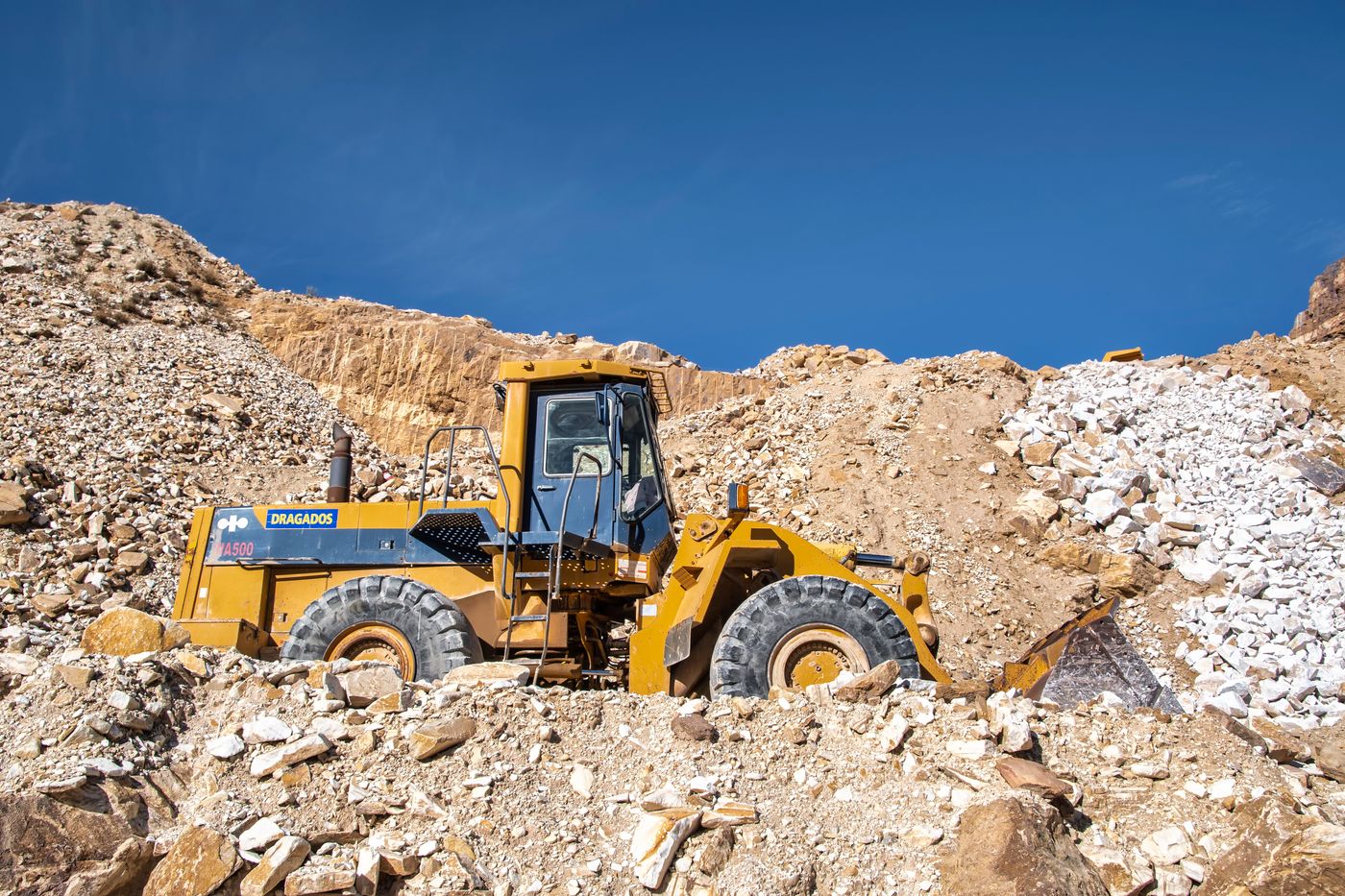
Protection: valuation is not insurance, and the difference matters
For an interstate move, federal rules require the mover to offer two liability options. Full Value Protection makes the mover responsible for the replacement value of lost or damaged goods, and it is the default if you do not choose otherwise. Released Value costs nothing extra, but limits the mover to 60 cents per pound per article — a figure that turns a valuable machine component into pocket change. You have to sign a specific statement to choose Released Value; do not sign it as part of a stack of delivery papers without understanding it.
Items worth more than $100 per pound count as articles of extraordinary value under the federal booklet, and you must tell the mover about them in writing. In a workshop, that can mean precision instruments and specialist tools rather than jewellery. List them.
You also have nine months from delivery to file a written claim, and interstate movers must participate in a dispute-resolution or arbitration programme. Ask for its summary before you book, while asking is easy.
For farm and construction machinery moving as freight rather than household goods, ask separately, in writing: what cargo cover does the carrier carry, what is the limit, and does it cover loading and unloading or only the road in between? Do not accept "fully insured" as an answer. It is a phrase, not a policy.
Checking a heavy mover before you trust them with a tractor
Start with identity. An interstate carrier should give you its U.S. DOT number and motor carrier number without hesitation, and you can check its record through the Federal Motor Carrier Safety Administration. Then ask the equipment questions that separate a heavy mover from a household mover with confidence:
- Which trailer will you send for this exact machine, and why that one?
- Who loads it — your crew, a crane, a forklift, or me?
- What are the machine's weight, width and height on the trailer, and does that need a permit on our route?
- How will it be secured, and can the owner watch the chaining from a safe place?
- What is not included: loading equipment, permits, escorts, waiting time, a second trip?
- If weather or a permit window kills the day, what is charged and what is not?
Listen for specifics. "We'll figure it out when we get there" is a fine sentence for a sofa. It is a disqualifying sentence for a 9,000-pound machine at the top of a gravel drive.
Preparing the machine — and the owner
The owner's preparation list is short and mechanical: fuel at the level the carrier asks for, batteries and loose attachments secured or removed, manuals and keys in one labelled envelope, leaks mentioned honestly, and photographs of the machine from all sides before loading. Photographs protect everyone: condition disputes are shorter when both sides hold the same pictures.
Access preparation matters just as much. Measure gates, check soft ground after rain, move the car that always parks by the barn, and tell the dispatcher about the low branch and the tight turn before the truck discovers them. In dispatch we had a saying: surprises are just information that arrived too late.
Finally, plan the arrival end. Where exactly does the machine go — not "the new place," but which pad, which bay, which corner of which garage? Who meets the truck if the owner is travelling separately? A heavy item placed wrong is not easily nudged later.
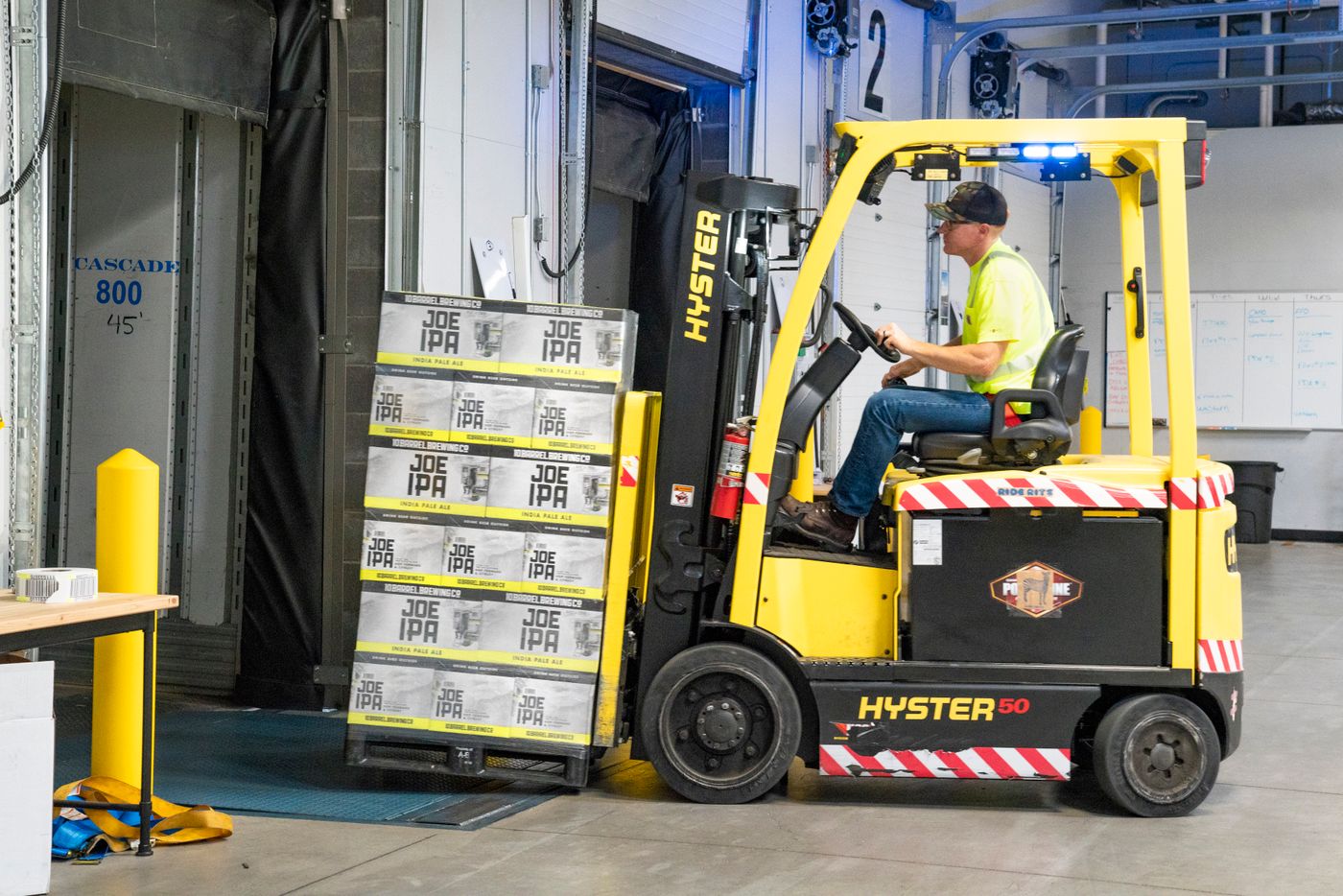
How to use a directory without wasting a week
This site lists 2,791 heavy equipment movers and 275 machinery movers and erectors, alongside thousands of household moving companies. Use those lists as a map: shortlist by the category your heaviest item actually belongs to, then run the six questions above. Three serious quotes, built from the same written inventory, will teach you more than ten vague ones.
And keep the human test in the room. The provider who slows down on the phone, explains the permit plainly, sends the paperwork early and asks where the owner will sit on loading day has already shown you how the move will feel. For a senior giving up a farm, a workshop or a house full of heavy, lived-in things, that is not a soft consideration. It is the service.
Sources
- HTS Logistics, Heavy Equipment Transport Cost — how heavy-haul quotes are built from linehaul, fuel, permits, escorts and loading, and current per-mile bands.
- Logi Transports, How Much Does Heavy Equipment Transport Cost in 2026 — planning ranges for legal and oversize lowboy loads, local flat rates and the federal size and weight envelope.
- Federal Highway Administration, commercial vehicle size and weight programme — interstate limits of 80,000 pounds gross and 102 inches width, with height set by states.
- FMCSA, Liability & Protection and Protect Your Move — Full Value Protection as the default, Released Value at 60 cents per pound per article, extraordinary-value items over $100 per pound, and the nine-month written claim window.
- AARP, reporting NASMM's member survey — senior move managers typically charge $60 to $120 an hour.
- NASMM, National Association of Senior and Specialty Move Managers — what senior move managers do, from sorting and floor plans to supervising movers and resettling the new home.
Photos: excavator on a work site — photo by Pexels contributor, https://www.pexels.com/photo/1078884/ ; heavy machinery — photo by Enrique, https://www.pexels.com/photo/heavy-machinery-in-mine-15071424/ ; forklift lifting boxes — photo by ELEVATE, https://www.pexels.com/photo/man-riding-a-yellow-forklift-lifting-boxes-1267324/
More guides
- How to Hire a Moving Company That Won't Hold Your Furniture HostageMovers › Moving & Storage
- How Much Do Movers Cost? Local vs. Long-Distance Pricing ExplainedMovers › Moving & Storage
- Binding vs. Non-Binding Estimates: The Difference That Decides Your Final BillMovers › Moving & Storage
- Moving Insurance and Valuation: What 'Full Value Protection' Really CoversMovers › Moving & Storage
- Long-Distance Moving: A Start-to-Finish Guide for Household GoodsMovers › Household Goods Moving & Storage
- All Guides & ArticlesBrowse the full guides library