Movers › Heavy Equipment Movers
Heavy Equipment Movers Gone Wrong: Your Options, Your Rights and How Fixes Actually Work
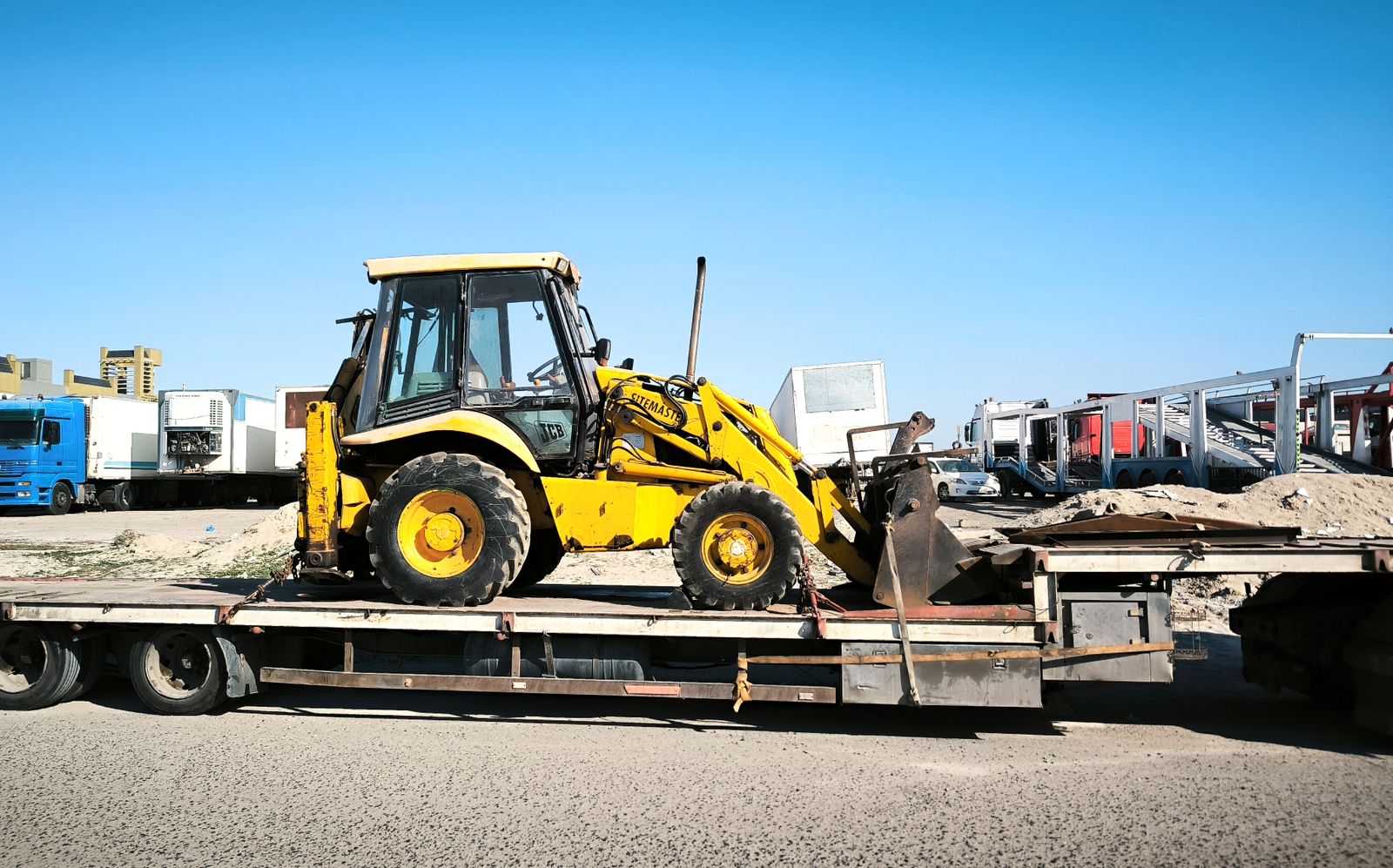
Downsizing at 65 or 75 rarely means just a sofa and some boxes. It often means a lifetime of heavy things: the compact tractor that mowed the acreage, the lathe and drill press in the workshop, the mower, the implements, the safe. Families hire heavy equipment movers because those machines cannot go in a rental truck — and when the move goes wrong, it goes wrong expensively. A tractor arrives with a bent loader arm. A milling machine is dropped off the forks and the table is cracked. The crew that was supposed to bring a lowboy sends a trailer the machine cannot legally ride on, and your equipment spends a weekend in a yard you have never seen.
I investigate moving complaints for a living. The pattern in heavy equipment cases is consistent: the people who recover money are not the angriest people. They are the ones who understood, early, that a complaint and a claim are two different instruments, who met the deadlines, and who documented the machine's condition before anyone could argue about it. This guide is that playbook, in order.
First, sort out which kind of "wrong" you have
Heavy equipment failures fall into four buckets, and each has a different fix:
- Damage. The machine arrived, but bent, cracked, leaking, or dead. This is a claim against the mover, measured against the coverage you chose.
- Delay or disappearance. The equipment is late, misrouted, or sitting in storage you did not agree to. This is a contract and pressure problem first, a claim second.
- Overcharge. The final bill bears little resemblance to the estimate — new line items for permits, escorts, or "difficult access" appearing after loading. This is a dispute over the written estimate and any change orders you signed.
- Refusal to deliver. The mover holds the machine pending payment beyond what you agreed. Treat this as urgent: it is the one situation where regulators and, if necessary, law enforcement get involved fastest.
Write down which bucket you are in, in one sentence, before you make a single call. Every form, claim, and complaint you file will ask you, in effect, that exact question.
The 72-hour moves that protect everything else
Photograph the damage before the machine moves again. Bent metal, cracked castings, hydraulic leaks, broken gauges — shoot each one wide and close, with something in frame for scale. If the machine was damaged in transit, the tie-down points and any shifted load are evidence too. Do not let a well-meaning neighbor "straighten it out" or top up fluids first. Repairs begun before documentation are arguments handed to the other side.
Note it on the delivery paperwork before you sign. The bill of lading and delivery receipt are the mover's record of the job. Writing "loader arm bent, left side; hydraulic leak at fitting; machine not started" on that document, before signing, is worth more than a month of later phone calls. If the driver refuses to wait, sign, write "damage noted — see photos dated today," and keep your copy.
Preserve the machine as delivered. Federal guidance for household goods claims makes the same point in that context: keep the damaged items, because the mover may want to inspect them. For a machine worth thousands, that inspection is near-certain. Store it under cover, touch nothing you do not have to, and log anyone who does.
Start a dated paper trail. One notebook or one email thread. Every call: date, time, name of the person, what was promised. Companies settle claims from files, and the customer with a file beats the customer with a story.
A claim gets you paid. A complaint gets them watched. You need both.
This is the distinction most people learn too late. A claim is your written demand to the mover for loss or damage — it is the only route that puts money back in your hands. A complaint is a report to a regulator — it builds the company's enforcement record and can trigger an investigation, but the Federal Motor Carrier Safety Administration states plainly that it does not have the authority to resolve claims against a moving company. Filing only a complaint and waiting for a check is the single most common dead end I see.
For an interstate move of household goods — and a downsizing move that mixes furniture with a tractor and workshop machines is often booked exactly that way — the federal timeline is strict:
| Step | Deadline or window |
|---|---|
| File your written claim with the mover | Within 9 months of delivery |
| Mover must acknowledge your claim | Within 30 days of receiving it |
| Mover must pay, decline, or make a firm settlement offer | Within 120 days of receiving it |
| File a federal complaint (optional, but do it) | Any time — online or by phone |
Your claim does not have to be on the mover's own form. A clear written claim — what was damaged, what it will cost to repair or what the machine was worth, with photos and any repair estimate attached — satisfies the requirement. Send it in a way that proves delivery; the FMCSA itself suggests certified mail for exactly this reason.
If the job was a purely commercial equipment haul rather than a household goods move, the same written-claim discipline applies, but the governing document is your contract and bill of lading rather than the household goods rules — which makes reading your own paperwork, next section, even more important.
Read your coverage before you argue about the number
What you can recover was largely decided on the day you signed, in the valuation you chose. For interstate household goods shipments there are two standard levels:
- Released Value Protection is the default, included at no extra charge — and it is close to no protection at all for machinery: liability is capped at 60 cents per pound per item. A 2,000-pound tractor with a destroyed loader could be valued at a few hundred dollars under this option, whatever the repair bill says.
- Full Value Protection costs more, and under it the mover must repair the item, replace it, or pay its current market value. This is the coverage that makes a damage claim meaningful for equipment.
Find which one you signed for before you negotiate. If you bought Full Value Protection, get a written repair estimate from a dealer or independent mechanic — a real number from a real shop anchors the negotiation. If you are stuck with released value, your leverage shifts: the claim still matters, but so do the complaint, the dispute program below, and any separate insurance you carry on the machine itself, such as a farm, homeowner's, or equipment policy. Check those policies; more than one downsizing family I have spoken with found their tractor was scheduled on a farm policy they had nearly cancelled.

The dispute program: the step between a denied claim and a courtroom
Before an interstate household goods move, your mover was required to give you information about its dispute settlement program — a neutral arbitration route for loss and damage disputes. If the mover denies your claim or offers an amount you believe is wrong, you can submit the claim to that program instead of going straight to court. Ask the mover, in writing, how to invoke it, and keep the answer in your file.
Alongside it, file the complaints — plural, because each one does a different job:
- FMCSA National Consumer Complaint Database — online, or by phone at 1-888-368-7238, Monday to Friday, 8 a.m. to 8 p.m. Eastern. This is for interstate moves. Your complaint goes into the company's federal record.
- Your state regulator or attorney general — for moves entirely within one state, this is your primary regulator, and many states license equipment and household goods movers separately. File here for intrastate jobs.
- The FTC, at ReportFraud.ftc.gov — if what happened looks like a scam rather than incompetence: a vanished deposit, a company that will not say where your machine is, a demand for far more money to release it.
None of these replaces your claim. All of them make your claim harder to ignore.
What a fix actually costs, so you can judge an offer
Settlement offers are hard to evaluate without knowing the market. Two benchmarks help. Hauling heavy equipment typically runs about $3 to $8 per mile depending on weight, dimensions, and whether the load needs oversize permits and escorts — so a demand that you pay for a second full haul to correct the mover's own error deserves a hard look. Professional rigging — the crew that lifts, skates, and sets a machine properly — is priced per job: moving a single machine commonly runs from roughly $4,600 to $22,700 in recent project data, with a typical job near $11,700. If a mover's "goodwill" offer would not cover a dealer repair estimate, say so in writing, with the estimate attached. Vague dissatisfaction settles cheap. Documented costs settle closer to real.
If the machine is repairable, you generally have three fix routes: the mover repairs it (get the shop named and the standard in writing — "repaired" should mean restored to working order, not made to look better), the mover pays your chosen shop's estimate, or the mover pays current market value under Full Value Protection and the machine's fate is negotiated. Do not authorize repairs at your own expense mid-dispute without written agreement on reimbursement; volunteers get thanked, not paid.
Small claims court, and when to bring in a lawyer
If the claim stalls past the 120-day window, the dispute program fails, and the amount at stake fits your state's small claims limit — limits vary by state, so check your court's — small claims is a realistic, lawyer-free route, and movers know it. Bring your file: contract, bill of lading with your damage notation, dated photos, the written claim and its proof of delivery, the repair estimate, and your call log. Judges decide these cases on exactly that paper.
Bring in a lawyer when the machine is high-value, when injuries or property damage beyond the machine are involved, or when the equipment is being held. A held machine changes the posture of everything: document what you have paid and what was agreed, file the federal and state complaints immediately, and make the call. Time matters more than sequence in that one case.
For the next move — because downsizing usually happens in stages
Most seniors I interview move in stages: the house first, the outbuildings later, a second load to a child's property or to auction. Take the lessons forward.
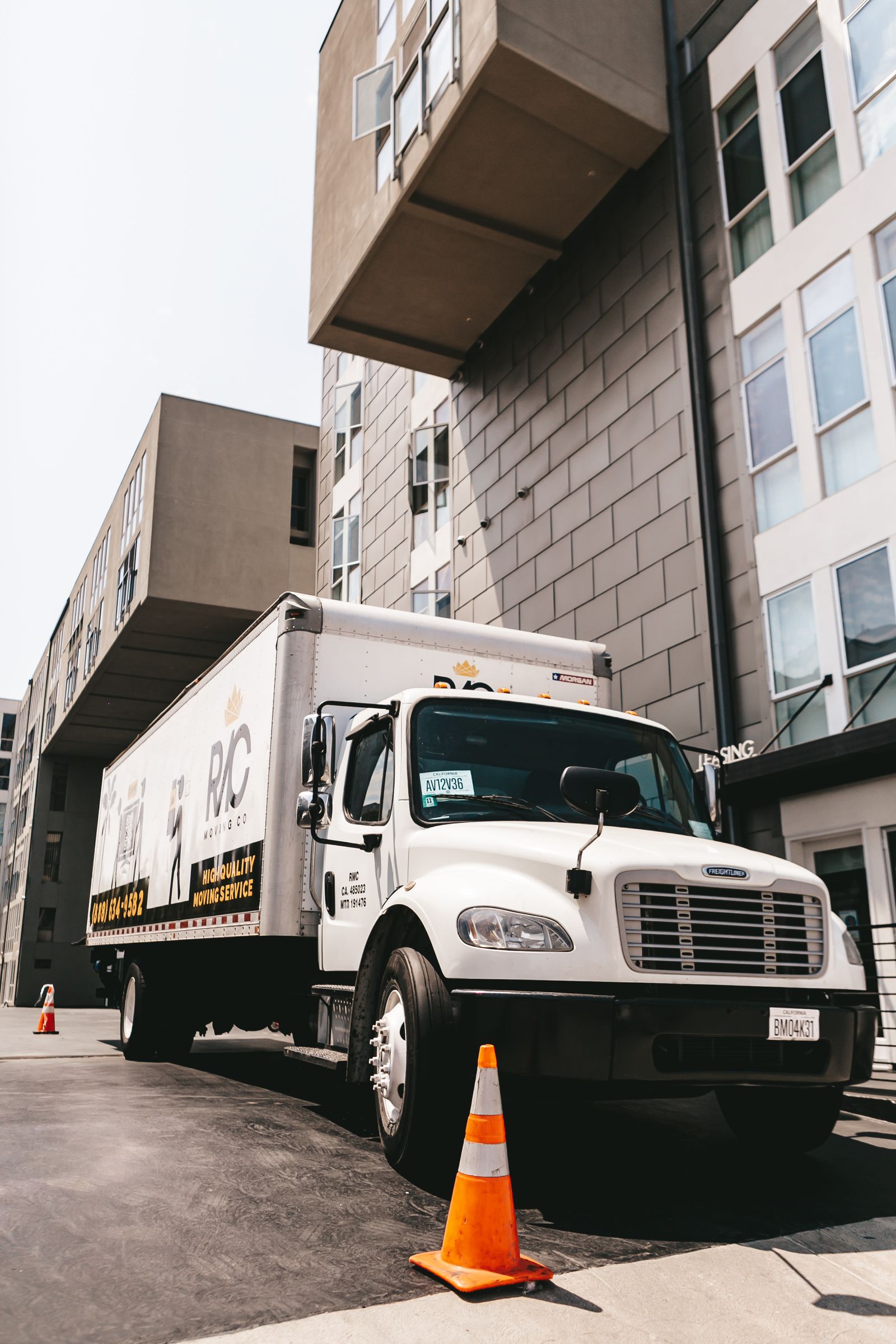 Stage two of a downsizing move is usually the household load. The same claim discipline applies to it — the deadlines and the paperwork do not change because the cargo got lighter. This site lists 2,791 heavy equipment movers, so a bad experience is not a reason to accept the next available name — it is a reason to use the choice you have. Get the valuation decision in writing and choose Full Value Protection for machinery. Photograph every machine, running, before it is loaded. Refuse change orders you do not understand; a legitimate permit or escort cost can be explained in one sentence. And keep the paperwork after delivery until the claim window has fully closed.
A bad equipment move feels personal because the machines are personal — forty years of work is sitting on that trailer. The system for fixing it is impersonal by design: claim in writing, on time, with photographs and a real repair number. Work it in that order, and it usually works.
Sources
- Federal Motor Carrier Safety Administration, "What if there are problems?" — establishes the written claim process for interstate household goods, the 9-month filing window, the mover's dispute settlement program, and that FMCSA cannot itself resolve claims.
- Federal Motor Carrier Safety Administration, Protect Your Move complaint channel — establishes the National Consumer Complaint Database and the 1-888-368-7238 complaint line and its hours.
- 49 CFR Part 370 claim rules, as summarized in moving-claim guidance — establishes the mover's 30-day acknowledgment and 120-day disposition duties.
- Federal Motor Carrier Safety Administration valuation guidance — establishes Released Value Protection at 60 cents per pound per item and Full Value Protection's repair, replace, or current-market-value duty.
- Freedom Heavy Haul, lowboy trucking rate guide — establishes heavy haul pricing of roughly $3 to $8 per mile varying with weight, permits, and escorts.
- Rigging-Busters, industrial rigging and machinery moving cost data — establishes single-machine project costs of roughly $4,600 to $22,700 with a typical job near $11,700.
- Federal Trade Commission, ReportFraud.ftc.gov — establishes the federal fraud-reporting channel for suspected moving scams.
Photos: flatbed vehicle — photo by Tayssir Kadamany, https://www.pexels.com/photo/38095094/ ; excavator loading — photo by Sóc Năng Động, https://www.pexels.com/photo/34480907/ ; moving truck at apartments — photo by Royal Moving & Storage, https://www.pexels.com/photo/20706511/
More guides
- How to Hire a Moving Company That Won't Hold Your Furniture HostageMovers › Moving & Storage
- How Much Do Movers Cost? Local vs. Long-Distance Pricing ExplainedMovers › Moving & Storage
- Binding vs. Non-Binding Estimates: The Difference That Decides Your Final BillMovers › Moving & Storage
- Moving Insurance and Valuation: What 'Full Value Protection' Really CoversMovers › Moving & Storage
- Long-Distance Moving: A Start-to-Finish Guide for Household GoodsMovers › Household Goods Moving & Storage
- All Guides & ArticlesBrowse the full guides library