Movers › Heavy Equipment Movers
Heavy Equipment Moving Contracts and Paperwork: What to Read, Question and Never Sign Blind
Dispatch teaches you a particular kind of respect for paperwork. The excavator does not care what you agreed on the phone. The state trooper at the scale house does not care either. What decides who pays when a machine arrives with a cracked hydraulic line, a bent handrail, or a permit written for the wrong dimensions is a small stack of documents: the quote, the contract or rate confirmation, the insurance certificate, the permits, and the bill of lading. Most disputes I watched were not really arguments about damage. They were arguments between people who had signed different understandings of the same job.
This guide walks through that stack in the order you will meet it, flagging the clauses that decide disputes and the lines you should never sign blind.
First, know who you are actually contracting with
Heavy equipment moves are arranged three ways, and the paperwork differs each time. A carrier owns trucks and hauls under its own federal operating authority. A broker arranges the move and hands your machine to a carrier you may never speak to before pickup day. A freight forwarder or rigging company may do both, and may also load, crane, and set the machine at destination.
None of these is automatically the wrong choice. What matters is that the contract names the arrangement honestly. If you are booking through a broker, the agreement should say so, and you are entitled to know the actual carrier's legal name, MC and USDOT numbers before the machine is loaded — not after. For-hire interstate hauling requires active FMCSA operating authority, and you can verify it, plus the carrier's safety record and insurance filings, in FMCSA's SAFER system in a few minutes. A carrier whose authority is inactive, or whose legal name on the contract does not match its FMCSA record, is not a paperwork quibble. It is a stop.
This is not a niche trade with three companies in it. This site's directory lists 2,791 heavy equipment movers, alongside more than 24,000 moving-and-storage listings overall — so if one operator's paperwork will not bear scrutiny, there is another who will welcome it.
The quote: dimensions and weight are contract terms
Every heavy haul price is built from the machine's shipping dimensions and weight — length, width, height, and weight as loaded, plus how it loads (drives on, winches on, or needs a crane) and whether it runs. Reputable quotes are built from the manufacturer's spec sheet and then verified against the actual machine. Your first paperwork job is to make sure the numbers on the quote are the machine's real numbers, because everything downstream — trailer choice, permits, escorts, price — is calculated from them.
Read the quote for what it includes and, more carefully, what it excludes. A complete heavy equipment quote separates line-haul from accessorials: permits, escort or pilot cars, route surveys, loading and unloading, winching a non-running machine, detention if the truck waits, and re-delivery if the site is not ready. Published 2026 buyer guidance puts standard removable-gooseneck line-haul around $4.50 to $7.00 per mile for legal-dimension loads under 100,000 pounds, and oversize or overweight work around $9.00 to $14.00 or more per mile once escorts and specialized routing enter the picture — figures that show why a quote that omits the accessorials can look cheap and bill heavy. If a line item says "permits included," ask whether that means the permit fees or also the escorts the permits may require. They are different costs, and the difference is routinely four figures.
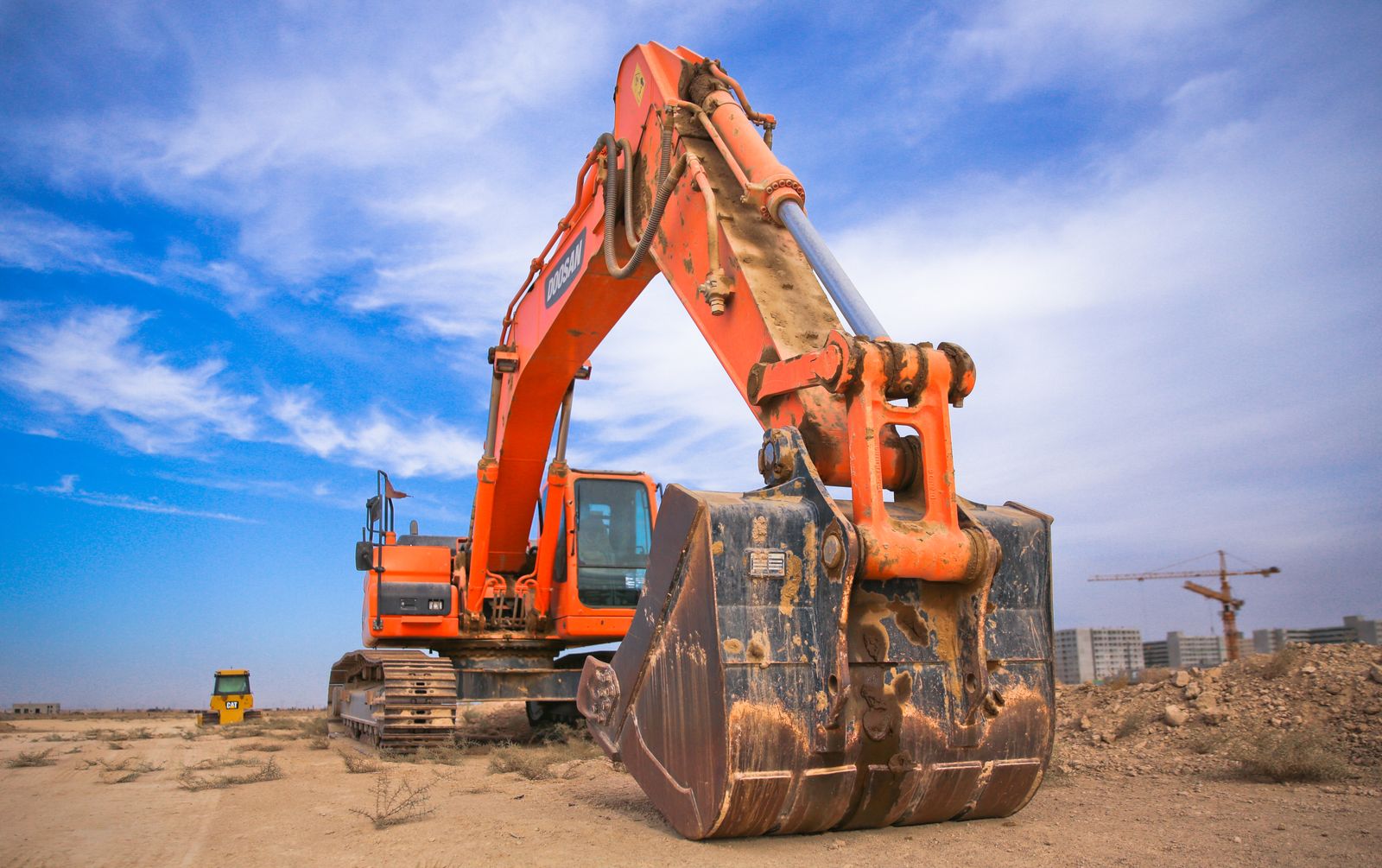
The insurance certificate: read the limits, then read the exclusions
Before any machine moves, get a current certificate of insurance directly from the carrier's insurance agent — not a photocopy the dispatcher keeps in a drawer — and read three numbers. Auto liability: the federal floor for for-hire carriers of general freight is $750,000, and serious heavy haul operators commonly carry $1 million. General liability: not federally required for carriers, but $1 million is a common contract requirement. Cargo: this is the number that pays for your machine, and it is the one most often misunderstood.
Here is the trap: for general freight — machinery included — FMCSA does not require cargo insurance at all. Federal cargo filings are mandatory only for household goods carriers, at minimums ($5,000 per vehicle, $10,000 per occurrence) that would be a rounding error against a machine. Cargo coverage in heavy haul exists because contracts demand it, at whatever limit the contract sets. Broker and shipper requirements commonly start at $100,000, and heavy haul buyer guidance recommends $500,000 to $1 million in specialized cargo coverage for high-value machinery, with no exclusions for the machinery itself. So the questions are precise: What is the cargo limit? Does it exceed my machine's value — because if the machine is worth more than the limit, the policy does not cover the difference? And does the policy exclude things like improper loading, unsecured machinery, or loading and unloading damage? Standard freight policies sometimes do, which is exactly when heavy machines get hurt.
If the machine's value exceeds the carrier's cargo limit, the fix is contractual, not hopeful: declare the value in writing before the move, and either pay for increased coverage, buy your own primary cargo policy for the trip, or choose a different carrier. Do this before pickup. After damage, the certificate you accepted is the ceiling you accepted.
Permits: the load is legal only as described
A load needs oversize or overweight permits when the loaded combination exceeds legal limits — most commonly wider than 8.5 feet, taller than the state's height limit (often 13.5 to 14 feet), longer than allowed, or over 80,000 pounds gross on the Interstate system, with axle limits on top of that. Each state the load crosses issues its own permit, and the permit specifies the route, the travel times, and whether escort vehicles are required.
The contract should state plainly who obtains the permits — almost always the carrier — and the shipper's obligation is accuracy: permits are written for the dimensions declared. A machine that turns out to be four inches wider than its paperwork can be stopped, fined, or impounded, and the argument about whose fault that is will start with the dimension sheet you signed off on. Ask for copies of the permits before the truck rolls, and check the dimensions and route against your machine. Also ask who pays if a permit is wrong, a route survey missed a low bridge, or a state restricts travel to certain hours and the load sits for a weekend. Detention and delay clauses are where those costs live.
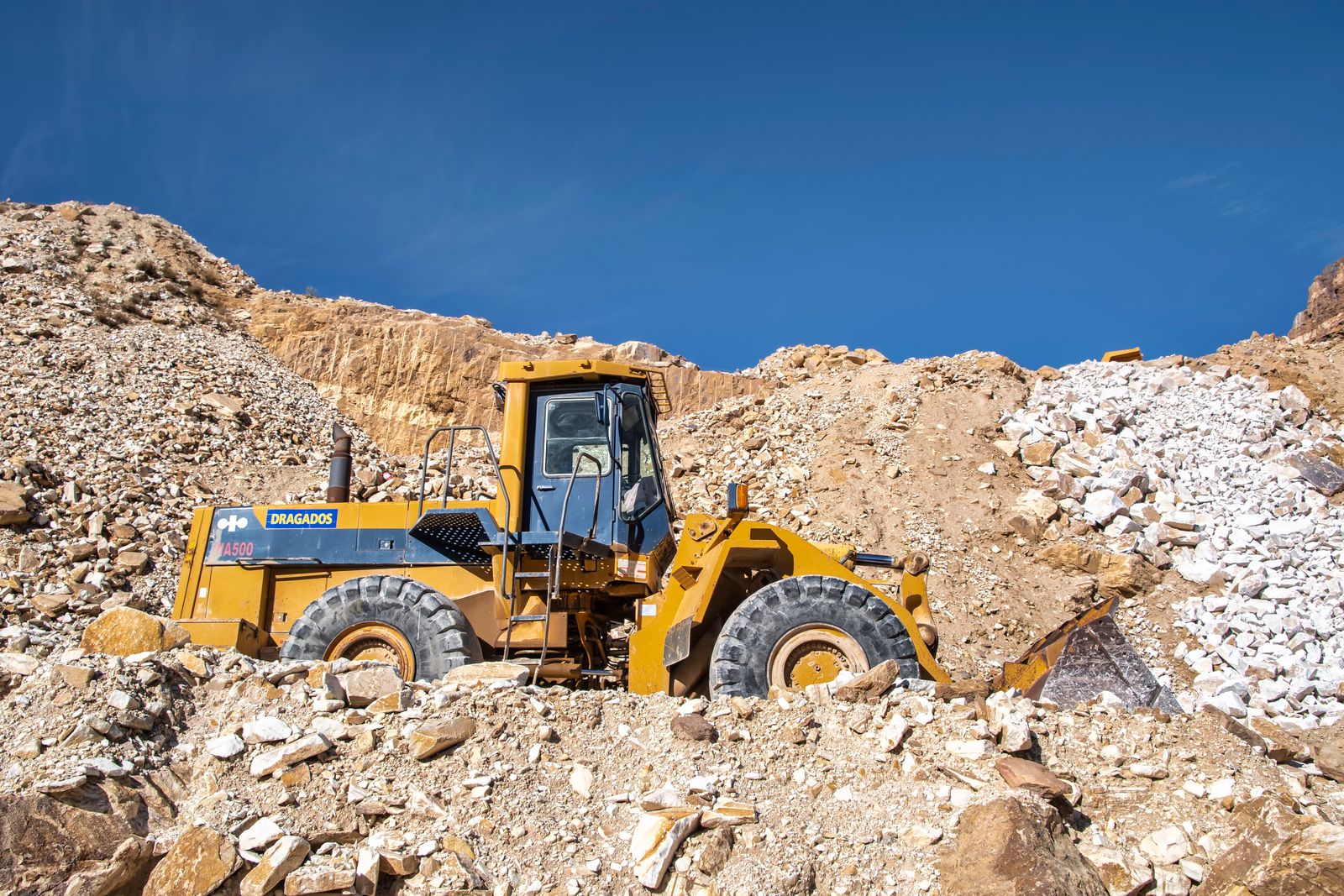
The liability clauses: Carmack, declared value, and the fine print
For interstate moves, the carrier's liability for cargo loss or damage is governed by the Carmack Amendment (49 U.S.C. § 14706). Its basic shape favors the shipper more than most contract fine print suggests: the carrier is liable for the actual loss or injury to the property, and once you show the machine was tendered in good condition and arrived damaged, the burden shifts to the carrier to prove an excepted cause — an act of God, or your own improper preparation, for example.
Two contract features can shrink that protection, and both deserve a hard look. The first is a released value or liability limitation clause: a carrier may limit its liability to a declared or agreed value where the shipper was offered a genuine choice. If your contract caps liability at a figure far below the machine's worth — per pound, per article, or a flat amount — you have not bought a move, you have bought a discount on your own machine's risk. Strike it, declare full value, or insure the gap yourself. The second is consequential damages language: carriers routinely exclude downtime, lost contracts, and rental replacement costs. If a two-week delay on a job-critical machine would cost you more than the machine's repair, that exclusion is the most expensive line in the document, and separate delay or downtime coverage is worth pricing.
Also read the payment and lien terms. Contracts commonly give the carrier a lien on the load for unpaid charges and may demand payment before unloading in a dispute. Know, before pickup, exactly what is due, when, and what happens to the machine if there is a billing disagreement at destination. Machines have sat on trailers over remarkably small arguments.

The bill of lading: the document that decides claims
The bill of lading is the receipt for your machine and the core evidence in any claim. At pickup, it should identify the machine by make, model, and serial number, state its condition, and note existing damage — every dent, leak, cracked glass, and inoperative function — before loading. The professional standard is a joint condition report with dated photographs: walk-around shots, the hour meter, attachments, and any existing damage in close-up. Guidance from heavy haul cargo specialists is blunt about why: a successful claim packet is built from the original bill of lading, the delivery receipt, the commercial invoice proving value, a repair estimate, and before-and-after photographs. You assemble most of that packet at pickup, or you do not assemble it at all.
At delivery, the rule is absolute: never sign a clean bill of lading for a damaged machine. Note the damage explicitly on the delivery receipt before signing — what it is, where it is, and that it was not present at origin — and photograph it on the spot. Concealed damage discovered later can still be claimed, but it must be reported fast (often within days under standard freight guidelines) and the burden of proving it happened in transit moves to you. Under Carmack, formal claims carry a minimum filing window the carrier cannot shorten below nine months, and suit deadlines cannot be set below two years — but those are backstops, not a plan. Notify the carrier and your insurer immediately, in writing, and keep the machine unrepaired until the carrier has had the chance to inspect, unless safety requires otherwise.
A pre-signature checklist
| Document | Read for | Never sign blind when |
|---|---|---|
| Quote / rate confirmation | Real dimensions and weight; line-haul vs. accessorials; permit and escort inclusion | Dimensions are "estimated" or accessorials are "as needed" with no rates |
| Contract | Carrier vs. broker identity; MC/USDOT numbers; delay, lien, and payment terms | The hauling carrier is unnamed, or authority cannot be verified in SAFER |
| Insurance certificate | Cargo limit vs. machine value; machinery and loading exclusions; certificate currency | Cargo limit is below the machine's value, or the certificate did not come from the agent |
| Permits | Dimensions, route, travel times, escort requirements — per state | The permit dimensions do not match the machine in front of you |
| Bill of lading | Serial number, condition notes, existing damage, photographs | It says "condition good" over a machine with visible damage — at either end |
The bottom line
Heavy equipment moving paperwork is not bureaucracy around the real work; in a dispute, it is the real work. Verify the carrier's authority, make the quote carry real dimensions and itemized accessorials, read the cargo limit against the machine's value, check the permits against the machine, and treat the bill of lading as the legal document it is. The operators worth hiring — and there are thousands of them — expect exactly this reading. The ones who rush you past it are telling you how the claim will go.
Sources
- HTS Logistics, "Carrier Setup Packet" — FMCSA operating authority, $1 million auto and general liability and $100,000 cargo as broker requirements, and the federal $750,000 liability floor: https://htslogisticsny.com/carrier-setup
- The Machine Daily, "Selecting the Right Heavy Equipment Hauling Co: 2026 Buyer Guide" — RGN line-haul of $4.50–$7.00 per mile, oversize rates of $9.00–$14.00+ per mile, and $500,000–$1,000,000 specialized cargo coverage guidance: https://www.themachinedaily.com/heavy-hauling/vetting-heavy-equipment-hauling-co-buyer-guide
- Full Coverage Truck Insurance, "Cargo Insurance for Trucking" — Carmack Amendment liability under 49 U.S.C. § 14706 and FMCSA cargo filings applying only to household goods carriers: https://myfullcoverage.com/blog/cargo-insurance-trucking
- Atlantic Project Cargo, "Freight Damage Claims: What to Do If Equipment Arrives Damaged" — noting damage on the bill of lading, concealed-damage reporting, and the documents a claim packet requires: https://atlanticprojectcargo.com/insights/heavy-equipment-shipping-damage/
- IronMart Online, "How to Safely Transport Heavy Machinery: A Buyer's Guide" — per-state oversize permits, route and escort conditions, and pre-transport inspection: https://www.ironmartonline.com/how-to-safely-transport-heavy-machinery-buyers-guide/
- Number 1 Auto Transport, "Heavy Equipment Transport" — legal limits of 8.5 feet width and 80,000 pounds gross, and per-state permit requirements: https://number1autotransport.com/heavy-equipment-transport/
- Movers-Map.com taxonomy listings, queried November 24, 2026 — 2,791 Heavy Equipment Movers listings and 24,571 Moving & Storage listings.
- Heavy machinery in a mine — photo by Enrique, https://www.pexels.com/photo/heavy-machinery-in-mine-15071424/
- Excavator and workers reviewing paperwork — photos via Pexels, https://www.pexels.com/photo/1078884/ and https://www.pexels.com/photo/1216589/
More guides
- How to Hire a Moving Company That Won't Hold Your Furniture HostageMovers › Moving & Storage
- How Much Do Movers Cost? Local vs. Long-Distance Pricing ExplainedMovers › Moving & Storage
- Binding vs. Non-Binding Estimates: The Difference That Decides Your Final BillMovers › Moving & Storage
- Moving Insurance and Valuation: What 'Full Value Protection' Really CoversMovers › Moving & Storage
- Long-Distance Moving: A Start-to-Finish Guide for Household GoodsMovers › Household Goods Moving & Storage
- All Guides & ArticlesBrowse the full guides library