Movers › Moving Companies
Hiring a Moving Company Across Montana: Big-City Choice vs. Small-Town Reality
A downsizing move is a negotiation with time: a house full of decades, a smaller destination, and a seller's or family's calendar that will not stretch. In Montana, add distance to every term of that negotiation. The state's "big cities" would be suburbs elsewhere, its towns are separated by hours of highway, and the moving company you hire may be driving farther to reach you than your furniture will travel afterward. The complaints that cross my desk from Montana rarely start with a broken lamp. They start with a truck that came from two counties away, a quote that turned out to be a guess, and a senior who felt she had no other option. She usually had one — she just needed it earlier.
This site lists 1,770 moving companies, but Montana's are spread across one of the largest and emptiest maps in the country: a working set in Billings, Bozeman, Missoula, Great Falls and the Flathead, and a very thin spread everywhere else. Here is how hiring works in each market, and the regulatory trap — a license that no longer exists — that catches people who do their homework in the wrong year's guide.
Billings and the small metros: a market, but a shallow one
Billings, Montana's largest city, supports a handful of real moving companies, and Bozeman, Missoula, Great Falls, Helena and Kalispell support a few each. That is enough for competing quotes — get three — but not enough for the deep bench a big metro offers: when one Billings company is booked out, the next call may be to a company that is also booked out, because they are all working the same short summer season with the same small labor pool.
Pricing is hourly. moveBuddha's data from actual booked Billings moves averages about $105 an hour across tracked movers, with a median local rate around $140 an hour, and most local moves using three or four movers over five to eight hours. Local cost guides for the city put totals roughly here:
| Home size | Typical Billings local total | Typical crew and time |
|---|---|---|
| Studio / 1-bedroom | $260–$750 | 2 movers, 3–5 hours |
| 2-bedroom | $575–$1,200 | 2–3 movers, 4–6 hours |
| 3-bedroom | $1,000–$2,325 | 3–4 movers, 6–9 hours |
| 4-bedroom and up | $1,700–$3,570 | 4+ movers, 8–12 hours |
For a downsizing household, the shallow market changes what to negotiate. In a deep market you negotiate price. Here, negotiate the shape of the job: a walkthrough before the quote (essential when the real inventory depends on what family takes and what gets donated), packing and unpacking included, a morning start, and a crew sized so the work finishes in daylight. A senior move that runs long because the crew was undersized is not a bargain at any hourly rate — it is an exhausted family finishing the job themselves at 9 p.m. Book four to six weeks ahead in summer; in these metros the calendar fills like a big city's, because the season is short and everyone in Montana moves in the same four months.
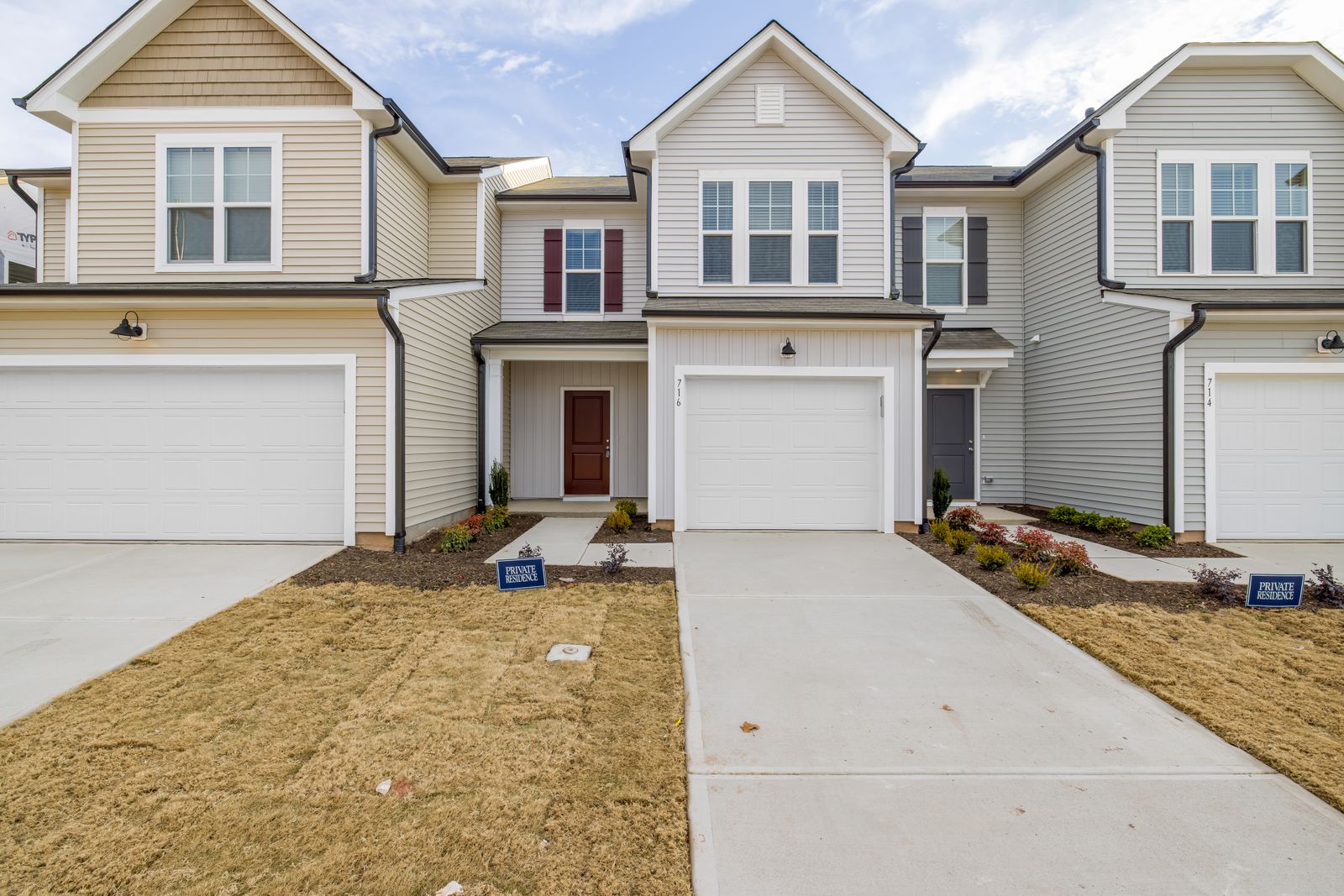
Rural Montana: the drive is the job
Outside the metros, hiring a mover is an exercise in logistics before it is a negotiation about money. The nearest company may be based in a regional center an hour or three away, and its quote will carry that geography: travel time or mileage for the crew's round trip, sometimes a minimum charge that reflects a whole day committed to your county. None of that is padding. A truck that leaves Billings at 6 a.m. to load in a small town at 9 has burned half a working day before your first box moves, and the company prices the day it actually has.
Three tactics work in this market, and all three are about being easy to serve:
Take the routed day. Rural operators batch jobs by direction. If the truck is already coming through your area on Thursday, Thursday's price will beat a special trip on Saturday, and your job becomes the anchor of a planned route rather than an exception the schedule resents.
Consolidate the decision-making before the truck comes. This is the downsizing-specific trap, and it is where my complaint files fill up: the crew arrives, hourly, and the family is still deciding which furniture goes. In a metro you can sometimes hire a second day. In rural Montana the second day may be next week. Finish the sorting first — destination floor plan measured, family items claimed and labeled, donations picked up — and get the mover's walkthrough done, in person or by video, on what is actually moving. This site lists 2,753 mini and self-storage businesses; a local unit is the pressure valve for the genuinely undecided, and a month of storage costs less than an hour of a standing crew, multiplied by a houseful of indecision.
Ask who the backup is. With one company serving a wide area, a breakdown or a sick crew chief has no understudy. Ask plainly what happens if the truck can't come on the day — the honest operators have an answer, usually a partner company in the next town, and the ones who are offended by the question are telling you something.
The license that isn't: Montana's deregulated market
Now the trap. Many national guides — and some state ones — still state that Montana household goods movers need a certificate from the Public Service Commission under MCA 69-12-301. That was true once. It is not true now. Montana's Class B certificate, the one that covered irregular-route carriers like household goods movers, was repealed in 2021, and the Class C contract-carrier certificate followed in 2023. The PSC's transportation oversight today covers Class A fixed-route carriers, Class D garbage haulers and Class E rideshare networks — not your mover. A typical household goods company operating inside Montana needs no PSC operating authority, and there is no state list of licensed movers to check.
That does not leave you unprotected; it changes where the protection lives:
- The Montana Consumer Protection Act (Title 30, chapter 14, MCA) covers movers as ordinary businesses — deceptive quotes and unfair practices are actionable, and complaints about movers go to the Montana Department of Justice's Office of Consumer Protection.
- Business verification is yours to do. Check the company in the Montana Secretary of State's business registry, confirm a real physical address, and make sure the name on the quote is the name on the registry and the truck.
- Insurance is a document, not a filing you can look up. Ask for certificates of liability and cargo insurance, and read the valuation clause of your contract before signing — in a deregulated market, the contract is the rulebook for what a damaged item pays.
- Written estimates are voluntary — so insist. No Montana statute requires a mover to give one or makes it binding. That is exactly why a downsizer should never proceed without a written, itemized quote tied to a walkthrough. The companies that do this without being asked are the market's quality signal.
And the usual boundary: a move crossing a state line — from the Flathead to Idaho, from Billings to Wyoming — is interstate, and FMCSA registration, a USDOT number, federal estimate rules and the federal complaint database replace Montana's framework entirely.

Winter, spring and the short season
Montana's moving year compresses into late spring through early fall, because the rest of the year argues back. Winter moves are doable and cheaper — the boards are empty and a flexible downsizer can often name the date — but they carry the state's real risks: highway conditions on the passes and across the plains, short daylight, and a long rural driveway that turns to ice. Spring brings its own constraint: from roughly February through May, frost laws restrict weights on many roads as the thaw weakens roadbeds, which can reroute or delay a heavy truck on rural routes. If your move must happen in either season, the questions are specific: What is the weather reschedule policy, in writing? Who clears the driveway and the walk? Does the crew carry the equipment for an icy approach? A local company will have unhesitating answers, because they do this every year. A company quoting your rural winter move from far away, cheaply, without asking about your road, has not thought about your move yet — and moving day is the wrong time for them to start.
If it goes wrong
Keep the paper trail a deregulated market demands: the written quote, the contract with its valuation clause, the inventory, and photographs at loading and at delivery, with damage noted before the crew leaves. File your claim with the mover in writing first. If the company won't resolve it — or if the problem is a deceptive quote or practice — the complaint goes to the Montana Department of Justice's Office of Consumer Protection under the Consumer Protection Act. For an interstate move, file with the FMCSA instead. In my files, the Montana consumers who recover are the ones who treated the written quote as the license: because in Montana now, functionally, it is.

Questions to ask a Montana mover
- Are you registered with the Montana Secretary of State under this exact name, and can I see your insurance certificates — liability and cargo?
- Will you do a walkthrough — in person or by video — after our sorting is done, and quote from that inventory in writing?
- How is travel charged from your base to my town, and is it in this quote as a number?
- Is my date routed with other jobs or dedicated — and what is the backup if your truck or crew can't come?
- What does the valuation clause in your contract actually pay for a damaged or lost item?
- For a winter or spring move: what is your weather reschedule policy, and do frost-law road restrictions affect my route?
- Do you offer packing, unpacking and set-up at the new home — and is that priced in the quote?
Montana rewards the downsizer who starts early, finishes deciding before the truck is booked, and verifies the business rather than hunting for a license the state stopped issuing. In Billings or Bozeman, add competing quotes. Everywhere else, add lead time and a routed day. The distance is the same either way — what changes is whether you planned around it or paid for it twice.
Sources
- MovingCompanyCall, "Montana Movers — Laws, Licensing & Moving Data" — establishes that the Class B and Class C motor carrier certificates covering household goods movers were repealed (2021 and 2023), that the PSC now certifies only Class A, Class D and Class E carriers, and that mover complaints go to the Montana Department of Justice, Office of Consumer Protection, under the Montana Consumer Protection Act.
- Haul Handbook, "Montana Intrastate Operating Authority: Who Needs It" — confirms the PSC's certificate classes and that general intrastate carriers operate under MDT-issued USDOT registration rather than PSC authority.
- FindTheMovers, "Montana Moving Company Regulations" — presents the older certificate position under MCA 69-12-301 still carried in many guides, and confirms the Attorney General's consumer protection office as a complaint channel; cited here for the contrast the article explains.
- moveBuddha, "How Much Do Movers Cost in Billings, MT?" and "Best Movers Near Billings, MT" — Billings local totals by home size from actual booked moves, the ~$105/hr tracked average and ~$140/hr median rate, and access-fee ranges.
- Montana Businesses Near Me, "How Much Do Movers Cost in Billings, MT?" — Billings crew rates of $110–$180 per hour for two movers and totals by home size, used to cross-check the table.
- Three Movers, "Montana Moving Permits & Licenses" — establishes spring frost-law weight restrictions on Montana roads, roughly February through May.
- FMCSA, Protect Your Move FAQ — establishes the federal registration, estimate and complaint rules that apply when a Montana move crosses a state line.
Photos: suburban house — photo by Curtis Adams, https://www.pexels.com/photo/10628458/ ; movers carrying boxes — photo by RODNAE Productions, https://www.pexels.com/photo/7464703/ ; family unpacking — photo by cottonbro studio, https://www.pexels.com/photo/family-unpacking-after-moving-4569340/
More guides
- How to Hire a Moving Company That Won't Hold Your Furniture HostageMovers › Moving & Storage
- How Much Do Movers Cost? Local vs. Long-Distance Pricing ExplainedMovers › Moving & Storage
- Binding vs. Non-Binding Estimates: The Difference That Decides Your Final BillMovers › Moving & Storage
- Moving Insurance and Valuation: What 'Full Value Protection' Really CoversMovers › Moving & Storage
- Long-Distance Moving: A Start-to-Finish Guide for Household GoodsMovers › Household Goods Moving & Storage
- All Guides & ArticlesBrowse the full guides library