Movers › Moving Companies
Hiring a Moving Company Across Nevada: Big-City Choice vs. Small-Town Reality
Every relocation I have coordinated into Nevada has run into the same two facts. The first is concentration: roughly three-quarters of the state's moving market lives in one valley — Las Vegas, Henderson, North Las Vegas and the master-planned sprawl around them, about 2.4 million people — with a second, smaller market in Reno-Sparks, and beyond that, towns separated by some of the longest empty highway in America. The second is that Nevada regulates its movers more tightly than almost any state in this series: a state certificate, a filed tariff, and a regulator that takes complaints. Families moving here get more paper protection than most — if they know to ask for the paper.
This site lists 1,770 moving companies; Nevada's cluster where its people do. What follows is how to hire in the valley, how to hire everywhere else, and how the state's certificate system changes the questions a family should ask.
Las Vegas: a deep market with a heat problem
The valley is a genuine buyer's market for movers. Dozens of certificated companies compete for the same family moves, quotes come quickly, and pricing is hourly: local guides and rate data put a two-person crew with a truck at about $100 to $186 an hour, three movers at roughly $140 to $279, with travel or truck fees of $50 to $150 and two- or three-hour minimums. Most local family moves land between $400 and $2,800 in total:
| Home | Typical Las Vegas local total | Typical crew |
|---|---|---|
| 1-bedroom apartment | $400–$750 | 2 movers |
| 2-bedroom condo or house | $650–$1,300 | 2–3 movers |
| 3-bedroom house | $1,200–$2,200 | 3 movers |
| 4-bedroom house | $1,800–$3,000 | 4 movers |
Then there is the heat, which is not a comfort issue but a scheduling and pricing system of its own. Las Vegas July highs average about 104–105 degrees and regularly push past 110; the inside of a parked truck can exceed 130 degrees, and asphalt can pass 150. Crews start at 5 or 6 a.m. from June through September to load before the worst of it, and they work measurably faster in morning air — on an hourly rate, the early start is a discount, not an inconvenience. Peak season runs May through September, and moveBuddha's Las Vegas data puts peak pricing — summer, weekends, the last three days of a month — at 20 to 30 percent above off-peak. A family that can take an October-to-April, midweek, mid-month date is buying the same valley at its softest. July and August add monsoon thunderstorms and flash flooding that can close valley roads on an hour's notice; a summer family move needs a weather conversation with the mover, not just a date.
The valley's other access layer is the HOA. Master-planned communities like Summerlin and Southern Highlands layer gate access, truck rules and move-in windows on top of the move; high-rise and condo buildings add elevator reservations. Confirm the gate code, the truck's entry point and any community move hours a week ahead — a crew idling at a gatehouse is billing you for the privilege.

Reno and the north: the second market
Reno-Sparks and Carson City form Nevada's other moving market — smaller, served by a thinner bench of certificated companies, and with a different seasonal enemy. Where the south bakes, the north's winter runs over Sierra passes: snow and chain controls on the routes west, and cold, icy mornings for moves within the Truckee Meadows. The hiring playbook is the same as the valley's — competing written quotes, the certificate check below — with lead times a little longer and a winter weather policy worth asking about. Families relocating between the two metros should note that the trip itself is a full day of Nevada highway, and the quote will price it that way.
Rural Nevada: certificated, but far away
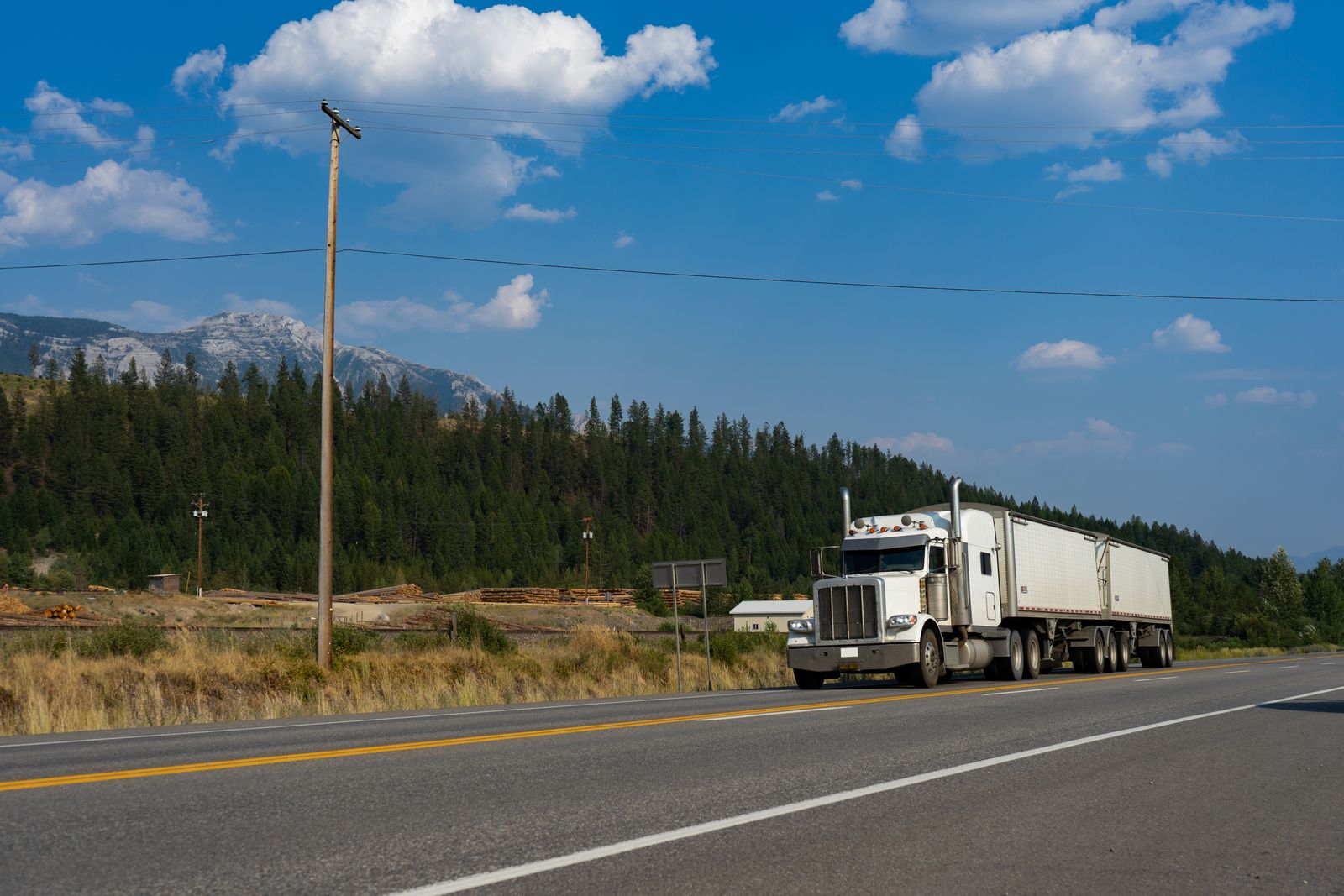
Beyond the two metros, Nevada is mining towns, ranching county seats and long US-93 and I-80 corridors — Elko, Ely, Winnemucca, Fallon, Pahrump and smaller. The moving market there is a handful of companies, some based hours away, and the economics follow: travel time priced into the quote, moves routed on the days a truck is already in your region, and lead times measured in weeks during the summer season. For a family, the tactics are the familiar rural ones, sharpened by distance: take the routed day if your closing allows it, finish every decision before the truck comes (a second trip is not an afternoon's errand at Nevada distances), and ask what the plan is if the truck breaks down or the weather turns on a route with no nearby substitute crew. This site lists 166 moving labor services among its listings nationally, and in rural Nevada the hybrid — your rented truck, a local crew for the heavy hours at each end — is sometimes the only plan B that exists. Price it before you need it.
The certificate and the tariff: Nevada's real consumer protection
Here is where Nevada differs from most of the country, and it matters more than any single quote. A company may not legally move household goods within Nevada without a Certificate of Public Convenience and Necessity — a CPCN — from the Nevada Transportation Authority. Getting one requires an application under NAC 706.1375, evidence of the insurance required by NAC 706.191, and a filed tariff: the company's complete rates, surcharges and service rules, on file with the Authority and public. Only certificated movers may operate, and consumers can complain to the NTA when one misbehaves.
Two details in the filed tariffs reward a family's attention:
Territory is part of the certificate. A Nevada CPCN grants operative rights for defined territory — one Las Vegas company's tariff, for example, covers points within Clark County on the one hand and the rest of Nevada on the other; a Reno company's covers Washoe, Carson City, Churchill and Douglas counties and statewide points. Ask whether your origin and destination are inside the mover's certificated territory. A mover working outside its operative rights is a problem the NTA cares about, and you want to know before the truck is loaded, not during a dispute.
The tariff is the price list, and it is public. Nevada tariffs are posted by the Authority and read like contracts — hourly rates, accessorial charges, rules for estimates, claims, declaration of value and full value protection, even a rule for "impracticable pick-up or delivery." Before you book, ask for the mover's CPCN number, then compare the quote against the filed tariff. A charge that isn't in the tariff, or a rate above the filed one, is the cleanest possible ground for a complaint — and the credible threat of that complaint resolves most billing arguments before they start.
Verification is short work: the mover's CPCN number should be offered without hesitation, its tariff can be read on the NTA's website, and the Authority takes consumer complaints about certificated carriers. An uncertificated operator — and Nevada's growth attracts them, usually advertising prices well under the certificated market — leaves you outside this entire system. The cheap quote is cheap partly because it skipped the certificate, the insurance filing and the tariff. Families find out which part they needed on the worst day of the move.
The familiar boundary still applies: cross into California, Arizona, Utah or Idaho and the move is interstate — FMCSA registration and a USDOT number become the check, federal estimate rules apply, and complaints go to the FMCSA rather than the NTA.
Heat, storage and the family's goods
One relocation-planning point that is purely Nevadan: if your move has a gap — the new house closes a week after the old one empties — what happens to your goods in between is a heat decision in the south. An un-airconditioned storage unit in Las Vegas in July can run hotter than the outdoor highs, and electronics, wood furniture, artwork, candles and vinyl can warp, crack or melt at temperatures a parked truck or a standard unit easily reaches. Climate-controlled storage is the default recommendation here, not an upsell; this site lists 2,753 mini and self-storage businesses, and in the valley the climate-controlled share of them is the only share a family with heat-sensitive goods should price. The same logic applies on the truck: on a summer move, ask what rides in the cab or gets loaded last and unloaded first. Candles and records do not belong in a 130-degree box over a lunch break.
If it goes wrong
Nevada's system gives you an order of operations. Note damage at delivery on the paperwork, photograph everything, and file your claim with the mover in writing — the tariff itself contains the claims rules, including deadlines, so read the copy that governs your move. If the company will not resolve it, or if the problem is a charge outside the tariff or an uncertificated operator, complain to the Nevada Transportation Authority, the regulator that issued the certificate and can act on it. For an interstate move, the FMCSA's complaint database is the channel instead. Keep the quote, the tariff pages and the bill of lading together; in Nevada, unusually, the paper really is the protection.

Questions to ask a Nevada mover
- What is your CPCN number from the Nevada Transportation Authority — and is my origin and destination inside your certificated territory?
- Does this quote match your tariff on file with the NTA? Can I read the tariff pages for the charges listed?
- What insurance do you carry under NAC 706.191, and what does your tariff's valuation rule pay for a damaged item?
- For a summer move: what time does the crew start, and how do you handle a monsoon or flash-flood delay?
- What are the gate, HOA or elevator requirements at my buildings — and who confirms them, you or me?
- If there's a gap between homes, is your storage climate-controlled, and what does the tariff charge per day?
- What is your claims process and deadline, as written in your tariff?
Nevada hands families a stronger toolkit than most states: a certificate to check, a tariff to read, a regulator that answers. In the valley, add competition and an early start time. Everywhere else in the state, add lead time and a routed day. Use the toolkit, and the desert is just weather.
Sources
- IAM Consumer Portal, "Nevada: Household Goods Mover Compliance Requirements (Intrastate)" — establishes the CPCN requirement from the Nevada Transportation Authority, the application under NAC 706.1375, insurance under NAC 706.191, the filed public tariff, and NTA consumer complaints.
- Nevada Transportation Authority, published household goods tariffs (CPCN 3400; CPCN 3415; CPCN 3380) — establish that tariffs are public documents naming hourly rates, accessorial charges and rules for estimates, claims and valuation, and that operative rights are granted for defined territory, such as Clark County and statewide points, or Washoe, Carson City, Churchill and Douglas counties.
- Star Van Lines, "Nevada Movers (2026)" and "Movers in Las Vegas, NV" — Nevada crew rates ($136–$186 per hour for two movers with a truck), Las Vegas July average highs of about 104–105 degrees, early-morning summer loading, monsoon flash flooding, and the climate-controlled storage recommendation for heat-sensitive goods.
- Nevada Businesses Near Me, "How Much Do Movers Cost in Las Vegas, NV?" — Las Vegas hourly rates by crew size, travel fees of $50–$150, totals by home size, and 5–6 a.m. summer starts.
- moveBuddha, "How Much Do Movers Cost in Las Vegas, NV?" — Las Vegas local totals from actual booked moves and peak-season pricing 20–30 percent above off-peak from May through September.
- FMCSA, Protect Your Move FAQ — establishes the federal registration, estimate and complaint rules that replace Nevada's when a move crosses a state line.
Photos: moving truck at apartments — photo by Royal Moving & Storage, https://www.pexels.com/photo/20706511/ ; truck on the road — photo by Braeson Holland, https://www.pexels.com/photo/a-truck-on-the-road-8994766/ ; family unpacking — photo by cottonbro studio, https://www.pexels.com/photo/family-unpacking-after-moving-4569340/
More guides
- How to Hire a Moving Company That Won't Hold Your Furniture HostageMovers › Moving & Storage
- How Much Do Movers Cost? Local vs. Long-Distance Pricing ExplainedMovers › Moving & Storage
- Binding vs. Non-Binding Estimates: The Difference That Decides Your Final BillMovers › Moving & Storage
- Moving Insurance and Valuation: What 'Full Value Protection' Really CoversMovers › Moving & Storage
- Long-Distance Moving: A Start-to-Finish Guide for Household GoodsMovers › Household Goods Moving & Storage
- All Guides & ArticlesBrowse the full guides library