Movers › Moving Companies
Hiring a Moving Company Across South Dakota: Big-City Choice vs. Small-Town Reality
South Dakota contains two moving markets that happen to share a state line. In Sioux Falls, a city of 213,748 people as of the Census Bureau's July 2025 estimate, you can get three written estimates by Friday, compare crews, and play companies against each other. In a town of 900 people two hours off Interstate 90, you may have exactly one mover within driving distance, a waiting list measured in weeks, and a bill that includes the cost of getting an empty truck to your door. Both moves are called "local." They have almost nothing else in common.
This guide is for people moving on a tight budget, which in South Dakota means understanding where the money actually goes in each market — and understanding the uncomfortable starting fact that shapes everything else: South Dakota gives you almost no regulatory safety net, so the paperwork you create yourself is the protection you get.
The rule that isn't there
Most states license household-goods movers who operate inside the state. South Dakota does not. There is no state license, no Public Utilities Commission certificate, and no intrastate operating authority for a mover to hold. The certificate and permit requirements that once applied to in-state carriers under the state's motor carrier chapter were repealed — most of the economic regulation in 1995, the remaining permit sections in 2014. What survives is vehicle registration, commercial plates, safety rules, and the general consumer protection law.
Read that again, because it changes how you hire. In a licensed state, "are you licensed?" is a real screening question with a database behind it. In South Dakota, anyone with a truck, commercial plates, and a business registration can call themselves a moving company for a move that starts and ends inside the state — Sioux Falls to Rapid City, Aberdeen to Mitchell, across town in Pierre. There is no state tariff on file to compare your bill against, and no state rule that requires the mover to give you a written estimate at all.
That does not make in-state movers suspect. It makes your own checks the whole system:
- Insurance, in writing. Ask for a certificate of insurance — liability and cargo — and call the insurer or check that the policy is current. A mover who cannot produce one is asking you to insure your own furniture.
- A written estimate anyway. The state may not require one for an in-state move, but you can. No written estimate, no booking. The estimate should state whether it is hourly or flat, what the hourly clock covers, and every extra charge you could plausibly meet: stairs, long carries, packing, travel time.
- A real address and a real history. A physical location you could drive to, reviews that mention South Dakota towns by name, and a business registration are the closest thing to a license check this state offers.
If something goes wrong on an in-state move, your complaint goes to the Division of Consumer Protection in the South Dakota Attorney General's office — online, or by phone at (605) 773-4400, or 1-800-300-1986 from inside the state. That office enforces general consumer protection law. It is a real remedy, but it is a slower and blunter one than a licensing board, which is another way of saying the contract matters more here than in most states.
When your move crosses a state line, everything changes
A move from Sioux Falls to Sioux City, Omaha, Fargo, or Minneapolis is not a South Dakota move with a longer drive. It is an interstate move, and federal rules take over completely.
Interstate movers must be registered with the Federal Motor Carrier Safety Administration and hold a U.S. DOT number, which you can check — along with their insurance and complaint history — through the FMCSA's consumer tools at ProtectYourMove.gov. The federal system then gives you specific rights that South Dakota's in-state market does not:
- A written estimate of all charges, based on an actual or virtual survey of your belongings.
- A choice between a binding estimate, which caps what you pay at delivery at the estimated amount, and a non-binding estimate, under which the mover cannot demand more than 110 percent of the estimate at delivery, with the balance billed afterward.
- Valuation choices you should understand before signing: the default released-value coverage pays just 60 cents per pound per item, while full value protection obliges the mover to repair, replace, or pay current market value for lost or damaged goods.
- Nine months from delivery to file a written claim for loss or damage — a deadline worth putting in a calendar the day the truck leaves.
The practical trap in eastern South Dakota is the short interstate hop. Sioux Falls sits minutes from Minnesota and Iowa, and a move that feels local can be federal. Ask every mover, in writing, whether your move is being booked as interstate, and if so, get the DOT number. A mover who is vague about this is telling you something.
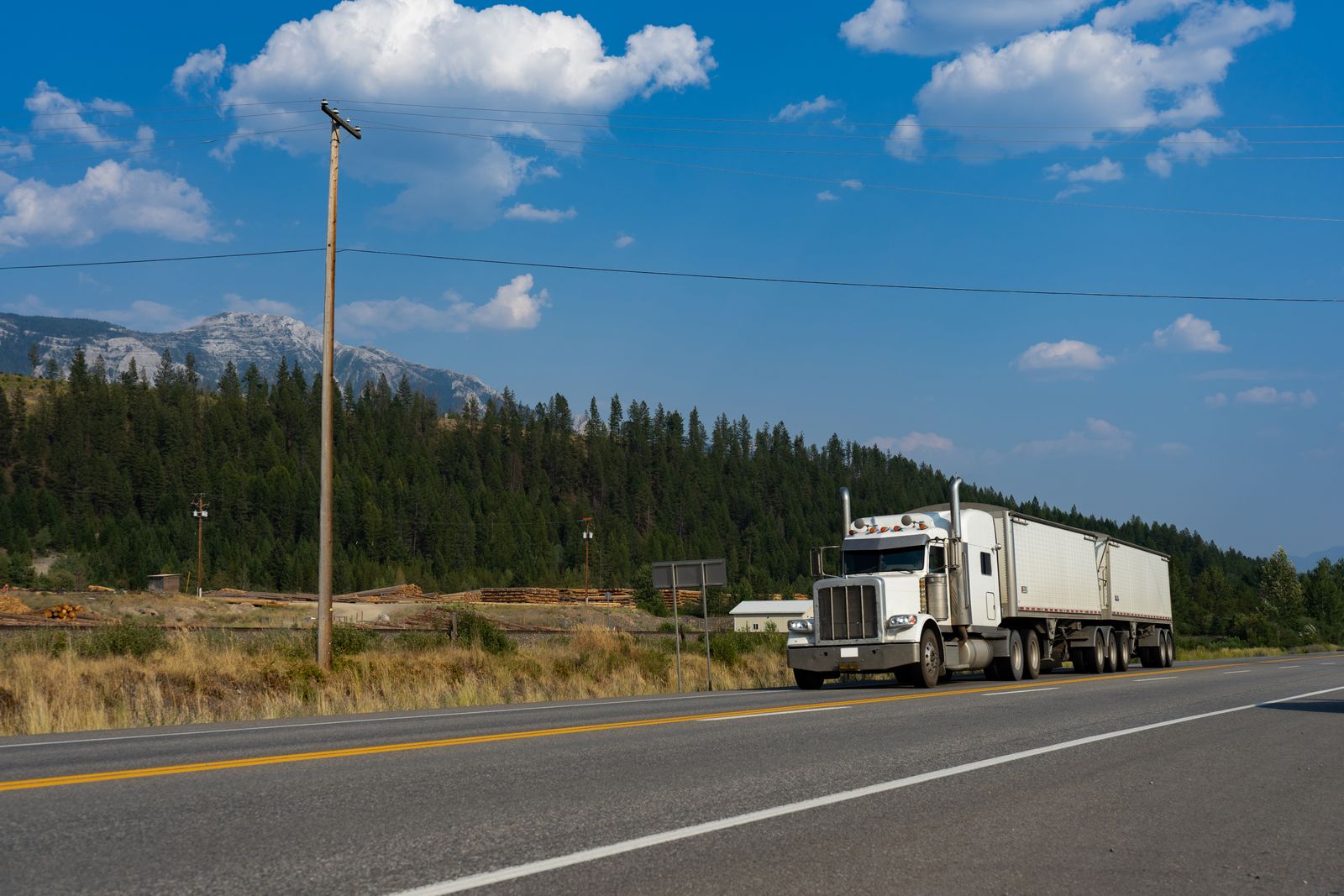
What it costs in the metros
Sioux Falls is the one South Dakota market with enough competition to produce real price data, and the honest summary is that full-service local moving there costs more than its budget reputation suggests. Based on moveBuddha's analysis of local full-service movers in the city, typical local moves break down like this:
| Home size | Typical local cost in Sioux Falls | Crew | Hours |
|---|---|---|---|
| Studio | $685 | 2 movers | 3 |
| 1 bedroom | $943 | 2 movers | 4 |
| 2 bedrooms | $1,510 | 3 movers | 5 |
| 3 bedrooms | $3,459 | 4 movers | 8 |
| 4 bedrooms | $3,965 | 4 movers | 9 |
| 5+ bedrooms | $6,087 | 5 movers | 10 |
The budget lever hiding inside those numbers is the split between labor and truck. HireAHelper's data from completed moves puts average labor-only help in Sioux Falls at about $754, against about $1,185 for local full service — and the statewide labor-only average is lower still, around $669. If you can drive a rental truck, hiring a local crew to load and unload is the single biggest saving available in this state, and it works in both markets: metro crews compete for the work, and in small towns the "mover" is often a labor crew anyway.
Rapid City, at 80,589 people, is the state's second market — big enough for genuine choice among local companies and the western base for national carriers, small enough that peak-season calendars fill fast. Treat it as a metro for shopping purposes (three estimates, written, compared line by line) and as a small town for scheduling purposes (book earlier than you think).
What it costs everywhere else
Outside the two metros, the bill changes shape. The work at your house costs roughly what it costs anywhere; what you are paying for is distance, in three forms.
Travel and deadhead time. A crew based in Aberdeen driving to your farmhouse outside town is burning paid hours and fuel before the first box moves. Expect travel charges, minimum-hour requirements that assume the drive, or both. Get them in the estimate, as a number, not discovered on the invoice.
Consolidation and waiting. A small-town mover with one truck schedules in routes, not appointments. Your move may wait until the truck is already coming your way — which can mean a flexible date saves real money, and a fixed date (a lease ending, a closing) costs a premium or is simply refused. Ask what a flexible window is worth. On a tight budget, it is often the best discount in the state.
The long in-state haul. Sioux Falls to Rapid City is roughly 350 miles on I-90, about five hours in good conditions. That is a full working day of driving wrapped around your load and unload, and it is priced like one: published estimates for a full-service move on that corridor commonly run from about $1,300 to $2,700 depending on home size and season. There is no version of that move that is cheap, only versions that are honest about the mileage.

The calendar is a price
South Dakota's moving season is compressed by weather in a way coastal movers never face. The practical season runs May through early October. Winter moves happen, but a prairie blizzard can close I-90 outright, and a mover quoting a January move is pricing the risk that your delivery slides by days. If you must move in winter, build the flexibility into your own plans first — a night or two of overlap between homes is cheaper than a truck idled by a closed interstate — and get the mover's weather-delay terms in writing before you sign.
Summer has the opposite problem. Demand peaks, and around Rapid City the first week of August brings the Sturgis Motorcycle Rally, which floods the Black Hills with traffic and fills every service calendar in the region. A Black Hills move that week is a move you book very early or not at all. Late spring and September are the state's value windows: open roads, available crews, and none of the peak-season premium that summer movers charge — on some long-distance routes, seasonal swings run 20 to 30 percent.
Tactics that work, by market
In Sioux Falls and Rapid City: competition is your tool. Get three written estimates, insist each is based on seeing your belongings (in person or by video), and compare the same line items — crew size, hours, travel, packing materials. This site lists 1,770 moving companies among its listings, and 24,571 moving and storage listings overall, so a directory search will give you more names than you can use; the work is narrowing by reviews that name your town and your kind of move, then verifying insurance and paperwork. A quote far below the other two is not a bargain until you know which line item is missing.
In small towns: relationship is your tool. The local mover's reputation is their entire marketing budget, and it is usually checkable in an afternoon — ask the hardware store, the real estate office, the last neighbor who moved. Book early, offer date flexibility, pack and stage everything yourself to cut paid hours, and consider the hybrid that rural South Dakotans have used forever: the local crew loads, you or a rental truck hauls, a crew at the other end unloads. What you should not do is import a metro mover at metro travel rates without first pricing the local option — the deadhead miles will eat the difference.
Everywhere in the state: photograph your furniture before it is wrapped, keep the signed estimate and every text message, pay the deposit the way the contract specifies and no more, and never let a mover's first number live only in a phone call. In a state with no mover's license to revoke, your file of paper is the enforcement mechanism.
The short version
South Dakota rewards two different kinds of shopper. In the metros, shop like a skeptic in a competitive market: three estimates, line by line, insurance verified, and the labor-only split priced as your budget fallback. Everywhere else, shop like a neighbor: book early, bend on dates, cut the crew's hours with your own preparation, and put every promise in writing — because the state, uniquely, will not do that part for you. Do either job well and a tight budget survives the move. Skip the paperwork, and in South Dakota there is very little underneath you.
Sources
- South Dakota motor carrier law, SDCL Chapter 49-28 and its repeal history — establishes that no state license or operating authority exists for intrastate household goods movers, and that complaints route to the Attorney General's Division of Consumer Protection.
- Federal Motor Carrier Safety Administration, consumer guidance and ProtectYourMove.gov — establishes interstate registration and USDOT requirements, written and binding/non-binding estimate rules including the 110 percent rule, and valuation and claims basics.
- moveBuddha, Sioux Falls moving cost data — establishes the local full-service cost ranges by home size, crew, and hours used in the table.
- HireAHelper, Sioux Falls and South Dakota moving cost data — establishes the labor-only versus full-service averages for Sioux Falls and statewide.
- U.S. Census Bureau, QuickFacts for Sioux Falls and Rapid City — establishes the July 2025 population estimates of 213,748 and 80,589.
- Published Sioux Falls–Rapid City route estimates — establishes the roughly 350-mile I-90 corridor, typical full-service price range, and seasonal price swings.
Photo credits: truck on the road — photo by Braeson Holland, https://www.pexels.com/photo/a-truck-on-the-road-8994766/ — mover carrying boxes beside a van — photo by Artem Podrez, https://www.pexels.com/photo/5025669/ — suburban house — photo by Curtis Adams, https://www.pexels.com/photo/10628458/
More guides
- How to Hire a Moving Company That Won't Hold Your Furniture HostageMovers › Moving & Storage
- How Much Do Movers Cost? Local vs. Long-Distance Pricing ExplainedMovers › Moving & Storage
- Binding vs. Non-Binding Estimates: The Difference That Decides Your Final BillMovers › Moving & Storage
- Moving Insurance and Valuation: What 'Full Value Protection' Really CoversMovers › Moving & Storage
- Long-Distance Moving: A Start-to-Finish Guide for Household GoodsMovers › Household Goods Moving & Storage
- All Guides & ArticlesBrowse the full guides library