Movers › Moving Companies
Hiring a Moving Company Across Texas: Big-City Choice vs. Small-Town Reality
Texas breaks the mental model relocators bring from other states. A move from Houston to El Paso covers about 745 miles — longer than New York to Chicago — without ever leaving the state's regulatory system. The metros are enormous and competitive: Houston, Dallas–Fort Worth, Austin and San Antonio each support hundreds of movers. And between and beyond them lies one of the largest small-town territories in America, served by companies that may drive two hours of empty highway to reach a front door. For a renter — the customer with the hardest deadlines and the least storage slack — the state also offers something genuinely useful: a registration system with a public lookup, a filed ceiling on rates, and a written proposal that must state the maximum you can be charged, before anything is loaded.
This site lists 1,770 moving companies; Texas's share clusters in the four big metros and thins across the plains, the Hill Country, the Valley and the Panhandle. Here is how hiring works in each world, and how to use the Texas paperwork that protects you in both.
The big metros: deep benches, hourly clocks, summer heat
In Houston, Dallas–Fort Worth, Austin and San Antonio, a renter can run a real competition. Local moves bill by the hour — statewide data puts the average at about $103 an hour per mover, with most companies enforcing a two-hour minimum — and metro rate comparisons put a two-mover crew with a truck at roughly $90 to $150 an hour depending on the city, with travel or truck fees of about $70 to $130 on top. Full-service local planning ranges for Texas run:
| Home size | Typical Texas local total | Typical crew and hours |
|---|---|---|
| Studio / 1-bedroom | $430–$585 | 2 movers, 3–4 hours |
| 2-bedroom | $900–$1,200 | 3 movers, about 5 hours |
| 3-bedroom | $1,990–$2,500 | 4 movers, about 8 hours |
| 4-bedroom | $2,270–$2,800 | 4 movers, about 9 hours |
| 5+ bedrooms | $3,450–$4,200 | 5 movers, about 10 hours |
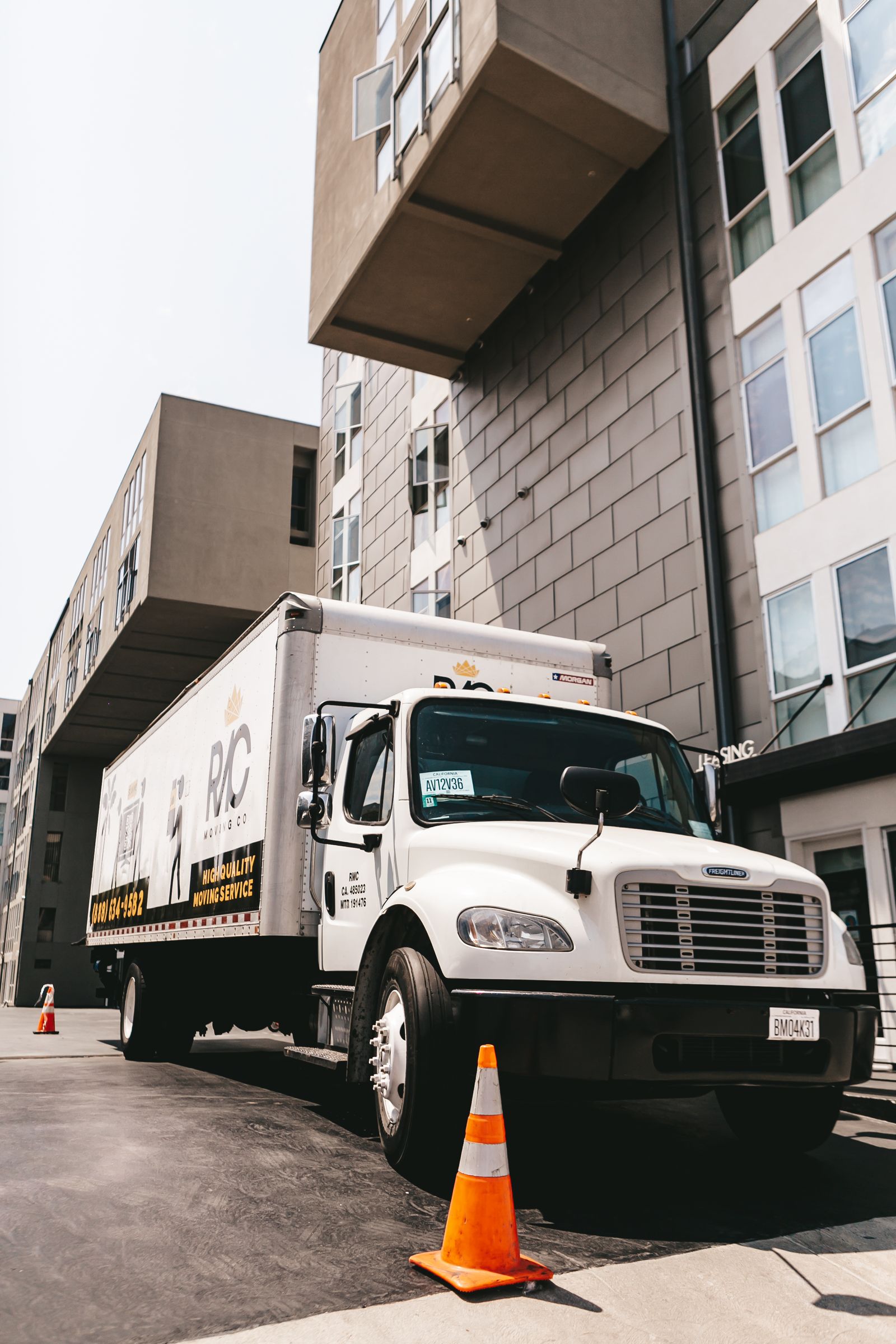
City guides put typical apartment moves at $500 to $1,500 in Dallas and Houston, with Austin running a little hotter. The access layer is where metro quotes diverge: high-rises in all three downtowns require certificates of insurance for the building, freight elevator reservations and sometimes move-in fees reported from $150 to $500; older Houston neighborhoods with narrow streets and long suburban driveways can force a shuttle truck, adding anywhere from a few hundred dollars to far more. A renter comparing quotes should give every company the same access facts — floor, elevator, carry distance, gate rules — because in the metros the building is a line item whether it is written down or not.
Then, the heat. Texas summer moving is a morning business: crews start early, work slows in afternoon heat, and an hourly job scheduled at noon costs more than the same job at 7 a.m. because it takes longer. Gulf Coast renters add storm season to the calendar — a tropical system in the Gulf can compress a whole region's moving schedule into the days before landfall and scatter it afterward — so a Houston or Corpus Christi move in late summer deserves a weather conversation and a backup window, agreed when you book, not when the forecast turns.
Between the metros: Texas-scale "local"
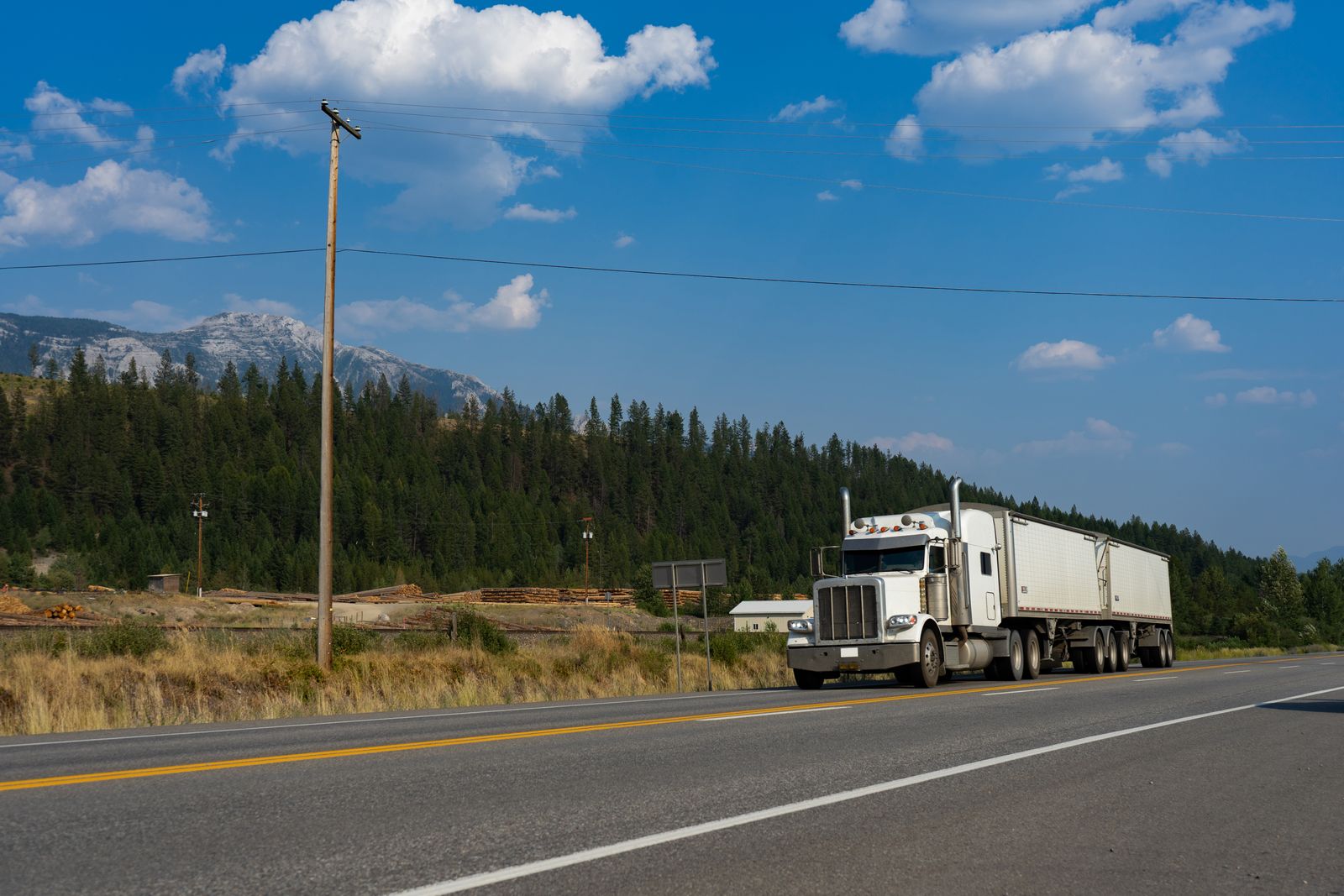
The state's signature move is the inter-metro haul that never crosses a state line: Dallas to Houston is about 240 miles, Dallas to Austin about 195, Houston to San Antonio about 200. Past roughly 100 miles, pricing flips from hourly to weight-and-mileage, and the job becomes a small long-distance move with Texas rules instead of federal ones. moveBuddha's route data for Houston to Dallas — full-service from about $923 to $5,460 depending on home size, with most two-to-three-bedroom moves between $1,494 and $4,042 — shows the shape of it, and the useful detail in that data is operational: regional Texas movers often deliver same-day or next-day on a route this size, which national carriers usually don't. For a renter between leases, that speed is worth asking for explicitly, and getting the delivery date guaranteed in writing.
Small-town Texas: the long empty map
Outside the metros and their suburbs, the market thins to the regional pattern, stretched over Texas distances. The Panhandle, West Texas, the Valley and the Piney Woods are served by companies based in regional centers — Amarillo, Lubbock, Midland-Odessa, Tyler, Waco, McAllen — and by metro companies running routes out. Expect travel priced into the quote, routed days, and summer calendars that fill early; expect also that a "local" company may be a genuine institution in a small market, known by name at the courthouse and the high school, which is its own form of accountability. The renter's tactics travel well: take the routed day, finish every decision before the truck comes, bridge any lease gap with storage booked early (this site lists 2,753 mini and self-storage businesses, and small-town Texas is well supplied with them), and confirm the booking by phone as the date approaches. What changes is the penalty for improvisation — at Texas distances, a forgotten piano or a second load is not a trip across town; it is a day.
The TxDMV system: registration, a rate ceiling and a maximum-price proposal
Texas regulates in-state movers through the Texas Department of Motor Vehicles, and a renter should use all three of its tools.
Registration you can look up. A carrier may not transport household goods for compensation within Texas — in a vehicle of any size — without registering with TxDMV as a household goods carrier and holding an active USDOT number (Transportation Code §643.051). The mover must show its company name, TxDMV certificate number and USDOT number on both sides of the truck, and its name, Texas street address and TxDMV number in its advertising. Verify the certificate is "Active" in TxDMV's Truck Stop lookup before you book; an unregistered mover is operating illegally, full stop, and Texas renters encounter them constantly in online listings priced below the registered market.
A tariff that caps the price. Every registered carrier must have a moving-services tariff on file with TxDMV setting its maximum charges (Transportation Code §643.153). Ask for a copy of the tariff — TxDMV's own moving checklist tells consumers to — because those filed rates are the ceiling on what the mover may charge, whatever the final bill tries to say.
A written proposal with a maximum, before loading. Under 43 TAC §218.56, before anything is loaded the mover must give you a written proposal stating the maximum amount you could be required to pay. It must be one of two types — binding, an exact price, or not-to-exceed, a maximum the mover may charge less than — and it must state when payment is due, what forms of payment are accepted, and conspicuously disclose the mover's liability for loss or damage. If items or services are added mid-move, both sides must agree in writing before the extra work; if the mover fails to amend the proposal properly, it may charge only what the original proposal stated. You must also receive TxDMV's "Your Rights and Responsibilities When You Move in Texas" sheet, and your signature on the moving services contract before loading begins.
The liability line — read it twice. The contract must state the mover's liability clearly, and it may lawfully state $0.00. The traditional basic liability is 60 cents per pound per article — a 50-pound television is covered for $30 — and a mover may agree in writing to a higher level, sometimes for a fee. This is not insurance, and the difference matters most to renters, whose landlords and leases do not care what the mover's tariff said. If your goods are worth more than pennies per pound, arrange the higher liability in writing or buy separate transit insurance, and do it before move day.
Complaints and questions run through TxDMV's consumer helpline at 1-888-368-4689 (TruckStop@txdmv.gov). Note the limit of the system: TxDMV regulates and can act on registration, but it does not settle loss-or-damage claims — those are filed in writing with the mover first. Cross a state line — from El Paso to Las Cruces, Texarkana to Arkansas, the Valley to anywhere — and the federal FMCSA system replaces Texas's, with its own estimate and complaint rules.

If it goes wrong
Work the paper in order. Note damage on the moving services contract at delivery — TxDMV's checklist is explicit: notify the mover immediately and notate it on all copies — and photograph everything. File the loss-or-damage claim with the mover in writing; keep the proposal, the contract with its itemized billing, and the tariff pages together. If the problem is an unregistered operator, charges above the filed tariff, or a final bill above the proposal's stated maximum without a written amendment, complain to TxDMV — those are registration violations, and the department's enforcement is built for them. For an interstate move, the FMCSA complaint database is the channel. And photograph the empty apartment on your way out: in Texas as everywhere, the deposit argument is the second move every renter makes.
Questions to ask a Texas mover
- What is your TxDMV certificate number — and will it show "Active" when I check it in the Truck Stop lookup?
- Can I have a copy of your tariff? Are all the charges in this proposal within its maximum rates?
- Is this proposal binding or not-to-exceed — and is the maximum amount I could pay stated in it, before loading?
- What does the liability line in your contract say — 60 cents per pound, a higher agreed level, or $0.00?
- If we add items or services on the day, will we amend the proposal in writing before the work is done?
- (Inter-metro) Is delivery same-day or next-day, and will you guarantee the date in writing?
- (Gulf and summer) What is your weather plan, and what backup window do we agree today?
Texas gives renters a rare combination: a lookup that settles whether a mover is legal, a filed ceiling on its rates, and a maximum price in writing before the truck is loaded. In the metros, add competition and a morning start. Everywhere else, add lead time. Use the paperwork, and the biggest state in the contiguous union gets considerably smaller.
Sources
- Texas Department of Motor Vehicles, "Moving Checklist" and consumer protection pages — establishes the TxDMV registration number check for "Active" status in the Truck Stop database, the right to a copy of the mover's tariff as its maximum rates, the written proposal showing the maximum price, the Rights and Responsibilities sheet, the signed moving services contract before loading, and the consumer helpline at 888-368-4689 (TruckStop@txdmv.gov).
- MovingCompanyCall, "Texas Movers — Laws, Licensing & Moving Data" — establishes the certificate of registration with household goods authority under 43 TAC §218.11, the tariff filing under 43 TAC §218.65 and Transportation Code §643.153, and the written proposal rules under 43 TAC §218.56, including the written-amendment requirement and the bar on charging beyond the original proposal when it is not followed.
- IAM Consumer Portal, "Texas: Household Goods Mover Compliance Requirements (Intrastate)" — confirms registration for vehicles of any size under Transportation Code §643.051(b), cargo insurance minimums of $5,000 per vehicle and $10,000 aggregate, and the binding or not-to-exceed proposal and contract requirements.
- TxDMV, "Your Rights and Responsibilities When You Move in Texas" — establishes the two proposal types and the basic mover liability of 60 cents per pound per article, with higher liability available by written agreement.
- Move Trust Hub, "Texas Movers, TxDMV Authority & Household-Goods Intelligence" — confirms that Truck Stop publishes insurance filings and that loss-or-damage claims are filed in writing with the mover, with TxDMV not settling claims.
- moveBuddha, "Houston to Dallas, TX Movers & Costs (2026)" — Houston-to-Dallas full-service ranges by home size and same-day or next-day delivery practice on the route.
- Moving-Cost.info, "Moving Cost by City (2026)" — metro crew rates for Houston ($100–$150/hr for two movers and a truck) and Dallas ($90–$140/hr), with typical local totals by home size.
- Suburban Relocation Systems, "Texas Movers" — full-service Texas local totals by home size and crew, the ~100-mile hourly-to-weight pricing threshold, inter-metro distances (Houston to El Paso about 745 miles), and high-rise access costs including certificates of insurance and move-in fees of $150–$500.
Photos: moving truck at apartments — photo by Royal Moving & Storage, https://www.pexels.com/photo/20706511/ ; couple carrying boxes — photo by Ketut Subiyanto, https://www.pexels.com/photo/focused-diverse-couple-carrying-boxes-downstairs-at-home-4246086/ ; truck on the road — photo by Braeson Holland, https://www.pexels.com/photo/a-truck-on-the-road-8994766/
More guides
- How to Hire a Moving Company That Won't Hold Your Furniture HostageMovers › Moving & Storage
- How Much Do Movers Cost? Local vs. Long-Distance Pricing ExplainedMovers › Moving & Storage
- Binding vs. Non-Binding Estimates: The Difference That Decides Your Final BillMovers › Moving & Storage
- Moving Insurance and Valuation: What 'Full Value Protection' Really CoversMovers › Moving & Storage
- Long-Distance Moving: A Start-to-Finish Guide for Household GoodsMovers › Household Goods Moving & Storage
- All Guides & ArticlesBrowse the full guides library