Movers › Moving Companies
Hiring a Moving Company in Alabama: A Resident's Guide to Costs and Rules
Dispatch teaches you Alabama moving the way a map cannot. The state is long — Huntsville to Mobile is a full day on I-65 — and it is really four markets wearing one name: Huntsville's aerospace relocations, Birmingham's metro churn, Montgomery's military and government moves, and Mobile's port and Gulf Coast work. National advice misses most of what decides a move here: the tariff your mover filed in Montgomery, the August lease flip in Auburn and Tuscaloosa, and whether your date lands in hurricane season on the coast or tornado season inland.
This guide is the Alabama version: what a move here costs, which rules govern it, and where the national playbook stops working.
The first question: does your move stay in Alabama?
Everything about your rights depends on one line. A move that starts and ends in Alabama is an intrastate move, regulated by the state. The moment it crosses a state line — Birmingham to Atlanta, Mobile to Pensacola, Huntsville to Nashville — it becomes an interstate move under federal rules administered by the Federal Motor Carrier Safety Administration, with federal written-estimate requirements, federal valuation options, and the federal rule that a mover cannot demand more than 110 percent of a non-binding estimate to release your goods at delivery.
That distinction surprises people on Alabama's edges, because the state's everyday geography ignores its borders. A move from Mobile to Pensacola is about an hour and feels local; legally it is interstate. A move from Huntsville to Mobile is more than 350 miles and feels like a long haul; legally it is an in-state move under Alabama rules the whole way. Do not let distance tell you which rulebook applies. The state line does.
Alabama's rulebook: a certificate, a tariff, and a quieter set of consumer rules
Alabama regulates intrastate movers under the Alabama Motor Carrier Act, through the Alabama Public Service Commission — the APSC, in Montgomery. A company hauling household goods for pay between two points in Alabama must hold APSC operating authority: a Certificate of Public Convenience and Necessity for household goods, applied for on the commission's household-goods form, with a $100 filing fee. A business that only arranges moves, without hauling, needs a separate broker licence and a surety bond of at least $10,000.
Three filings behind that certificate matter to you as a customer:
A tariff. A certificated household-goods mover must keep an approved tariff — its schedule of rates, charges and rules — on file with the APSC, and Alabama law requires a common carrier to charge what its filed tariff says: not more, not less, not something different negotiated in your driveway. In practical terms, the tariff is the price book. If a charge appears on your bill, it should be traceable to the tariff or to your written agreement. Ask to see the relevant tariff pages when a fee is disputed; a legitimate Alabama mover is used to the document existing, because the state requires it.
Insurance on file. Certificate holders file proof of liability insurance and cargo insurance with the commission — cargo coverage of at least $5,000, and public liability and property-damage coverage filed on standard state forms. Those minimums are floors for operating authority, not a promise that your household is covered to its value. Read the loss-and-damage terms in the mover's tariff and on your bill of lading, because Alabama sets no state cents-per-pound minimum for in-state moves the way federal rules set a released-value floor for interstate ones. What your goods are worth if something breaks is whatever those two documents say it is. Get them before moving day, not after.
A bill of lading. State motor-carrier rules require a bill of lading or similar document showing the parties, origin, destination, a description of the shipment, and actual or estimated weight. Treat that document as your contract's spine: keep your copy, and check the destination address and the valuation you chose before the truck leaves.
Where Alabama is genuinely hands-off — and this is the part national guides get wrong in both directions — is estimates and deposits. Alabama has no mover-specific statute requiring a binding or non-binding written estimate for an in-state move, and no statutory cap on deposits. That does not mean anything goes: charges still have to conform to the filed tariff. It does mean the written quote, the tariff and the bill of lading carry more weight here than a state estimate law would elsewhere. In Alabama, your protection is paper you collect yourself. Get the quote in writing, get the valuation in writing, and be suspicious of a large cash deposit demanded before any truck exists — the absence of a deposit cap is not an invitation, and reputable Alabama movers do not need half the move paid in cash to reserve a date.
If something goes wrong on an in-state move, complain to the APSC — Consumer Services takes complaints about certificated carriers, and the commission can act against a mover's state authority. For an interstate move, the complaint route is federal, through the FMCSA, with the Alabama Attorney General's consumer-protection office as a further route for deceptive practices in either case.

What a move costs in Alabama
Alabama is a comparatively affordable moving market — the state's overall price level sits well below the national average, and mover labor reflects that — but "affordable" still spans a wide range once home size and distance enter.
Local moves, generally under about 100 miles, are billed by the hour: crew size times hours, plus a travel or truck fee. Published Alabama pricing for 2026 puts a two-mover crew with a truck at roughly $109 to $201 an hour in the larger metros, three movers at about $167 to $299, and four movers at about $224 to $402. One Alabama cost model, scaled to local labor rates of about $36 to $46 per mover per hour plus a travel fee, produces the totals most families actually see:
| Home | Typical crew and hours | Typical local total |
|---|---|---|
| Studio | 2 movers, 2–3 hours | $219–$351 |
| 1-bedroom | 2 movers, 3–5 hours | $291–$535 |
| 2-bedroom | 2 movers, 5–7 hours | $435–$719 |
| 3-bedroom | 3 movers, 6–9 hours | $723–$1,317 |
| 4-bedroom+ | 4 movers, 8–10 hours | $1,227–$1,915 |
Longer in-state moves — Birmingham to Mobile, Huntsville to Montgomery — shift toward weight-and-distance or flat intrastate pricing, and published planning ranges for full intrastate relocations commonly run from about $1,600 to $5,000 for mid-size homes on the main corridors, and $2,000 to $6,500 for the longest north–south hauls. Those are planning bands, not bids. In Alabama more than in many states, the filed tariff means two certificated movers quoting the same corridor should be working from published rate structures — if one quote is half the other, ask what is not in it.
Three Alabama-specific factors move your number inside those bands:
Heat is a labor cost. An Alabama July move is slower than an Alabama October move, measurably. Crews pace in 90-degree humidity, hydration breaks are not optional, and an hourly move that would take six hours in spring takes seven or eight in August. You pay for those hours. Early-morning starts are the standard local countermeasure: a crew that loads at 7 a.m. finishes before the worst of the day, and often before the afternoon storms.
Stairs, hills and historic houses. Birmingham's hill neighborhoods, Mobile's raised historic cottages on pier foundations, and older walk-ups in Tuscaloosa and Montgomery all add carry time and sometimes stair fees. Dispatchers who know the street will ask about it. If nobody asks about access, the estimator has not priced your actual house.
Distance between metros is real distance. Alabama's cities are far apart by Eastern standards. Birmingham to Montgomery is about 90 miles, Birmingham to Huntsville about 100, Huntsville to Mobile well over 300. An "in-state" move here can be a two-day job with a crew overnight, and quotes should say so plainly.
The Alabama calendar: when to move, and when everyone else is
National peak season — May through September, month-ends, Saturdays — applies in Alabama, and then Alabama adds its own layers.
College towns flip in August. Tuscaloosa and Auburn–Opelika run on the university lease cycle. Student and young-faculty moves concentrate into a few weeks around the start of the academic year, small apartments dominate, and crews and trucks in those towns book out earlier than the size of the market would suggest. If your move touches either town in late July or August, book as if it were a big city in June: early.
Military rotations are steady, not seasonal. Maxwell Air Force Base in Montgomery, the Army aviation post near Enterprise, and Redstone Arsenal in Huntsville generate year-round moves on orders-driven dates that do not flex. If you are moving on orders, the booking — not the date — is the variable you control. Book as soon as orders are in hand.
Hurricane season governs the coast, not the calendar. Atlantic hurricane season runs June 1 through November 30. Most Mobile and Baldwin County moves in that window happen without incident, but a tropical system in the Gulf can close a moving week with a few days' notice. If you are moving on the coast in late summer, ask before you book how the mover handles weather reschedules — who chooses the new date, and whether your deposit and rate survive the move. Get that answer in writing. Inland, spring brings a different watch: March through May is Alabama's active tornado season, and a severe-weather day can delay a move in the Tennessee Valley or central Alabama. Professional crews work around weather; what they cannot do is produce a truck on the busiest Saturday of the year because a storm took your Thursday.
Summer heat plus summer demand is the expensive overlap. The same May-to-September window that fills movers' books is the window when hourly jobs run longest in the heat. A midweek, mid-month move in October or February in Alabama is not merely easier to book — on an hourly billing model, the same household often genuinely takes fewer hours to move.

Storage in Alabama: humidity is the decision
If your move includes storage — and in-state moves with a house sale on one end and a closing delay on the other often do — Alabama's climate makes one decision for you. Mobile is one of the rainiest cities in the country, with annual rainfall in the mid-60-inch range, and summer humidity across the state is relentless. Wood furniture, upholstery, electronics, instruments and paper do not forgive an uncontrolled metal unit in an Alabama August; mold and mildew are the standard outcome, not the bad-luck one. Climate-controlled storage is the default recommendation here for anything beyond a few weeks, and for Gulf Coast storage it is close to a requirement. Ask whether the mover's own warehouse is climate-controlled or whether your goods go to a third-party facility, and which address — that, too, belongs in writing.
Hiring, step by step, the Alabama way
- Classify the move. In-state or interstate? The answer chooses your regulator, your estimate rights and your complaint route.
- Check the certificate. For an in-state move, ask for the mover's APSC certificate — its Certificate of Public Convenience and Necessity — and verify it with the commission. For an interstate move, check the mover's U.S. DOT number with the FMCSA instead. A mover who cannot produce the credential for the move you are actually making is not a bargain.
- Get the quote in writing anyway. Alabama law may not force a written estimate for an in-state job, but nothing stops you requiring one as a condition of hiring. Include crew size, hourly rate or flat price, travel fees, and what happens if the job runs long.
- Ask about the tariff when money is disputed. Charges on an in-state move should conform to the filed tariff. Asking "where is that in your tariff?" is a normal Alabama question, and a certificated mover can answer it.
- Fix the valuation before loading. Read the loss-and-damage terms in the tariff and on the bill of lading. If the default coverage is thin against the value of your household, buy the higher option in writing.
- Put the weather term in the booking. Coast or inland, ask how rescheduling for a hurricane, tropical storm or tornado watch works, and whether your rate and deposit carry to the new date.
- Book to the local calendar. August in Auburn or Tuscaloosa, month-ends anywhere, and summer Saturdays statewide need the longest lead — two to four weeks is a working minimum most of the year, and six or more for peak and long in-state dates.
This site lists 1,770 moving companies, so Alabama families comparing certificated movers are not choosing between one quote and none — there is a market to work. Use it the Alabama way: credential first, tariff second, calendar third, and everything in writing, because in this state the paper is the protection.
Sources
- Alabama Public Service Commission, "Intrastate Registration" — establishes that a certificate is required to transport property, including household goods, for hire between points in Alabama, and the household-goods filing requirements including a tariff and insurance forms.
- International Association of Movers consumer portal, "Alabama: Household Goods Mover Compliance Requirements (Intrastate)" — establishes the APSC household-goods certificate, broker licence and $10,000 bond, cargo insurance of at least $5,000, liability filings, and the April 30 annual report.
- Alabama movers laws summary, MovingCompanyCall — establishes regulation under the Alabama Motor Carrier Act (Ala. Code Title 37, Chapter 3), the filed-tariff charging rule, the absence of a state binding-estimate statute and deposit cap, and APSC Consumer Services as the complaint route.
- Star Van Lines, "Alabama Movers (2026)" — establishes local hourly ranges of $109–$201 for two movers and $167–$299 for three, and the main in-state corridors along I-65 and I-85.
- MyFastMovers, "Alabama Moving Costs" — establishes the per-mover hourly model of $36–$46 plus a travel fee and local totals by home size, scaled to Alabama labor rates.
- Move Trust Hub, "Alabama Movers Guide 2026" — establishes planning ranges for Birmingham homes and intrastate corridors including Birmingham to Mobile.
- The Movers, "The Best Time to Move in Mobile, AL" — establishes fall and spring as the easiest moving seasons on the Gulf Coast, morning starts against heat and afternoon storms, and hurricane season running June 1 through November 30.
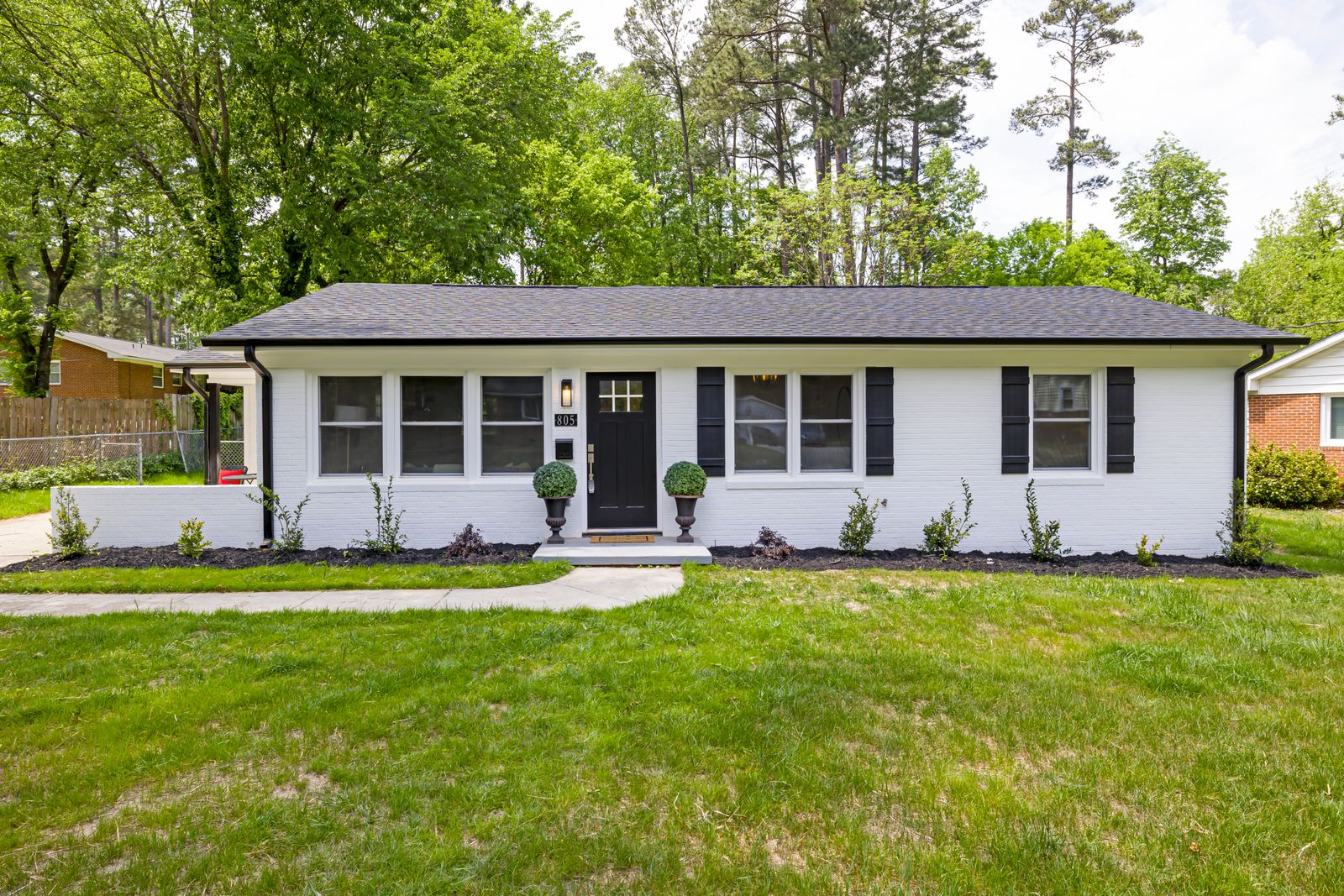
- Photo by David McBee, https://www.pexels.com/photo/high-angle-shot-of-suburban-neighborhood-1546168/
- Photo by Curtis Adams, https://www.pexels.com/photo/8031882/
- Photo by cottonbro studio, https://www.pexels.com/photo/4569340/
More guides
- How to Hire a Moving Company That Won't Hold Your Furniture HostageMovers › Moving & Storage
- How Much Do Movers Cost? Local vs. Long-Distance Pricing ExplainedMovers › Moving & Storage
- Binding vs. Non-Binding Estimates: The Difference That Decides Your Final BillMovers › Moving & Storage
- Moving Insurance and Valuation: What 'Full Value Protection' Really CoversMovers › Moving & Storage
- Long-Distance Moving: A Start-to-Finish Guide for Household GoodsMovers › Household Goods Moving & Storage
- All Guides & ArticlesBrowse the full guides library