Movers › Moving Companies
Hiring a Moving Company in Montana: Permits, Prices and Local Know-How
Montana breaks the national moving advice in three places, and all three will cost you money if you follow the generic version. First, distance: a move that stays inside one state can still run 345 miles, from Missoula to Billings, crossing two mountain ranges on the way. Second, regulation: Montana no longer licenses ordinary in-state movers, so the state credential the national checklists tell you to ask for does not exist — and asking for it tells a sharp operator exactly how little homework you have done. Third, season: this is a state where spring weight restrictions and winter passes are not footnotes but scheduling facts.
This guide is the Montana version: what the rules actually are here, what moves actually cost here, and the local conditions — passes, thaw, thin fleets and long empty miles — that should shape when you book and whom you hire. It is written for people watching every dollar, because in Montana the expensive mistakes are usually planning mistakes, not luxury ones.
The permit question, answered honestly
Start with the surprise. Montana used to certificate intrastate motor carriers through the Public Service Commission, and older guides still tell you to demand that certificate. It is gone. The Class B certificate that covered irregular-route carriers was repealed in 2021, and the Class C contract-carrier certificate followed in 2023. Under Montana Code Annotated 69-12-301 as it now stands, the PSC certifies only Class A fixed-route carriers, Class D garbage haulers and Class E rideshare networks. A household goods mover working on call anywhere in Montana needs no PSC operating authority, and there is no state list of licensed movers to check your company against.
That does not mean anything goes. It means your verification has to come from other places:
- The Secretary of State business registry. Confirm the company is a real, active Montana business under the name on your quote — not a website and a phone number.
- Insurance, in writing. With no state licensing gate, the certificate of insurance is your gate. Ask for it, and call the insurer if the move is large.
- The Montana Consumer Protection Act. Movers are ordinary businesses under Title 30, chapter 14 of the Montana Code. Deceptive practices — a bait estimate, a refusal to deliver — are actionable, and complaints go to the Montana Department of Justice's Office of Consumer Protection, not to the PSC.
- Vehicle rules still apply. Montana adopts federal safety rules for larger commercial vehicles, and intrastate carriers run under a USDOT number assigned through the Department of Transportation's Motor Carrier Services — you may see it marked with an MT suffix. A mover with trucks over the weight threshold should be able to show it.
- Crossing a state line changes everything. The moment your move leaves Montana — Bozeman to Cody, Missoula to Coeur d'Alene — it is an interstate move under federal FMCSA rules: written estimates, a visual survey offered, Full Value Protection offered, the 110 percent delivery cap on non-binding estimates, and nine months to file a damage claim. A move can be shorter in miles and far stronger in consumer protection simply because it crosses into Wyoming or Idaho.
The practical translation for a budget move: in Montana, the written quote is the regulation. Get the estimate, the inventory, the hourly or flat basis, the travel-time policy and the valuation terms on paper, because for an in-state move there is no tariff filed with the state to fall back on when memories differ.
What moves cost in Montana
Local Montana moves are billed by the hour, and published 2026 rate surveys put a two-mover crew with a truck at roughly $120 to $294 an hour depending on the market and the source, with three movers around $173 to $442 and four movers $230 to $589 at the top end in the priciest surveys. Tighter Montana-specific estimates cluster lower: about $120 an hour for two movers, $180 for three and $241 for four, truck included. At those rates, a typical in-town move runs about $400 to $475 for a studio, $850 to $1,250 for a two-bedroom, and $1,175 to $1,750 for a three-bedroom house.
The in-state long haul is where Montana budgets break. Missoula to Billings is about 345 miles; Bozeman to Billings about 140; Missoula to Kalispell about 115 up US-93; Helena to Great Falls about 90 on I-15. Planning ranges for a long intrastate move of a mid-size home run roughly $2,400 to $8,500, driven less by the furniture than by the road: a crew day each way, a truck that may return empty, and weather margin built into any honest quote. Out-of-state lanes price like the rest of the country — a two- to three-bedroom move from Montana commonly runs $2,588 to $4,600 in published ranges, with Billings to Denver, about 540 miles, often quoted $2,300 to $4,200 for a two-bedroom.
| Move | Typical cost | What drives it |
|---|---|---|
| Studio, in town | $325–$475 | Crew hours only; the cheapest move in the state |
| 2-bedroom, in town | $850–$1,250 | About $120/hr for two movers, truck included |
| 3-bedroom, in town | $1,175–$1,750 | Third mover usually pays for itself in saved hours |
| Long in-state (e.g. Missoula–Billings, 345 mi) | $2,400–$8,500 | Distance, passes, an empty return leg, weather margin |
| 2–3 bedroom out of state | $2,588–$4,600 | Weight and miles under federal rules |
One genuine Montana saving: the state has no general sales tax, so packing supplies, boxes and materials carry no tax at the register — a small mercy, but on a self-packed move it is real money. Buy supplies in Montana even if you are moving out of it.

Distance is the local condition
Every Montana mover prices the map before they price your furniture. Three consequences follow.
Travel time is billable, and it is long. Ask, in writing, how travel is charged: from the yard, portal to portal, or a flat trip fee. A crew based in Bozeman loading in Livingston and delivering in Big Timber can log two hours of highway before the first box moves. On an hourly quote, that policy is the difference between two companies' prices more often than the hourly rate is.
Thin fleets mean thin calendars. Outside Billings, Bozeman, Missoula, Great Falls, Helena and the Flathead, there may be one credible full-service mover within a hundred miles — or none. This site lists 1,770 moving companies, but Montana's share of them clusters in those same valleys. In practice: book summer moves four to six weeks out in the growth markets (Bozeman and the Flathead especially, where building seasons and moving seasons collide), and expect small-town moves to be scheduled around a truck already coming your way. That last point is also the budget trick — a mover deadheading back from a delivery near your town will sometimes price the return load keenly. Ask what is already on their calendar near your date.
Consolidation is normal on long lanes. On a 345-mile in-state run or an out-of-state move, your load may share a truck or transfer through a warehouse. That is not a scam; it is how thin lanes work. What you need in writing is the delivery window, not a promised day, and a phone number that reaches a person when the window moves.
Season: passes in winter, thaw in spring
Winter. I-90 crosses Lookout Pass into Idaho and Bozeman Pass between Livingston and Bozeman; I-15 climbs Monida Pass to Idaho and runs open, wind-scoured prairie north to Canada; US-93 to Kalispell is a two-lane winter drive. Trucks chain up, slow down and occasionally wait out closures. A winter quote should name its weather policy: who pays if the truck holds a day in Butte, and how delivery windows flex. Check Montana 511 before load day and build a one-day buffer into any winter closing date or lease start. The cheapest winter move is the flexible one — midweek, mid-month, with dates that can slide 48 hours.
Spring thaw. Between roughly February and May, many Montana roads carry seasonal weight restrictions as the frost leaves the ground — posted limits can drop axle weights substantially, and a fully loaded truck may be rerouted or split. If you are moving a heavy load — a full house, a piano, a safe, shop equipment — in March or April, ask the mover directly how posted roads affect your route. A local company will know which of your roads post, and when they usually lift.
Summer. Peak season is compressed here: university calendars in Bozeman and Missoula, construction season, tourist-season traffic in the Flathead and around Glacier and Yellowstone gateways, and wildfire smoke or closures in dry years all stack into June through September. Prices and minimums are at their highest, and the best crews book first. Shoulder months — May and October — are the budget mover's friends: fleets are available, rates soften, and the passes are usually, if not always, clear.
Questions to ask a Montana mover
- Are you quoting an in-state or interstate move, and which rules are you pricing under?
- Show me your Secretary of State registration and your certificate of insurance. If your trucks carry a USDOT number, what is it?
- How is travel time charged — from where, to where, at what rate?
- What is the delivery window, in writing, and what happens if weather on the passes closes it?
- If my move runs in spring, do posted weight restrictions affect my route or my price?
- What valuation covers my goods, what does it pay per pound if I waive the full option, and where is that in the contract?
- Who do I call — a name and a number — on load day and delivery day?
The bottom line for a tight budget
Montana rewards the mover-shopper who does the state's missing licensing work themselves: verify the business, verify the insurance, and get everything — travel policy, delivery window, weather terms, valuation — in writing, because no filed tariff stands behind an in-state quote. Spend your savings effort where Montana actually charges you: travel time, distance and season. Pack yourself (tax-free supplies help), stay flexible on winter and shoulder-season dates, ask about return loads, and book the valley crews early for summer. Do that, and a Montana move costs what it should: the crew, the truck, and the long, beautiful road between your two front doors — nothing extra for the surprises.
Sources
- Montana Code Annotated 69-12-301 and the 2021 and 2023 repeals of the Class B and Class C carrier certificates — the current scope of Public Service Commission certification (Class A, D and E only) and the absence of a state mover licence.
- Montana Public Service Commission and Montana Department of Transportation, Motor Carrier Services — PSC oversight limited to garbage hauling, fixed-route carriers and rideshare; intrastate USDOT assignment and federal safety-rule adoption.
- Montana Department of Justice, Office of Consumer Protection — the complaint route for movers under the Montana Consumer Protection Act, Title 30, chapter 14.
- Star Van Lines, Montana movers rate survey 2026 — local crew rates of $126–$294 per hour for two movers, long-distance ranges, and Montana lane distances including Bozeman–Billings and Missoula–Kalispell.
- MovingCompanyEstimate, Montana 2026 cost guide — Montana crew rates of about $120, $180 and $241 per hour for two, three and four movers, and local move totals by home size.
- Move Trust Hub, Montana Movers Guide 2026 — intrastate long-move planning ranges and the distance and mountain-weather cost drivers.
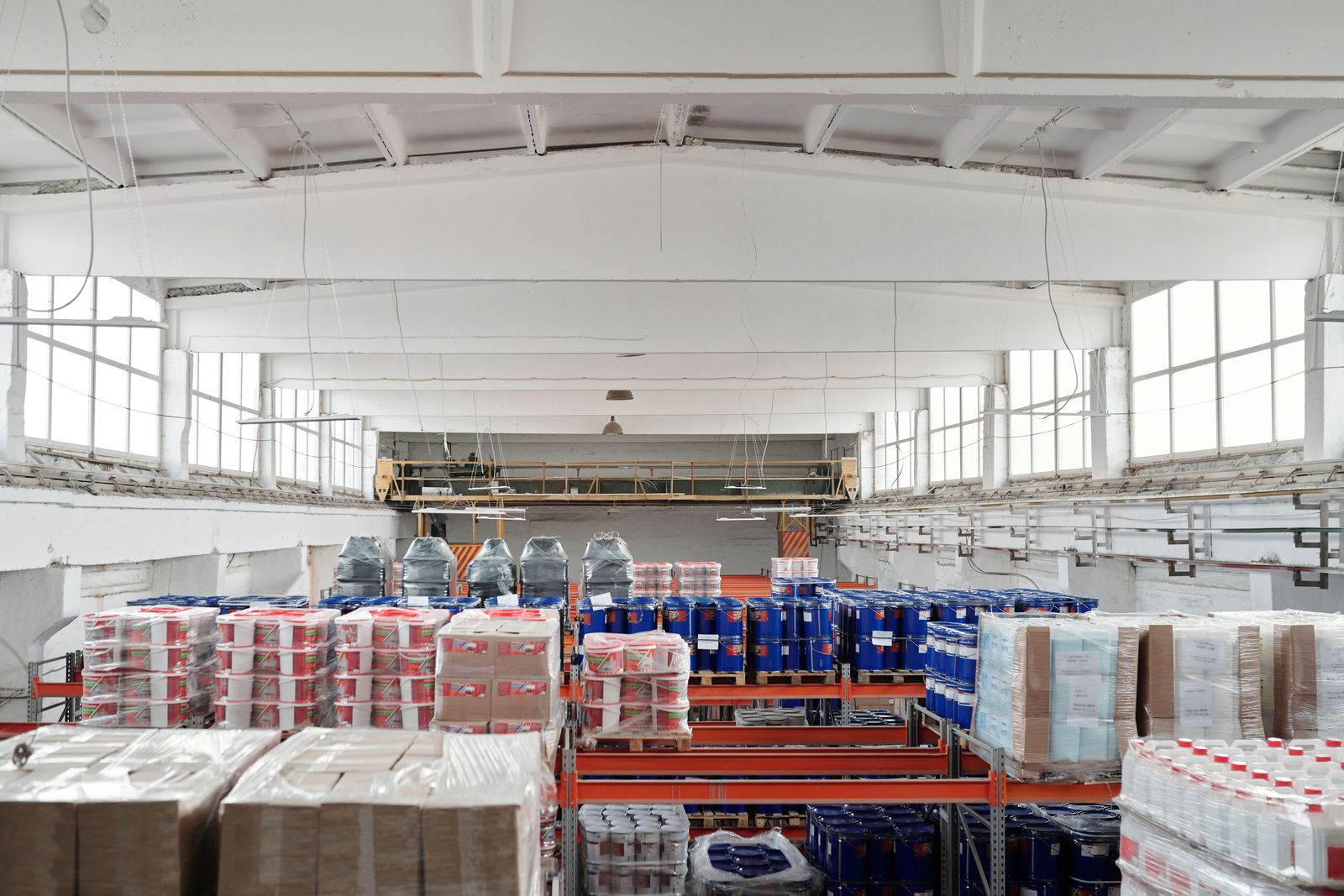
Sealing a box — photo by Ketut Subiyanto, https://www.pexels.com/photo/4246120/ Warehouse interior — photo by Tiger Lily, https://www.pexels.com/photo/photo-of-warehouse-4481326/
More guides
- How to Hire a Moving Company That Won't Hold Your Furniture HostageMovers › Moving & Storage
- How Much Do Movers Cost? Local vs. Long-Distance Pricing ExplainedMovers › Moving & Storage
- Binding vs. Non-Binding Estimates: The Difference That Decides Your Final BillMovers › Moving & Storage
- Moving Insurance and Valuation: What 'Full Value Protection' Really CoversMovers › Moving & Storage
- Long-Distance Moving: A Start-to-Finish Guide for Household GoodsMovers › Household Goods Moving & Storage
- All Guides & ArticlesBrowse the full guides library