Movers › Heavy Equipment Movers
How to Hire a Heavy Equipment Mover for Machinery and Oversize Loads
Moving a machine is not like moving furniture at a bigger scale. A couch that arrives with a torn cushion is an annoyance. A CNC machining center that arrives with a bent spindle, a cracked casting, or a bed that's no longer level is a production line that doesn't run — and a claim that can run to six figures. I dispatched heavy moves for fourteen years, and the jobs that went wrong almost never went wrong on the highway. They went wrong in the planning nobody did: the door nobody measured, the floor nobody checked, the permit nobody pulled, the "mover" who turned out to be a man with a rented flatbed and a confident phone manner.
This guide is how to hire the other kind — the rigging pros — and how to tell them apart from the flatbed cowboys before your machine is hanging from a crane.
Two different jobs hiding in one phrase
"Heavy equipment moving" bundles two distinct trades, and the first question in any hire is which one your job actually needs — many need both.
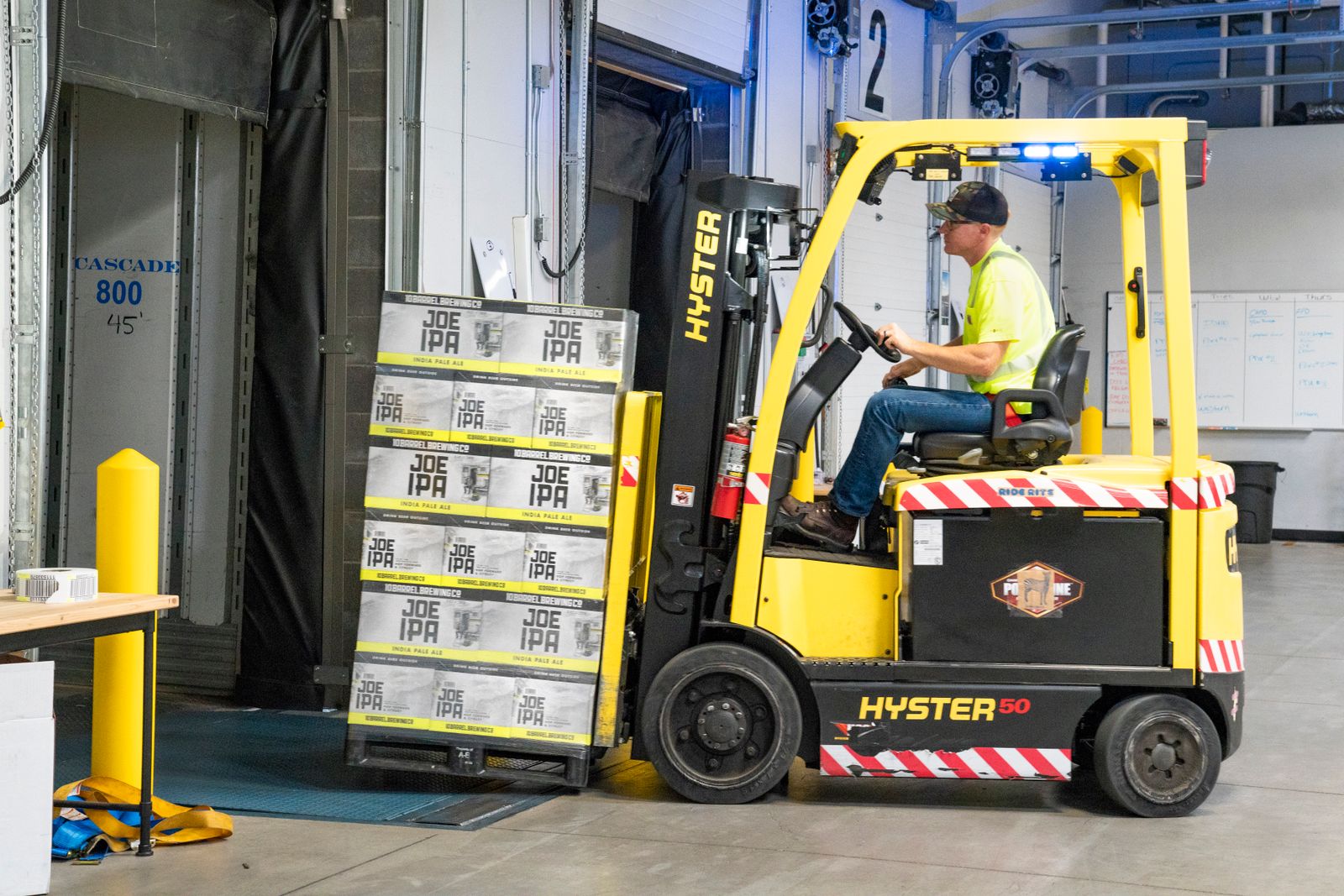
Rigging and machinery moving is the work at each end: getting the machine off its anchors, out of the building, onto transport, then back in and set at the other end. Riggers calculate the load's weight and center of gravity, choose the lift method — hydraulic jacks and machine skates, a gantry system, a heavy forklift, or a crane — and engineer the path: door heights, turning radii, floor loading, ramp grades, overhead clearance. Good firms survey both sites, write a lift plan, and finish by setting the machine on its pad, re-leveling and aligning it to tolerance. The better ones employ millwrights, so the crew that moves the machine is the crew that can disconnect, reconnect, and align it.
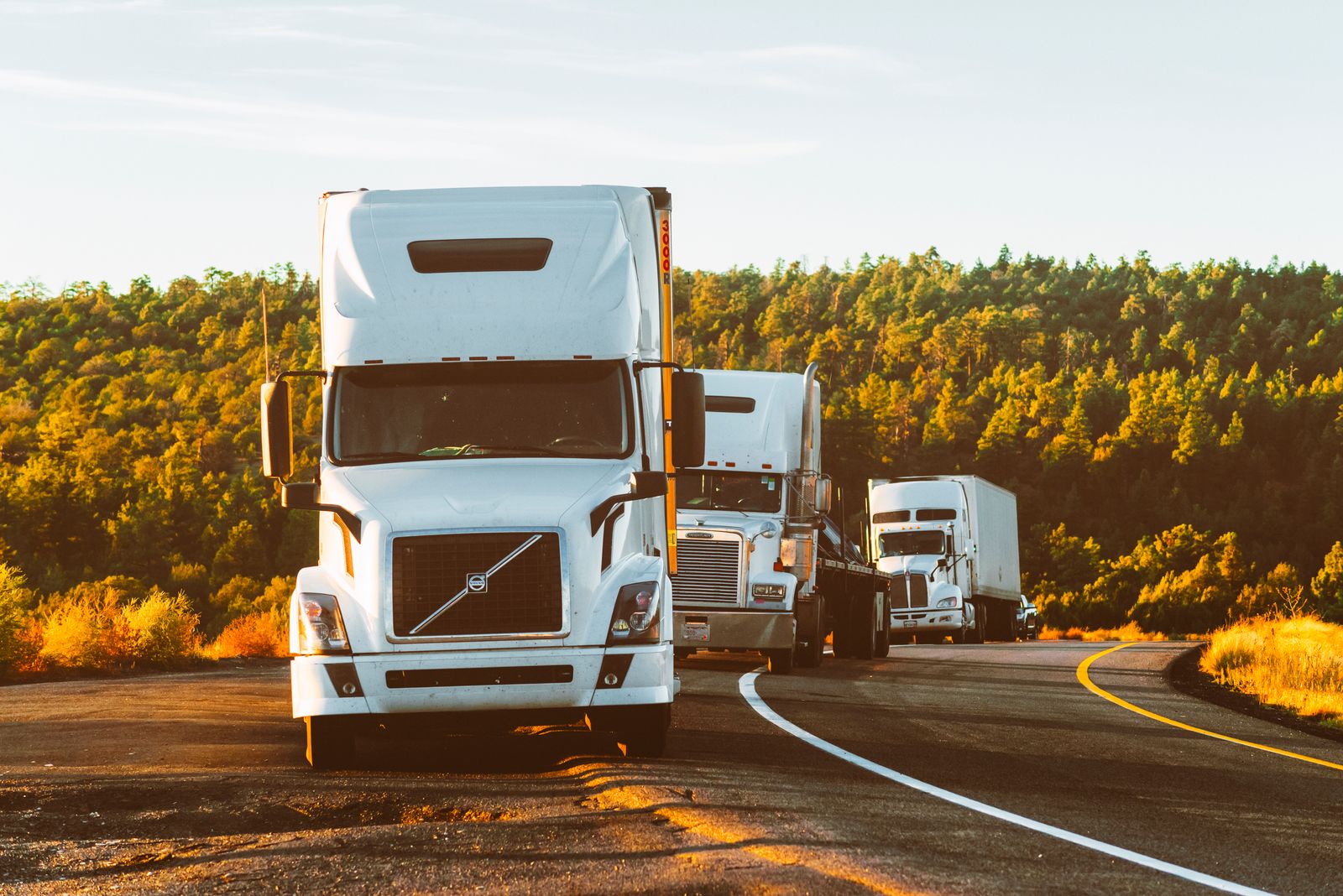
Heavy haul transport is the road work in between: tractors and specialized trailers — flatbeds, step decks, lowboys, and RGNs (removable gooseneck trailers) that let tracked machines drive on at ground level — plus the permits, route planning, and escorts an oversize load legally requires.
A general freight carrier can do the second job and not the first. A household mover can do neither. When a company tells you it "does heavy equipment," ask which half it self-performs and which half it subcontracts — and to whom. Subcontracting the haul to a vetted heavy-haul carrier is normal. Subcontracting the rigging to whoever answers a Craigslist ad is how machines get dropped.

The legal envelope your load has to fit — or permit
Every heavy move is governed by a simple set of numbers. Stay inside all of them and your load is "legal": it can travel on standard equipment with no special permission. Cross any one of them and you are in the permit system, with a different cost and schedule structure. Under federal rules (23 CFR 658) and state law, the envelope is:
| Limit | Legal without a permit | Notes |
|---|---|---|
| Width | 8 ft 6 in (102 in) | Federal limit on the National Network; the most commonly exceeded dimension for machinery |
| Height | 13 ft 6 in in most states; 14 ft in many western states | No federal height limit — each state sets its own, from 13 ft 6 in to 15 ft |
| Gross weight | 80,000 lb | Truck, trailer, and load combined, on the Interstate system |
| Single axle | 20,000 lb | A compact machine can be legal in size and still overweight on an axle |
| Tandem axle | 34,000 lb | Axle spacing (the federal Bridge Formula) can lower what's allowed |
| Trailer length | 53 ft in most states | States must allow at least a 48 ft semitrailer on the National Network |
Two consequences follow. First, measure the machine as it will ride, not as it sits. A press that is 12 feet tall in your plant may ride at 13 feet 8 inches on a flatbed — over the limit in most states — but at 12 feet 6 inches on a lowboy, because the deck sits lower. Trailer choice is a legal decision, not just a price decision, and a competent mover will spec the trailer from your machine's true dimensions and weight, including attachments, fluids, and tooling.
Second, permits are only for loads that can't reasonably be broken down. Federal rules define a nondivisible load as one that would lose its function or value if split, or would take more than eight work hours to dismantle. That is why a dozer blade that makes a load too wide may have to be angled, guarded, or removed and shipped separately — and why a mover who proposes permitting a load that should have been disassembled is telling you something about their planning.
Permits, route surveys, and escorts: where schedules are made
There is no national oversize permit. Every state on the route issues its own, with its own fees, thresholds, travel hours, and holiday restrictions — single-trip permits typically run from about $15 to $500 or more per state depending on the load. Routine permits in most states issue within one to three business days. Loads past the routine envelope — commonly wider than 16 feet, taller than 16 feet, longer than 120 to 150 feet, or at heavy gross weights — become "superloads," which can require engineering review of every bridge on the route and take weeks. The schedule for a multi-state move is set by the slowest, strictest state on it, so a mover quoting you a firm date before the permits are filed is guessing in your name.
A route survey is the document that makes the permit real. For anything beyond a routine move, the carrier (or a survey firm) drives or desk-checks the exact route for bridge and overpass clearances, weight-restricted bridges, tight turns, low wires, and construction. For tall loads, a survey vehicle runs ahead with a height pole set a few inches above the load's height — if the pole clears, the load clears. Ask whether your quote includes a route survey and who performs it. "We'll figure it out on the day" is not an answer; a bridge strike is the single most destructive event in this trade, and it is always a planning failure.
Escort (pilot car) requirements are state law, not mover preference, and they change at state lines. Width is the usual trigger: as a sample of the spread, New York requires a certified escort over 12 feet wide, Pennsylvania over 13 feet, Texas and New Jersey over 14 feet, Illinois over 14 feet 6 inches — and a load around 13 feet 6 inches wide that needs no escort in Texas needs two in Connecticut. Tall loads add a front escort with a height pole; the largest loads add police escorts. Escorts can join and drop off at state borders, which is one more reason the permit paperwork — not the sales quote — is the document that controls the move. Most states also restrict oversize loads to daylight hours, which caps daily mileage and belongs in any honest transit-time estimate.
Insurance and verification: the paperwork that separates pros from cowboys
Heavy machinery concentrates more value on one trailer than a household mover carries in a year, and the standard protections are thinner than most shippers assume. Do these checks before you sign anything:
Verify the carrier's authority yourself. Every interstate carrier has a USDOT number and, if it hauls for hire, an MC number. Look both up in the FMCSA's free SAFER database: you want USDOT status ACTIVE, operating authority AUTHORIZED for property (not household goods only, and not "NOT AUTHORIZED"), and a cargo profile that includes machinery/large objects. A broker must be licensed as a broker — and if you hired a broker, get the actual carrier's numbers before loading day, because the broker's paperwork does not move your machine.
Get a certificate of insurance, and read the cargo line. Liability insurance is not cargo insurance. You need to see the cargo (motor truck cargo) limit, confirm it exceeds your machine's value, and have your company named as certificate holder so you are notified of cancellation. If the machine is worth $400,000 and the cargo policy caps at $100,000, the gap is yours unless you buy supplemental coverage or a declared-value rider in writing. Ask, too, about the rigging phase specifically: damage during lifting and setting is where claims concentrate, and you want to know the mover's rigging work is covered, not just the road miles.
Ask for their safety record and their EMR. Rigging firms that work in plants live by their experience modification rate and OSHA record; a firm that can't or won't produce them is not working in serious facilities. References should be plant managers and facilities engineers with comparable machines — not a list of homeowners.
Document condition before the move. Photograph the machine from every side, note existing damage in writing on the bill of lading, and record that it was running (or its exact state) at pickup. This ten minutes is the difference between a paid claim and an argument.
What it costs
Heavy haul is priced per loaded mile, then built up with permits, escorts, fuel, and accessorials. Published 2026 industry rate guides put the planning ranges roughly here:
| Load type | Typical 2026 range | Notes |
|---|---|---|
| Legal-size lowboy / RGN | $3.50–$8.00 per mile | Machine stays inside the legal envelope |
| Oversize or overweight, all-in | $5.00–$15.00+ per mile | Linehaul plus permits, escorts, and fuel on many quotes |
| Standard flatbed, legal load | $2.10–$3.50 per mile | Mid-weight equipment that fits a flatbed |
| Local legal move (under ~100 mi) | $300–$800 flat | Dispatch minimums dominate short work |
| Local oversize move (under ~100 mi) | $800–$2,500+ flat | Short permitted run, extra setup |
Rigging is usually quoted separately, as a scoped lump sum or day rate after a site survey — and a rigger who quotes a complex lift sight-unseen, from a phone description, is pricing a different job than the one you have. Superloads are fully custom; published examples start around $10,000–$15,000 and run far higher. Read every quote for what's excluded: waiting time, crane or forklift rental when the machine can't drive on, overnight layovers forced by daylight-only travel, and escort no-show fees when a scheduled move slips. The cheapest quote in this trade is frequently the one that has quietly excluded the expensive parts of your job.
Questions to ask before you book
- Which parts do you self-perform — rigging, transport, setting and leveling — and who are your subcontractors for the rest?
- Will you survey both sites before quoting, and will I see the lift plan and route survey?
- What are my machine's exact riding dimensions and axle weights on your proposed trailer, and which states on the route require permits and escorts?
- Who files the permits, how long will they take, and what happens to the schedule if a state demands a superload review?
- What is your cargo insurance limit, will I be named certificate holder, and is the rigging phase covered?
- What is your USDOT/MC number, your EMR, and three references for comparable machines?
- What is excluded from this quote — waiting time, cranes, layovers, storage if the receiving site isn't ready?
Red flags that should end the conversation
A quote far below the field with no site survey behind it. No USDOT number, or one that comes back inactive or unauthorized in SAFER. A cargo limit the company can't document. Resistance to naming the actual carrier. A plan to "run it at night to skip the escorts." Cash deposits to a personal account. Any mover who treats permits as paperwork to be handled after the truck rolls has told you how your move will be handled, too.
Finding one
Start from the specialty, not the generic word "movers." This site's directory carries 2,791 listings under Heavy Equipment Movers alone, alongside its broader moving-company listings — narrow by that specialty, then apply the checks above: a survey before a quote, a lift plan and route survey you can read, verified FMCSA authority, cargo coverage that matches your machine's value, and references from people who trusted the firm with equipment like yours. Do that, and the machine that your plant runs on arrives as a machine — leveled, aligned, and ready to work — instead of as a claim.
Sources
- Federal Highway Administration / 23 CFR 658 — federal size and weight limits (102-inch width, 80,000 lb gross, 20,000 lb single axle, 34,000 lb tandem, Bridge Formula) and the nondivisible-load definition, via HTS Logistics, "Oversize Load and Wide Load Limits by State," https://htslogisticsny.com/oversize-permits/legal-load-limits
- Revolution Trucking, "Oversized Overweight Loads: Permits, Planning, and What Shippers Need to Know" — single-trip permit costs ($15–$500+ per state), permit types, and superload thresholds, https://www.revolutiontrucking.com/blog-posts/oversized-overweight-loads-permits-planning-shipper-guide
- Cargo1 Logistics, "Oversized Cargo Transportation & Heavy Haul" — carrier-held permits, routine permit timing (1–3 business days), and state-by-state escort variation, https://cargo1.us/services/oversized
- HTS Logistics, "Pilot Car Requirements by State" — escort triggers by width (New York over 12 ft, Pennsylvania over 13 ft, New Jersey and Texas over 14 ft, Connecticut two escorts at 13 ft 6 in), https://htslogisticsny.com/oversize-permits/pilot-car-requirements
- Logi Transports, "How Much Does Heavy Equipment Transport Cost in 2026?" — per-mile planning ranges by trailer and load type, local move minimums, and superload examples, https://www.logitransports.com/heavy-equipment-transport-cost-2026/
- Flood Brothers / Accuwright Mechanical — machinery-moving and rigging practice: site surveys, center-of-gravity and floor-loading checks, lift plans, set-level-and-verify, https://www.floodbrothers.com/industrial-rigging/ and https://accuwrightmechanical.com/services/machinery-moving-rigging/
- FMCSA SAFER Company Snapshot system — how USDOT status, operating authority, and cargo profile are published for carrier verification, https://safer.fmcsa.dot.gov/
- Crane photograph: photo by SevenStorm JUHASZIMRUS, https://www.pexels.com/photo/green-and-yellow-crane-439416/
- Forklift photograph: photo by ELEVATE, https://www.pexels.com/photo/man-riding-a-yellow-forklift-lifting-boxes-1267324/
- Truck photograph: photo by Quintin Gellar, https://www.pexels.com/photo/white-volvo-semi-truck-on-side-of-road-2199293/
More guides
- How to Hire a Moving Company That Won't Hold Your Furniture HostageMovers › Moving & Storage
- How Much Do Movers Cost? Local vs. Long-Distance Pricing ExplainedMovers › Moving & Storage
- Binding vs. Non-Binding Estimates: The Difference That Decides Your Final BillMovers › Moving & Storage
- Moving Insurance and Valuation: What 'Full Value Protection' Really CoversMovers › Moving & Storage
- Long-Distance Moving: A Start-to-Finish Guide for Household GoodsMovers › Household Goods Moving & Storage
- All Guides & ArticlesBrowse the full guides library