Movers › Relocation Services
How to Prepare for Relocation Services: The Week Before, the Day Itself, and After
Relocation services — the managed kind, where a company or a relocation provider coordinates your movers, your travel, and sometimes your temporary housing — look effortless from the outside. A date is set, a crew appears, your life reappears in another city. Having coordinated these moves professionally, I can tell you the effortlessness is manufactured, and the manufacturing is mostly done by the person moving. The provider handles vendors. You handle the hundred small states of readiness no vendor can create: the lease paperwork, the building permissions, the box that must not go on the truck.
For renters moving between leases, the stakes are specific. You have two landlords, two sets of rules, a deposit riding on the condition of the place you leave, and usually a gap or an overlap measured in days. This guide is the timeline I give the people I coordinate: what to lock down in the final week, how to run moving day itself, and what to check in the days after — before small problems become claims.
Know which kind of relocation you are actually in
"Relocation services" covers three arrangements, and your preparation differs by which one is yours:
- Managed relocation. A relocation company coordinates vetted movers and services under your employer's policy. Your job is decisions and deadlines: approvals, dates, and the policy's caps.
- Lump sum. Your employer pays a fixed amount — WHR Global's benchmarking puts the average domestic lump-sum payment at about $14,608, with entry-level renter packages commonly in the $5,000–$15,000 range — and you hire and manage everything. You are the coordinator now; this guide is your job description.
- Self-arranged with a moving company. No employer involvement; you have hired movers directly and borrowed the word "relocation." Everything below applies, with you in both roles.
One tax fact shapes all three, and it surprises people every year: employer relocation money is taxable wages. The old exclusion for employer-paid moving expenses was suspended by the Tax Cuts and Jobs Act for 2018–2025, and 2025 legislation made that treatment permanent for non-military moves — so a lump sum arrives smaller than it looks after withholding, unless your employer grosses it up. Budget against the net, and ask HR, in writing, whether your package is grossed up before you commit to vendors. Renters' total relocation packages average about $21,792 in WHR Global's data — a useful yardstick when a lump sum looks generous or thin.
The week before: the readiness list
Confirm the chain, in writing. Movers, building access at both ends, lease start and end times, and any temporary housing. In rental buildings, the binding constraints are usually the loading dock or elevator reservation and the hours moves are permitted. Get both buildings' rules from the property managers — not from the leasing brochure — and give the windows to your mover in writing. A crew that arrives at a building that will not let it in bills you for the wait.
File the change of address early — it allows it. The Postal Service accepts a change-of-address request up to 90 days before your move date, so the final week is not too early; it is the deadline working as intended. File at USPS.com directly: the online identity-verification fee is $1.25. The Postal Service explicitly warns that third-party sites charge $40 or more for the same submission and that it no longer accepts submissions from them. In person at a post office, the paper form is free. While you are at it, schedule utility transfers and internet installation for the new lease — installers' calendars, like movers', fill at month-end, which is when most leases turn.
Build the do-not-pack set. Everything the truck must not take goes into one closed room or one clearly taped-off corner: documents, medications, chargers, keys for both places, the lease and inventory paperwork, tools for reassembly, two days of clothes, and anything you will need the first night. Crews pack what they can reach. In coordinated moves I have retrieved a passport from a loaded truck exactly once, and I do not recommend the experience.
Photograph both apartments. The old unit, empty-room by empty-room, as your deposit evidence; the new unit before anything enters, as your move-in condition record. Photograph existing damage with a dated newspaper or a timestamped phone photo, and send the set to the new landlord the same day. Renters skip this because the relocation feels corporate and handled. Deposits are not handled by anyone but you.
Finish the inventory. Whether your provider requires one or not, a room-by-room list with the condition of major pieces is what turns a later damage claim from an argument into a lookup. Note serial numbers on electronics. This is also the moment to be honest about volume: if your survey said 40 boxes and your apartment now contains 70, tell the coordinator before the truck is loaded, not during.

Moving day: your three jobs
You have exactly three jobs on the day, and doing anyone else's is how they go wrong.
Job one: be reachable and be the decision-maker. Every relocation generates questions that cannot wait — a piece that does not fit the stairwell, a box found packed that should not have been. Stay on site or on the phone, and keep the coordinator's and crew lead's numbers in your pocket, not in a packed box.
Job two: run the paperwork at both ends. At loading, walk the inventory as items are tagged and note condition honestly; this document is the spine of any later claim. At delivery, check items off as they come in and write exceptions — missing, damaged — on the delivery receipt before you sign it. A signature on a clean receipt is the mover's best evidence that nothing went wrong. If you cannot fully inspect in the moment, sign with "received, inspection pending" noted rather than a bare signature.
Job three: protect the buildings. Walkways, elevator pads, door frames. Your old deposit and your new landlord relationship both ride on the condition of shared spaces after the crew leaves. Photograph the old unit empty, meter readings captured, keys handed over with a signed or emailed receipt — the unglamorous close of the tenancy is what gets deposits returned without a fight.
Feed the crew, tip in cash if the work earns it, and keep one bathroom, one roll of paper towels, and a basic tool kit out of the load. Small things, remembered by everyone who has ever coordinated a move and forgotten by everyone who has not.
The first week after: close every loop
Inspect against the inventory within days, not weeks. Unpack the high-value and fragile items first and compare against your list. Damage and shortage claims have deadlines — for interstate moves, the written claim must reach the mover within nine months of delivery, but evidence degrades fast and providers' internal reporting windows are often shorter. Photograph damage in place, keep the packing materials, and report through your coordinator or directly to the mover in writing.
Chase the paper trail of the move itself. Final invoices against estimates, weight tickets if your move was priced by weight, and any storage charges if your goods were held between leases. If part of your household went into storage as a bridge, confirm the storage location, rate, and the date it converts or ends — bridge storage that nobody diarized is how a two-week gap becomes a four-month bill.
Close the tenancy loops. Deposit accounting from the old landlord (states set deadlines for its return; note yours and diarize it), forwarding of anything the postal change missed, and address updates for banking, insurance, and vehicle registration — renters relocating across state lines usually have a defined window to re-register and re-license, set by the new state.
Do the relocation post-mortem while it is fresh. If an employer or provider managed your move, your survey answers shape the vendor list the next employee gets. Be specific: which crew, which building rule, which communication failed. Coordinators read these. I know, because the good ones rewrite their checklists from them.
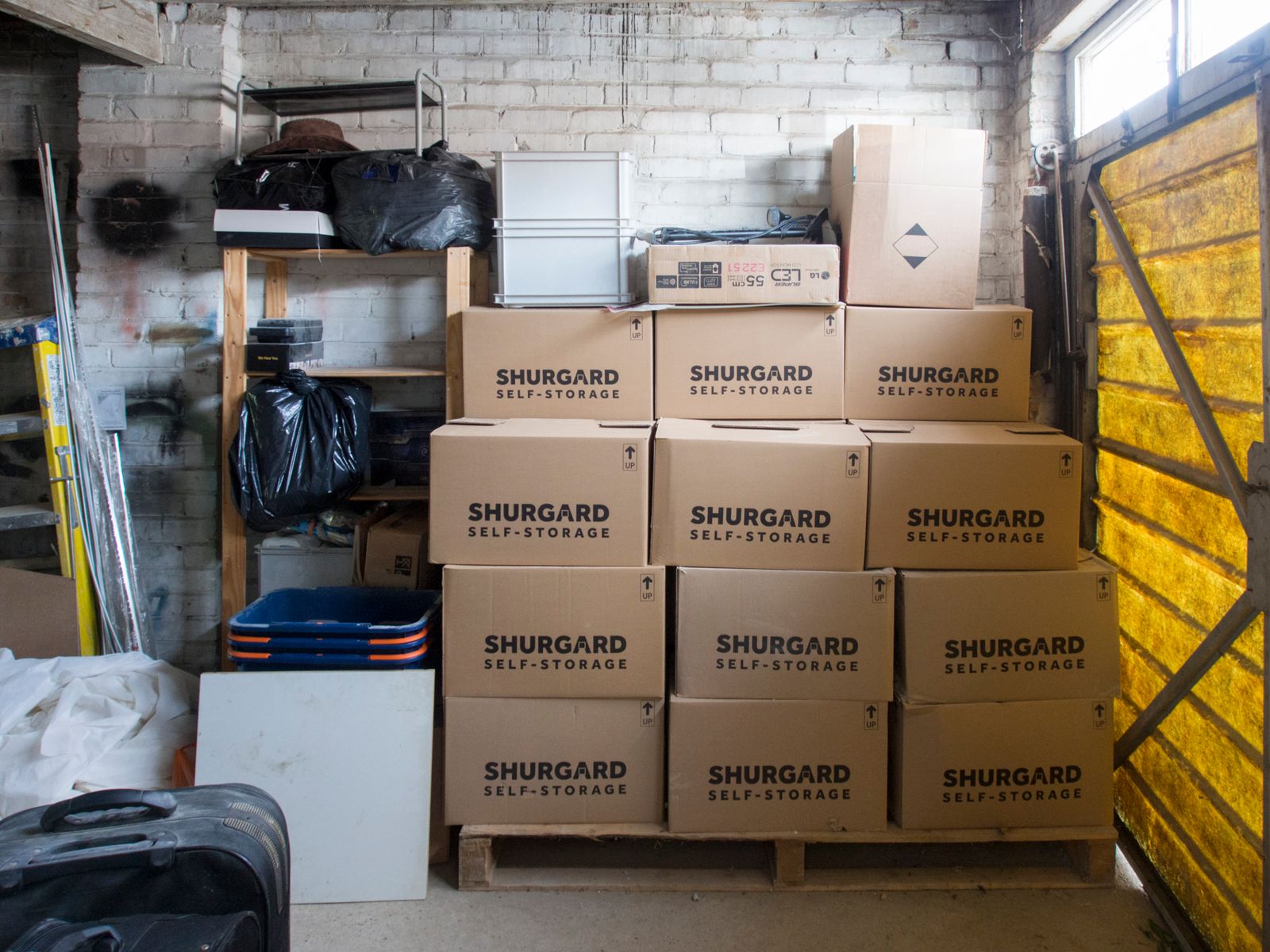

The renter's edge cases, handled in advance
- The gap. Old lease ends before the new one begins: price mover-held storage, a storage unit, and an overlap day or two of double rent against each other. Double rent is often the cheapest option and the only one where your goods are never re-handled.
- The sublet or lease-break. If your relocation is mid-lease, your employer's policy may cover lease-break costs — ask before you negotiate with your landlord alone, and get the landlord's terms in writing either way.
- The roommate remainder. Goods shared with people not relocating need an owner decision before packing day. Crews will not adjudicate; they will pack, and the dispute ships with the boxes.
This site lists 2,055 relocation services, and the difference between the best and the rest is rarely the truck or the crew size. It is whether someone — the provider, the coordinator, or you — ran the week before properly. Now you know what that week contains. Run it, and moving day becomes the easiest part of your relocation, which is exactly what it is supposed to be.
Sources
- WHR Global relocation benchmarking, via 2026 relocation cost references — establishes the average domestic lump-sum payment of about $14,608, entry-level renter packages of $5,000–$15,000, and the average renter total package of about $21,792.
- Internal Revenue Service guidance on moving expenses, as updated by 2025 legislation (P.L. 119-21) — establishes that employer relocation benefits remain taxable wages for non-military moves, the TCJA suspension having been made permanent.
- U.S. Postal Service, Change of Address basics — establishes filing up to 90 days before a move, the $1.25 online identity-verification fee, free in-person filing, and the warning against third-party sites charging $40 or more.
- Federal Motor Carrier Safety Administration, Protect Your Move — establishes the nine-month window for filing a written loss or damage claim on an interstate move.
Photos: moving truck at apartments — photo by Royal Moving & Storage, https://www.pexels.com/photo/20706511/ ; stacked boxes — photo by Brett Jordan, https://www.pexels.com/photo/30444797/ ; movers on a city street — photo by Nihat Küçük, https://www.pexels.com/photo/34263631/
More guides
- How to Hire a Moving Company That Won't Hold Your Furniture HostageMovers › Moving & Storage
- How Much Do Movers Cost? Local vs. Long-Distance Pricing ExplainedMovers › Moving & Storage
- Binding vs. Non-Binding Estimates: The Difference That Decides Your Final BillMovers › Moving & Storage
- Moving Insurance and Valuation: What 'Full Value Protection' Really CoversMovers › Moving & Storage
- Long-Distance Moving: A Start-to-Finish Guide for Household GoodsMovers › Household Goods Moving & Storage
- All Guides & ArticlesBrowse the full guides library