Movers › Machinery Movers & Erectors
Machinery Movers and Erectors on a Tight Budget: Where to Save, and Where Saving Backfires
Every relocation budget has a machinery line in it, and it is usually the line nobody in the room can sanity-check. The numbers are real: a rigging crew bills roughly $200 to $500 an hour, typically with a four-hour minimum; a simple single-machine move starts around $3,000 to $3,500; a machinery moving project commonly lands between $3,500 and $30,000; and a full plant relocation runs from the low tens of thousands to well past $200,000 for complex, multi-week work. When a number that size lands on a tight budget, the instinct is to cut. Some of those cuts are genuinely free money. Others are how a machine ends up damaged, a floor ends up cracked, or a plant ends up dark for an extra week.
The difference is not mysterious. Safe savings come out of the mover's time, travel and uncertainty — hours, mobilisations and contingency the mover priced in because they could not count on you. Backfiring savings come out of the work itself — the planning, the people, the equipment and the insurance that stand between a ten-ton machine and the floor. Cut the first category aggressively. Do not touch the second.
Where the money actually goes
Before cutting anything, it helps to know what a machinery moving quote is made of. Five components dominate:
- Crew time. Riggers, millwrights and a lift supervisor, billed hourly or built into a lump sum. This is usually the largest line, and the one your preparation most directly controls.
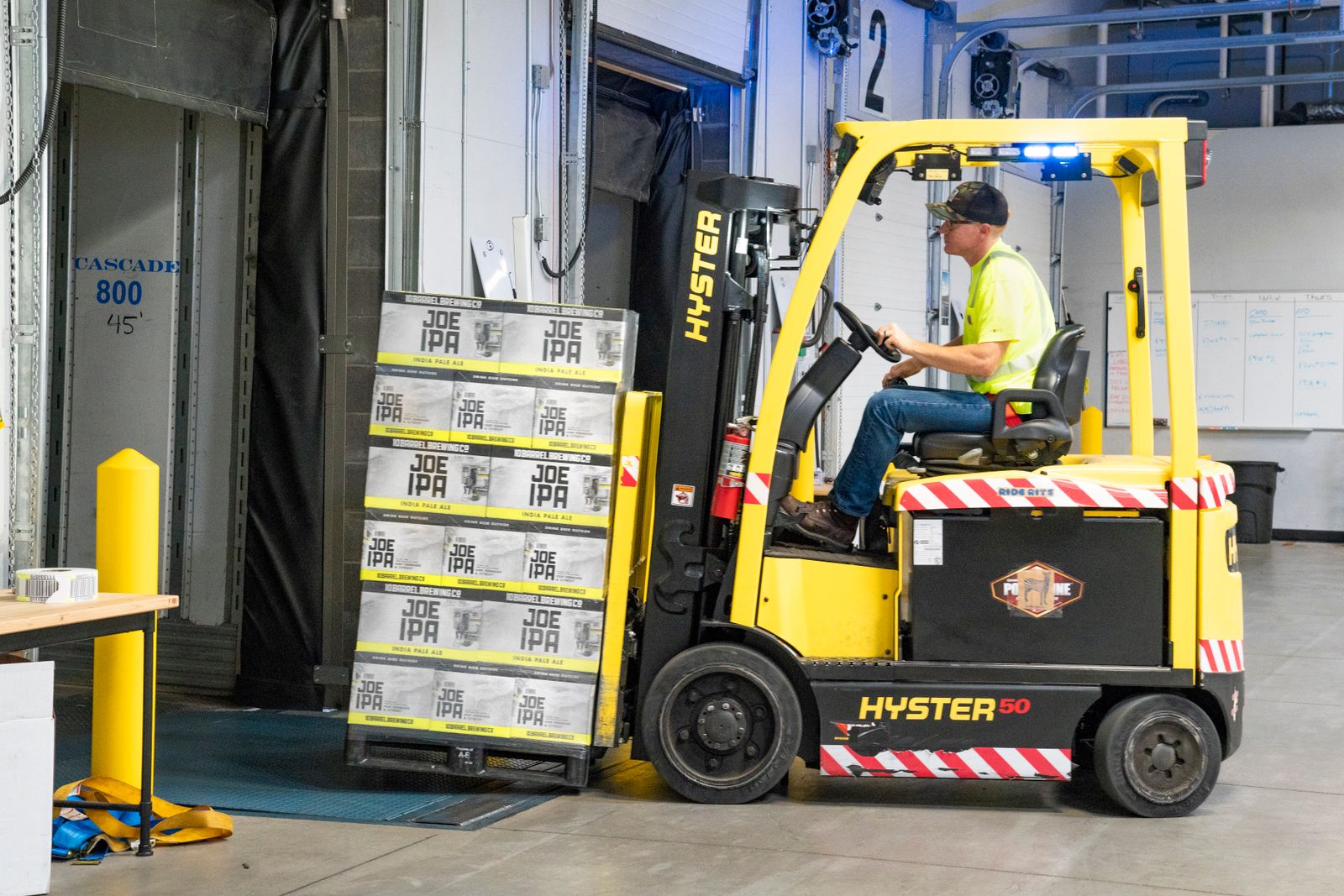
- Equipment. Forklifts, hydraulic gantries, skates and jacks from the mover's yard — plus, on some jobs, a mobile crane with an operator at roughly $150 to $600 an hour depending on capacity, almost always with a minimum-hours clause.
- Transport. Trailer type (flatbed, drop-deck, lowboy), distance, and for oversize or overweight loads, state permits and escort vehicles.
- Scope beyond the lift. Disconnect and reconnect of electrical, air, coolant and hydraulics; draining fluids; levelling, anchoring and alignment at the destination; startup support. A "pick and set" quote excludes all of it, which is why it looks cheap.
- Contingency for the unknown. Unverified weights, unsurveyed paths, vague scope. Movers price what they cannot see. Every unknown you eliminate before the quote is contingency you do not pay for.
The savings that are real
Bundle the work into one mobilisation. Every time a crew and its equipment travel to your site, you pay for the mobilisation — and crane minimums mean a half-used crane day is a whole crane day on the invoice. Moving several machines in one visit, and stacking every crane pick into the same day, spreads those fixed costs across the whole job instead of paying them per machine. Industry pricing guidance is blunt about this: one mobilisation is cheaper per machine than three call-backs, every time.
Prepare the site like the meter is running — because it is. Clear the path of travel. Move stored material out of the route. Empty machines of tooling, parts and loose accessories. Drain coolant and fluids ahead of time if your own maintenance team can do it safely and the mover agrees in writing. Have the destination ready: floor marked, utilities stubbed, anchor points located. A crew standing around a blocked aisle is billing you $200 to $500 an hour for standing. Site preparation is the single largest saving most customers control, and it costs labour you already employ.
Hand the mover exact information. Verified weight from the machine's nameplate — not the brochure, and including the control cabinet, chip conveyor and coolant tank that travel with it — plus dimensions, photos of both sites, and drawings if they exist. Accurate information removes guesswork, and guesswork is priced. It also prevents the most expensive sentence in machinery moving: "that's heavier than we were told," spoken with the machine already rigged.
Do the unskilled scope yourself — the agreed parts. Disconnect by your own licensed electrician, fluid draining by your maintenance crew, cleaning, labelling and matchmarking assistance, clearing and floor protection: legitimate savings when the mover agrees the division of labour in advance and in writing. What you may not do is drift into the skilled scope (see below) because it looked easy on the day.
Schedule like someone who isn't desperate. Rush work costs more: overtime crews, whatever crane is available rather than the right one, no time to compare quotes. Booked ahead, the same job gets standard rates, better equipment availability, and a mover who can sequence your job against their other work instead of charging you for the disruption. If your dates have any flex at all, say so — off-peak and midweek slots are sometimes priced to fill.
Ask about the cheaper method. A crane is not always the answer. Indoors, a hydraulic gantry or machine skates can sometimes do the job a crane was quoted for, at a fraction of the hourly equipment cost. Ask the question directly: "Is there a less costly method that is still safe for this load and this building?" A good mover will either offer one or explain, specifically, why not — and the explanation is worth hearing either way.
Decide what doesn't move. The most reliable saving in any relocation is subtraction. A machine worth less than its move cost — and single-machine moves start around $3,000 before disconnect and recommissioning — should be sold, auctioned or scrapped at the origin, not transported at full price to be underused at the destination. Run that arithmetic machine by machine; on a plant move it is routinely the biggest number on this page.
Where saving backfires
| The tempting cut | What it actually buys you |
|---|---|
| Skipping the site survey and lift plan | The plan is where floor capacity, door widths and centre of gravity get checked. Skipping it doesn't remove those problems; it schedules them for move day, at hourly rates, with the machine in the air. |
| The cheapest quote with the thinnest scope | Usually a "pick and set" price. Disconnect, levelling, anchoring and reconnection reappear as extras or as your problem — after the machine is already off its foundations. |
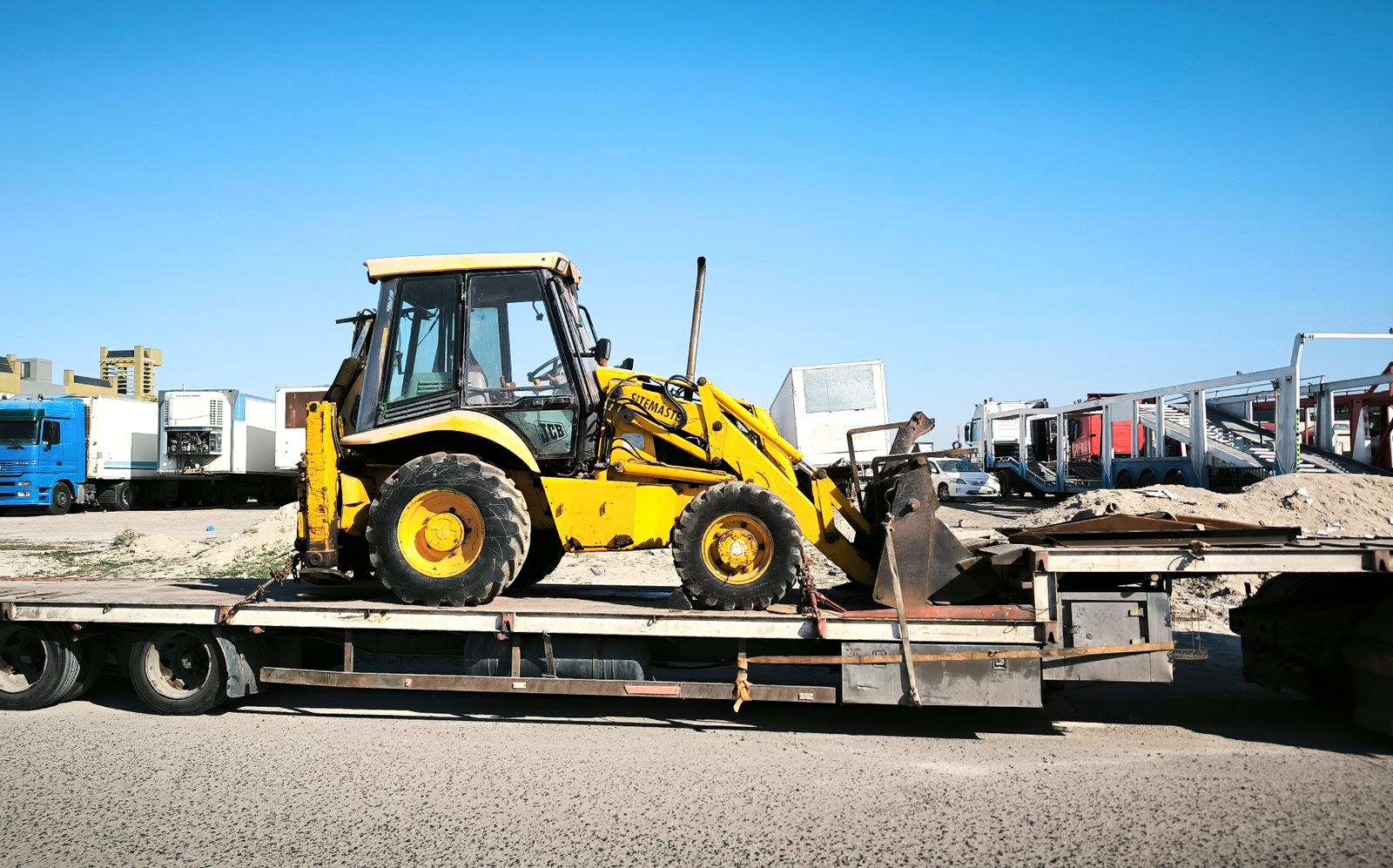
| Undersizing the crane or gantry to save hourly rate | Equipment working at its limit is slower, less controllable and less safe. A load that shifts or a lift that has to be aborted and re-rigged costs more than the larger crane would have. |
| Trimming crew size | Rigging is coordinated lifting of loads that can kill. One pair of hands too few is not an efficiency; it is how loads swing, floors crack and people get hurt. |
| Letting insurance slide — or not checking limits | General liability covers the building; cargo/riggers' coverage covers your machine. If the mover's cargo limit is a fraction of the machine's value, you are self-insuring the difference whether you meant to or not. |
| DIY rigging of "just the small one" | A 4,000-pound mill is not a small one. Forum wisdom is full of tilt-bed tow-truck improvisations; it is also full of machines dropped off ramps. Anything beyond genuinely light equipment belongs to people with the gear, the training and the insurance. |
| Skipping levelling and alignment at the destination | A CNC machine set down but not levelled will not hold tolerance. You will pay a millwright to fix it later — after the bad parts, not before. |
Notice the pattern: every backfiring cut removes something whose absence is invisible until the moment it is catastrophic. That is precisely why it looks like a saving in the quote comparison.
The price structure is a budget decision too
Machinery movers price work three ways, and on a tight budget the structure matters almost as much as the number. Time and materials — an hourly crew rate plus equipment, trucking and materials — is the cheapest structure when the job is well prepared and nothing surprises anyone, because you pay only for the hours actually worked. It is the most expensive structure when the site is unready, because every delay, re-rig and second trip is also billed by the hour, to you. Lump sum pricing transfers that risk to the mover: the price is the price for the defined scope, and the mover absorbs the overrun — but the mover prices that risk in, so a lump sum on a vague scope carries the fattest contingency of all. Unit pricing — a fixed rate per machine — sits between the two and suits multi-machine jobs where the machines are similar.
The budget-savvy combination is usually this: do the preparation work that makes time-and-materials safe (survey done, path clear, weights verified, destination ready), then take the hourly structure and keep the contingency you would otherwise have paid for. If you cannot prepare — an unfamiliar building, an unknown machine, a landlord's schedule you don't control — the lump sum's higher headline number may be the cheaper honest price, because it caps your exposure. What never works is the reverse pairing: hourly billing on an unprepared job, where you have kept all the risk and rented it out by the hour.
One more structural saving hides in plain sight: ask what the quote assumes about waiting. Truck detention, a crane held for a late delivery, a crew idle while a dock is cleared — these are billed events with rates, and they are almost entirely within your control. A quote reviewed line by line for its waiting and minimum-hours clauses, against a site you have genuinely made ready, is worth more than a five-percent discount negotiated off the top.
A worked shape of a tight-budget move
Take a small shop moving ten machines fifty miles — the kind of job where published project examples run from around $4,600 for a straightforward single-machine move up to five figures per machine for heavy or awkward units, and a production-area relocation from roughly $64,800. The budget version of that job is not the one with the cheapest mover. It is the one where the owner culled two machines that were worth less than their transport, bundled everything into one mobilisation with all crane picks on one day, had their own electrician and maintenance crew handle the agreed disconnect and draining, cleared and marked both buildings before the crew arrived, and booked six weeks out on a midweek start. Every one of those decisions removes hours, minimums or contingency. None of them removes a rigger, a plan, or a dollar of insurance.
That is the whole doctrine: cut the mover's waiting, travelling and guessing; never cut the lift itself.
Movers-Map.com lists 275 machinery movers and erectors. On a tight budget you need at least two of them quoting the same written scope — identical scope is what makes the cheaper quote mean something. Get the quotes, do the preparation, subtract the machines that shouldn't travel, and spend what remains on the parts of the job where saving is just another word for risk.

Sources
- Alltracon, "How Much Do Industrial Rigging Services Cost? A Complete 2026 Pricing Guide" — crew and crane rates, project ranges, cost drivers, and the firm's own list of safe ways to lower rigging costs (bundling, site preparation, accurate information, early planning, method choice, single contractor): https://alltracon.com/how-much-do-industrial-rigging-services-cost-a-complete-2026-pricing-guide/
- Rigging-Busters, "Industrial Rigging & Machinery Moving Costs 2026" — real US project costs for single machines (~$4,600–$22,700) and production-area/plant moves (from ~$64,800): https://rigging-busters.com/pricing/
- GLC CNC Machining, "Move CNC Machine Across Country: 5 Essential Steps" — staged pricing of a machine move (survey, prep, rigging, transit, recommissioning), nameplate-weight guidance, and levelling as a determinant of accuracy after restart: https://glcncmachining.com/how-much-to-move-cnc-machine-across-country/
- JV Rigging, "Equipment Moving Plan: 7 Steps to Cut Costly Downtime" — planning steps, site surveys of both locations, and how vague scope and unready sites create cost: https://jvrigging.com/2026/10/26/how-to-plan-an-equipment-moving-project-without-costly-downtime/
- Practical Machinist forum, "Newb rigging and transporting a used machine" — practitioner discussion of pre-move preparation (draining, disconnect, minimising loading-day work) and its effect on rigging charges: https://www.practicalmachinist.com/forum/threads/newb-rigging-and-transporting-a-used-machine.448251/
More guides
- How to Hire a Moving Company That Won't Hold Your Furniture HostageMovers › Moving & Storage
- How Much Do Movers Cost? Local vs. Long-Distance Pricing ExplainedMovers › Moving & Storage
- Binding vs. Non-Binding Estimates: The Difference That Decides Your Final BillMovers › Moving & Storage
- Moving Insurance and Valuation: What 'Full Value Protection' Really CoversMovers › Moving & Storage
- Long-Distance Moving: A Start-to-Finish Guide for Household GoodsMovers › Household Goods Moving & Storage
- All Guides & ArticlesBrowse the full guides library