Movers › Machinery Movers & Erectors
Machinery Movers and Erectors: The Complete Checklist Before You Commit
Machinery moving fails early and quietly. By the time a crew is standing in your plant with a forklift that is two tons too light, the mistake is already a week old: it was made when somebody quoted the job from a phone description, skipped the site survey, and signed a contract that never said who disconnects the machine. The lift itself is the part riggers are best at. Everything around the lift — the data, the documents, the decisions — is where jobs are won and lost.
This checklist is the whole pre-commitment pass, in the order a dispatcher wishes every customer would work through it: what to document about your machine, what to verify about the company, what the site survey must establish at both ends, what the contract must say, and what to have settled before the shutdown clock starts. Movers-Map.com lists 275 machinery movers and erectors; the good ones will recognize every item below, because most of them are things a professional mover asks you for. If a bidder seems impatient with this list, that is information.

Part 1: Document the machine — before you call anyone
No quote is better than the information it was built from. Assemble this packet first; every serious bidder will ask for most of it, and having it ready shortens every conversation that follows.
- ☐ Make, model, and serial number, plus a photograph of the manufacturer's nameplate. The nameplate settles arguments about weight and configuration that brochures start.
- ☐ Verified weight and dimensions. Use the manual or nameplate, not a guess — and say so if the figure is unverified. A machine that is heavier than quoted changes the equipment, the crew, and the price, mid-job if necessary.
- ☐ Center of gravity and approved lift points, from the manual if it gives them. If the manual is lost, flag it: the mover will need to determine lift points, and that is skilled work, not an assumption.
- ☐ What is attached and what comes off. Chip conveyors, control cabinets, tool changers, coolant systems — what travels attached, what is removed, and who removes it.
- ☐ Condition and value, photographed. Walk the machine with a camera before anyone touches it: every panel, the ways and work surfaces, the control screen lit. Date-stamped photos are your baseline if there is ever a damage claim, and they cost ten minutes.
- ☐ Utility requirements at the new location: voltage and phase, air, water, drainage, network. A machine that arrives before its power does is a machine in storage at your expense.
Part 2: Verify the company — credentials, insurance, safety record
Machinery movers are specialty contractors, and the verification standard is higher than for general movers because the loads are heavier and the consequences larger.
- ☐ Certificate of insurance, current, in your hands — not a promise to send it. Look for general liability, workers' compensation, and rigger's or cargo coverage that addresses the machine while it is being dismantled, moved, and reinstalled. Industry guidance for serious lifting work puts general liability at $2 million per occurrence or more.
- ☐ Your company named as additional insured on the certificate for the job, and the certificate verified with the carrier if the machine's value warrants it. Ask the question that separates real coverage from paper: does the policy cover the replacement value of the load, or only damage the crew causes to other things?
- ☐ Operator credentials. If a crane is on the plan, its operator should hold certification recognized under OSHA's crane standard (29 CFR 1926 Subpart CC) — NCCCO certification is the common credential, and it is verifiable. Rigging work should follow the ASME B30 standards for the equipment involved, and a qualified rigger should be assigned to the lift.
- ☐ Safety record, asked for directly: the company's EMR (experience modification rate) and a straight answer about serious incidents in the last three years. Plant-relocation vetting guidance treats a contractor who hesitates to share this as a contractor to walk away from — dispatch experience agrees.
- ☐ Self-performance. Will their own crews do the rigging, millwright work, and reinstallation, or are they managing subcontractors you have never vetted? Subcontracting is not disqualifying; invisible subcontracting is.
- ☐ References for a job like yours — same machine class, similar weight, similar building. A company that moves printing presses beautifully may be new to five-axis machining centers.
Part 3: The site survey — both ends, walked, not described
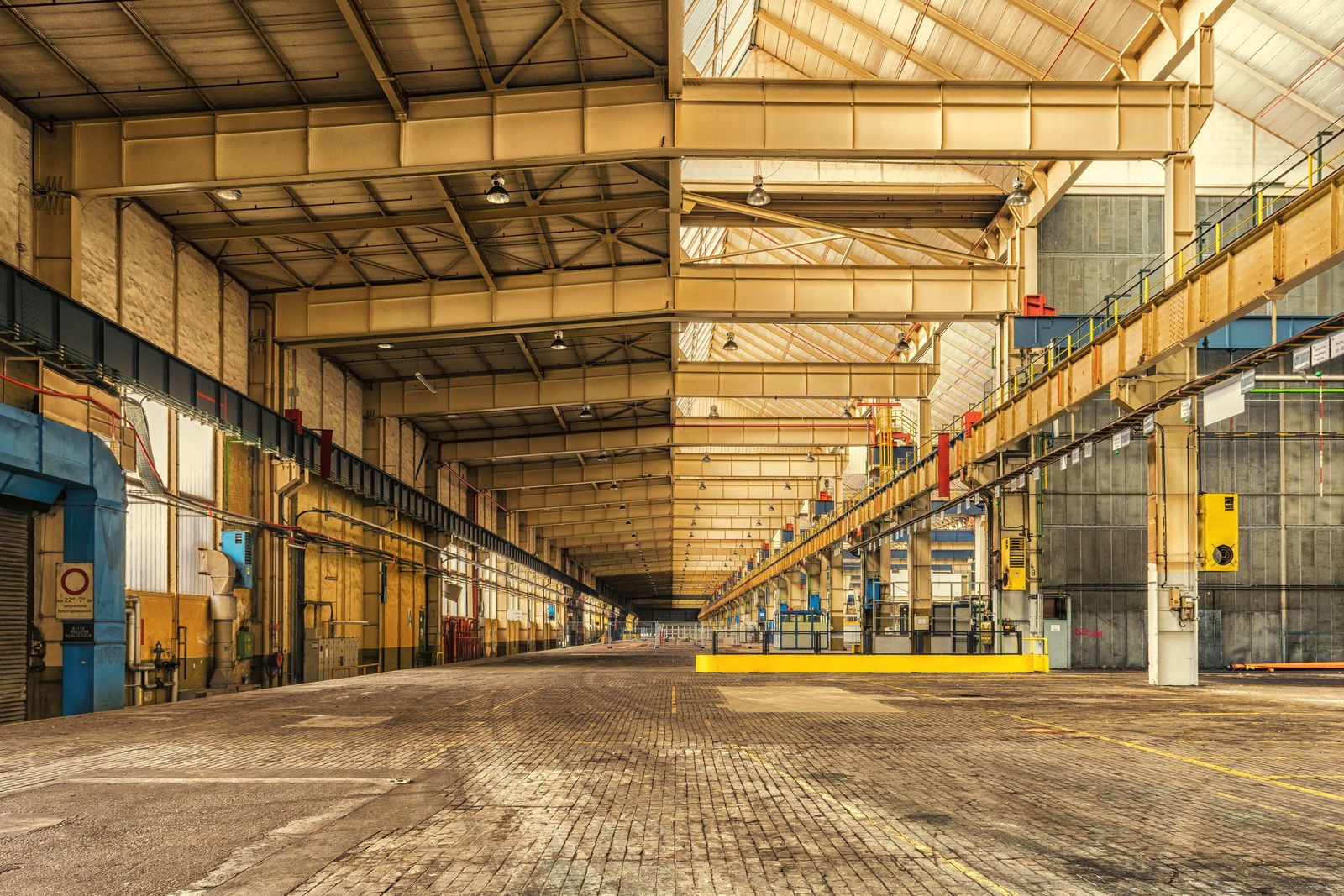
- ☐ A surveyor has physically visited the pickup site and measured the route out: door widths and heights, corridor turns, ceiling obstructions, elevator or dock availability.
- ☐ Floor loading checked along the path. Concentrated loads on skates or forklift wheels can exceed what a slab — especially an older or wood-framed floor — will carry. The survey should say how the load will be spread or routed, not just that it "should be fine."
- ☐ The destination surveyed the same way, including where the machine will finally sit, foundation or anchoring requirements, and whether the floor there is level enough for the machine's tolerances.
- ☐ The transport route considered: oversize or overweight permits if the load needs them, escort requirements, and any street, sidewalk, or crane-setup permits for work over public space.
- ☐ A lift plan proportionate to the lift. Routine moves run on the foreman's standard planning; critical lifts — very heavy, very valuable, over or near occupied space — warrant a documented, engineered lift plan with calculated weights and rigging configurations. Know which kind your job is, and get the plan that matches.
Part 4: The contract — what must be in writing before you sign
- ☐ Scope split, line by line: who disconnects utilities, who drains fluids, who removes attachments, who reconnects, who levels and anchors, who aligns and to what tolerance, and who disposes of crating and dunnage. Every "who" without a name is a future invoice dispute.
- ☐ Price structure stated: fixed price, hourly with a cap, or time-and-materials — and the crew size, equipment, and minimum hours the price assumes. Rigging crews commonly bill with minimums around four hours; know yours.
- ☐ Change-order rules: what happens to the price if the machine weighs more than documented, the path is blocked, or the job runs into a second day — and who can authorize extra work on the day, by name.
- ☐ Waiting-time terms. If your plant is not ready when the crew arrives, you will pay for the crew to stand there. The contract should say at what rate, and your own readiness checklist (Part 5) should make it a clause you never trigger.
- ☐ Liability and valuation for the machine itself. What is the mover's liability if the machine is damaged — a contractual cap, a per-pound figure, or its insured value? If the cap is below the machine's worth, price the gap: additional coverage is a known product, and discovering the cap after an incident is the worst version of this conversation.
- ☐ Schedule and remedies: the move window, what happens if the mover misses it, and how delays on either side are handled. Shutdown time is the most expensive time in your plant; the contract should treat it that way.
- ☐ Payment terms you can live with: the deposit expected before mobilization, what triggers progress payments on multi-day work, and what portion is held until the machine is set and accepted at the destination. Retaining a meaningful final payment until acceptance is standard commercial practice and aligns everyone's incentives on the last, most-skipped steps — leveling, anchoring, and cleanup. Be wary of any structure that has you fully paid before the machine leaves the ground at origin.
- ☐ Exclusions listed, not implied. Permits, escort vehicles, utility-company disconnections, concrete or foundation work, and storage all commonly sit outside a rigging quote. A good contract names its exclusions in a list you can price separately; a bad one lets you discover them as extras. Compare competing bids on the total of quote plus exclusions, never on the quote alone.
Part 5: Readiness — settled before the shutdown starts
- ☐ Shutdown window agreed with production, with the machine's last job, cleaning, and cooldown scheduled before the crew arrives.
- ☐ Trades booked at both ends: electricians, plumbers, or vendor technicians for disconnect and reconnect, timed to the mover's schedule, not loosely "that week."
- ☐ The path cleared — literally: everything the survey route passes moved, parked cars relocated, neighboring tenants notified if shared space is crossed.
- ☐ A named decision-maker on site for the move day, reachable and authorized to approve changes. Crews lose more time to "we need to ask someone" than to any mechanical problem.
- ☐ Recommissioning planned: who levels, aligns, calibrates, and test-runs the machine at the destination, and what "done" means — set in place, or making good parts. Write the acceptance test down before the move, while everyone is still friends.
- ☐ A storage contingency, agreed in advance. Moves slip: the new pad is not cured, the electrician is a day late, the permit lands on Friday instead of Tuesday. Decide now where the machine goes if it cannot go in — the mover's yard, a warehouse, or left loaded — and what that costs per day. A contingency priced calmly in advance is a line item; the same contingency improvised on move day is a ransom.
- ☐ Manuals, keys, and small parts under control. Control pendants, leveling pads, anchor bolts, tooling, and the machine's documentation have a way of traveling separately from the machine and arriving never. Assign one labeled crate, one owner, and a photograph of its contents to the checklist, and confirm who carries the machine's keys and access codes at each handoff.

The five-minute version
If time forces a triage, these five items carry the most weight: verified machine weight from the nameplate; a current certificate of insurance naming your company, with the load's value covered; a walked site survey at both ends; a contract that names who disconnects, reconnects, levels, and aligns; and a named decision-maker present on move day. A mover who welcomes all five is telling you how they run every job. Commit to that one.
Sources
- Mansfield, "Crane and Rigging Safety Credentials: What Project Managers Check" — NCCCO operator certification under OSHA 29 CFR 1926 Subpart CC, ASME B30 standards, qualified rigger requirements, certificates of insurance including rigger's liability, and EMR checks, mansfield.us
- AKIC / turnkey plant relocation guidance, "What should I check before hiring a plant relocation firm?" — safety record and OSHA documentation, insurance including riggers'/cargo coverage, additional insured certificates verified with the carrier, self-performance checks, and equipment inventory documentation, akic.us
- SafeBound Moving, "How to Hire Riggers for Heavy Equipment Moves in 2026" — when a licensed rigger is required (loads over 2,000 lb, vertical lifts, oversize permits, floor-load analysis) and liability coverage of at least $2 million plus cargo and workers' compensation, safeboundmoving.com
- TF Rollforming, "What are the insurance requirements for lifting and rigging operations?" — general liability minimums for rigging work and professional liability for engineered lift planning, tfrollforming.com
More guides
- How to Hire a Moving Company That Won't Hold Your Furniture HostageMovers › Moving & Storage
- How Much Do Movers Cost? Local vs. Long-Distance Pricing ExplainedMovers › Moving & Storage
- Binding vs. Non-Binding Estimates: The Difference That Decides Your Final BillMovers › Moving & Storage
- Moving Insurance and Valuation: What 'Full Value Protection' Really CoversMovers › Moving & Storage
- Long-Distance Moving: A Start-to-Finish Guide for Household GoodsMovers › Household Goods Moving & Storage
- All Guides & ArticlesBrowse the full guides library