Movers › Machinery Movers & Erectors
Machinery Moving Timelines: How Long It Actually Takes, Stage by Stage
Ask a machinery mover how long your move will take and you will get a careful non-answer, because the honest answer is that the truck ride — the part everyone pictures — is usually the shortest stage of the job. A machinery move is a chain of surveys, permits, disconnections, lifts, and recommissioning, and the chain moves at the speed of its slowest link, which is rarely the highway. What follows is the realistic shape of the timeline, stage by stage, for the three scales of job this trade handles: a single machine across town, a production line across the state, and a plant relocation. The ranges come from machinery movers' own published planning guides; treat any quote that skips the early stages as a quote that has not yet met your building.
The stages at a glance
| Stage | Single machine, local | Production line / multi-machine | Where the time really goes |
|---|---|---|---|
| Survey, scope, and quote | 2–7 days | 2–6 weeks | Measuring, weighing, walking the route at both ends, engineering the lift plan |
| Permits and route planning | 1–5 days (if oversize at all) | 1–4 weeks; superloads longer | One permit per state on the route; bridge analysis and escorts at the top end |
| Destination prep | 1–3 days | 2 weeks–6 months | Foundations, floor capacity, utility drops placed before the machine arrives |
| Shutdown and disconnection | Hours–1 day | 1–5 days | Purging, draining, lockout, disconnecting power, air, water, gas |
| Dismantling and rigging out | 1–2 days for a mid-size CNC; up to a week for a large press | Days per machine, sequenced | Breaking the machine into balanced, liftable segments; getting it out of the building |
| Transport | Hours–2 days | Days, inside legal travel windows | Oversize loads travel restricted hours; weather and escorts set the pace |
| Setting, leveling, reconnection | 1–3 days | 1–4 weeks, phased | Millwright work: placement, anchoring, alignment, utility reconnection |
| Commissioning and calibration | Hours–2 days | Days–weeks per line | Test runs, calibration, first good parts — the stage nobody can honestly guarantee |
Those ranges are wide because the variables are physical: the machine's weight and center of gravity, the door it has to fit through, the floor it has to cross, and the states it has to cross. Everything below is about which stage eats the calendar on real jobs, and why.
Stage 1: The survey is the schedule
Every credible timeline starts with a site survey at both ends, and this is the stage whose quality decides all the others. The mover's planners record each machine's weight, dimensions, and anchor points, then walk the actual path — out of the origin building, onto the trailer, into the destination, onto its new foundation — checking door heights, turning room, floor load-bearing capacity, overhead clearance for rigging and hoisting, and where the utilities disconnect and reconnect. Reputable movers are explicit that a schedule offered before this visit is a guess; the timeline becomes firm only after the survey.
Budget days for a single machine and weeks for a line, not because the walking is slow but because of what the survey can uncover: a machine that must be dismantled further than planned to clear a doorway, a destination floor that needs reinforcement, a foundation that has to be poured and cured before anything can be set on it. On plant relocations, this discovery phase is where the honest projects separate from the optimistic ones — the published planning timeline for a mid-sized plant puts goals, budget, and team six to twelve months before the move, and inventory, layout, and contractor selection four to nine months out. Small shops compress that to weeks. Nobody credible compresses it to a phone call.

Stage 2: Permits — the paperwork with its own calendar
A machine that fits inside standard legal limits — no wider than 8 feet 6 inches, no taller than 13 feet 6 inches, gross weight under 80,000 pounds — travels on the carrier's ordinary authority, and permitting adds little. Cross any of those lines and the calendar changes hands: oversize and overweight loads need a permit from every state on the route, each issued for a defined path and travel period, and processing commonly runs five to fifteen business days per state according to heavy-haul carriers' published guidance.
At the top of the scale, the vocabulary changes to superload — working thresholds are roughly 16 feet wide or tall, 110 feet long, or 200,000 pounds gross — and so does the process: route surveys driven in person, engineering analysis of every bridge on the path, escort vehicles and often police escorts, and travel restricted to negotiated windows, sometimes a single overnight or weekend closure arranged weeks ahead. Heavy-haul specialists describe routine permitted loads as arrangeable in days and genuine superloads as measured in weeks, sometimes longer. The practical consequence for your timeline: the permit clock starts at the survey, not at the ship date, and a move date announced before permits are in hand is a hope, not a schedule. Most delays in this trade, as one carrier's operations guide puts it, do not start on the road — they start at a desk, with an incorrect filing or a missed municipal restriction.
Stage 3: Destination prep — the stage that happens before "the move"
Machines land on foundations, and foundations take time. If the new site needs pads poured, pits dug, floor reinforcement, or utility drops — power, compressed air, water, gas, drainage — installed where the machine will sit, that work runs on a construction calendar of weeks to months and must finish (including concrete cure time) before the riggers arrive. Plant relocation planners put foundations and utilities at the new site two to six months ahead of the move for a mid-sized facility. This is the most commonly skipped stage in amateur timelines, and skipping it produces the classic tableau: a machine on a trailer, a crew on the clock, and a wet foundation.
Stage 4: Shutdown, dismantling, and rigging out
The first physical stage is a controlled shutdown: production stops, materials are purged, pressure is relieved, fluids are drained to the level the carrier specifies, and utilities are disconnected and locked out. Then the machine comes apart — only as far as it must. Movers' own timelines put dismantling at two to ten days depending on complexity: a medium CNC machine can be ready to rig in one to two days, while a large stamping press can take a full week to dismantle safely. Disassembly follows the manufacturer's guidelines where they exist, breaks the machine into weight-balanced segments around its engineered lifting points, and ends with protection — custom crating, wrapping, and cushioning for the components that travel badly.
Rigging out — the actual extraction — is measured in hours per machine once planned: skates, jacks, gantries, forklifts, or a crane pick, chosen around the load's weight, center of gravity, and the path out of the building. It is fast when the survey was honest and slow when it wasn't, which is why experienced movers treat rigging surprises as survey failures.
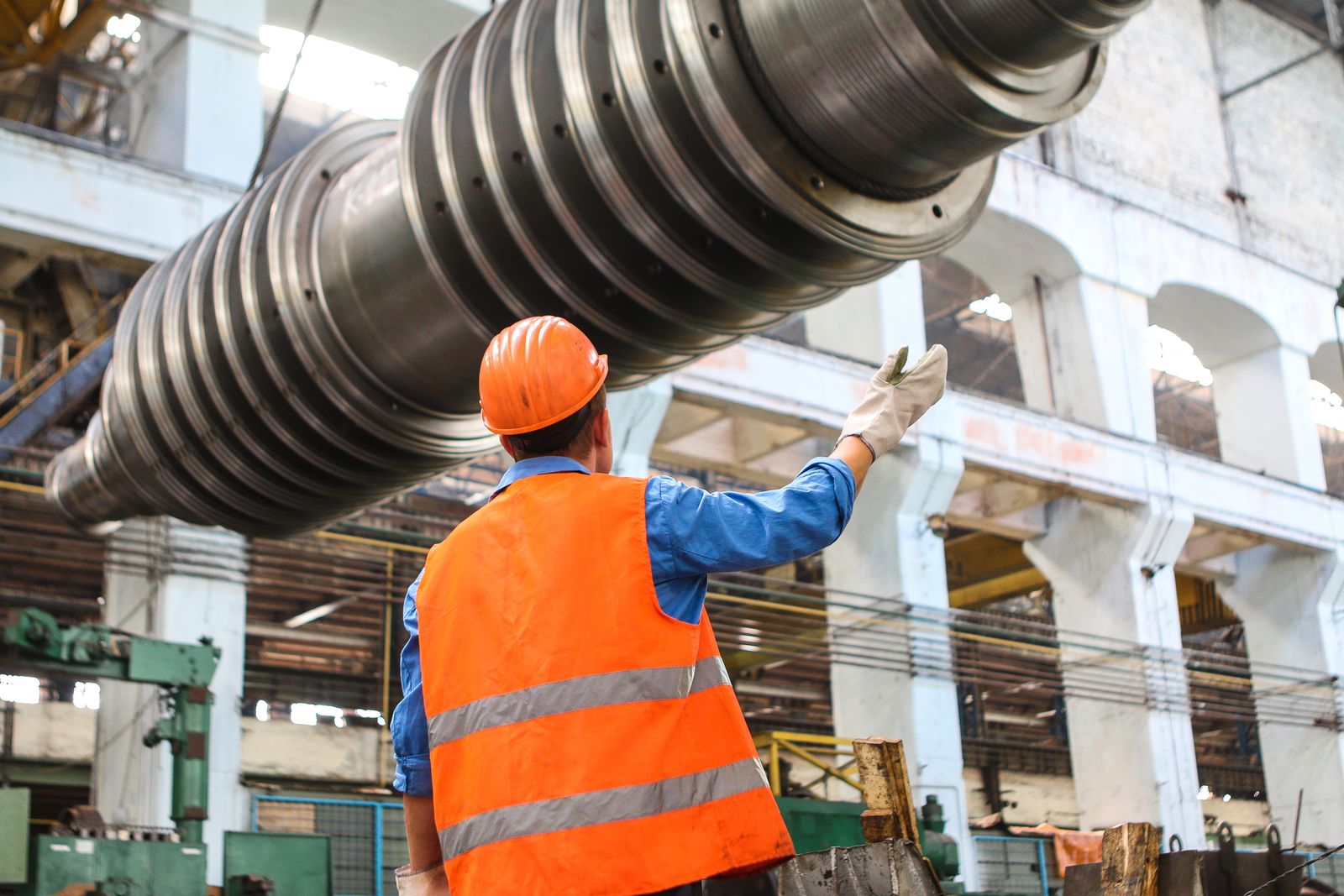
Stage 5: Transport — shorter than you think, stricter than you expect
For a local move, transport is an afternoon. For an interstate oversize move, it is days — but days governed by rules, not distance alone: permitted loads travel in defined windows, generally daylight and weekdays, with holiday restrictions layered on top, and escorts set a pace no dispatcher can argue with. Loads also stop, deliberately, so crews can inspect chains, turnbuckles, and tie-down tension as the load settles. The road stage is where a machinery move is most visible and, paradoxically, where the least schedule risk usually sits — provided stages one and two were done properly. Most damage in heavy haul happens during loading and securement, not on the road, which is why the rigging plan matters more than the route map.
Stage 6: Setting, leveling, and reconnection
Arrival is not the finish. The machine comes off the trailer, travels its new floor, and is set on its foundation; then the millwright work begins — anchoring, precision leveling, alignment, reassembly of everything dismantled at origin, and reconnection of every utility that was cut. For a single machine, allow one to three days. For a line, this stage phases over weeks, sequenced so that support systems — compressors, chillers, dust collection — are live before the production machines that depend on them, a phasing discipline plant movers treat as the difference between a relocation and a shutdown. The destination floor you prepared in stage three either makes this stage boring or makes it expensive; there is no third outcome.
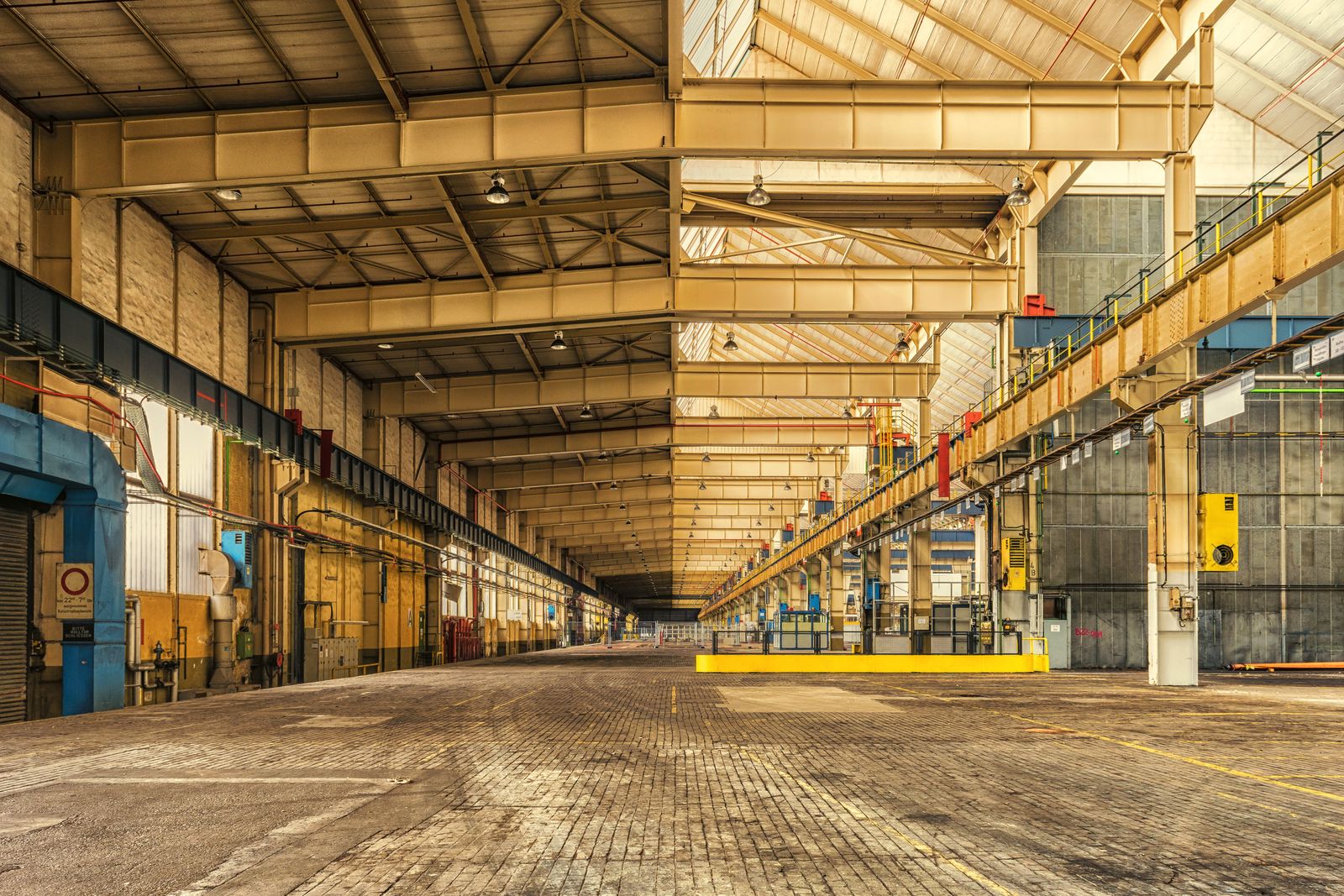
Stage 7: Commissioning — the stage that refuses to be scheduled tightly
A machine that is bolted down and powered is not yet a machine that makes good parts. Commissioning means test cycles, calibration, alignment verification under load, and — for production equipment — first-article inspection of what it produces. Movers and plant planners both budget this honestly as days to weeks per line, with the widest variance of any stage, because this is where latent problems announce themselves: a spindle that objects to having traveled, a control that needs the manufacturer's technician (whose calendar is now your calendar), a foundation that settles a fraction under working load. Any timeline that ends at "delivered" is a timeline for a delivery, not for a relocation. The job is finished when the machine is making acceptable product at the new address, and a good mover's schedule says so.
Where delays actually come from
Across all three scales, the same culprits recur: permits filed late or wrong; a survey that accepted brochure weights instead of certified ones, so the trailer, rigging, or permit is wrong on the day; destination foundations and utilities that weren't ready; utility shutdowns that weren't coordinated with the providers who perform them; disassembly that was underestimated (counterweights, booms, and attachments take hours or days nobody budgeted); and weather, which closes oversize travel windows and spring-thaw weight postings on northern local roads while the interstate leg sits unaffected. Notice the pattern: almost none of these are driving problems. Machinery moving timelines are won or lost in the office and the survey, weeks before the truck rolls — which is why the 275 machinery moving and erecting firms listed in this site's directory will, to a company, want to walk your floor before they will promise you a date. Let them. The walk is the schedule.
Sources
- Alltracon, "Timeline for Relocating Heavy Equipment: What to Know" — stage structure; dismantling typically 2–10 days, a large stamping press up to a week, a medium CNC machine 1–2 days; site surveys covering footprint, floor capacity, utility disconnections, and rigging clearance. https://alltracon.com/timeline-for-relocating-heavy-equipment-what-to-know/
- Alltracon, "Plant Relocation Planning Guide" — mid-sized plant timeline: goals and team 6–12 months out, inventory and contractor selection 4–9 months out, foundations and utilities 2–6 months out, phased moves over weeks to months. https://alltracon.com/plant-relocation-planning-guide/
- Clancy Moving, "Machinery Moving: How Equipment Relocation Works" — the survey-to-calibration stage sequence; oversize loads need state-issued permits with timelines varying by state; a timeline is firm only after the site assessment. https://clancymoving.com/blog/2026/november/machinery-moving-how-industrial-equipment-relocation-works/
- Amerijet, "How Heavy Machinery Transport Companies Move Oversized Loads Safely" — legal limits (8.5 ft wide, 13.5 ft tall, 80,000 lb gross); permit processing of 5–15 business days; most delays start with paperwork, not on the road. https://amerijet.com/blog/how-heavy-machinery-transport-companies-move-oversized-loads-safely/
- Ship A Car Inc., "Shipping Mining Equipment: Permits and Planning" — permits from every state on the route; routine permitted loads arranged in days, superloads with bridge analysis in weeks; most damage occurs during loading and securement. https://www.shipacarinc.com/blog/heavy-haul/how-to-ship-mining-equipment/
- LASLINT, "Superload Freight — Engineered Routing" — working superload thresholds (~16 ft wide/tall, 110 ft long, 200,000 lb gross), route engineering and bridge analysis, police escorts, and week-by-week lead times. https://landairseaint.com/superload-freight/
- Photograph: engineers reviewing plans on site — Pexels photo 1216589, https://images.pexels.com/photos/1216589/pexels-photo-1216589.jpeg
- Photograph: worker guiding a machine component into place — Pexels photo 2760243, https://images.pexels.com/photos/2760243/pexels-photo-2760243.jpeg
- Photograph: empty industrial plant floor — Pexels photo 236698, https://images.pexels.com/photos/236698/pexels-photo-236698.jpeg
More guides
- How to Hire a Moving Company That Won't Hold Your Furniture HostageMovers › Moving & Storage
- How Much Do Movers Cost? Local vs. Long-Distance Pricing ExplainedMovers › Moving & Storage
- Binding vs. Non-Binding Estimates: The Difference That Decides Your Final BillMovers › Moving & Storage
- Moving Insurance and Valuation: What 'Full Value Protection' Really CoversMovers › Moving & Storage
- Long-Distance Moving: A Start-to-Finish Guide for Household GoodsMovers › Household Goods Moving & Storage
- All Guides & ArticlesBrowse the full guides library