Movers › Mini & Self Storage
Mini and Self Storage in South Dakota: A Resident's Guide to Costs and Rules
Most storage complaints I see follow the same arc. The rent itself was fair. The facility was clean. Then a payment failed — a card expired, a family was travelling, a snowbird was 1,500 miles away in Arizona — and the machinery of the lien law started moving at a speed the renter never imagined. In South Dakota, that machinery moves faster than in almost any other state, because the statute sets no minimum period of default before the process can begin. That single fact should shape how every South Dakota family rents a unit, and it is where this guide will spend its care.
The good news first: storage here is inexpensive, the market is straightforward, and the state's one big specification — protecting goods through a northern-plains winter — is easy to satisfy once you know it exists. Here are the costs, the rules, and the places where the national advice does not hold.
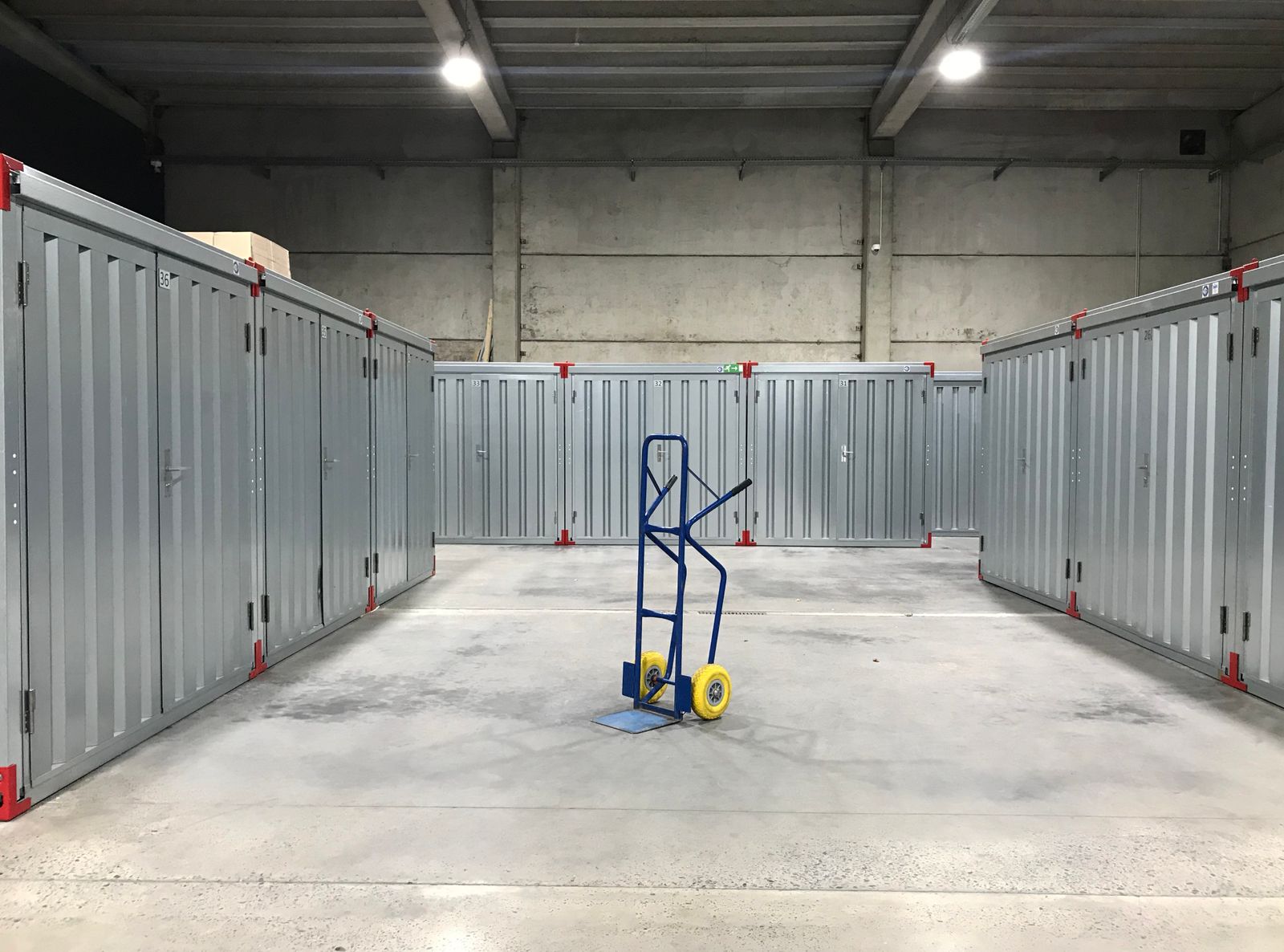
The rules: SDCL 44-14, and the fastest clock in the region
South Dakota does not license self-storage facilities as a trade, and renting a unit needs no permit. What the state does have is a dedicated lien statute: South Dakota Codified Laws chapter 44-14, the Self-Service Storage Facilities Liens law, sections 44-14-1 through 44-14-10, last amended in 2022. It is short, and every renter should know its shape.
The lien. The facility owner has a lien on all personal property stored at the facility, for rent, labour, late fees, and other charges, plus the expenses of preserving or selling the property. Under the current text, the lien attaches as of the date the occupant defaults on the rental agreement.
No minimum default period. This is the provision that separates South Dakota from its neighbours. Iowa, next door, requires at least 30 days in default before enforcement. South Dakota's statute states no minimum days of default before the operator may act. The timeline is driven by the notice steps themselves, not by a waiting period.
Notice, then advertisement, then sale. The owner must notify the occupant — and any lienholders, and anyone the occupant disclosed in the rental agreement — in person, by first-class mail to the last known address, or by email if an email address is provided in the rental agreement. The notice must itemise the claim and when it fell due, describe the property generally, state any denial of access the agreement permits, and demand payment within a time not less than 14 days after delivery. After that period expires, the sale is advertised once in a newspaper of general circulation where the facility is located, and the sale itself may take place no sooner than 14 days after the notice was delivered and at least 7 days after the advertisement — at the facility, at the nearest suitable place, or online. Add it up and the earliest lawful sale lands roughly two weeks after the notice reaches you.
Read that again if you are planning to be away. A South Dakota storage unit can lawfully travel from a missed payment to a sold unit on a timetable measured in weeks, not months — provided every notice step was followed. The protections that exist are procedural, and they are real: an itemised claim, a 14-day demand, notice to people you disclosed in the agreement, a public advertisement. A sale that skipped a step is a sale worth challenging, and the complaint route runs through the facts of those steps. But the family's first line of defence is not procedural. It is autopay, a card that does not expire mid-winter, and an email address in the rental agreement that somebody actually reads — because email notice is only available, and only effective, if the agreement carries it.
Two more provisions of chapter 44-14 are worth knowing. No occupant may use a storage facility for residential purposes — a unit is never a lawful place to live, in a South Dakota winter above all. And a self-service storage facility is not a warehouse in law: if an owner issues a warehouse receipt or other document of title for your goods, a different body of law applies entirely, which is one more reason the paperwork you are handed at move-in deserves a read.
The costs: Sioux Falls sets the state's price ceiling
South Dakota storage is cheap, and its most expensive market, Sioux Falls, is cheap by national standards. StorageCafe's October 2026 averages put a Sioux Falls 10×10 at $94 a month across unit types — $94 non-climate-controlled, $96 climate-controlled, a gap so small it tells you how competitive the metro market is — with individual facilities listing 10×10 units from $55 to $125 depending on location and features. Statewide guides put a standard 10×10 at $60 to $90 a month, and climate-controlled at roughly $100 to $130.
| Unit (Sioux Falls area) | Typical monthly price | Family use |
|---|---|---|
| 5×10 | About $45–$65 | Seasonal gear, a room of boxes |
| 10×10, standard | About $94 average; listings $55–$125 | One- to two-bedroom contents |
| 10×10, climate-controlled | About $96 average | The same, winter-proofed |
| 10×20 | Listings around $140–$150 and up | A vehicle, or a full household |
Rapid City, Aberdeen, Brookings, and the smaller towns generally price at or below Sioux Falls, and rural facilities undercut the metros further — with the familiar trade that a small market may offer one facility and a short menu of sizes. For families, the honest comparison is rarely the headline rent. It is rent plus the protection plan or insurance you add, plus the late fee your agreement specifies — chapter 44-14 lets the lien reach late fees and sale expenses, so a cheap unit with aggressive fees is not necessarily a cheap unit across a hard winter. Ask for the full fee schedule before you sign, and keep it. In complaint files, the fee schedule nobody kept is the document everyone wishes existed.
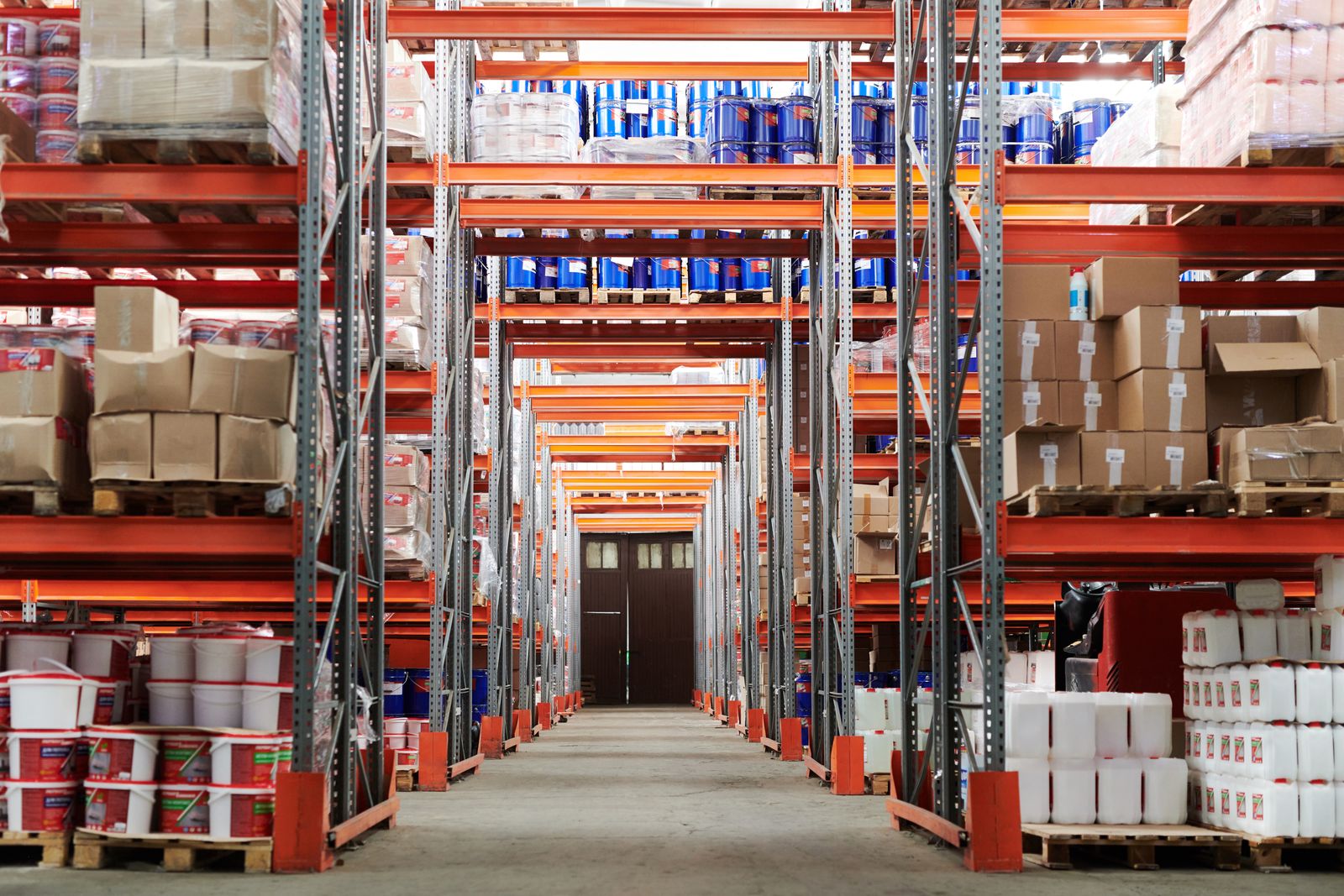
The climate specification: winter is the product test
South Dakota sits in the heart of the continent and takes the full continental range: the state's record high is 120 degrees, its record low is minus 58, winter lows average around 9 degrees, and temperatures below minus 20 are a normal feature of a storage season, not an emergency. Summer swings the other way, past 100 in places. An unheated unit in this state is not a neutral box; it is a slow test of everything in it, run twice a year in opposite directions.
The failure list is predictable, and local operators recite it from experience: wood furniture cracks in extreme cold and in the swings around it, leather dries out, electronics and liquids suffer, and temperature cycling between minus 20 and 100-plus across a year degrades what a single season would spare. Climate-controlled storage is the standard answer, and in Sioux Falls it currently costs, on average, almost nothing extra over a standard 10×10 — the rare market where the right choice is also the cheap one. Anything a family would grieve — furniture, instruments, photographs, documents, electronics — belongs in a climate-controlled unit if it will sit through a winter. Tools, farm and garden equipment, and vehicles prepared properly for storage are the honest constituency of the standard drive-up unit.
Vehicles deserve their own South Dakota paragraph, because this state stores a lot of them: second cars, trucks, classic cars, boats out of the Missouri River and lake country, and the seasonal machinery of farm and ranch life. The local preparation ritual is well established — fill the tank and add fuel stabiliser, expect rodents to find any stored vehicle and deter them, and choose a 10×20 for a car or truck you want to walk around. Winter road closures on I-90 between Rapid City and Sioux Falls can delay a move by days, and county roads may not be ploughed promptly after storms — which means a winter load-in or load-out date in South Dakota is a plan with a weather clause, agreed with the facility in advance, not a fixed appointment you discover was fictional during a blizzard.
The calendar: short summers, snowbirds, and Sturgis
South Dakota's building and moving season is short, and its storage calendar bends around three local facts. The first is winter itself: spring and early fall offer the best combination of weather and availability, while deep-winter rentals are easy to find and miserable to load. The second is the snowbird migration: every fall, thousands of South Dakotans head to Arizona, Texas, or Florida for four to six months, and September and October fill units with vehicles, furniture from downsized homes, and seasonal equipment — a demand pulse that arrives precisely when a family leaving the state for winter needs its autopay, its local contact person, and its notice arrangements to already be perfect, given the lien clock described above. If you store as a snowbird, name a trusted local person in the rental agreement's disclosures, confirm the card on file will not expire while you are gone, and put the facility's number in that person's phone.
The third is early August in the Black Hills, when the Sturgis motorcycle rally floods the Rapid City area with visitors, trailers, and traffic. Storage and moving capacity around the Hills tightens, roads crowd, and a family move scheduled into rally week pays for the privilege in delay. It is the state's most predictable congestion, and the easiest to avoid: shift the date a week either way.

A South Dakota family's checklist
- Read the rental agreement for its late fee, access-denial, and notice clauses — and make sure an email you monitor is written into it, because lien notice may be sent there.
- Set autopay on a card that will not expire during the rental, and calendar a monthly check anyway; the statute sets no minimum default period before the lien process can start.
- Know the clock: notice with at least 14 days to pay, one newspaper advertisement, sale no sooner than 14 days after notice and 7 days after the ad.
- Choose climate control for anything stored through a winter — in Sioux Falls the average premium over a standard 10×10 is only a few dollars.
- Prepare stored vehicles properly: full tank, fuel stabiliser, rodent deterrence, and a unit you can walk around.
- If you winter elsewhere, disclose a local contact in the agreement and brief them; if you are moving near the Black Hills, keep clear of rally week in early August.
This site lists 2,753 mini and self storage listings nationally, and South Dakota's corner of that market is defined by low prices, severe winters, and a lien law that rewards renters who stay administratively awake. The families who lose goods here rarely lose them to bad facilities. They lose them to a fast statute and an unread inbox. Rent the climate-controlled unit, automate the payment, and South Dakota storage is what it should be: the cheapest, quietest square footage a family can buy.
Sources
- South Dakota Codified Laws, Chapter 44-14, Self-Service Storage Facilities Liens — the owner's lien on stored property for rent, labour, late fees, and charges under § 44-14-2, attaching on default, and the rule that no occupant may use a facility for residential purposes.
- Stitch Storage, South Dakota Self Storage Lien Laws: Timeline and Rules — the statute sets no minimum days of default; notice in person, by first-class mail, or by email provided in the agreement, with at least 14 days to pay; one newspaper advertisement; sale at least 14 days after notice and 7 days after the advertisement.
- StorageCafe, Storage Units in Sioux Falls, October 2026 — Sioux Falls averages of $94 for a 10×10 across unit types, $94 non-climate-controlled and $96 climate-controlled, with facility listings from $55.
- Movers Corp, South Dakota Self-Storage Units — statewide ranges of $60 to $90 for a standard 10×10 and $100 to $130 for climate-controlled units.
- Lock N' Leave It Storage, Snowbird Storage: How South Dakotans Store Before Heading South for Winter — snowbird storage patterns, vehicle preparation with fuel stabiliser and rodent deterrence, and winters regularly below minus 20 degrees cracking wood and drying leather.
- Star Van Lines, South Dakota Movers — winter lows averaging 9 degrees, I-90 winter closures between Rapid City and Sioux Falls delaying moves by days, unploughed county roads, and Sturgis Rally traffic in early August.
- Photo by David Slaager, https://www.pexels.com/photo/5759145/
- Photo by Tiger Lily, https://www.pexels.com/photo/warehouse-with-concrete-floors-4483610/
- Photo by Ketut Subiyanto, https://www.pexels.com/photo/4246120/
More guides
- How to Hire a Moving Company That Won't Hold Your Furniture HostageMovers › Moving & Storage
- How Much Do Movers Cost? Local vs. Long-Distance Pricing ExplainedMovers › Moving & Storage
- Binding vs. Non-Binding Estimates: The Difference That Decides Your Final BillMovers › Moving & Storage
- Moving Insurance and Valuation: What 'Full Value Protection' Really CoversMovers › Moving & Storage
- Long-Distance Moving: A Start-to-Finish Guide for Household GoodsMovers › Household Goods Moving & Storage
- All Guides & ArticlesBrowse the full guides library