Movers › Mini & Self Storage
Mini and Self Storage in Wisconsin: A Resident's Guide to Costs and Rules
Dispatch teaches you storage from the wrong end. Nobody calls a moving company to celebrate a storage unit; they call because the closing slipped, the apartment is not ready, the snow came early, or a parent is downsizing in Eau Claire and the family needs somewhere for forty years of household to sit while everyone decides. Wisconsin families use storage the way they use a garage: constantly, and usually for longer than they planned. I have booked those moves, and I have also taken the call six months later when the unit was opened and something inside had not survived the winter.
This guide is the Wisconsin version of the storage conversation: what a unit actually costs here, from Milwaukee to Madison to the small-town facilities along the highways, what state law says — in one statute, unusually clearly — about liens, lockouts and sales, and what deep winter does to stored things that a national guide written in a warmer state will never warn you about.
What it costs in Wisconsin
Wisconsin storage is, by national standards, reasonably priced — and split into two markets that barely resemble each other. In the metros, national operators set the tone. Outside them, independent facilities on cheaper land set a very different one.
| Market | 10×10, standard | 10×10, climate-controlled | Notes |
|---|---|---|---|
| Milwaukee | About $89 a month on average, with listed units from about $57 | Greater Milwaukee averages run about $100 standard and $135 climate-controlled | The deepest market in the state; the most promotional pricing, and the most rate increases after the promotion ends |
| Madison | About $112 a month standard | About $144 a month | Averages across all sizes run higher than Milwaukee — about $148 a month overall — in a tighter, university-driven market |
| Smaller cities and rural Wisconsin | Often $45–$75 for a 10×10 | Climate control may not exist locally at all | Advertised small-town examples run $45 for a 10×10, $55 for a 10×15 and $65 for a 10×20 |
Read those numbers the way a dispatcher would. The Milwaukee average hides a spread: the same size unit lists at $57 in one part of the market and well over $140 in another, and the cheapest unit in any city is usually the one with the shortest promotional fuse. Madison runs consistently above Milwaukee despite being the smaller city, because demand there — university turnover, state government, a tight housing market — meets less land near the center. And the small-town price is real but comes with small-town terms: fewer gate hours, no on-site office, sometimes no climate control within thirty miles.
Three cost habits matter more in Wisconsin than the headline rent:
- Budget the second price, not the first. Introductory rates expire. Ask what the rent becomes in month four and month thirteen, and whether the facility's recent pattern is annual increases or more frequent ones.
- Price the full stay. A family bridging a move for "a month or two" that becomes seven months at $112 has spent about $784 — enough that downsizing harder before the move, or renting the larger unit once instead of the small unit twice, would have been cheaper.
- Count the fees. Administration fees, required lock purchases, late fees and the facility's own protection plan or insurance requirement all sit on top of rent. Wisconsin law allows a reasonable late fee for each month rent is unpaid five days after its due date, if the rental agreement provides for it — another reason the agreement, not the brochure, is the document that counts.
The Wisconsin rulebook: one statute, read it before you need it
Wisconsin self-storage law lives in a single statute, section 704.90 of the Wisconsin Statutes, covering self-service storage facilities. The state does not license storage facilities the way it licenses, say, movers' counterparts in other trades — there is no DSPS credential on the wall to check — so the statute and your rental agreement are the whole framework. It is more protective than many residents realize, but only if you know the sequence.
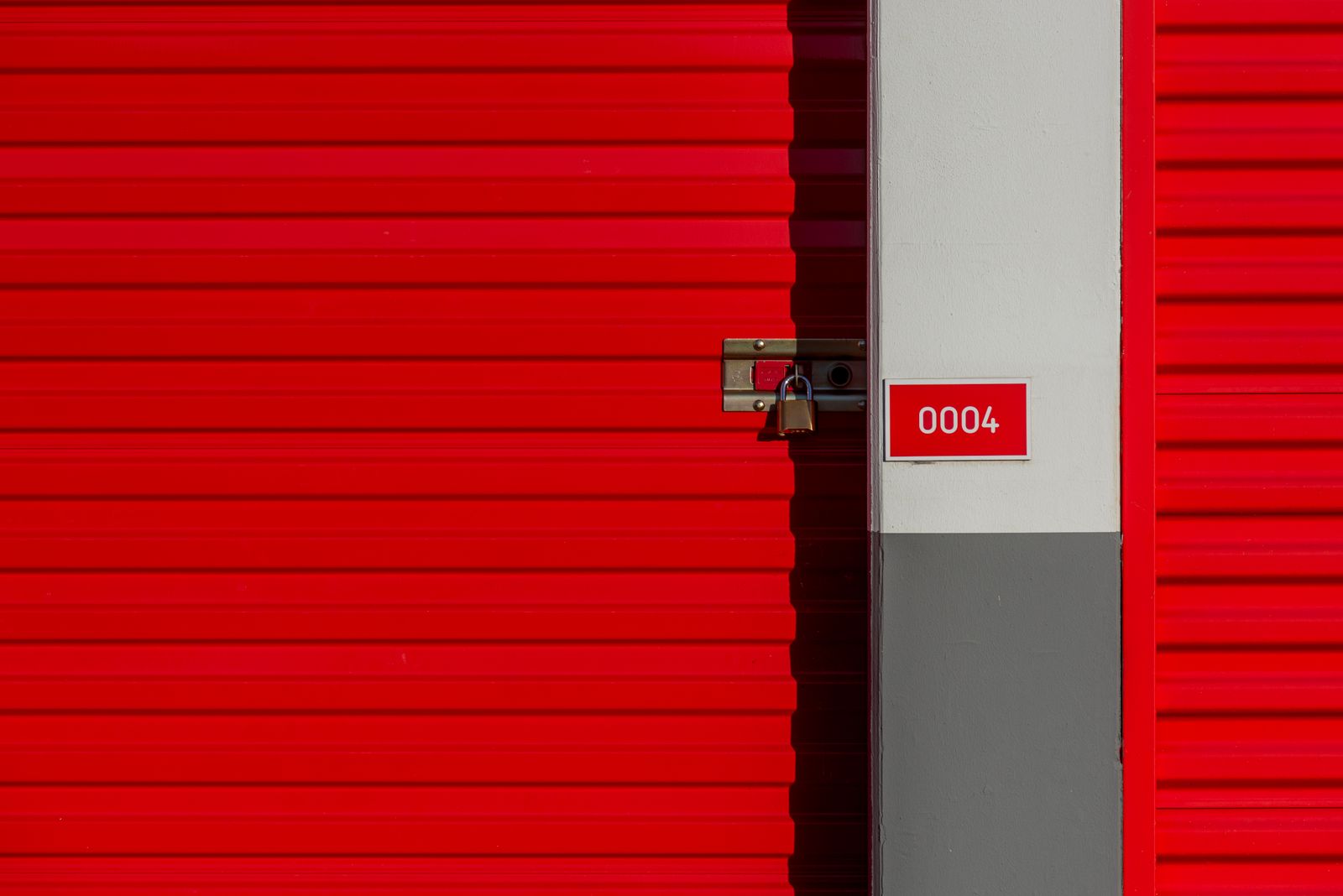
The lien exists from day one. By law, the operator has a lien on everything stored in your unit for rent and related charges, and it attaches on the first day your property is stored. Your rental agreement must state that lien in boldface type. There is no version of Wisconsin storage where the facility has no claim on the contents; there is only the question of how the claim can be enforced.
Default comes fast; sale does not. You are in default after failing to pay for seven consecutive days past the due date. Once you are in default, the operator may deny you access to your property until you pay what is due. But selling your things requires a longer road:
- A first notice to you — and to one additional person you are entitled to name in the rental agreement for exactly this purpose — saying you are in default and giving the operator's contact details for paying and recovering your property.
- A second notice, by verified mail or confirmed email, with an itemized statement of what you owe and a demand for payment within a period no sooner than 14 days after the notice date, plus the date, time and place of the sale if one is scheduled.
- A public advertisement of the sale in a newspaper of general circulation where the facility is, with the sale held at least 15 days after the advertisement appears.
And at any point before the sale itself, you can redeem everything by paying the rent and charges due. That right to redeem up to the moment of sale is the most important sentence in the statute for a family that has fallen behind during a move, a divorce or an illness. Use the tools the law hands you at signing, not after: name the additional notice person (a spouse, a sibling, anyone who will actually open the mail), keep your address and email current with the facility, and never let a storage bill be the one that goes to an old address after a move. Most storage losses I ever dispatched around were not malice. They were notices sent to a last-known address nobody was reading anymore.
Two more statutory details worth knowing. Property worth less than $100 in fair market value can be disposed of rather than sold once the notice process has run, and a stored vehicle can be removed by a towing company under its own track of the same section — relevant in a state where winter beaters, project cars and boats sit in storage for whole seasons. And a unit may never be used as a residence; the statute forbids the operator from knowingly allowing it and the renter from doing it.
Winter: the section the national guides cannot write for you
A standard drive-up unit in Wisconsin is, thermally, a metal box outdoors. From roughly November through March it will spend long stretches below freezing, and anything you store will eventually reach the temperature of the air around it. Climate-controlled units — usually kept in a moderate temperature band year-round — are the metro answer, at the premiums in the table above. Whether you need one depends entirely on what is going in.
Needs climate control, or a heated vehicle home instead: electronics and anything with a battery; musical instruments, especially anything wooden and glued; photographs, paper records and books you actually care about; liquids of every kind, from paint to cleaning supplies to the good wine; candles and cosmetics; and upholstered furniture with any damp in it, which will come out in spring smelling of the winter it spent.
Usually survives a standard unit fine: metal and solid wood furniture, tools, kitchenware, dishes, seasonal equipment, tires, and clothing and bedding stored clean, fully dry and sealed in plastic bins rather than cardboard. Cardboard is the winter failure I saw most: it wicks moisture from a concrete floor, softens, and the bottom box of a stack quietly collapses by February. Put everything on pallets, shelving or at least plastic, never directly on the slab.
Two Wisconsin-specific habits separate the families whose spring opening goes well from the ones whose does not. First, do not seal a unit in October and ignore it until May. Visit after the first thaw and after any big melt; roof ice, drifting against doors and meltwater finding a low slab are all discoverable problems in week one and disasters in month five. Rural facilities deserve an extra question before you sign: who plows, and how soon after a storm can you actually reach your unit? A cheap unit you cannot get to for four days after every snowfall is a different product from the one in the advertisement.
Second, store for the season you will open in, not the one you packed in. Boats are the classic Wisconsin case: winter storage is a whole local industry, and a boat put away wet, with fuel and batteries unprepared, comes out to a repair bill. The same logic, smaller, applies to snowblowers in May and lawn equipment in November. Storage in this state is seasonal by default; the families who treat the unit as a pause between seasons, with a preparation step at each end, are the ones who get their money's worth.
Sizing and choosing, the dispatcher way
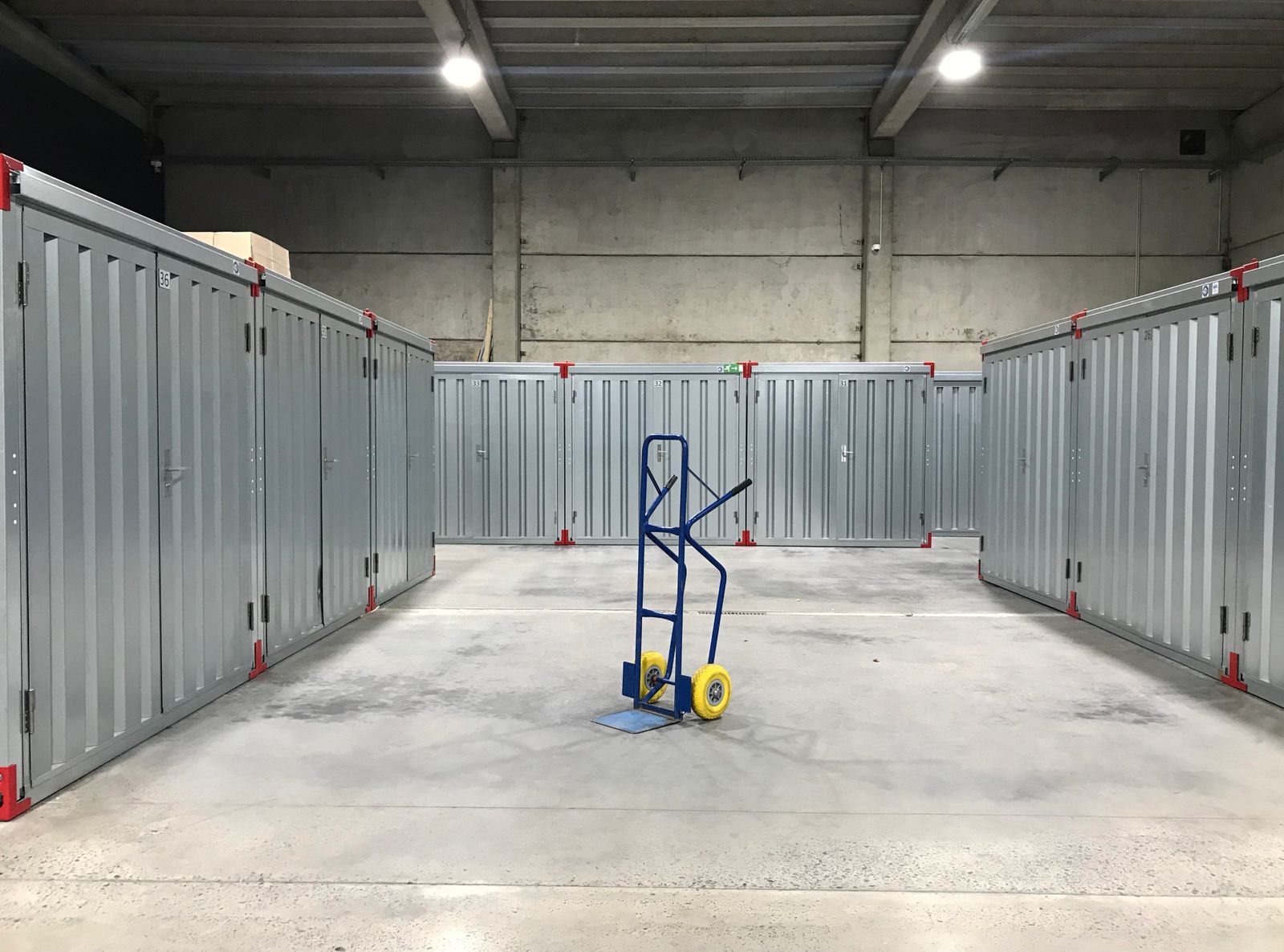
This site lists 2,753 mini and self storage listings, and the Wisconsin slice of that runs from Milwaukee high-rises of storage to a single building behind a highway motel. Choosing well is less about the brand than about four practical fits:
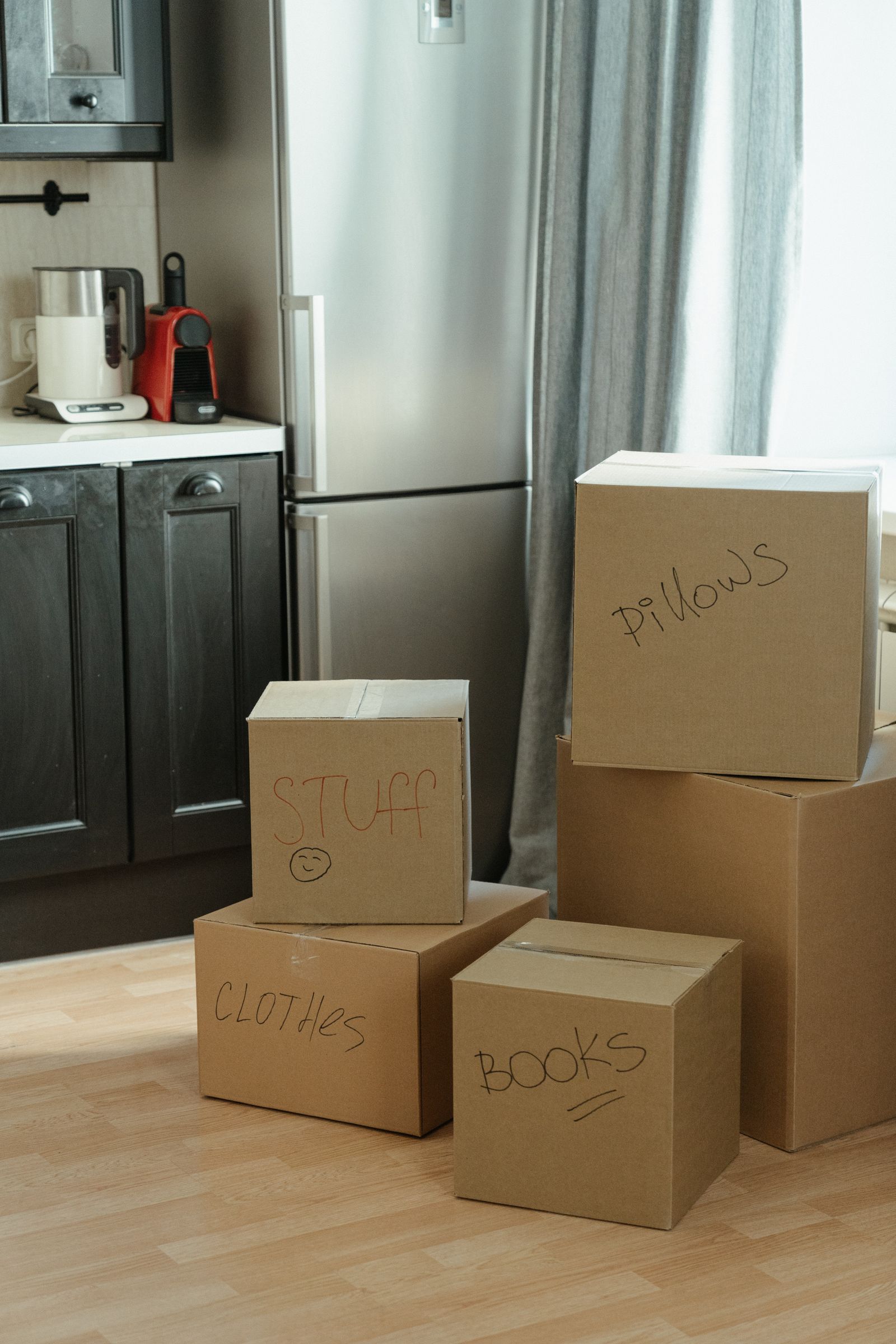
- Size honestly. A 5×5 holds a dorm room or a closet's overflow. A 5×10 takes a studio's furniture. A 10×10 — the market's standard — holds a one- to two-bedroom home's furnishings if packed properly, and a 10×20 is a garage: a vehicle, or a three-bedroom house in a pinch. Families in transition chronically under-rent and then stack to the ceiling, which is how the bottom boxes die. Rent the size that lets you leave an aisle.
- Match the access to the season. Drive-up access in January, with your own vehicle loaded, beats a beautiful interior facility with carts and elevators — unless what you are storing is exactly the freeze-sensitive list above.
- Ask who is there. A staffed office, a resident manager or a genuinely local owner is worth money in a state where a burst pipe or a damaged door in February is a same-day problem. Ask what happens, concretely, when something goes wrong at 8 p.m. in January.
- Read the agreement for the boldface. Wisconsin requires the lien warning in bold type and lets you name an extra person for notices. If the agreement in front of you does neither, that tells you something about the operator's care with the one law that governs the whole relationship.
The short version
Wisconsin storage is cheap by coastal standards and governed by a single, readable statute. Rent in the metros and you will pay roughly $89 to $112 a month for a standard 10×10, more for climate control, and far less in the small towns if you can accept small-town terms. Know that the operator's lien attaches on day one, that default comes at seven days unpaid, that lockout can follow — but that sale requires two notices, a newspaper advertisement and at least fifteen days after it, and that you can redeem your property by paying what is due at any time before the sale happens. Name your second notice person. Keep your address current. Store for the winter you actually have.
Do those things, and a storage unit in Wisconsin is what it should be: an unremarkable, affordable pause in a family's moving story — not the chapter where the story goes wrong.
Sources
- Wisconsin Statutes section 704.90 — self-service storage facilities: lien, default at seven days, access denial, two notices, 14-day payment period, newspaper advertisement, sale at least 15 days after advertisement, right to redeem, sub-$100 disposal, vehicle towing, residential use ban.
- Public Storage, Milwaukee storage pricing — 10×10 average $89, lowest $57; 5×5 and 5×10 averages.
- RentCafe, Greater Milwaukee and Madison storage data — Milwaukee-area 10×10 at $100 standard and $135 climate-controlled; Madison 10×10 at $112 standard and $144 climate-controlled, all-size average $148.
- SpareFoot, Madison storage data — 10×10 average about $126, overall average about $96.
- Chippewa Valley Property Management advertised rates, Elk Mound — 10×10 at $45, 10×15 at $55, 10×20 at $65 a month.
- Photo by David Slaager, https://www.pexels.com/photo/5759145/
- Photo by Jan van der Wolf, https://www.pexels.com/photo/38573375/
- Photo by cottonbro studio, https://www.pexels.com/photo/4554249/
More guides
- How to Hire a Moving Company That Won't Hold Your Furniture HostageMovers › Moving & Storage
- How Much Do Movers Cost? Local vs. Long-Distance Pricing ExplainedMovers › Moving & Storage
- Binding vs. Non-Binding Estimates: The Difference That Decides Your Final BillMovers › Moving & Storage
- Moving Insurance and Valuation: What 'Full Value Protection' Really CoversMovers › Moving & Storage
- Long-Distance Moving: A Start-to-Finish Guide for Household GoodsMovers › Household Goods Moving & Storage
- All Guides & ArticlesBrowse the full guides library