Movers › Moving Equipment & Supplies Rental
Moving Equipment and Supplies Rental for Seniors: Costs, Comfort and the Adjustments Worth Asking About
When I dispatched, the calls I remember are not the big houses. They are the older couple who had rented exactly what a 30-year-old would rent — a utility dolly, a dozen pads, a truck due back by five — and then discovered at noon, in August, that the plan assumed a body neither of them had anymore. Nothing about the equipment was wrong. Everything about the fit was.
Renting moving equipment as an older adult, or for an older parent, is not a different category of move. It is the same move with different margins: less margin for a twisted back, less margin for a rushed return deadline, less margin for a dolly that works fine on a warehouse floor and fights you on a cracked driveway. This guide is about widening those margins — what to rent, what it should cost, and the adjustments good providers make without being asked, plus the ones worth asking for out loud.
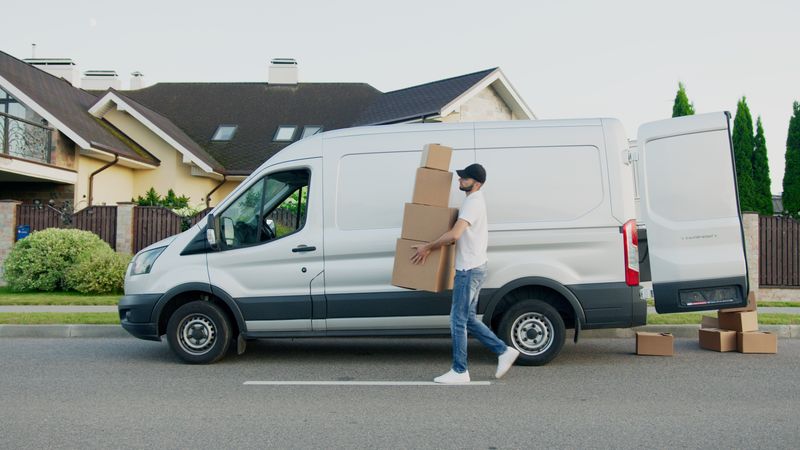
Start with the body, not the inventory
The honest first question is not how much stuff there is. It is who will actually lift, push, and carry, and for how long.
The Centers for Disease Control and Prevention reports that more than one in four adults aged 65 and older falls each year. Moving day manufactures fall conditions: loose rugs, cords across hallways, boxes in walkways, wet steps, and people carrying loads that block their view of their own feet. Family Handyman, reporting advice from a strength coach and a physical therapist, makes the same point about lifting itself: the risks that rise with age are lower-back and shoulder injuries, falls and fractures where bone density and balance have changed, and cardiovascular strain from work that spikes heart rate and blood pressure. Their experts set no age cutoff. They set a control test — if you cannot pick an item up smoothly and carry it under control, that item is not yours to move.
That test should sort the whole house before anything is rented:
- Yours to move, with equipment: sealed boxes under about 25 pounds, linens, kitchenware, lamps with shades removed.
- Yours only on wheels: anything that goes on a dolly and never leaves the ground except onto a ramp — file boxes, small bookcases emptied first, a microwave on a cart.
- Not yours at any price: appliances, solid-wood dressers, sleeper sofas, anything on stairs, anything you would have to twist to steer. Hire labor for this tier, even if it is only for two hours.
Renting equipment does not move an item from the third tier to the second. A dolly makes a heavy thing roll. It does not make stairs safe, and it does not give you back balance mid-carry. Good dispatchers knew this. Good rental counters know it too, and the best ones will say it before you pay.
What to rent — and what changes for older customers
The utility dolly (hand truck) is the workhorse: two wheels, a toe plate, stacked boxes strapped on. For older users, the details matter. Ask for pneumatic tires if the route includes grass, gravel, or cracked concrete — hard wheels chatter and jerk the load toward you. Ask for a strap, not just the frame; a strapped stack can be paused safely, an unstrapped one cannot. And check the handle height: a dolly you have to hunch over will punish a back within an hour.
The furniture dolly — a flat four-wheel platform — is the most senior-friendly tool in the building, because the lift is once, low, and shared, and after that the work is pushing. A dresser, a washer on its way to the door, a stack of boxes crossing a long hallway: all become steering, not carrying. On hard floors it is close to effortless. On carpet it still helps. If you rent one thing beyond pads, rent this.
The appliance dolly is the heavy specialist, with a built-in strap and stair-climber rails. It is also the one to be most careful about. It exists for refrigerators and washers, which for most older movers belong in the hired-labor tier. Rent it for the crew you hired, by all means. Do not rent it as a way to make a refrigerator a DIY job.
Furniture pads are rented by the half-dozen and are absurdly cheap insurance. Pads protect furniture, but for older movers they do a second job: they become floor protection over thresholds, padding on a handrail, and a drag surface — a heavy box on a pad can be slid across a smooth floor by someone who should not lift it at all.
Sliders, straps, and ramps. Hard-plastic sliders under furniture legs turn pushing into the main effort, which is the right trade: pushing uses leg strength and keeps the load on the ground. Forearm lifting straps, by contrast, still require two people to lift and carry — they help younger crews more than older ones. A portable ramp or threshold plate, where a rental shop offers one, removes the single most dangerous moment in a wheeled move: the lip at the front door.

What it costs
Published rental tables from U-Haul, compared against The Home Depot in U-Haul's own April 2025 pricing comparison, put the core equipment in a narrow, knowable band:
| Item | Typical daily rental | Notes |
|---|---|---|
| Utility dolly (hand truck) | $7 local / $12 one-way at U-Haul; $25 at Home Depot | Same tool, very different counter price — compare before you reserve |
| Furniture dolly | $7 local / $12 one-way at U-Haul; $15 at Home Depot | The best value on this list for an older mover |
| Appliance dolly | $10 local / $15 one-way at U-Haul; $30 at Home Depot | Rent it for hired help, not as a DIY upgrade |
| Furniture pads | $5 per half-dozen per day at U-Haul ($6 one-way) | Home Depot does not rent pads; buy or rent elsewhere |
| Senior move manager (optional) | $60–$120 per hour | For planning, sorting and oversight — not carrying |
Two budget truths hide in that table. First, the equipment itself is rarely the expense: a full, sensible kit — two dollies and a dozen pads — is roughly $20 to $30 a day at U-Haul rates. The money in a senior move is labor and time, not hardware. Second, counter prices vary enough between chains that a five-minute comparison call can halve the equipment bill. On a tight budget — and this guide's readers told us plainly that the budget is tight — that call is worth making.
The other cost to price honestly is the extra day. A 24-hour rental returned late, or a second day because the first day ran out of daylight and energy, is still cheap compared with an injury. Build the second day into the plan from the start if the move is more than a few rooms. A move spread over two calm days, with equipment kept overnight, costs one extra day's rental. A move compressed into one frantic day costs whatever a fall costs.
The adjustments worth asking about
Good providers make some of these without being asked. All of them are reasonable to request, and a provider who bristles at them is telling you something.
Delivery and pickup of the equipment itself. Several rental locations will drop off and collect dollies and pads, or load them into your vehicle for you. Ask. Carrying the rented appliance dolly to your own car in the parking lot is the first lift of the day, and it should not be yours.
A morning pickup and a forgiving return. Ask for the earliest pickup slot, so the work happens in the cool, rested part of the day, and ask — before you sign — what a late return actually costs and whether there is a grace period. The answer separates shops that work with older customers from shops that merely rent to them.
Longer, slower reservations. If you are also renting a truck, ask about keeping it for 48 hours at the in-town rate, loading in stages. Dispatch wisdom: the truck is a staging area, not a deadline. Load the heavy tier first, with help, rest, then finish with the light boxes the next morning.
Pacing help, in the form of labor by the hour. You do not have to hire a full moving crew to get help with the third tier. Moving labor can be booked for a minimum block — often two workers for two hours — to handle appliances, stairs, and the truck load, while you keep the packing, sorting, and wheeled work. For many senior moves this hybrid is the whole answer: your judgment, their backs.
A senior move manager for the plan, if the move is a downsize. The National Association of Senior & Specialty Move Managers (NASMM) accredits specialists who plan the move, help sort a lifetime of belongings, draw a floor plan of the new home so only what fits is moved, arrange donations and disposal, and oversee the movers on the day. AARP, reporting NASMM's survey, puts their rates at $60 to $120 an hour. That is not cheap, and for a straightforward apartment-to-apartment move it is unnecessary. For a 30-year house being reduced to a two-bedroom, a few hours of that planning can cost less than renting equipment and truck space for furniture that was never going to fit.
Setting up both homes so the equipment can work
Equipment only helps on a clear route. Before moving day, walk the route at both addresses with a tape measure and a phone camera:
- Clear a path at least 36 inches wide from the heaviest furniture to the door, and keep it clear — no staged boxes in the walkway.
- Remove loose rugs, coil cords, and put a non-slip mat at any threshold the dolly will cross.
- Measure doorways and the tightest turn. A furniture dolly adds width; know before the dresser is on it.
- At the new home, mark where each large piece goes — tape on the floor works — so nothing heavy is moved twice. The second move of a heavy piece, the "just shift it over there," is where tired people get hurt.
- Keep medications, water, a chair, and a phone in a separate, clearly marked "do not pack" spot at both ends. The chair matters: scheduled sitting breaks are a moving technique, not a weakness. Every 30 to 45 minutes, stop, sit, drink. Dispatchers build slack into a route for weather and traffic. Build it in for people.

Questions to ask at the rental counter
- Are the dolly tires pneumatic, and is a strap included?
- What does a second day cost, and what is the late-return fee and grace period?
- Will you load the equipment into my vehicle — and unload it when I return?
- Can the equipment be delivered and picked up, and what does that cost?
- How many pads do you recommend for this many rooms — and can I add more mid-rental without a new contract?
- If I need labor only for the heavy items, do you partner with or recommend a local crew that books by the hour?
Finding the right help
Start local and specific. This site lists 5,379 moving equipment and supplies rental listings, alongside thousands of full-service movers and labor-only crews — enough choice that no older mover should have to accept the first counter's terms. Compare the equipment price, ask the six questions above, and listen for the provider who talks about pace, stairs, and who is doing the lifting before they talk about price. That conversation is the product. The dollies are just hardware. Rent the hardware cheap, spend what you save on help for the heavy tier, and make the move the kind dispatchers liked best: the one nobody had to call about afterward.
Sources
- U-Haul, "U-Haul vs. The Home Depot Truck Rental" — published equipment rental prices for utility, furniture and appliance dollies and furniture pads at both chains.
- Centers for Disease Control and Prevention, older adult falls fact sheet — more than one in four adults 65 and older falls each year.
- Family Handyman, "When Are You Too Old To Move Furniture?" — expert guidance on back, shoulder, fall and cardiovascular risks, and the control test for deciding what to lift.
- AARP, "Why a Move Manager Can Ease the Moving Process" — what senior move managers do and, from NASMM's survey, typical rates of $60–$120 an hour.
- National Association of Senior & Specialty Move Managers (NASMM) — accreditation, floor planning, sorting and mover-oversight services offered by senior move managers.
- Moving equipment photo by Artem Podrez, https://www.pexels.com/photo/5025669/
- Packing photo by SHVETS production, https://www.pexels.com/photo/7203881/
- Woman carrying boxes photo by Andrea Piacquadio, https://www.pexels.com/photo/3791617/
More guides
- How to Hire a Moving Company That Won't Hold Your Furniture HostageMovers › Moving & Storage
- How Much Do Movers Cost? Local vs. Long-Distance Pricing ExplainedMovers › Moving & Storage
- Binding vs. Non-Binding Estimates: The Difference That Decides Your Final BillMovers › Moving & Storage
- Moving Insurance and Valuation: What 'Full Value Protection' Really CoversMovers › Moving & Storage
- Long-Distance Moving: A Start-to-Finish Guide for Household GoodsMovers › Household Goods Moving & Storage
- All Guides & ArticlesBrowse the full guides library