Movers › Moving Equipment & Supplies Rental
Moving Equipment and Supplies Rental in a Small Town or Rural Area: Fewer Choices, Different Math, Better Tactics
In a city, renting moving equipment is a comparison problem. You open three tabs, compare a hand truck here with an appliance dolly there, and pick up both on the way home. In a small town, it is a logistics problem first and a price problem second. The nearest counter may be at a hardware store that closes at five, a self-storage office that rents two dollies and no blankets, or an independent dealer an hour away whose one 20-foot truck is also the truck everybody else in the county wants on the last Saturday of the month.
I have coordinated relocations into places where the rental fleet was, in effect, one truck. The tactics that work there are different: you book earlier, count miles differently, buy some things you would rent in a city, and treat a confirmed reservation as the start of the conversation, not the end. This is that playbook, for people on a tight budget who cannot afford a wasted round trip.
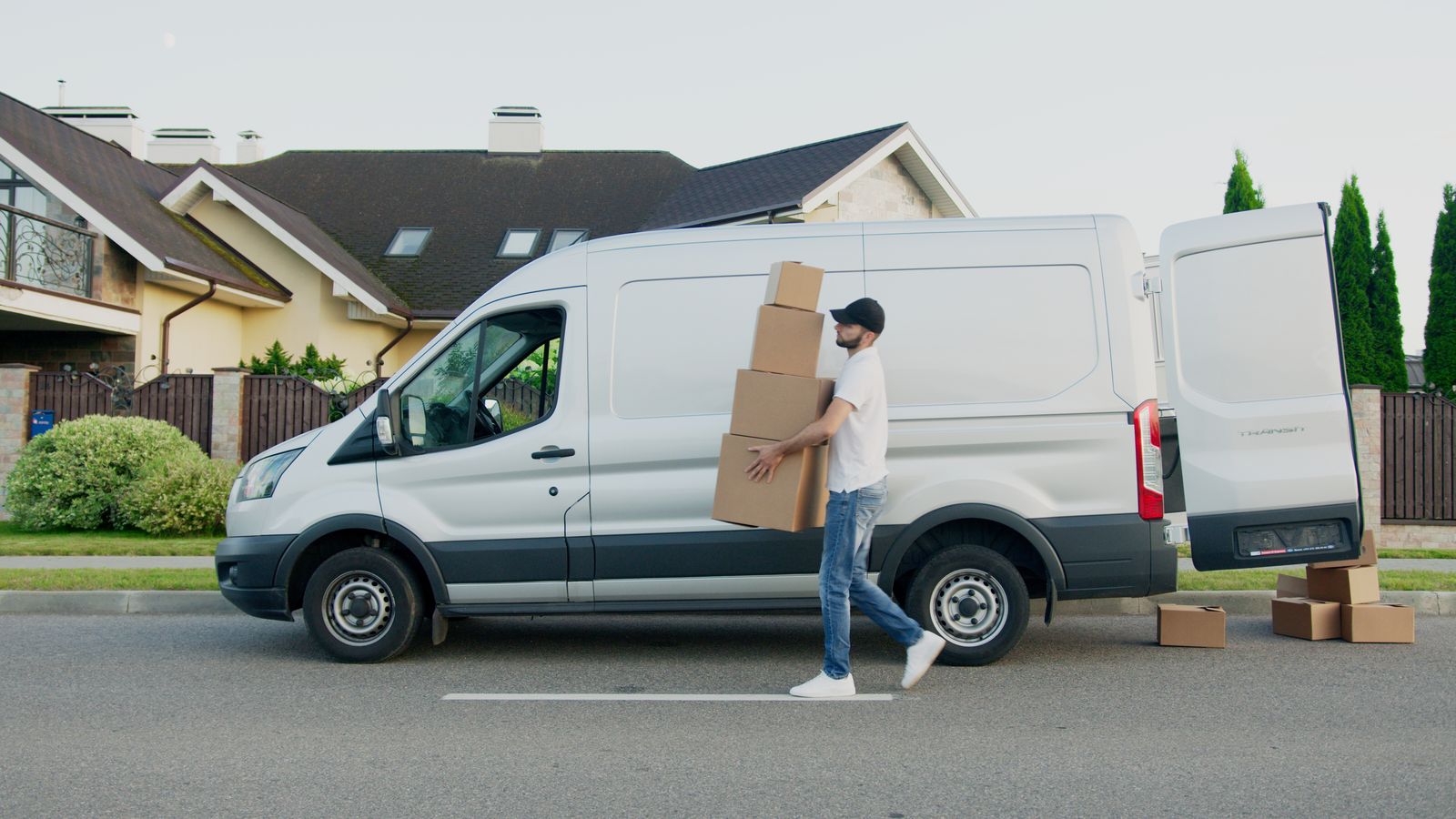
What "equipment and supplies" actually covers
The phrase covers two different shopping lists, and rural renters need to keep them separate because they fail differently.
Rental equipment is the durable gear you return: utility dollies (the two-wheel hand truck), appliance dollies with straps, four-wheel furniture dollies, furniture pads and moving blankets, and — at larger counters — ramps, straps and hand trucks rated for stairs. Supplies are the consumables you keep or throw away: boxes, tape, packing paper, mattress bags, stretch wrap and markers. Some counters sell supplies and rent equipment; some do one or the other. In a rural area, assuming one stop covers both is the first mistake.
The rental prices themselves are not mysterious. U-Haul, the network you are most likely to find outside a metro, lists a utility dolly at $7 a day for an in-town rental and $12 for a one-way rental, a furniture dolly at the same $7 / $12, an appliance dolly at $10 in town and $15 one-way, and furniture pads at $5 per half-dozen per day. Home Depot's tool-rental counters price the same jobs higher and by the hour as well as the day — a hand truck at about $25 a day, a four-wheel dolly at about $15 a day and an appliance dolly at about $30 a day — and Home Depot does not rent moving blankets at all. Independent hardware and equipment yards generally land in the $10 to $25 a day range for a standard hand truck, with appliance dollies higher.
None of those numbers will break a budget on their own. What breaks a rural budget is everything around them.
The rural math: miles, time and the second trip
In a city, mileage is a line item. In the country, it is the item.
A local truck rental is a daily rate plus a per-mile charge. U-Haul's in-town trucks start at $19.95 a day for a pickup, cargo van or 10-foot truck, $29.95 for a 15-foot, $39.95 for a 20-foot and $49.95 for a 26-foot, plus mileage and fees. Published comparisons put that mileage commonly around $0.59 to $1.19 a mile depending on place and date, and one-way rentals work differently: a flat price with a set number of days and miles included, then about $1 for each extra mile.
Now put that truck where rural people actually live. If the rental counter is 35 miles from your old house, and your new house is 20 miles beyond it, you have paid for more than 50 miles before a single box moves — plus the drive back in your own car, plus fuel. A second trip for a forgotten appliance dolly is not a ten-minute errand; it is an hour and a tank decision. That is why rural renters should do arithmetic city renters skip:
| Rural cost to count | How it bites | The counter-move |
|---|---|---|
| Deadhead miles to the counter | You pay truck mileage and your own fuel before loading starts | Pick up on a trip you are already making; load in the direction of travel where you can |
| Extra miles over a one-way allowance | About $1 a mile on a U-Haul one-way once the allowance runs out | Map the real route, including detours and the drop-off drive, before you accept the allowance |
| Extra days | One-way trucks kept past the allotted days cost about $40 a day; trailers and towing gear about $20 a day | Build the unload day into the booking, not as a hopeful extension |
| A second rental for one item | A standalone dolly trip can cost more in fuel and time than the dolly | Rent every dolly you might need on the first trip; returning an unused one is cheap |
| Fuel and the quarter-tank rule | Returning a truck below the fuel level you received it at draws refuelling charges; below a quarter tank can add a $30 service fee | Photograph the gauge at pickup and fill up in the town with the cheaper station, not at the last pump |
Scarcity is real — and it is seasonal
U-Haul's advantage outside the metros is scale: more than 25,000 locations across the United States and Canada, many of them independent dealers rather than company stores, which is why it is often described as the best option for last-minute and rural rentals. Penske and Budget are strong on price and, for Penske, on newer trucks for long one-way trips, but their consumer locations concentrate in and around cities. Home Depot suits quick, same-day local hauls and requires you to return the truck to the same store.
Scarcity in a small town does not mean no truck exists. It means there is no depth behind the first truck. If the one 20-foot is out, reserved, or down for a repair, there is no second one in the back. The same applies to equipment: a counter may own two appliance dollies, and both go out on the first Saturday someone moves a refrigerator.
Three tactics follow from that:
Book the truck and the equipment together, early, for the peak weekends. The last weekend of the month, the first weekend after a school term ends, and any summer Saturday are contested everywhere, but in a one-truck town "contested" means gone. Reserve the dollies and pads on the same reservation as the truck, by name — "an appliance dolly with straps," not "a dolly" — because the wrong dolly for a refrigerator is not a partial success.
Confirm by phone, with a person, the day before. Ask three specific questions: is the truck physically on the lot, is the equipment set aside with it, and what time does the counter actually close tomorrow? A reservation system can show availability that a small lot cannot honour that morning. U-Haul offers a $50 guarantee at select locations if a reserved truck size is unavailable on pickup day — useful money, but it does not move your furniture, so treat confirmation as your real guarantee.
Have a named Plan B before you need it. The next town's dealer, the hardware store that rents hand trucks by the day, the storage facility that sells boxes and lends a dolly to customers, the neighbour with a trailer. In relocation work, the moves that stayed on budget in rural places were never the ones with the cleverest booking. They were the ones where somebody had written down the second option in advance.
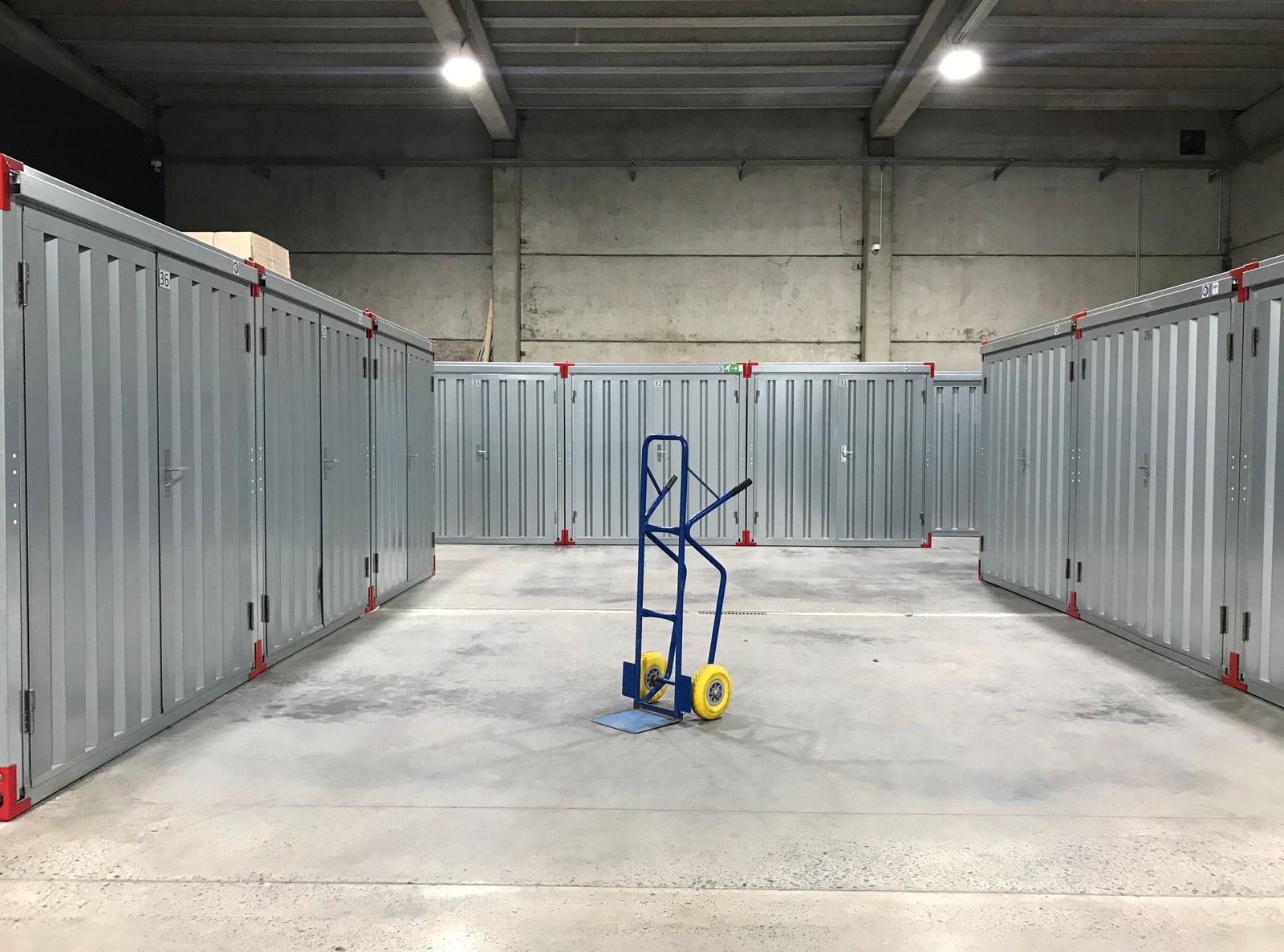
Rent, buy or borrow: the rural version of the decision
City advice says rent everything and return it. Rural arithmetic sometimes says the opposite, because the trip to return an item has a cost too.
Rent the appliance dolly, always, if you are moving a refrigerator, washer, dryer or safe. It is a specialised tool with straps, rated for loads in the hundreds of pounds, that you will use for an hour and should not improvise. Rent furniture pads by the dozen as well — they are bulky to store, cheap to rent, and they are the difference between a scratched tabletop and an intact one. U-Haul's $5 per half-dozen makes a dozen pads one of the cheapest forms of insurance in the whole move.
Buy when the item is cheap, consumable, or useful after the move. A basic hand truck sells for roughly $40 to $70, which is two or three rural rental days plus the fuel to fetch and return it. If you are moving in stages over several weekends — common when a family is moving itself between farms, rentals or a house being renovated — buying a hand truck and a four-wheel dolly outright often beats renting them three times. Boxes are the same calculation in reverse: buy them where they are cheapest, which may be a big-box store on a trip to the city, rather than at the only counter in town on moving morning.
Borrow carefully. Trailers, ramps and help are borrowed in rural places in a way city movers rarely experience, and it works when the terms are spoken out loud: when it comes back, with how much fuel, and who fixes a flat. What not to borrow is safety-critical gear in unknown condition — a frayed strap or a dolly with a bent axle turns a cheap move into an injury.
Supplies when the nearest full stock is an hour away
Order supplies as if the local stock will fail you, because one day it will. The local counter may have medium boxes and no mattress bag, tape and no packing paper. Build the supply list from the house, room by room, then add a margin — running short of boxes 40 miles from a restock, with a truck clock running, is how people end up moving clothes in bin bags and books in a laundry basket that splits on the steps.
Stage supplies a week ahead, so a missing item can ride along on an ordinary trip to town, and buy from a chain that lets you return unopened bundles — overbuying returnable boxes is cheaper than underbuying irreplaceable ones. Storage facilities are an underused source: this site lists 2,753 mini and self-storage listings under Movers, and many storage offices sell boxes, tape and mattress bags even to non-customers.
The counter conversation that saves money
At a small dealer, the person across the counter often has discretion a city call centre does not — which truck you get, whether an extra set of pads goes on the ticket, how a late return is handled when a storm closes a road. That discretion rewards a customer who arrives with the inventory honest, the route measured and the return time realistic. Say the quiet parts out loud: the driveway is gravel, the bridge on the short route has a weight limit, you need the truck until Sunday, not Saturday. A larger truck that cannot cross the bridge is not an upgrade, and a one-way quote built on real miles is one you can hold; a flattering one built on guesses is a bill waiting to grow.
Ask, in this order, before you sign:
- What is included in the mileage allowance, and what does each extra mile cost?
- How many days are included, and what is the charge for one more day?
- Is the exact dolly and pad count I reserved set aside with the truck?
- What fuel level must I return, and where is the nearest fuel on my return route?
- What happens, in dollars, if I am two hours late — and who do I call?

When renting stops being the cheap option
There is a distance at which the rural rental calculation flips. If you must drive an hour to fetch a truck, pay mileage both ways, take two days because help is only available on weekends, and return for a second load, the honest comparison is no longer truck-versus-movers on the headline rate. It is your total — truck, miles, fuel, equipment, supplies, food for helpers, and a day or two of your own labour — against a local mover's quote for the same job, or against a one-way rental picked up in the town you are leaving and dropped in the town you are joining, which can eliminate the deadhead entirely.
That is also where a directory earns its keep. This site lists 5,379 moving equipment and supplies rental listings, and another 2,451 moving and storage equipment and supplies retail listings — in a rural search, use them not to find the cheapest dolly but to map every counter within the radius you are willing to drive, then call them in order of distance. The nearest counter is not always the one with the truck, the dolly and the pads on the same day. The second-nearest, with all three, is the bargain.
Move the way rural people do most things: early, with a full tank, a written list, and a phone call made the day before. The equipment is the same equipment they rent in the city. Only the cost of getting it wrong is higher — so get it right on paper first.
Sources
- U-Haul, Truck Rental Price vs. Cost and U-Haul vs. The Home Depot Truck Rental — in-town truck rates from $19.95 a day, equipment rates for utility, furniture and appliance dollies and furniture pads, and Home Depot equipment and truck prices.
- moveBuddha, Best Cheap Moving Truck Rentals and U-Haul Truck Rental Review — U-Haul's network of more than 25,000 locations, its strength for rural and last-minute rentals, one-way mileage allowances and extra-mile and extra-day charges.
- This Old House, What To Know Before Renting a U-Haul — local mileage ranges, late and extra-day fees, and the $50 reservation guarantee at select locations.
- Metal Fusion Pro, Who Rents Hand Trucks — hand truck and appliance dolly rental ranges at hardware and equipment counters, and purchase prices for a basic hand truck.
Photo by Artem Podrez, https://www.pexels.com/photo/man-carrying-boxes-beside-a-van-5025669/ Photo by David Slaager, https://www.pexels.com/photo/an-empty-hand-truck-5759145/ Photo by cottonbro studio, https://www.pexels.com/photo/family-unpacking-after-moving-4569340/
More guides
- How to Hire a Moving Company That Won't Hold Your Furniture HostageMovers › Moving & Storage
- How Much Do Movers Cost? Local vs. Long-Distance Pricing ExplainedMovers › Moving & Storage
- Binding vs. Non-Binding Estimates: The Difference That Decides Your Final BillMovers › Moving & Storage
- Moving Insurance and Valuation: What 'Full Value Protection' Really CoversMovers › Moving & Storage
- Long-Distance Moving: A Start-to-Finish Guide for Household GoodsMovers › Household Goods Moving & Storage
- All Guides & ArticlesBrowse the full guides library