Movers › Moving Equipment & Supplies Rental
Moving Equipment and Supplies Rental on a Tight Budget: Where to Save, and Where Saving Backfires
The cheapest move is rarely the one with the smallest rental receipt. It is the one where nothing breaks, nobody gets hurt, the truck goes back on time, and you do not make a second trip for the thing you decided you could do without.
That distinction matters because moving equipment is where tight budgets quietly leak. A family will negotiate hard on the truck, then improvise the dollies, pads and straps that actually protect the furniture inside it. Or the opposite: they will rent everything the counter offers, including equipment for appliances they do not own, and return half of it still wrapped.
This guide separates the two. The rentals and supplies worth paying for, the ones you can borrow, buy used or skip entirely, and the false economies — documented in complaint after complaint — that turn a $30 saving into a $600 repair.
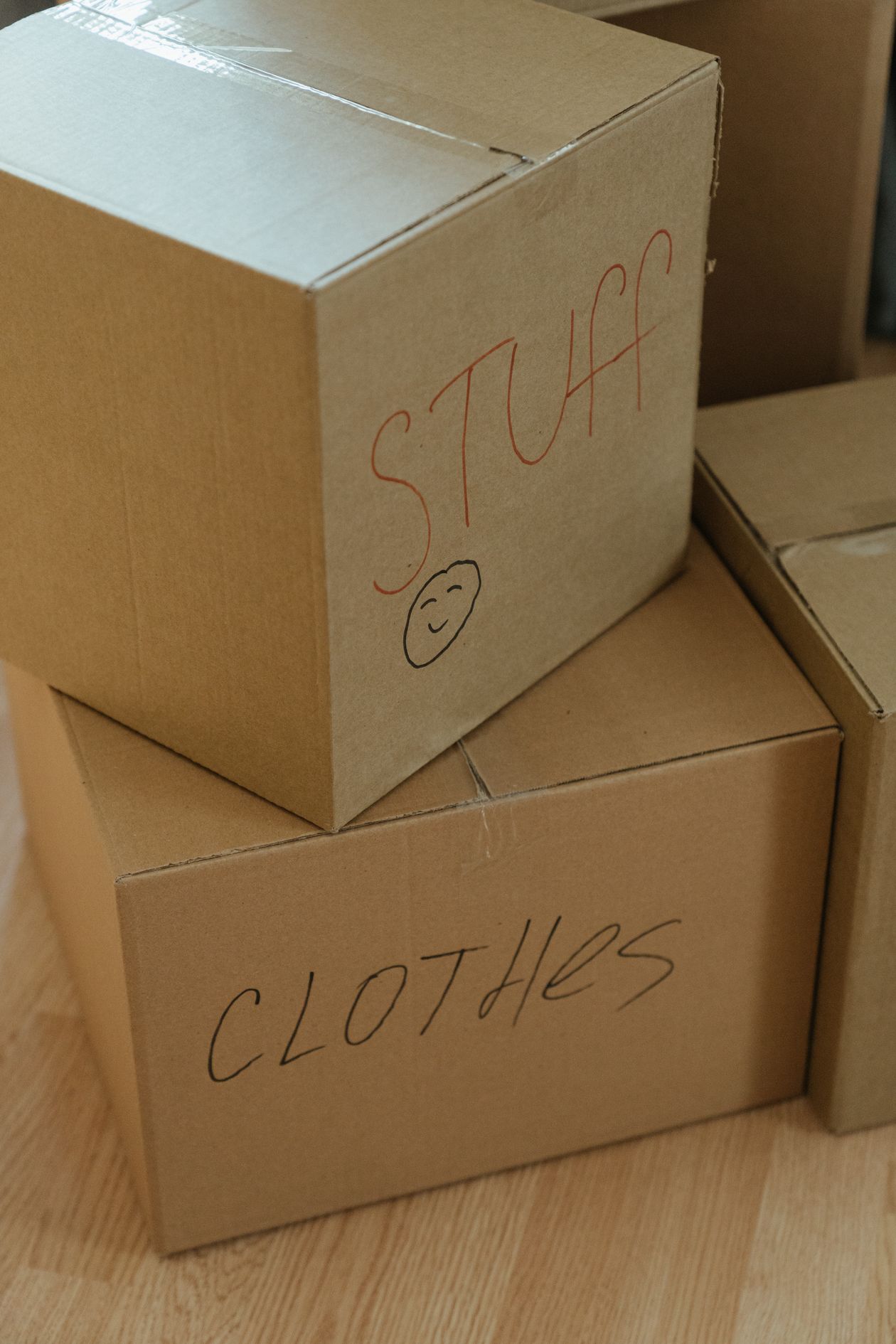
Start with what you are actually moving
Before pricing anything, walk the house with a phone and list the heaviest and most fragile ten items. Not the whole inventory — just the ten that decide your equipment: fridge, washer, dryer, sofas, solid-wood dressers, mattresses, a large TV, mirrors, a piano or safe if you have one, and anything with glass.
That list, not the size of your home, determines three rentals:
- An appliance dolly — the tall two-wheeler with a strap — if you have a fridge, washer or dryer to move. At U-Haul it rents for $10 a day locally and $15 on a one-way move, against $30 a day at The Home Depot for the same tool.
- A furniture dolly — the flat four-wheeled platform — for dressers, sofas and stacked boxes. $7 a day locally at U-Haul, $12 one-way; $15 at The Home Depot.
- A utility dolly, or hand truck, for boxes in volume. $7 a day locally at U-Haul, $12 one-way; $25 at The Home Depot.
If none of your ten heaviest items needs wheels, you do not need the dolly. If one does, you need the right dolly, not whichever one is left. An appliance dolly's strap and stair-climbers are not upsells; they are the difference between controlling a 250-pound fridge on a step and chasing it.
This site lists 5,379 moving equipment and supplies rental businesses, so in most metro areas you have more than one counter to compare. Get the same list priced at two of them. The spread above — $10 versus $30 for an appliance dolly on the same day — is typical, and it is the easiest money in this entire guide.
The rental price table worth memorizing
Published rental rates, checked against U-Haul's own comparison of its prices with The Home Depot's, look like this:
| Item | U-Haul, local per day | U-Haul, one-way | The Home Depot, per day |
|---|---|---|---|
| Furniture pads, half dozen | $5 | $6 | Does not rent pads |
| Utility dolly (hand truck) | $7 | $12 | $25 |
| Furniture dolly | $7 | $12 | $15 |
| Appliance dolly | $10 | $15 | $30 |
Two lessons fall out of that table. First, one-way rentals cost more for the same steel and rubber, because the equipment travels with you and has to be rebalanced across the network. If a friend can return local gear to the shop you rented it from, a local rental plus a borrowed driver can beat the one-way price. Second, pads are a rental bargain at the truck counter and unavailable at the big-box store — so the place you rent the truck is usually the place to get the pads, even if its boxes cost more.
Budget the whole equipment line, not the headline items. A realistic local package — one appliance dolly, one furniture dolly, a hand truck and a dozen pads — is about $34 a day at U-Haul's local rates. That is less than the deductible argument you will have with yourself over one gouged dining table.
Where saving works: boxes, paper and tape bought properly
Boxes are the biggest supplies line, and the most saveable — if you buy the right boxes cheaply instead of the wrong boxes free.
New boxes cost between $1.30 and $4.00 each depending on size, with specialty boxes for TVs, mirrors and bikes running $10 to $40. Retail comparisons put a small box at about $1.39 at U-Haul and $1.98 to $2.98 at The Home Depot, a medium at about $2.04 to $2.27 at U-Haul against $2.48 to $3.98 at The Home Depot, and a large at about $2.48 to $2.87 at U-Haul against $2.78 to $5.48 at The Home Depot. Walmart is often the cheapest of the national chains on standard sizes.
U-Haul's own budgeting guide puts total box-and-supplies spending at $100 to $200 for a studio, $250 to $400 for a one- to two-bedroom apartment, $350 to $500 for a three-bedroom home and $550 to $700 for a home with four or more bedrooms. Most households, it notes, land between $100 and $500 in total.
Inside those totals, save in this order:
Buy bundles, then return the surplus. U-Haul offers a 100% buy-back guarantee on unused supplies returned with the receipt. That guarantee changes the math completely: overbuying boxes stops being a risk, so buy for the house you have, not the decluttered house you intend to have by Friday. Running out mid-pack costs a second trip and a worse price at the nearest store.
Take free boxes only where failure is cheap. Liquor-store and grocery boxes are fine for linens, shoes and pantry goods. They are a false economy for books, dishes and anything heavy: they have already worked one life, their flaps rarely match, and a bottom that gives way on a staircase drops the contents and stops the whole move. Spend the $1.39 on small, strong boxes for the heavy loads — small boxes exist precisely so a box of books stays liftable.
Rent reusable crates if your city has them. Plastic crate rental costs more per box than cardboard, but the crates arrive clean, stack without crushing, and leave without a recycling problem. For a short, local, one-week move they can be the cheaper total once tape and replacement boxes are counted. For a move into storage, they are the wrong tool — you have to give them back.
Use your own soft goods as padding, with one rule. Towels, bedding and out-of-season clothes are legitimate packing material for dishes and glass, and using them saves real money on paper and bubble wrap. The rule: washable only, and never as the sole wrap on anything irreplaceable. Packing paper runs roughly $7 to $40 and bubble wrap $6 to $30 depending on quantity; a single roll of paper for the best glassware is cheap insurance inside an otherwise free system.
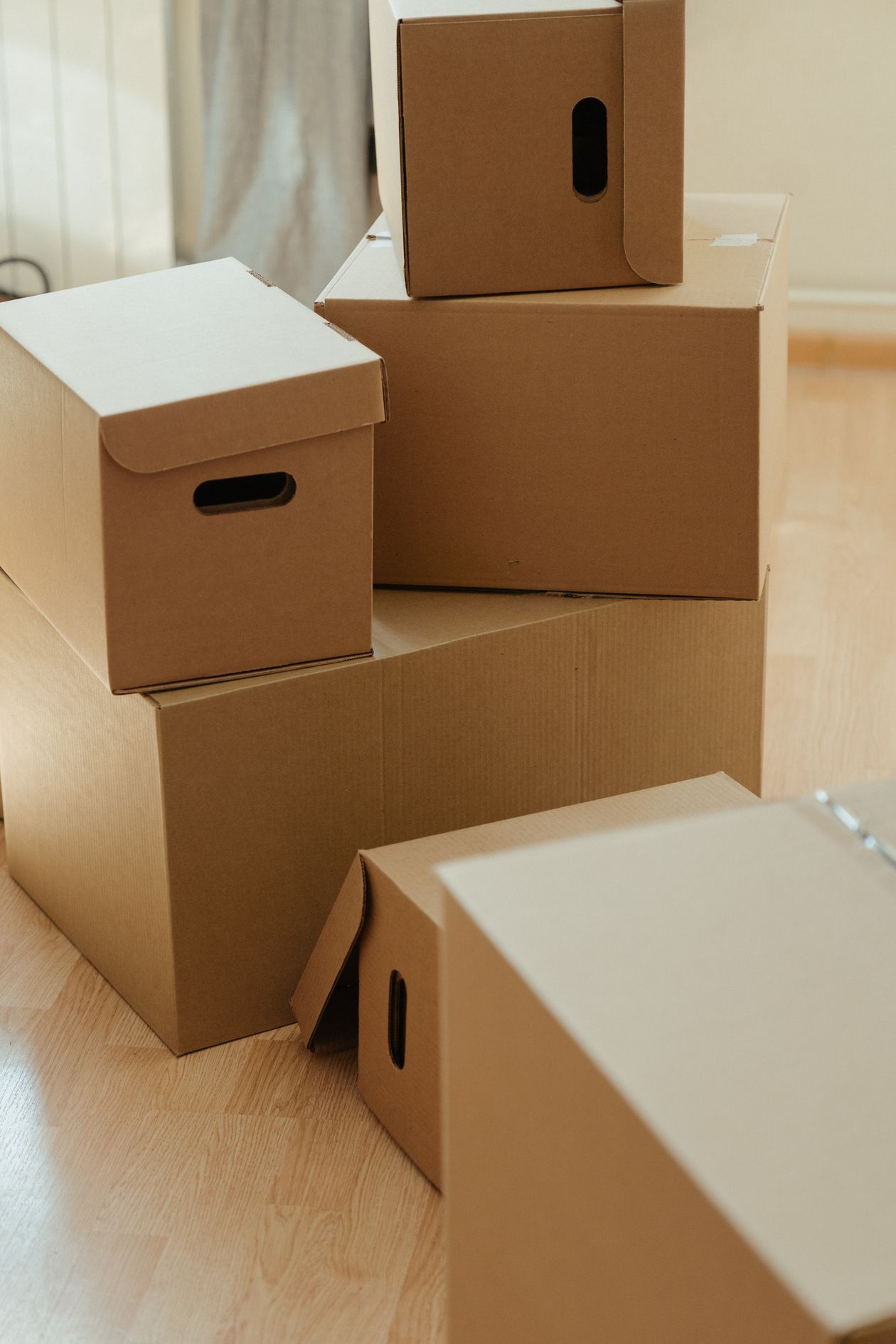
Where saving backfires, every time
Skipping furniture pads. This is the single most common false economy in moving complaints. Pads rent for $5 per half dozen locally. A dresser refinished is hundreds. In the truck, unpadded furniture does not just scratch — pieces rub with every turn for the whole drive, so a short local move can do more surface damage than a careful long one. Plan on at least a dozen pads for a one-bedroom and two dozen for a house, and wrap anything with a finished surface, a mirror or a screen. This site lists 2,451 moving and storage equipment and supplies retailers alongside the rental counters, so if a rental shop is out of pads on a Saturday, a retail set at $10 to $20 per blanket — yours to keep and resell — beats moving bare.
Using rope instead of straps. Loads shift. A strap with a ratchet or cam buckle holds tension; a knotted rope loosens, and the first hard stop sends the heaviest item looking for the weakest one. Straps are a few dollars each and are sold, not rented, almost everywhere. Buy four. This is not a line to borrow your way out of unless the borrowed straps are proper load straps, not bungee cords — bungees stretch, which is the opposite of the job.
Renting one dolly for a two-person, two-front move. If two people are loading from different rooms, or one is loading while the other carries, a single hand truck creates a queue at the truck ramp and stretches the rental day. A second utility dolly is $7. An extra day because you ran long, plus mileage and a late return, is not. Match the gear to the crew you actually have, not the crew you wish had shown up.
Buying the cheapest tape. Tape failure is silent until a box bottom opens over concrete. Use proper packing tape, at least two inches wide, and budget roughly a roll per ten boxes. Masking tape, electrical tape and duct tape all fail this job — masking tape is too weak, electrical tape leaves residue and lets go, and duct tape breaks down in heat. On a summer move, heat tolerance is not a detail; a truck box can sit in serious heat for hours.
Skipping the mattress bag. Bags run only a few dollars. Mattresses pick up dirt, moisture and bed-frame grease in a truck, they are almost impossible to clean, and some storage facilities will not accept an unwrapped mattress. This is the cheapest protection per dollar of item value in the whole move.
Rent, borrow, buy or skip: the decision list
Rent: appliance and furniture dollies, hand trucks, furniture pads. You need them for a day or two, they are bulky to store, and rental units are built heavier than the cheap retail versions.
Borrow: a second hand truck, a toolbox of moving-day tools, extra blankets for floor protection at the new place. Borrowing works for gear whose failure would be an inconvenience, not an injury or a broken appliance.
Buy: boxes, tape, packing paper, mattress bags, straps, markers, a box cutter for each adult. Consumables are yours, they are cheap in bundles, and leftovers have a buy-back or a next use.
Skip: specialty boxes for items that pack safely another way (a bike box for a bike that will ride in a car anyway), a TV box if you kept the original packaging, garment bags when wardrobe boxes or a car full of hanging clothes will do, and any powered lift or extra equipment pitched at the counter for a ground-floor, short-carry move. Counter add-ons are not scams — they are simply priced for the average customer, and you have already listed your ten hardest items. If it is not on that list, it does not need equipment.
Timing is a price, too
Equipment rental is a daily market. Saturday and month-end are the peak of the moving calendar, and the dolly you need is the one three other families on your street also need. Reserve equipment with the truck, not after it, and confirm the day before — a reservation for a truck alone does not always hold the add-ons. Pick up pads and dollies with the truck even if you will not load until the next morning; running the clock a few hours early is cheaper than a sold-out counter on loading day.
Return discipline matters too: photograph rented items at pickup and return, and keep the receipt until the final charge posts.
A tight-budget equipment plan, by home size
For a studio or one-bedroom, rent one hand truck, one furniture dolly and a dozen pads (about $24 locally at U-Haul), add an appliance dolly only if the fridge or washer is yours to move, and budget $100 to $200 for boxes and supplies bought as a bundle with buy-back.
For a two- to three-bedroom house, rent two hand trucks or one hand truck and one furniture dolly, an appliance dolly, and two dozen pads (about $41 to $48 locally), and budget $350 to $500 for supplies. This is the size where a second dolly pays for itself in hours saved.
For a four-bedroom or larger home, price the equipment twice — once as rental, once as a hybrid where you buy pads retail and rent only the dollies. At this volume, owning pads you can resell or reuse for the inevitable second phase of the move often beats a multi-day rental, and supplies will run $550 to $700 if you buy everything new, less if the soft-goods-as-padding rule is applied room by room.
Leave one line in the budget unspent. Moves produce one surprise, and the family that kept $50 back handles it at the counter instead of skipping the pads for the second load.
Sources
- U-Haul, "U-Haul vs. The Home Depot Truck Rental" — establishes the rental price comparison for furniture pads, utility, furniture and appliance dollies, and that The Home Depot does not rent moving blankets.
- U-Haul, "How to Make a Budget for Moving Boxes and Packing Supplies" — establishes box prices of $1.30 to $4.00, specialty boxes at $10 to $40, packing material price ranges, supplies budgets by home size, and the 100% buy-back guarantee on unused supplies.
- This Old House, "Where To Get Moving Boxes" — establishes retail box prices by store and size, and that masking, electrical and duct tape are unsuitable for moving boxes.
- Federal Motor Carrier Safety Administration, Protect Your Move — establishes the federal consumer protections for interstate moves that sit behind the damage and complaint risks described here.
Photos: photo by cottonbro studio, https://www.pexels.com/photo/4554242/ ; photo by cottonbro studio, https://www.pexels.com/photo/4568693/
More guides
- How to Hire a Moving Company That Won't Hold Your Furniture HostageMovers › Moving & Storage
- How Much Do Movers Cost? Local vs. Long-Distance Pricing ExplainedMovers › Moving & Storage
- Binding vs. Non-Binding Estimates: The Difference That Decides Your Final BillMovers › Moving & Storage
- Moving Insurance and Valuation: What 'Full Value Protection' Really CoversMovers › Moving & Storage
- Long-Distance Moving: A Start-to-Finish Guide for Household GoodsMovers › Household Goods Moving & Storage
- All Guides & ArticlesBrowse the full guides library