Movers › Moving Labor Services
Moving Labor Help in 2026: What Changed in Prices, Rules and Availability
I read moving complaints for a living, and the labor-only file has a distinctive shape. Almost nobody complains that the helpers were expensive. They complain that a crew didn't show on the last Saturday of the month, that a dresser got gouged and everyone involved pointed at someone else, or that the "two-hour job" hit its minimum, then its overage, then a fee nobody mentioned. In 2026, hiring moving labor — you rent the truck or container, they supply the muscle — remains the cheapest legitimate way to move between leases. But prices firmed, the platforms professionalized, and the gap between what renters think they bought and what they actually bought is where the trouble lives. Here is the current state of it.
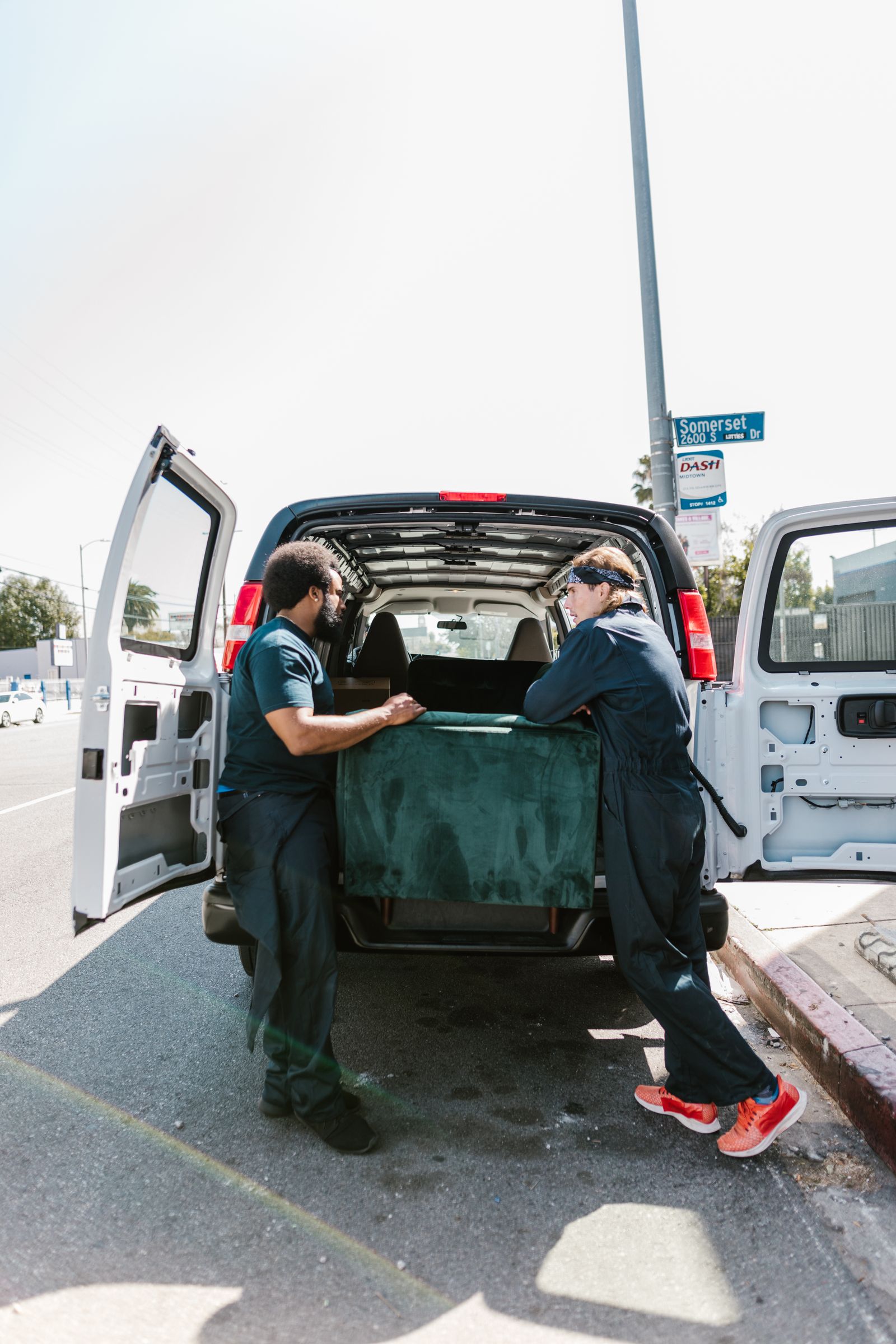
Prices in 2026: the $40-per-mover ladder
The cleanest current data comes from HireAHelper, the largest moving-labor marketplace, whose 2026 cost tables are built from more than 160,000 completed moves. The structure is a ladder: each mover adds roughly $40 an hour.
| Crew | Labor-only (your truck) | Full-service local (their truck) |
|---|---|---|
| 2 movers | $80–$120/hour | $120–$160/hour |
| 3 movers | $120–$160/hour | $160–$200/hour |
| 4 movers | $160–$200/hour | $200–$240/hour |
What that buys in practice: HireAHelper's local data shows labor-only totals averaging roughly $440–$560 for a one-bedroom apartment and up to about $790–$1,010 for a five-bedroom house in the city cost pages it publishes, with two-mover crews typically working 2.3 to 3.5 hours per job and a two-hour minimum on effectively every booking. A one-bedroom renter should budget about $360–$480 for the standard two-movers-for-two-to-three-hours job, before the truck.
The comparison that sells the model: for a three-bedroom home moved about 1,200 miles, HireAHelper's 2026 medians put full service at roughly $6,260, against about $2,130 for renting the truck and hiring loading and unloading labor at both ends. Locally, the same source puts a full-service three-bedroom move at a median near $1,480, with labor-only coming in at roughly half the all-in cost once the rental truck is paid. Those gaps are why this market keeps growing — and why the renter reading this should understand what the gap is made of. It is not margin. It is the truck, the fuel, the driving, the insurance, and the liability, all transferred to you.
One pricing change worth naming in 2026: the floor rose. The era of the $50-an-hour two-person crew found through a classified ad has largely ended on the major platforms, squeezed by the same labor market that has the Bureau of Labor Statistics reporting a 2025 median of $18.38 an hour for hand laborers and material movers — before the platform's cut, the crew's travel, and their insurance. Sub-$80 two-mover offers still exist off-platform. The complaints file suggests they are where a disproportionate share of no-shows and damage disputes are born.
The rule that didn't change — and still surprises everyone: it isn't a "move"
Here is the legal fact at the center of nearly every labor-only complaint I read. A labor-only crew is not your mover in the legal sense. Federal household-goods protections — the FMCSA regime of written estimates, bills of lading, and the valuation coverage a carrier must offer (released value or full value protection) — attach to the company transporting your goods. A crew that loads your rental truck and never drives it generally sits outside that regime entirely. There is no bill of lading. There is no federally required damage valuation. If something breaks, your claim runs on three things only: the crew's own written damage policy, whatever general liability insurance they carry, and your own renters or homeowners policy.
That has practical consequences renters should plan around in 2026:
- Transit damage is yours. If the crew loads well and the truck ride breaks your table anyway, no one owes you anything — the crew didn't drive, and the truck rental company certainly didn't pack. How the load is packed and padded is therefore not a detail; it is your entire insurance policy. Confirm the crew brings or uses furniture pads (many labor crews expect you to supply pads, dollies, and wrap — ask before the day, not during it).
- Handling damage runs on the crew's policy — get it in writing before the job. Reputable crews and platforms publish a damage process with a claim window and a cap. If a crew cannot state theirs, that is the answer about how your claim will go.
- Your building may require paperwork a casual crew can't produce. Apartment and condo buildings increasingly require a certificate of insurance (COI) before any crew uses the elevator or loading dock, sometimes naming the property as additionally insured. Established labor companies carry general liability and can issue a COI; a pair of helpers from a gig app usually cannot. Renters get turned away at their own loading dock every month over this. Check your lease move-in requirements a week ahead.
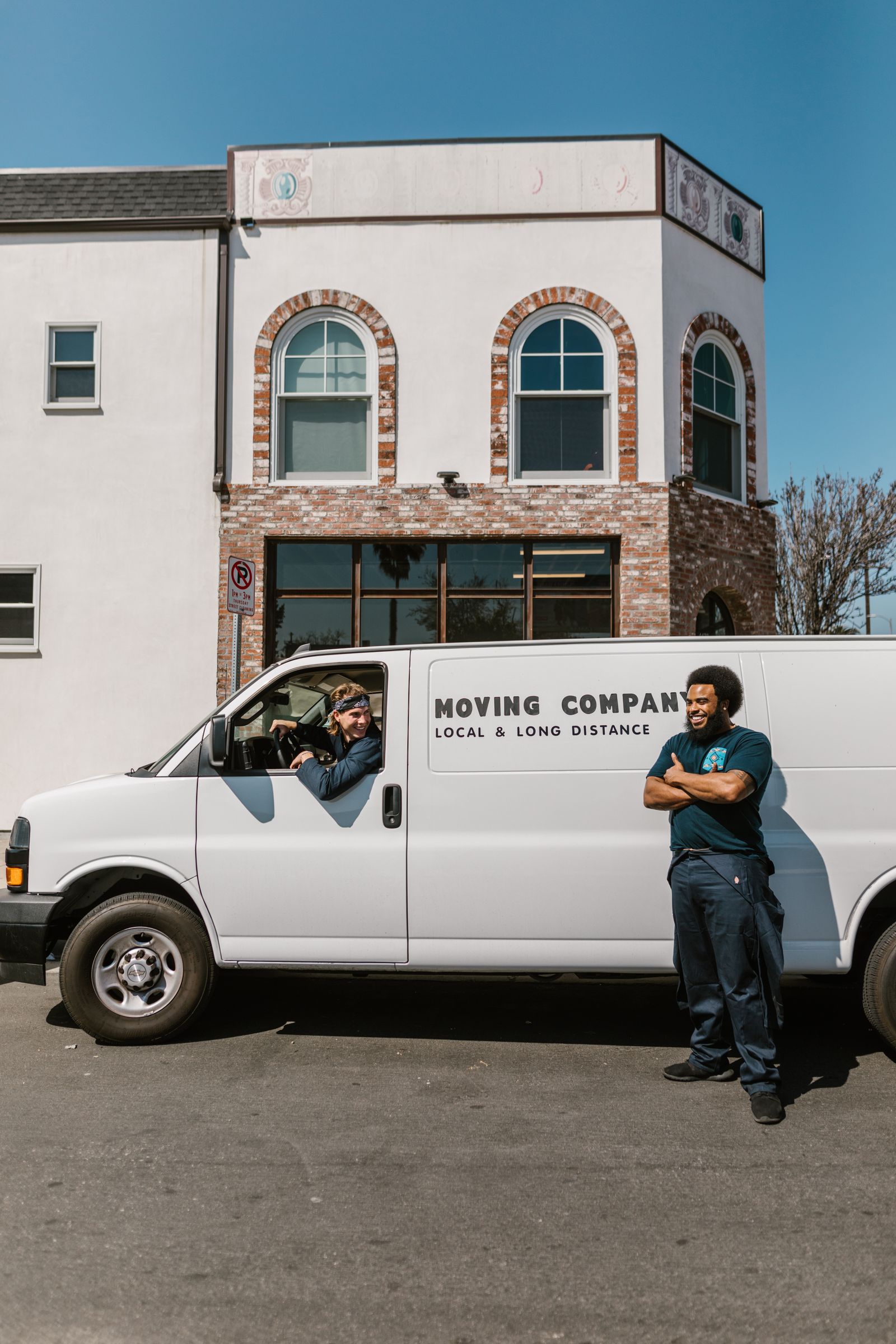
Availability in 2026: the end-of-month wall got higher
Renters move when leases end, which means the entire market tries to hire the same crews on the same four days. What has changed is how completely the good crews now sell out. Platform booking data and every dispatcher I have spoken to describe the same pattern: the last weekend and the final two days of the month book out one to two weeks ahead in summer, and the first-of-month unload crews in college towns and big rental markets go earlier still. The mid-month, midweek discount is real — crews with empty Tuesday calendars price and flex in ways Saturday crews don't — and a renter with even two days of lease overlap owns the single best negotiating asset in this market: a flexible date.
Two more availability shifts to plan around. First, same-day and next-day labor is now a distinct, premium product rather than a favor; expect surge-style pricing and thinner vetting on last-minute bookings, which is precisely backwards from what a desperate renter needs. Second, container moves changed the booking shape: with a portable container sitting in the driveway for days, loading help can be scheduled off-peak, split into two shorter visits, and booked without the truck-return clock running. For renters with parking or a driveway, the container-plus-labor combination has quietly become the least stressful version of the cheap move.
How the platforms rewired the booking rules
The other 2026 shift is structural: the marketplaces — HireAHelper and U-Haul's MovingHelp are the two that dominate renter bookings — have steadily converted moving labor from a cash-and-handshake trade into something that behaves like other platform work, with consequences in both directions.
On the protective side, payment now runs through the platform rather than across a tailgate. That creates a paper trail, a review record tied to completed jobs rather than drive-by ratings, and a dispute channel that is weaker than a carrier claim but far stronger than a phone number that stops answering. Crews on the major platforms are independent businesses, not employees — the platform is a marketplace, a distinction that matters when something goes wrong — but the established ones now surface insurance status, equipment lists, and completed-job counts on the listing itself, which lets a renter screen for exactly the paperwork their building demands.
On the restrictive side, the platform terms have quietly become the contract most renters never read. Cancellation windows have shortened and firmed — free cancellation a week out has given way, on many listings, to fees inside 48 or 72 hours, which collides badly with lease dates that slip. Minimums are enforced by the software rather than negotiated at the door. And the review system cuts both ways: crews can rate customers, and a renter who under-described a job once will find the good crews declining the next booking. None of this is sinister. All of it rewards the same behavior the complaints file teaches: describe the job accurately, book early, and put the specifics in the platform's message thread where they are timestamped, rather than in a phone call neither side can prove.
There is also a quieter sorting effect worth knowing about. As platform crews professionalize, the market has split into three visible tiers: established local labor companies with insurance, employees, and their own repeat customers; platform-native crews building a review record; and the informal cash market that remains cheapest and carries every risk this article has described. In 2026 the price spread between the first and third tiers for a two-hour job is often only $60–$100. Measured against one gouged dresser or one no-show on lease-end day, that spread is the best-value insurance in the entire move — and it isn't even sold as insurance.
What the complaints say to do differently
Reading a year of grievances backwards produces a short, unglamorous checklist that prevents most of them:
- Book the crew for the load you actually have. Under-booking two movers for a three-bedroom's worth of furniture doesn't save money — it buys a second, resentful hour-block at overage rates, or a half-loaded truck. Marketplace data shows three-bedroom jobs typically run 2–3 movers for a reason.
- Confirm the minimum, the overage rate, and the travel fee in writing. "Two-hour minimum, then billed in 30-minute increments at the same rate, $X travel fee" is a sentence a legitimate crew will put in the confirmation without blinking.
- Be packed — completely — before they arrive. Labor crews load. A crew standing in a kitchen while you tape boxes is the most expensive audience in moving, and "packing help" is a separate, bookable service with its own hours.
- Photograph the big pieces before loading, and note existing damage out loud. The complaint file's saddest genre is the he-said/she-said scratch dispute with no photos. Thirty seconds per item ends it.
- Tip in cash, and know the norm: the same $5–$10 per mover per hour that applies to full-service crews applies here — for a two-hour job, $20–$40 per helper is the customary landing spot.

The renter's bottom line for 2026
Labor-only help is still the right call for the classic renter move: one or two bedrooms, a short distance, a truck you can drive, belongings that are more sturdy than precious. Budget $80–$120 an hour for two movers, a two-hour minimum, the truck and pads on top, and a cash tip — and book two weeks out if your lease ends on a weekend. Spend the savings deliberately on the things the model strips out: good pads, a properly sized truck, and your own careful packing of the fragile things. And if your move involves heirloom furniture, a building that demands a COI, or a drive you don't want to make, take the hint the price ladder is giving you — the full-service column exists because some moves should be somebody else's liability. Knowing which move yours is, before the last Saturday of the month, is the whole game.
Sources
- HireAHelper, "Is Hiring Movers Worth It?" — 2026 cost data: labor-only $80–$120/hr (2 movers), $120–$160 (3), $160–$200 (4); full-service $120–$240/hr by crew; ~$40/hr per additional mover: https://www.hireahelper.com/advice/is-hiring-movers-worth-it/
- HireAHelper city cost data (Oct 2026 methodology, 160,000+ completed moves since 2023) — labor-only averages by home size, two-hour minimums, ~2.3–3.5 hours per job: https://www.hireahelper.com/movers/central_la/
- Walnut Invest, "Moving Cost Statistics (2026)" — HireAHelper medians: full-service local three-bedroom ~$1,480; 1,200-mile move ~$6,260 full service vs ~$2,130 truck + labor: https://walnutinvest.com/stats/moving-cost-statistics
- US Moving Advisor, "Labor-Only Movers: How to Hire Loading Help" — federal FMCSA protections generally don't apply to labor-only crews; get liability and damage terms in writing; COI considerations: https://usmovingadvisor.com/articles/labor-only-movers
- Safebound Moving, "Labor-Only Movers vs Full Service: The Math" — labor-only excludes truck, pads, and cargo liability; carrier bundles liability under FMCSA valuation rules: https://www.safeboundmoving.com/blog/labor-only-movers-vs-full-service-the-math
- U.S. Bureau of Labor Statistics, "Hand Laborers and Material Movers," Occupational Outlook Handbook — 2025 median pay $38,220/year, $18.38/hour: https://www.bls.gov/OOH/transportation-and-material-moving/hand-laborers-and-material-movers.htm
- Photo by RDNE Stock project: https://www.pexels.com/photo/7464689/
- Photo by RDNE Stock project: https://www.pexels.com/photo/7464684/
- Photo by RDNE Stock project: https://www.pexels.com/photo/7464712/
More guides
- How to Hire a Moving Company That Won't Hold Your Furniture HostageMovers › Moving & Storage
- How Much Do Movers Cost? Local vs. Long-Distance Pricing ExplainedMovers › Moving & Storage
- Binding vs. Non-Binding Estimates: The Difference That Decides Your Final BillMovers › Moving & Storage
- Moving Insurance and Valuation: What 'Full Value Protection' Really CoversMovers › Moving & Storage
- Long-Distance Moving: A Start-to-Finish Guide for Household GoodsMovers › Household Goods Moving & Storage
- All Guides & ArticlesBrowse the full guides library