Movers › Building & House Moving & Raising
Moving or Raising a Whole House: Contracts and Paperwork — What to Read, Question, and Never Sign Blind
There is a moment in every house move when the building is sitting on steel beams and cribbing, disconnected from everything, worth exactly as much as the paper that governs the job. If the new foundation isn't ready, if a permit falls through, if a crack runs across a plaster ceiling — the contract decides who pays, who waits, and who eats the delay. I spent nine years in a dispatch office watching structural moves from the paperwork side, and I can tell you the disputes were never really about jacks and dollies. They were about sentences. This guide walks through the documents behind moving or raising a whole house — what each one is, which clauses decide the fights, and what you should never sign blind.
The paper stack, in order
A structural move or lift generates more paperwork than a household move by an order of magnitude. Expect most of these:
- The mover's contract — the master document: scope, price, payment schedule, liability, schedule, and the clauses this guide spends most of its time on.
- The estimate or bid sheet — sometimes the contract itself, sometimes an attachment. The scope language lives here, and attachments are where exclusions hide.
- An engineering letter or plan — for lifts and flood elevations especially, a structural engineer's assessment of the building and the lift or foundation design. Budget roughly $1,500 to $5,000 for engineering on a raising project.
- Permits at three levels — city or county permits to remove the building and build the new foundation, and a state oversize-load permit for the road move itself. In Texas, for example, the DMV issues a single-trip permit for houses over 20 feet wide (base fee $60, plus highway maintenance fees over 80,000 lb), and a company representative must inspect the route first.
- Utility paperwork — disconnection and reconnection orders for power, gas, water, and sewer, plus agreements with the power and telecom companies to lift or drop overhead lines along the route.
- Insurance certificates and bonds — the mover's, and in many towns the city's own requirements too: one typical municipal house-moving code requires the mover to post a bond (minimum $5,000 in that ordinance) guaranteeing payment for damage to public property, file proof of liability insurance, and accept liability for damage done to "pavements, trees, wires or lines" during the move.
- Flood-elevation documents, if you're raising — the community's floodplain permit, and after the lift, a new Elevation Certificate ($500 to $1,500) proving the finished floor sits at or above Base Flood Elevation. That certificate is what your flood insurer prices from.
If a document on this list doesn't exist for your job, ask why — in writing.
The scope clause: where the money actually is
Structural moving is priced in layers, and "moving the house" is only one of them. Published cost guides put the lift-and-move itself at roughly $12 to $16 per square foot — $18,000 to $40,000 for a typical house, up to $200,000 for large or long-distance moves. Around that core sit the costs that contracts allocate and customers forget:
| Cost layer | Typical range | Usually whose contract? |
|---|---|---|
| Lift and move the structure | $18,000–$40,000 (about $12–$16/sq ft) | The structural mover's |
| New foundation | $5,100–$19,400 | Often a separate contractor's — or excluded |
| Utility disconnect / reconnect and line work | $9,000–$34,500 | Frequently split; line lifting billed by utilities |
| Permits and escorts | $400–$5,000 | Sometimes in the mover's price, sometimes pass-through |
| Raising only (lift, no travel) | $10,000–$40,000 | The lifter's; foundation work extra |
Read the scope clause asking one question of every line item: in, out, or silent? "In" is priced. "Out" is named as excluded — fine, as long as you know. "Silent" is where disputes breed: the contract that never mentions who digs the new foundation, who pays the power company to lift lines, who trims the trees on the route, or who reconnects the sewer. On flood elevations the gap gets expensive fast — research on FEMA-compliant elevations puts the median total project around $130,000, of which the physical lift is only $20,000 to $40,000. If your quote shows one number and no scope breakdown, you do not have a quote. You have a headline.
The payment schedule: milestones, not faith
Never pay for a structural move in full in advance, and be wary of large deposits to a company you found last week. The defensible pattern in this trade is milestone payments tied to verifiable events: a modest deposit at signing, a payment when the house is lifted and on beams, a payment on arrival and set-down, and a final balance held until the house is set, leveled, and the site left as agreed. The percentages vary; the principle doesn't. Your leverage over punch-list items — a cracked step, a damaged lawn, a door that no longer latches — exists only while money is still owed. A contract that front-loads 100 percent of the price has transferred all the risk to you, and that transfer is a clause you can negotiate before signing and almost never after.
Tie each payment to something you can see, and get the mover's lien and completion terms in the same conversation: what happens, and who pays, if the job stops halfway with your house on cribbing.
Change orders and the "unforeseen conditions" clause
Every structural contract has language about conditions nobody could see: rotted sills, a foundation that crumbles when the beams go in, soil that won't hold cribbing, a route obstacle that forces a detour and another day of escorts. The clause itself is legitimate — this work genuinely hides surprises. What matters is the machinery around it:
- Written change orders, priced before work proceeds. The sentence to insist on is some version of: no extra work will be billed that was not approved in writing, with a price, before it was done. Verbal change orders are how a $30,000 move becomes a $52,000 invoice.
- A definition of what counts as unforeseen. If the contract lets the mover declare anything a change order — including things a site inspection should have caught — the fixed price isn't fixed.
- Day rates for delay. If your house sits on the mover's equipment waiting for your foundation contractor, who pays per day, and how much? Get the cribbing/storage day rate in the contract, because foundation delays are the most common schedule slip in the whole process.
Damage, liability, and the condition survey
Houses are not built to travel, and honest movers say so: hairline plaster cracks, a door out of square, a chimney that needs repointing afterward are known possibilities. The contract's job is to draw the line between that accepted risk and negligence — and to say who pays for damage to everything else: lawns, driveways, fences, trees, wires, the neighbor's mailbox, the town's pavement. Municipal codes often put street and utility damage on the mover by law, but damage on your property and your neighbor's is governed by the contract and the mover's insurance.
Two documents protect you here. The first is the pre-move condition survey: a walk-through, with photographs, recording existing cracks and damage, signed by both sides before the lift. Without it, every crack becomes an argument about when it appeared. The second is the certificate of insurance, verified — not a photocopy from three years ago, but a current certificate naming the policy, its limits, and ideally you as certificate holder. The industry has no regulated certification for structural movers; the International Association of Structural Movers (IASM), the trade association founded in 1983 with over 300 members, is the closest thing to a professional registry, and membership plus verifiable insurance plus references from comparable moves is the practical substitute for a license in most states — though some states and many cities do license or permit house movers specifically, and your mover should produce that permit without being asked twice.

Schedule clauses: weather, permits, and other people's timelines
A house move is a chain of dependencies — utility crews, permit offices, escort availability, weather windows, your foundation contractor — and the contract should say what happens when a link slips. Look for: who bears the cost of a weather postponement; how much notice precedes move day (you will need to be out, with utilities off); what the mover guarantees about the route survey (a company representative inspecting the route is a permit requirement in some states, and good practice everywhere); and the outside date — the point at which either party can walk away if permits fail, and what happens to your deposit if they do. Planning for a structural move takes several months at minimum; a contract that pretends otherwise is selling you the signing, not the move.
If you're raising for flood compliance, the paperwork is the project
A flood elevation adds a regulatory layer that has its own traps. If your home is in a Special Flood Hazard Area, your community's floodplain rules may require elevation to Base Flood Elevation plus local freeboard — and renovations or repairs crossing 50 percent of the structure's market value (the substantial-improvement/substantial-damage rule) can trigger the requirement whether you planned it or not. The contract should state the target elevation as a number — finished floor at BFE plus a specified freeboard — not as "raise to code," and name who obtains the post-lift Elevation Certificate. If your home was flood-damaged and you carry an NFIP policy, ask about the Increased Cost of Compliance benefit, worth up to $30,000 toward elevation, before you sign a contract that assumes you're paying everything out of pocket. Grant-funded elevations (FEMA mitigation programs run through your state) come with their own contract requirements and timelines that override a standard agreement — if grant money is involved, the grant's terms get read first.

Never sign blind: the short list
- Blank or open-ended change-order language — any sentence that lets extras be billed without your written, priced approval.
- A waiver of the mover's liability for negligence — accepting the ordinary risks of moving a house is normal; absolving the mover of their own carelessness is not.
- "Owner responsible for all permits" without a list — some permits only the mover can practically obtain, and route permits are the mover's trade.
- Payment in full before set-down — see above; milestones or walk away.
- Verbal promises about scope — "we'll take care of the foundation" means nothing unless the scope clause says it, with a price.
- An unsigned condition survey — or worse, none. Photograph everything yourself regardless.
Questions to ask before you sign
- What exactly is included — foundation, utilities, permits, line lifting, escorts, reconnection — and what is excluded, in writing?
- What is the payment schedule, and what event triggers each payment?
- How are change orders priced and approved, and what is the day rate if the house waits on your equipment?
- Can I see a current insurance certificate, your bond, and any state or city house-mover license?
- Will we do a signed, photographed condition survey before the lift?
- For a raise: what finished-floor elevation, in feet, does this contract guarantee, and who delivers the Elevation Certificate?
- What happens to my deposit if permits are denied?
Finding a structural mover
This is a small trade — this site's directory lists 657 companies under Building & House Moving & Raising, and the IASM's member directory is the other standard starting point. Get more than one bid, compare the scope clauses rather than the headline prices, and read the winner's contract the way this guide suggests before you sign it. The house will spend its most vulnerable days sitting on someone else's beams. The contract is the only part of the job that is entirely within your control — treat it that way.
Sources
- HomeGuide, "How Much Does It Cost to Move a House?" — move cost $12–$16 per square foot / $18,000–$40,000 average; new foundation $5,100–$19,400; utilities $9,000–$34,500; permits $400–$5,000; lifting a house $10,000–$40,000, https://homeguide.com/costs/cost-to-move-a-house
- Angi, "How Much Does It Cost to Move a House?" (updated Oct 29, 2026) — 2026 national average $40,000; typical range $18,000–$100,000 by size, distance, and route, https://www.angi.com/articles/cost-move-house.htm
- MoversLineup, "House Movers: Cost to Move a House in 2026" — Redfin's $12–$16/sq ft figures; the six-step move process; Texas DMV single-trip permit for houses over 20 ft wide ($60 base fee, route inspection required); IASM founded 1983 with over 300 members, https://moverslineup.com/house-movers/
- MyHomePros, "How Much Does It Cost to Raise a House?" — lift-only $10,000–$40,000; median FEMA-compliant flood elevation ≈ $130,000 (First Street Foundation research); Elevation Certificate $500–$1,500; NFIP Increased Cost of Compliance benefit up to $30,000, https://myhomepros.com/foundation/how-much-does-it-cost-to-raise-a-house/
- Revolution Contractors, "Home Elevation Florida" — Base Flood Elevation plus freeboard; the FEMA 50% substantial-improvement rule; V-zone vs AE-zone foundation requirements, https://www.revolutionflorida.com/services/home-elevation
- Modernize, "How Much Does It Cost to Raise a House?" — typical raising projects $30,000–$70,000; engineering $1,500–$5,000; permits $500–$2,000, https://modernize.com/foundations/cost-to-raise-house
- City of Carroll, Iowa, municipal code Ch. 124, "House Movers" — mover's permit per building, $5,000 minimum bond, liability insurance filing, mover liable for damage to pavements, trees, and wires, https://codelibrary.amlegal.com/codes/carroll/latest/carroll_ia/0-0-0-4221
- Prodger House Movers, "Experience Matters for House & Building Moving Projects" — unified hydraulic jacking, route permitting, utility coordination, and structural-mover licensing in practice, https://www.prodgerhousemovers.com/why-experience-matters-for-house-and-building-moving-projects/
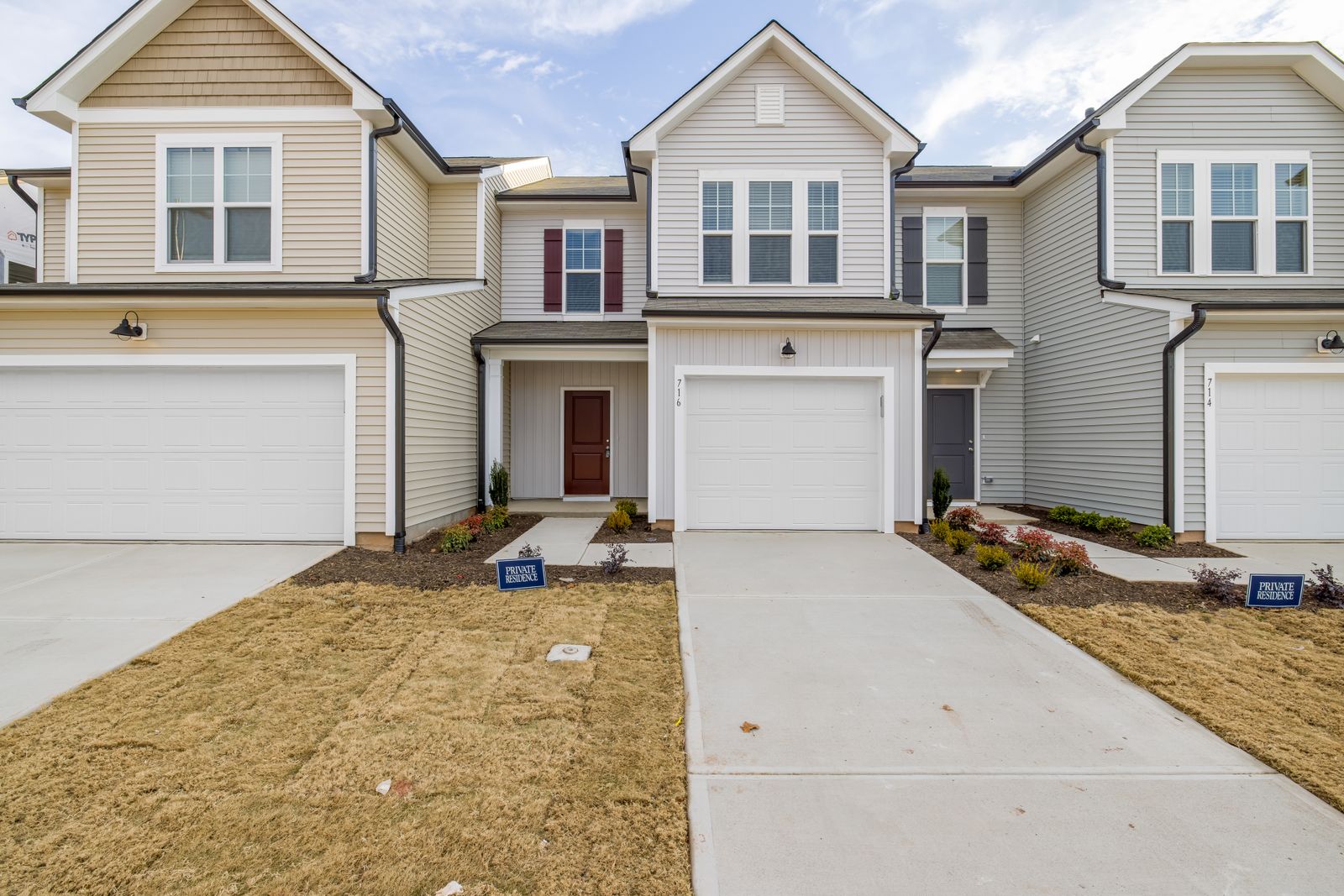
- House photograph: photo by Curtis Adams, https://www.pexels.com/photo/home-exterior-in-a-suburban-area-10628458/
- Contract photograph: photo by Alena Darmel, https://www.pexels.com/photo/a-person-signing-a-contract-7641842/
- Neighborhood photograph: photo by David McBee, https://www.pexels.com/photo/high-angle-shot-of-suburban-neighborhood-1546168/
More guides
- How to Hire a Moving Company That Won't Hold Your Furniture HostageMovers › Moving & Storage
- How Much Do Movers Cost? Local vs. Long-Distance Pricing ExplainedMovers › Moving & Storage
- Binding vs. Non-Binding Estimates: The Difference That Decides Your Final BillMovers › Moving & Storage
- Moving Insurance and Valuation: What 'Full Value Protection' Really CoversMovers › Moving & Storage
- Long-Distance Moving: A Start-to-Finish Guide for Household GoodsMovers › Household Goods Moving & Storage
- All Guides & ArticlesBrowse the full guides library