Movers › Building & House Moving & Raising
Moving or Raising a Whole House Emergencies: What to Do in the First 24 Hours
A house in the air is a house balanced on timber stacks and hydraulic pressure, and it is at its most vulnerable exactly then — mid-lift, mid-move, or mid-storm. Whole-house emergencies arrive in a few recognizable forms: a lift that shifts or settles unevenly, cribbing that starts to lean, a gas or water line that lets go as the structure separates from its foundation, a flood or fire that turns a planned raise into a rescue, or a foundation failure that makes an emergency lift the only alternative to losing the building. Whatever the trigger, the first 24 hours follow the same logic: protect people first, freeze the scene, get the right professionals moving, and build the paper record while events are still fresh. This is that playbook, in order.
Hour zero: people first, and nobody goes under the house
The single most important rule in structural moving is also the simplest: no one goes under a raised or partially raised structure — ever, for any reason, to grab anything. Safety regulators who have investigated fatal incidents in this trade are blunt about why: workers have been seriously and fatally injured when elevated homes moved unexpectedly because their temporary supports failed. A house resting on cribbing is resting on cross-stacked timber columns. Those columns are strong in compression and unforgiving of everything else — a shift, a soft patch of soil, a jack losing pressure. The crush hazard is total and it does not give warnings you can outrun.
So the first minutes look like this:
- Get everyone out and away — family, pets, crew, curious neighbors. Move to a distance where a falling or settling structure cannot reach you; across the street is a good instinct.
- Call 911 if anyone is hurt or trapped, if the structure has partially collapsed, if you smell gas, or if lines are down. A severed gas line during a lift is a fire department call, not a plumber call.
- Do not re-enter the house for documents, medication, or the cat carrier until the structural mover or the fire department says the building is stable. Everything in it is replaceable on a timescale that a collapse is not.
- Stop the work. If a crew is mid-lift, the lift stops. Nobody "just finishes the last few inches." A structure that has shifted gets stabilized by professionals or it gets left exactly as it is until they arrive.
If the emergency is a fast-moving external one — floodwater rising around a house awaiting its raise, a fire in an adjacent structure — the same order applies, with evacuation routes and the local emergency plan taking precedence over everything below.
Shut off what you safely can
A lift physically stresses every rigid connection between the house and the ground. Copper water lines, cast-iron drains, and steel gas pipes are all, as engineers who write about this work put it, particularly vulnerable when a frame is elevated and shifts. In the first hour, from outside the structure and only where you can do it without entering or going under:
- Gas: if you smell gas or hear hissing, do not touch switches or appliances — leave, and call the utility's emergency line or 911 from a safe distance.
- Water: the street-side main shutoff stops a ruptured line from flooding the excavation and softening the soil under the cribbing — saturated, poorly compacted soil is a documented cause of jacks and cribbing sinking or shifting.
- Electricity: if the service drop or meter connection has been disturbed, treat every line as live and let the utility disconnect it.
Then call the utilities anyway, even if everything looks intact. A house that has moved relative to its services needs those connections inspected before anyone re-energizes or relights anything, and the utility's record of your call starts a paper trail you will want later.
Who to call, in what order
Once people are safe, the first day is a sequence of phone calls, and the order matters because each professional's work depends on the one before.
| Order | Who | Why they come at this point |
|---|---|---|
| 1 | 911 / utility emergency lines | Life safety, gas, fire, downed lines — nothing else proceeds until the scene is safe |
| 2 | Your structural mover (the company performing the lift or move) | They own the jacks, cribbing, and the lift plan; only they should direct any stabilization of the structure |
| 3 | A licensed structural engineer | Independent assessment of whether the structure can be re-supported, lowered, or must stay put; engineers, not owners, certify that a jacking and support plan is safe |
| 4 | Your insurer (homeowners; flood insurer/NFIP if water is involved) | Opens the claim while facts are fresh; may authorize emergency mitigation and temporary housing |
| 5 | The local building department | The permit authority for the raise or move; an emergency changes the project's compliance picture and they will be involved whether you call or not |
| 6 | Affected neighbors | A shifting structure, a closed street, or shared utility interruptions are things they will find out about — better from you, early |
Two notes on that order. First, if the emergency happened during a lift performed by a reputable structural mover, they will already be making calls two and three themselves — your job is to confirm it is happening, not to duplicate it. Second, if there is no mover of record — the emergency is a foundation collapse or a flood that is forcing the issue — call two and three become "find a structural moving company and an engineer today," and this site's directory, which lists more than 650 building and house moving and raising companies, is a reasonable place to start calling. In an emergency you are interviewing for availability and licensure first, price second.
Understand what you are looking at
You do not need to diagnose the failure, but a working picture of how a house is held up helps you ask the right questions and recognize bad improvisation:
- Jacks lift; cribbing holds. Hydraulic jacks raise the structure in small, synchronized increments — professionals oversize jack capacity by roughly 25 to 30 percent above the estimated load — and after each increment, crews build or extend the cribbing stacks that actually carry the house. A house "sitting on jacks" with cribbing not yet built up is a house in its most exposed state.
- Houses are built for gravity, not for twisting. A frame handles vertical loads all day; uneven lifting subjects it to racking — twisting forces it was never designed for — which is why lifts proceed in minute increments and why the visible symptoms of a stressed lift are cracked plaster and drywall, and doors and windows that suddenly bind.
- The ground is part of the system. Cribbing and jacks bear on soil. Rain, a broken water line, or floodwater can turn competent ground into the weakest link in the whole arrangement, which is why weather during the days a house is in the air is a genuine safety variable, not small talk.
What this means practically: in the first 24 hours, the correct outcome is usually a house that is safely parked — fully cribbed, level-checked, disconnected from damaged services, and assessed — not a house whose schedule has been rescued. Anyone proposing to hurry a compromised lift back into motion to save a day should be asked to put that judgment in writing, with their engineer's stamp next to it.
Document like an insurer, because you will be talking to one
Emergencies become claims, and claims are settled on records. While the professionals work, your job is the file:
- Photograph and video everything from safe positions — the structure, the cribbing, the excavation, damaged lines, water levels against a fixed reference, the street context. Shoot wide and close. Time-stamped phone media is fine.
- Write the timeline the same day. When the lift started, what was heard or seen, when it stopped, who was called and when, what each official said. Memory of sequence degrades within days; contemporaneous notes do not.
- Collect the project paperwork in one folder: the contract with the mover, the lift or move plan, the engineer's drawings and certifications, the building permit, utility disconnect confirmations, and any inspection sign-offs. House raising requires a permit in virtually every jurisdiction, and most building departments require an engineer's certification and a utility disconnection and reconnection plan — in an emergency, the presence or absence of that paperwork shapes both the official response and the insurance one.
- Keep every receipt from the emergency itself: hotel, meals, boarding for pets, emergency services you paid for directly. Mitigation and additional-living-expense claims are reimbursement exercises.
The rest of the first day: shelter, security, and the site
By hour twelve or so, the technical situation should be stabilizing, and the human logistics take over. Confirm where everyone sleeps — your insurer's additional living expense coverage, if your policy carries it, typically needs the claim opened first, which is one more reason the insurer call sits high in the order. Arrange for the site to be secured: a house in the air with an open excavation is an attractive nuisance in the legal sense and a magnet in the literal one, so fencing, boarding of accessible openings, and lighting are not optional courtesies. If the house will sit raised for days — waiting on an engineer, parts, weather, or a new foundation crew — ask the mover explicitly what the monitoring plan is: who checks the cribbing and level, how often, and after what weather events.
And if your emergency is the disaster kind rather than the construction kind — a flooded house that now must be raised to stay insurable — know the framework you have entered: when repair costs reach 50 percent of a flood-zone home's pre-damage market value, federal flood rules generally require the structure to be brought up to current floodplain standards, which usually means elevated to or above base flood elevation. Flood insurance's Increased Cost of Compliance coverage exists to help pay for exactly that elevation work on substantially damaged, insured homes. None of that has to be solved in the first 24 hours. It has to be started — claim opened, floodplain administrator identified, no demolition or debris removal that destroys the evidence the determinations are based on.
The 24-hour checklist, compressed
People safe and accounted for; nobody under or inside the structure. Emergency services and utilities called. The lift stopped and the scene frozen. Mover and engineer engaged and on site or en route. Insurer notified, claim number in hand. Building department informed. Photographs taken, timeline written, paperwork folder started. Site secured; sleeping arrangements made; neighbors told. If you reach the end of day one with those boxes ticked, the emergency has been converted into a project — a slower, more expensive project than the one you planned, but a project. That conversion, done calmly in the first day, is most of what separates the house-moving emergencies that become stories from the ones that become losses.
Sources
- EngineerFix, "The Dangers of Jacking Up a House" — structural racking from uneven lifts, jack capacity oversized 25–30 percent, cribbing as the load-holding system, soil failure under jacks and cribbing, and utility lines (copper water, cast-iron drain, steel gas) rupturing as a frame is elevated. https://engineerfix.com/the-dangers-of-jacking-up-a-house/
- WorkSafeBC, "Managing Risk When Moving and Placing a Mobile Home" — workers seriously and fatally injured when elevated homes moved after temporary supports failed; cribbing failure risk factors including unstable ground and unsafe jacking procedures. https://www.worksafebc.com/en/resources/health-safety/bulletins/managing-risk-moving-placing-mobile-home?lang=en&direct
- ArchitectureCourses.org, "Lifting a House: What the Quote Leaves Out" — how a lift works (steel beams, cribbing stacks, temporary supports) and the flood-elevation context for raised homes. https://www.architecturecourses.org/renovation/house-lifting
- DoINeedAPermit.org, "Complete Guide to House Raise / Elevation Permits (2026)" — house raising requires a permit in virtually every jurisdiction; building departments typically require a structural engineer's certification and utility disconnection/reconnection plans. https://www.doineedapermit.org/permits/house-raise
- SJ Hauck Construction, "Will FEMA Pay to Lift My House?" — the FEMA 50% substantial damage rule and Increased Cost of Compliance (ICC) coverage for elevating substantially damaged NFIP-insured homes. https://www.sjhauckconstruction.com/post/will-fema-pay-to-lift-my-house/
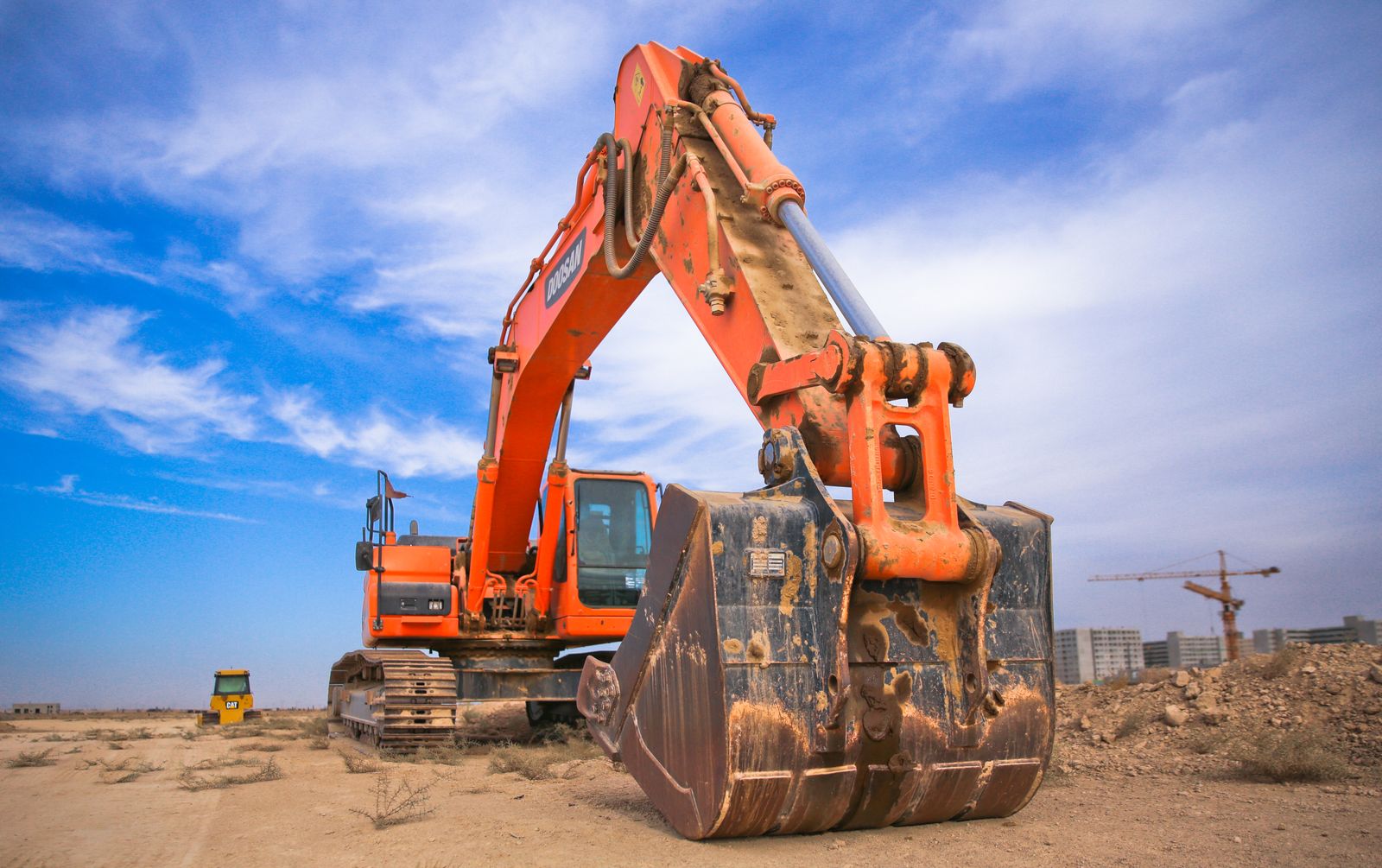
- Photograph: excavator on a work site — Pexels photo 1078884, https://images.pexels.com/photos/1078884/pexels-photo-1078884.jpeg
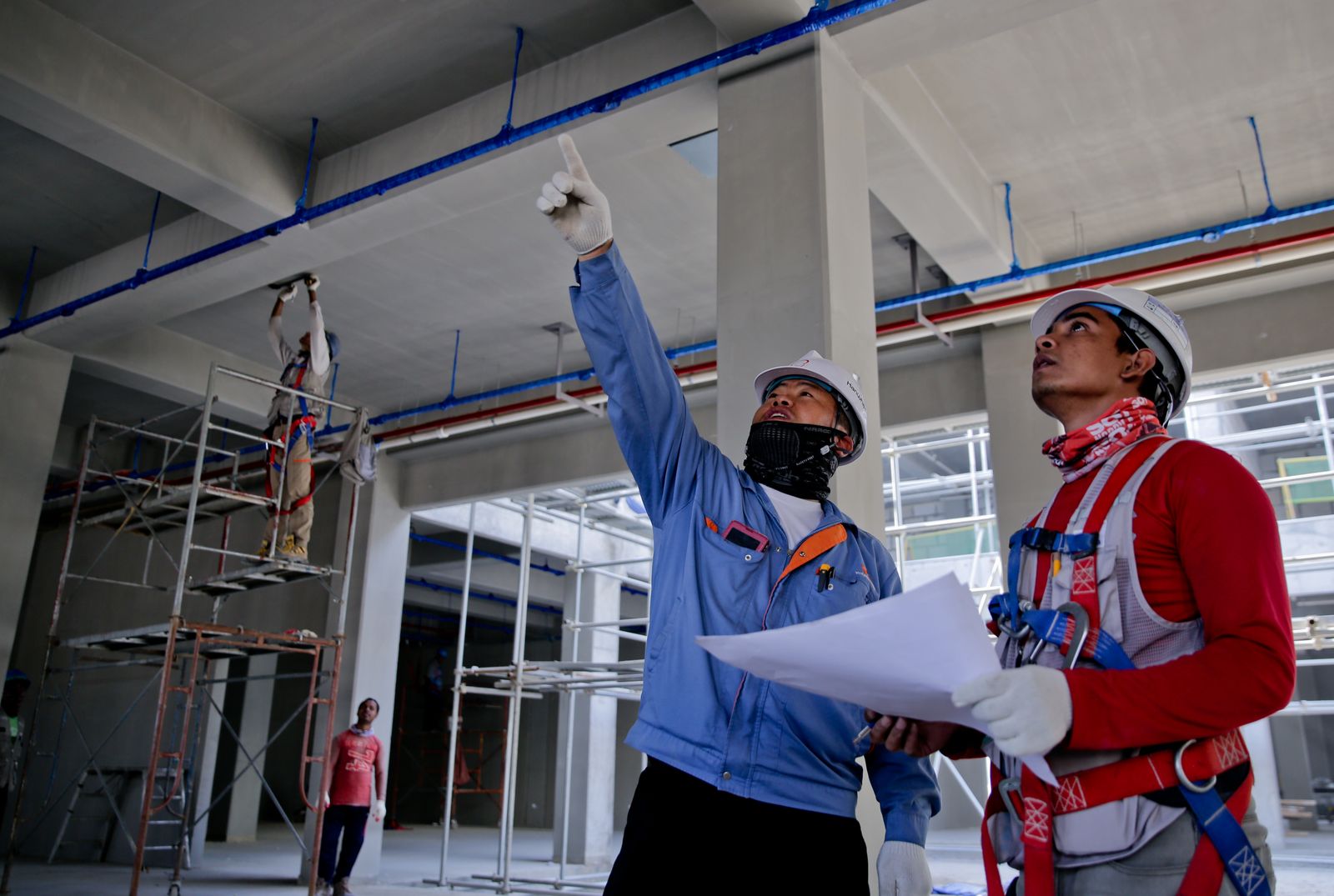
- Photograph: engineers inspecting a structure — Pexels photo 1216587, https://images.pexels.com/photos/1216587/pexels-photo-1216587.jpeg
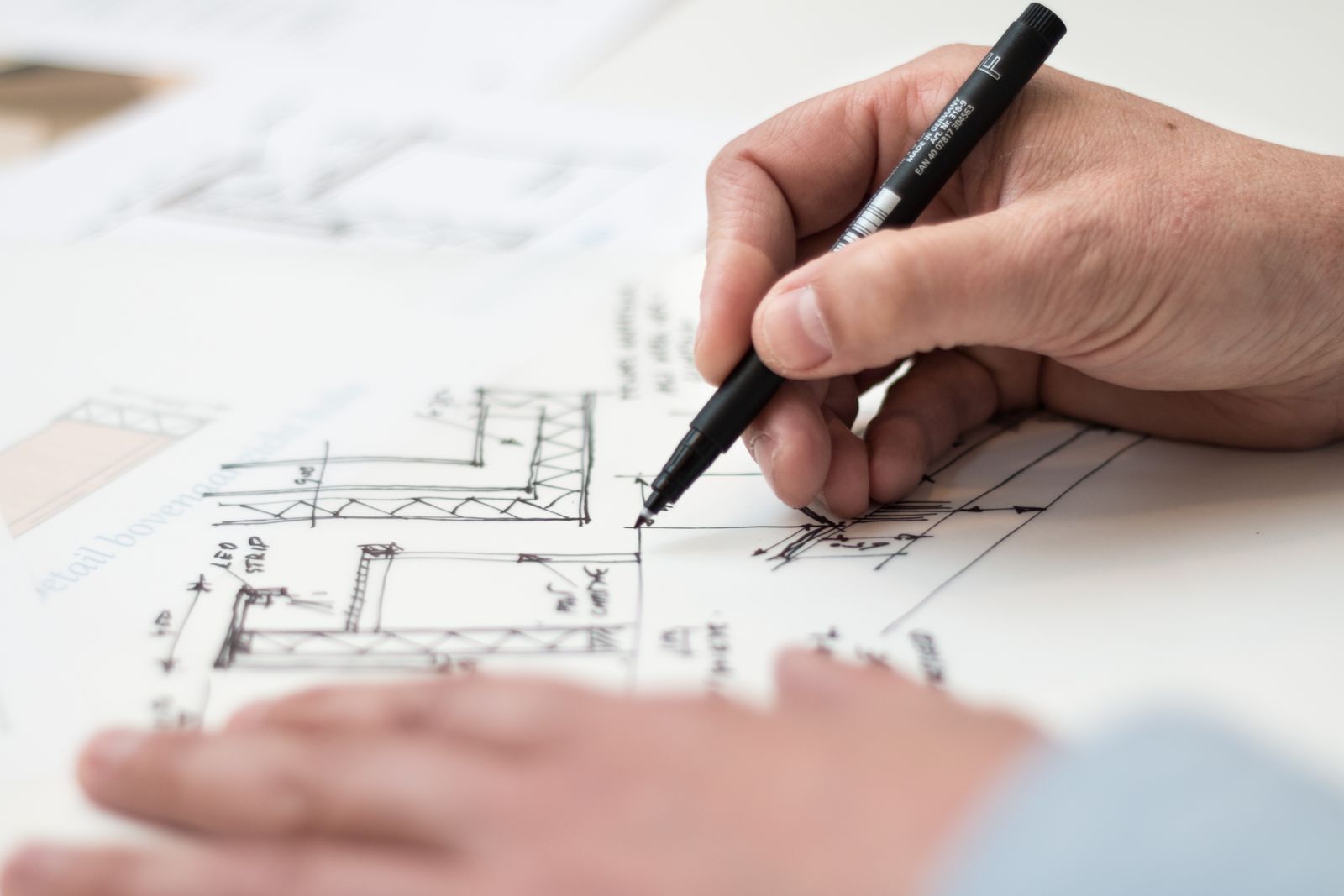
- Photograph: hand drawing house plans — Pexels photo 1109541, https://images.pexels.com/photos/1109541/pexels-photo-1109541.jpeg
More guides
- How to Hire a Moving Company That Won't Hold Your Furniture HostageMovers › Moving & Storage
- How Much Do Movers Cost? Local vs. Long-Distance Pricing ExplainedMovers › Moving & Storage
- Binding vs. Non-Binding Estimates: The Difference That Decides Your Final BillMovers › Moving & Storage
- Moving Insurance and Valuation: What 'Full Value Protection' Really CoversMovers › Moving & Storage
- Long-Distance Moving: A Start-to-Finish Guide for Household GoodsMovers › Household Goods Moving & Storage
- All Guides & ArticlesBrowse the full guides library