Truck Rentals › Storage - Self Storage
One-Way vs. Local Truck Rental: Total Cost Compared
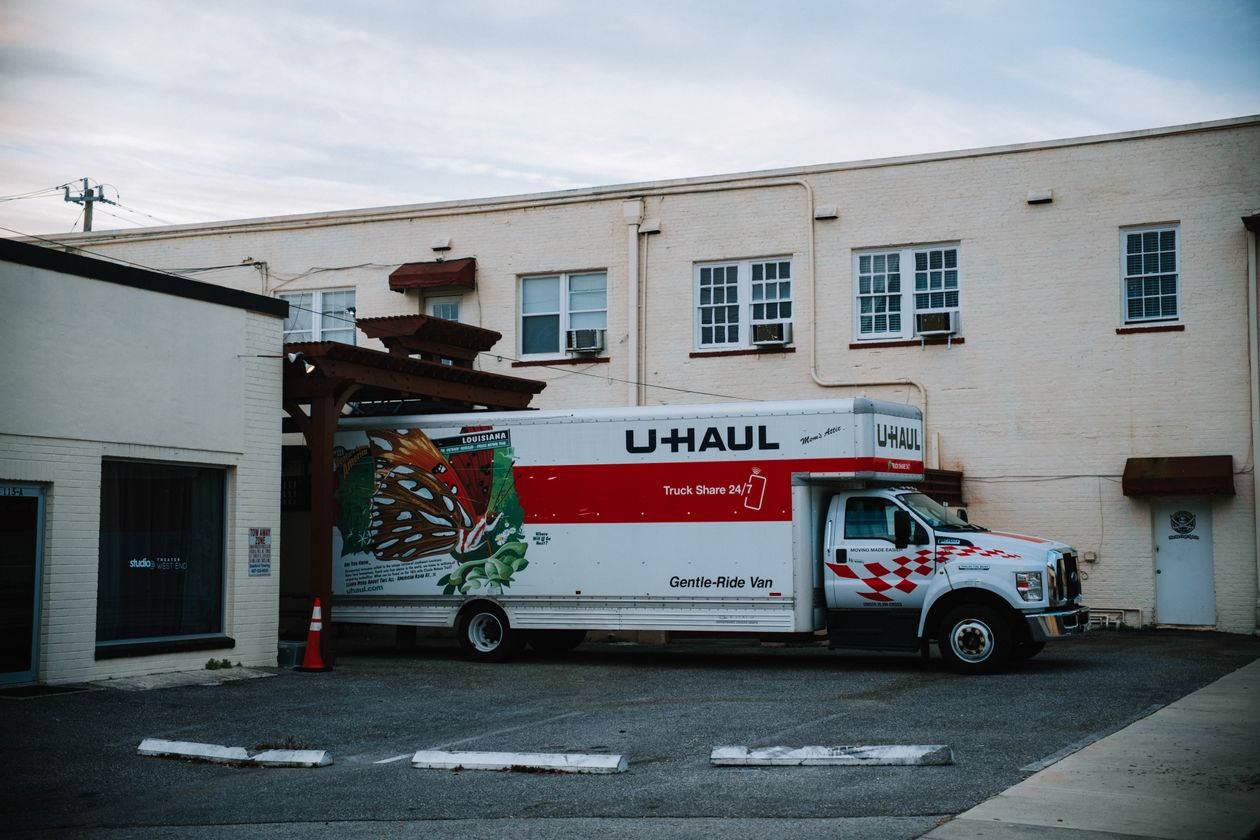
The most famous price in moving is $19.95, and it is painted on the side of the truck precisely because it is not the price of your move. It is the starting daily rate for the smallest local rentals at the biggest company — before mileage, before fuel, before the second day you didn't plan on. Meanwhile, the one-way rental for the same truck gets quoted as a single, much larger number that looks extravagant next to $19.95 and is frequently the cheaper way to make the same move.
I write about household moves for consumers, and the one-way-versus-local question is the purest arithmetic problem in the business. The two rentals are not the same product priced two ways. They are two different pricing machines: one meters every mile and day, the other sells you a route. Which machine wins depends almost entirely on one variable — how far apart your old and new homes are — and this guide does the math at three distances so you can find your own break-even point.
The two pricing machines
A local (in-town) rental means you return the truck to the location you picked it up from. U-Haul, which publishes its structure most openly, describes it plainly: in-town rentals carry a flat daily rate — starting at $19.95 for the smallest trucks and vans, with published 2026 local rates running $19.95 for a 10-foot truck, $29.95 for a 15-foot, $39.95 for a 20-foot, and $49.95 for a 26-foot — plus a per-mile charge on every mile you drive. That mileage rate varies by market, date, and truck; published surveys put it between about $0.59 and $0.99 a mile, with some markets and larger trucks at $1.19 or more. Rates rise in the April–August peak and on weekends; U-Haul itself notes its lowest rates run Sunday through Thursday. On top of that: fuel (you return it at the level you took it), a small environmental fee, taxes, and optional damage coverage.
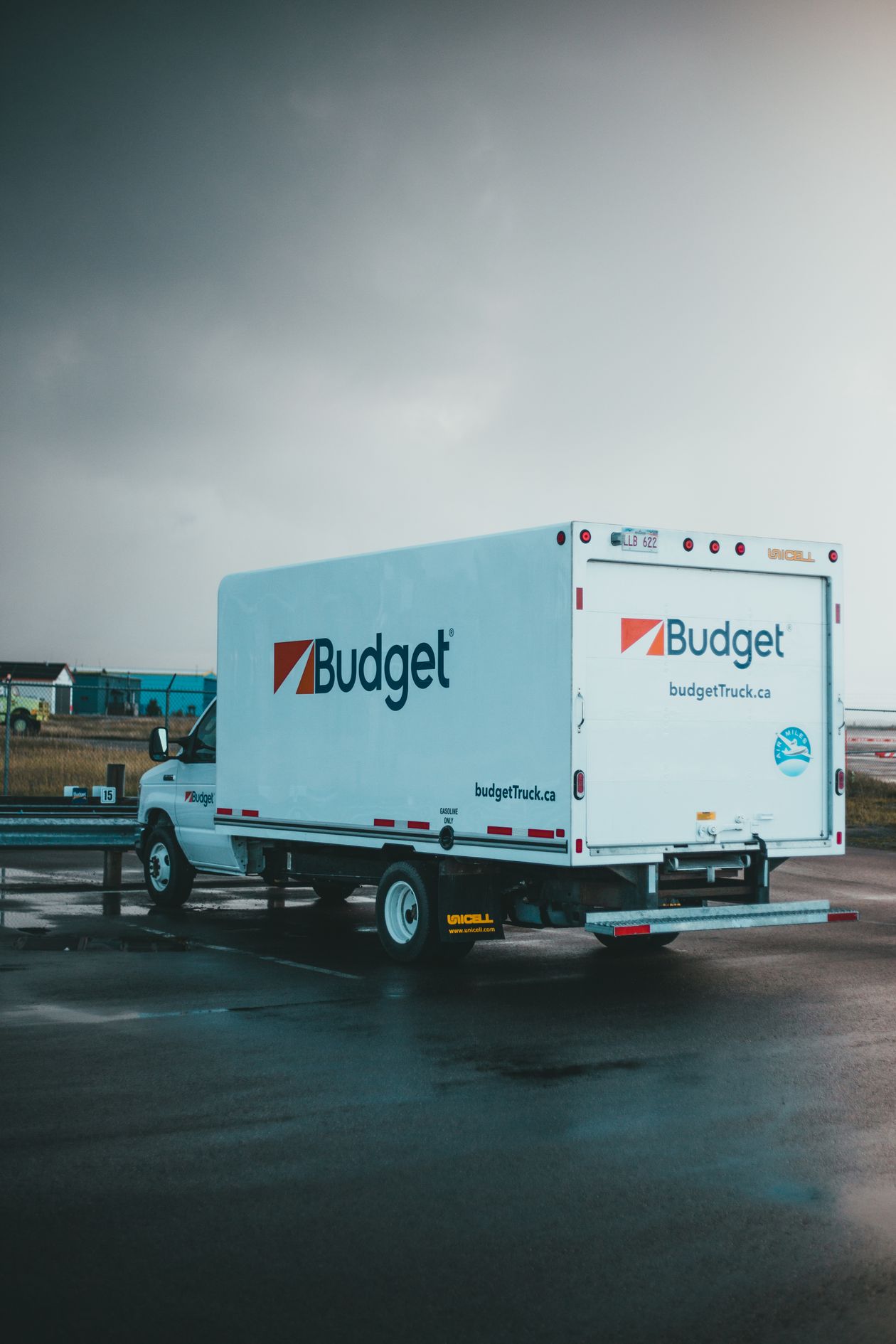
A one-way rental means you drop the truck at a different location, and the pricing flips. You get a single route price that bundles a set number of days and a mileage allowance calculated from your pickup and drop-off points. U-Haul charges $1.00 per mile beyond the allowance and $40 per extra day. Penske breaks the pattern in the way that matters most for long hauls: its one-way rentals include unlimited miles, so the meter simply isn't running. Budget sits between the two — days and miles are included as set by its mapping software, with extra miles priced cheaper if bought at pickup (about $0.80) than if assessed at return (about $1.00), and extra days likewise cheaper bought ahead ($80) than at return ($100), per a 2026 comparison drawing on Budget's own FAQ and a U-Pack-published quote study.
Neither machine includes fuel. Rental trucks are thirsty: figure roughly 8–12 miles per gallon depending on size and load, with the biggest trucks at the bottom of that range. At $3.50 a gallon, fuel alone costs you about $0.29–$0.44 for every mile the wheels turn — a number to keep in your head, because on a local rental you pay it twice on the return leg, in an empty truck, going away from your new home.
Worked example 1: across town (12 miles between homes)
This is the local rental's home turf. Assume a 15-foot truck, one long day, and a realistic route: 5 miles from the rental store to your old home, 12 miles loaded to the new home, 8 miles back to the store — 25 truck miles total, plus a couple of errands. Call it 30 miles.
| Line item | Local rental | Notes |
|---|---|---|
| Daily rate (15-ft) | $29.95 | One 24-hour period |
| Mileage, 30 mi @ $0.99 | $29.70 | Mid-range published rate; your market may be $0.59–$1.19 |
| Fuel, ~3 gal @ $3.50 | $10.50 | At ~10 mpg |
| Environmental fee | ~$1–$5 | Varies by company |
| Total before tax/coverage | ~$71–$75 | Damage coverage, dollies, and pads are extra |
Could a one-way rental beat that for a 12-mile move? Almost never, and it usually isn't even offered sensibly at this distance — one-way pricing is built for routes, and you'd pay a route premium to save an 8-mile return drive worth about $11 in mileage and fuel. Verdict: local, and it isn't close. The only trap at this distance is the second day: run past your 24 hours and the metered machine charges you another full daily rate, which is how a $75 move becomes a $110 move while you sleep.
Worked example 2: the next town over (60 miles between homes)
This is where people get hurt, because 60 miles feels local. Run the local-rental math honestly. Your route is now: 5 miles to the old home, 60 miles loaded to the new home, and then — the part everyone forgets at booking — 60 miles back to return the truck, because a local rental must go home even though you no longer live there. That's 125 truck miles before errands, and somebody also has to get you back: a chase car making a 120-mile round trip, or a very understanding friend.
| Line item | Local rental, 60-mile move | One-way rental, same move |
|---|---|---|
| Base | $29.95 (1 day, if you hustle) | Route price quoted for your lane and date |
| Mileage | 125 mi @ $0.99 = $123.75 | Included up to the route allowance; overage $1.00/mi (U-Haul) or unlimited (Penske) |
| Fuel | ~12.5 gal = ~$44 | ~6.5 gal = ~$23 (no empty return leg) |
| Return logistics | Chase car ~120 mi, ~2 hours, its own fuel | A ride from the drop-off store, minutes away |
| Truck-side total | ~$198 before tax/coverage | Quote-dependent — get it the same day |
The structural point survives any particular quote: on the local rental, the empty return leg alone — 60 miles × ($0.99 mileage + ~$0.35 fuel) — costs roughly $80, plus two hours of moving-day driving in the wrong direction, plus a second vehicle. A one-way quote for a short route has to carry a premium larger than that entire package before local wins, and for most 50-to-100-mile moves it doesn't. Verdict: price both, the same day, and expect one-way to win from about 40–50 miles outward. That threshold is the real answer to the question this article's title asks: the break-even is not a fixed number of miles, it's the point where the return leg's metered cost exceeds the one-way premium — and with mileage near a dollar, that point arrives fast.
Worked example 3: a real relocation (500+ miles)
At this distance the comparison collapses, and it's worth seeing why. A local rental would require driving the truck 500 miles home empty — another 500 metered miles (~$495), another ~50 gallons (~$175), another day or two of daily rate, and two days of your life — assuming the location would even rent it to you on those terms. Nobody sane does this. The one-way machine is the only machine, and the shopping becomes which one-way:
- Direction is price. One-way rates are set by fleet balance, not just distance: the same route reversed can price very differently, because the company is paying to reposition trucks. Published 2026 comparisons note one-way prices swinging 30–50 percent on the same route with supply and season. Moving into a city everyone is leaving is cheaper than joining the exodus.
- Unlimited miles change the risk profile. On a 1,700-mile Salt Lake City–to–Nashville comparison published by U-Pack in August 2026 and itemized in a 2026 cost guide, a 26-foot Penske came to $5,253 all-in against $6,437 for Budget and $5,112 for U-Haul — with fuel estimated at $694–$1,026 of those totals. Read it as a dated example, not a quote; but note that fuel rivaled coverage and fees combined, and that on a capped-mileage rental, a scenic detour is a metered decision while on Penske it is free.
- Extra days are the pressure point. Loading a house always takes longer than the plan. Know your included days and the price of more ($40/day at U-Haul; more at others, and cheaper bought at pickup than at return where that's offered) before you sign, not from the road.
The costs both machines hide equally
Fair comparison means loading both sides with the same extras. Damage coverage is optional and priced per day or per trip; your personal auto policy usually does not cover a 26-foot box truck, and your credit card almost certainly doesn't either — check before you decline, not after. Equipment — appliance dollies, furniture pads, a ramp's worth of straps — rents by the day on local and by the trip on one-way. Taxes and fees land on both. And your labor is the biggest hidden line of all: a local rental's return leg consumes the two most exhausted hours of your move, which is a cost even when it doesn't appear on an invoice.
One more wrinkle for people whose move includes a storage stop: a large share of rental locations are co-located with self-storage — this site's directory lists 934 truck-rental businesses in its storage-and-self-storage category alone. A one-way drop at a location with storage can collapse two errands into one, which is worth real money on a metered day.
How to run your own comparison in fifteen minutes
- Measure your true local-rental miles: store → old home → new home → store, plus 10 percent for errands. Not the distance between homes — the whole loop.
- Price the loop: daily rate × realistic days (be honest; use two if loading is a weekend project) + miles × your market's per-mile rate + fuel at 10 mpg.
- Get one-way quotes from at least two companies the same day, for the same truck size and dates, and note included days, included miles, and the overage prices.
- Compare totals, not rates. If the one-way total is within roughly the cost of your return leg — return miles × (mileage rate + ~$0.35 fuel) — take the one-way and buy back your evening.
The $19.95 truck is a fine deal for the move it was designed for: one day, one town, one loop. The moment your new home stops being a loop and starts being a line, rent the line. The meter is a wonderful thing right up until it starts charging you to drive away from your own life, empty, at a dollar a mile.
Sources
- U-Haul, "How to Estimate the Mileage Fees for Your Move" — in-town rentals: flat daily rate starting at $19.95 plus mileage; one-way rentals: bundled mileage allowance and days, extra miles $1.00/mile, extra days $40/day; rates vary by location, season, and day of week: https://www.uhaul.com/Tips/how-to-estimate-the-mileage-fees-for-your-move-26768/?srsltid=AfmBOooIRllOcTk3GYXul5YT-qN2EmvzU87Ret-5E4SqU41Q_iEOLxUx
- This Old House, "What To Know Before Renting a U-Haul" — local per-mile range $0.59–$0.99; one-way effective ~$0.90–$1.00/mile; late fees $40/day: https://www.thisoldhouse.com/moving/know-before-renting-uhaul
- HireAHelper, "How Much Does a U-Haul Really Cost in 2026?" — published local daily rates by truck size (10-ft $19.95, 15-ft $29.95, 20-ft $39.95, 26-ft $49.95) and worked local totals: https://www.hireahelper.com/advice/how-much-does-a-u-haul-really-cost-we-found-out/
- Cross-Country Moving Cost, "Penske vs Budget One-Way Truck Rental" — itemized U-Pack-published comparison (1,700 mi, Salt Lake City→Nashville, Oct 2026: Penske 26-ft $5,253; Budget $6,437; U-Haul 26-ft $5,112, incl. fuel estimates); Penske unlimited one-way miles; Budget extra miles $0.80 at pickup / $1.00 at return, extra days $80 / $100: https://crosscountrymovingcost.com/method/penske-budget-one-way-truck-rental-cost
- Photo by Connor Scott McManus, https://www.pexels.com/photo/15084344/
- Photo by Royal Moving & Storage, https://www.pexels.com/photo/20706511/
- Photo by Erik Mclean, https://www.pexels.com/photo/9703050/
More guides
- How to Hire a Moving Company That Won't Hold Your Furniture HostageMovers › Moving & Storage
- How Much Do Movers Cost? Local vs. Long-Distance Pricing ExplainedMovers › Moving & Storage
- Binding vs. Non-Binding Estimates: The Difference That Decides Your Final BillMovers › Moving & Storage
- Moving Insurance and Valuation: What 'Full Value Protection' Really CoversMovers › Moving & Storage
- Long-Distance Moving: A Start-to-Finish Guide for Household GoodsMovers › Household Goods Moving & Storage
- All Guides & ArticlesBrowse the full guides library