Movers › Moving Equipment & Supplies Rental
Renting Moving Equipment: Dollies, Pads, and Lifts — What You Actually Need
Every operations manager knows the two piles. The first is the pile of equipment customers rent, use hard all day, and bring back dusty and grateful. The second is the pile that comes back exactly as it left — the extra dozen pads still folded in their plastic, the second dolly with clean wheels, the specialty lift that spent moving day leaning against a garage wall. Both piles cost the same per day. The difference is whether anyone matched the gear to the actual house before swiping a card.
This guide is that matching exercise. It covers the core rental kit — dollies, furniture pads, straps, ramps and lifts — what each item really costs at the big rental counters, how much of it a studio, a two-bedroom, and a four-bedroom actually consume, and which rentals most often come back unused. If you are moving yourself, this is the cheapest money in the whole move, but only when you rent the right pile.
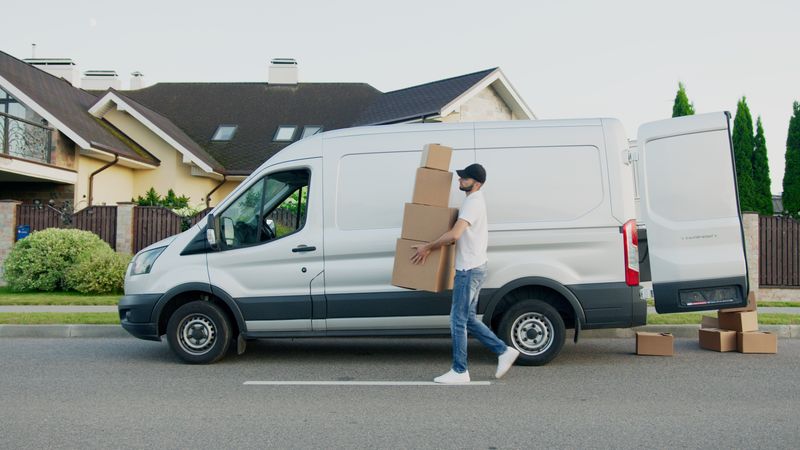
The core kit, piece by piece
The utility dolly (hand truck) is the workhorse: a two-wheeled upright frame with a toe plate, rated typically for 600 to 800 pounds. It moves stacked boxes four or five at a time, filing cabinets, and anything tall and boxy. If you rent one thing, rent this. A two-person move without a hand truck is just two people carrying boxes one at a time, all day, and calling it exercise.
The furniture dolly is a flat four-wheeled platform — a carpeted skate, essentially. You lift one end of a dresser, sofa, or credenza, slip the dolly under, and roll the piece instead of carrying it. It is useless on stairs and unbeatable on flat runs: hallways, elevators, truck ramps, garage floors. Crews pair it with the hand truck constantly, because most homes are flat runs interrupted by a few steps.
The appliance dolly is the heavy sibling: a sturdier frame, a built-in strap, and usually stair-climber belts or rollers on the back. It exists for refrigerators, washers, dryers, and safes — tall, dense loads that will crush a standard hand truck's axle or, worse, tip off it. If a full-size fridge or a laundry pair is in your inventory, this is not an upgrade. It is the tool the job requires.
Furniture pads (moving blankets) are the protection layer, and they are rented by the half-dozen or dozen. A standard pad is roughly 72 by 80 inches. Pads wrap finished wood, upholstery, appliances, and anything with corners you care about, and they fill gaps in the truck so the load doesn't shift and grind against itself for fifty miles. Under-padding is the single most common cause of damage I saw in fifteen years — not drops, not stairs, just furniture riding unprotected against furniture.
Lifting straps — forearm straps and shoulder harnesses — transfer a load from your hands and lower back to your legs and shoulders. They cost $20 to $40 to buy outright, which is why many counters sell rather than rent them. They shine on flat carries and wide stairs, and they demand honesty: on a staircase, most of the weight shifts to the downhill carrier.
Ramps and lifts are where the rental counter starts separating real needs from anxiety purchases. A truck with a loading ramp or a liftgate makes some gear unnecessary; a truck without one makes a ramp essential. True specialty lifts — powered stair climbers, piano boards, hoisting gear — belong to a narrow set of jobs, covered below.
What it actually costs
Published rates from the two biggest rental networks, checked for this guide, show how small this line item is next to the truck itself:
| Item | U-Haul (local / one-way, per day) | The Home Depot (per day) | Notes |
|---|---|---|---|
| Utility dolly (hand truck) | $7 / $12 | $25 | The essential rental; Home Depot also offers shorter rental windows at some stores |
| Furniture dolly (4-wheel) | $7 / $12 | $15 | Cheapest back-saver on flat ground |
| Appliance dolly | $10 / $15 | $30 | Includes the strap; required for fridges and laundry pairs |
| Furniture pads | $5 per half-dozen / $6 one-way | Not rented | Budget and Penske rent pads at roughly $15–$20 per dozen |
| Stair-climbing dolly | Not a standard U-Haul item | Varies by store | Independent rental yards typically charge $30–$80 per day |
A complete, sensible kit for a two-bedroom — one utility dolly, one furniture dolly, an appliance dolly if there's a laundry pair, and two dozen pads — runs roughly $35 to $60 for the day at a truck-rental counter. Compare that with the cost of one gouged hardwood floor, one cracked refrigerator door, or one urgent-care visit for a strained back. Equipment rental is not where a DIY move gets expensive. Skipping it is.
Two pricing traps to know about. First, one-way rentals charge more per item than local rentals, and the gear must ride to your destination city — fine, as long as you actually need it there. Second, deposits: home-improvement rental desks commonly require a deposit on equipment, refunded on clean, on-time return. Ask for the return deadline in writing; a dolly kept an extra day because the truck went back late is a silly fee.

Matching the kit to the home
Forget bedroom counts for a moment and count heavy pieces and finished surfaces instead. Still, households ask for a starting point, so here is the one I gave customers at the counter, cross-checked against pad-count guides published by working movers:
| Home size | Pads to rent | Dollies | Notes |
|---|---|---|---|
| Studio / small 1-bedroom | 1–1.5 dozen (12–18) | 1 utility dolly | Add a furniture dolly if there's a full-size sofa or dresser |
| 2-bedroom | 2–2.5 dozen (24–30) | Utility + furniture dolly | Add the appliance dolly for a fridge or laundry pair |
| 3-bedroom | 3–4 dozen (36–48) | Utility + furniture dolly | Two hand trucks pay off if you have two able carriers |
| 4+ bedroom | 4–6 dozen (48–72) | Both dollies, consider a second utility dolly | Pad count climbs with case goods, not square footage alone |
The pad math follows a pro rule of thumb: roughly one dozen pads per furnished room, or per 500 square feet. Per piece, plan one pad for a small item like a nightstand or TV, two for a bookcase or armchair, and three for a sofa, a big table, or an appliance. Then round up one half-dozen. Pads also line the truck walls and fill voids, so a load that looks "fully padded" piece by piece can still eat another six pads in the truck. Of everything on the rental ticket, pads are the item to over-rent: they are five dollars a half-dozen and they protect everything else you own.
Now the access questions, which matter more than the furniture list. Stairs at either end? That argues for the appliance dolly's stair-climber belts and against relying on the flat furniture dolly. An elevator building? The furniture dolly becomes your best friend and a second hand truck speeds everything. A long flat walk from door to truck — a suburban driveway, a storage facility corridor — is where dollies pay for themselves in the first hour. Narrow, turning staircases in older buildings are where straps beat dollies, because a dolly that can't make the landing turn is dead weight.
The rentals that come back unused
Fifteen years of returns taught me the pattern. These are the items most likely to make the clean-wheels pile:
- The second dozen of pads beyond the math. One half-dozen of headroom is smart. Doubling the order "just in case" is not — pads are bulky, and unused dozens ride home still folded.
- A stair-climbing or powered lift for a one-story move. Specialty climbers rent for $30 to $80 a day at independent yards and solve a problem — heavy loads on stairs — that a ranch house doesn't have.
- A piano dolly for a household with no piano. It sounds obvious, yet "heavy-duty everything" orders happen weekly. The appliance dolly covers safes and appliances; the piano board is a specialist tool for a specialist load.
- Two appliance dollies. One laundry pair moves one machine at a time. Unless two crews are genuinely working in parallel, the second unit watches.
- A furniture dolly for a walk-up with no flat run. If the route is door, stairs, truck — in that order, twice — the flat dolly never touches the ground productively.
The mirror-image mistake is under-renting the boring items. The classic failed order is a truck, zero pads, and one dolly shared by four people — a combination that guarantees scratched furniture and a very long day.
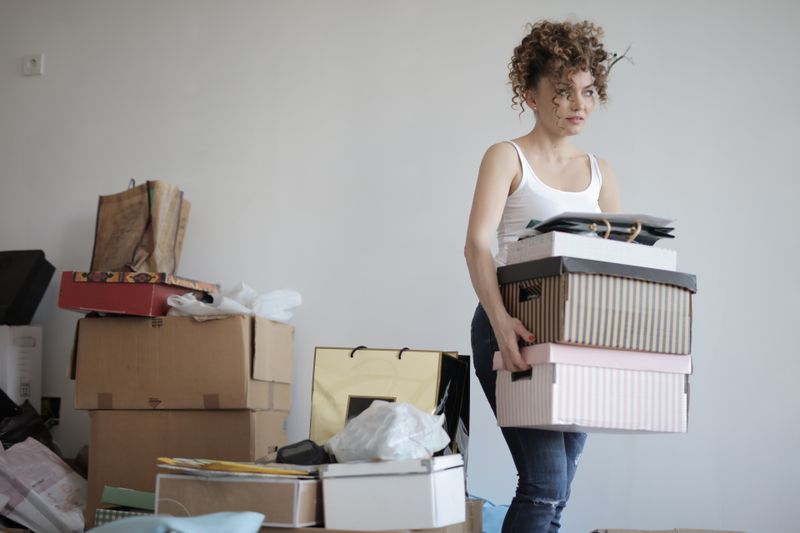
Rent or buy?
The break-even math is simple. A basic furniture dolly sells for roughly $20 to $35 at hardware stores, a serviceable hand truck for $40 to $95, and lifting straps for $20 to $40. If you will move again within a couple of years, help friends move, or have any ongoing use for hauling — a hand truck is a reasonable purchase, and straps are cheap enough to own outright. Appliance dollies, by contrast, sell for $70 to $200 and spend the other 364 days of the year in your garage; rent that one. Pads are the rental bargain of the industry — buying a dozen decent pads costs far more than the $10 or so a dozen rents for, and you don't have to store them afterward.
One exception: if your move stretches across several days — a slow self-pack with a storage unit in the middle — daily rental rates stack up fast, and buying the dollies while renting pads for load day alone can beat a week of full-kit rental. Run the multiplication before you sign.
A short safety brief, because the gear is not magic
Dollies move weight; they don't repeal it. Keep loads within the frame's rating, strap anything tall to the dolly before it moves, and tilt-and-roll rather than lifting the dolly over thresholds. On stairs, the appliance dolly goes one step at a time with a spotter below the load, never above it. Straps require two carriers of roughly matched height and a rehearsed lift on flat ground before anyone tries a staircase. And know the honest limit that every professional crew works by: pieces above roughly 250 pounds on stairs — upright pianos at 300 to 500 pounds are the textbook case — are a hire-it-out job, whatever the rental counter will sell you.
Where to rent, and a closing word
You will find this gear at truck-rental counters (U-Haul, Budget, Penske), at home-improvement rental desks, and at independent equipment yards — the last of these being the only reliable source for stair climbers and specialty lifts. The directory behind this guide lists thousands of businesses in the trade, including 5,379 listings under Moving Equipment & Supplies Rental in its Movers category alone, so for most readers a rental desk is closer than the truck pickup itself. Reserve the equipment with the truck, not as an afterthought at the counter on moving morning, when the appliance dollies are already gone.
Rent the kit your house actually needs: a hand truck always, a furniture dolly for the flat runs, an appliance dolly for the heavy tall things, pads by the dozen with a little headroom, and straps if stairs and a willing partner are both in the picture. Leave the specialty lifts to the jobs that need them. Your furniture, your floors, and your lower back will all be able to tell the difference.
Sources
- U-Haul, "U-Haul vs. The Home Depot Truck Rental" — published equipment rate comparison (April 2025 prices): utility and furniture dollies $7/day local, $12 one-way; appliance dolly $10/$15; furniture pads $5 per half-dozen; Home Depot hand truck $25/day, 4-wheel dolly $15/day, appliance dolly $30/day, no pads rented. https://www.uhaul.com/Tips/u-haul-vs-the-home-depot-truck-rental-37360/
- U-Haul, "U-Haul vs. Penske" — supporting-equipment rates, including Penske utility dolly $15–$20/day and pads $15–$20 per dozen. https://www.uhaul.com/Tips/u-haul-vs-penske-which-moving-truck-rental-is-best-for-diy-movers-36098/
- DC Cargo, "Moving Blankets: Sizes, Weights, and Pad Counts for Pro Movers" — standard pad size 72×80 in; rule of thumb of one dozen pads per furnished room or 500 sq ft; pad counts by home size. https://dccargo.com/blogs/professional-movers-moving-companies/moving-blankets-sizes-weights-and-pad-counts-for-pro-movers
- MoveAdvisor, "Moving Dolly" guide — dolly capacities (utility 600–800 lb; furniture 800–1,000 lb; appliance 800–1,200 lb) and rent-vs-buy price ranges. https://moveadvisor.com/move/moving-dolly/
- ItemFits, "How to Move Furniture Up Stairs: 7 Safe Techniques" — stair-climbing dolly rental $30–$50/day; weight thresholds for straps, dollies, and hiring professionals; typical weights (upright piano 300–500 lb). https://itemfits.com/blog/moving-heavy-items-upstairs-safely
- Photos: loading and packing scenes — photo by Artem Podrez, https://www.pexels.com/photo/5025669/ ; photo by SHVETS production, https://www.pexels.com/photo/7203881/ ; photo by Andrea Piacquadio, https://www.pexels.com/photo/3791617/
More guides
- How to Hire a Moving Company That Won't Hold Your Furniture HostageMovers › Moving & Storage
- How Much Do Movers Cost? Local vs. Long-Distance Pricing ExplainedMovers › Moving & Storage
- Binding vs. Non-Binding Estimates: The Difference That Decides Your Final BillMovers › Moving & Storage
- Moving Insurance and Valuation: What 'Full Value Protection' Really CoversMovers › Moving & Storage
- Long-Distance Moving: A Start-to-Finish Guide for Household GoodsMovers › Household Goods Moving & Storage
- All Guides & ArticlesBrowse the full guides library