Movers › Piano & Organ Moving
Second Opinions in Piano and Organ Moving: When to Get One and How to Use It
Of all the objects in a house, a piano is the worst candidate for a single quote taken on faith. It is heavy in a way that injures people, fragile in a way that defies its weight — thousands of moving parts, a soundboard under enormous string tension, a finish that records every mistake — and frequently worth, in money or in family meaning, more than everything else in the truck combined. Yet piano moves are routinely booked the way pizza is ordered: one call, one number, done.
A second opinion in this trade is not about haggling. Sometimes it saves money. More often it saves the instrument, by exposing the quote that was cheap because it omitted the stairs, the disassembly, the insurance, or the competence. This guide explains when a second opinion is worth its cost — including the cases where it is not — how to obtain one without burning the bridge to your first mover, and how to compare two answers that rarely describe the same job.
What a piano move costs, so you can recognise an outlier
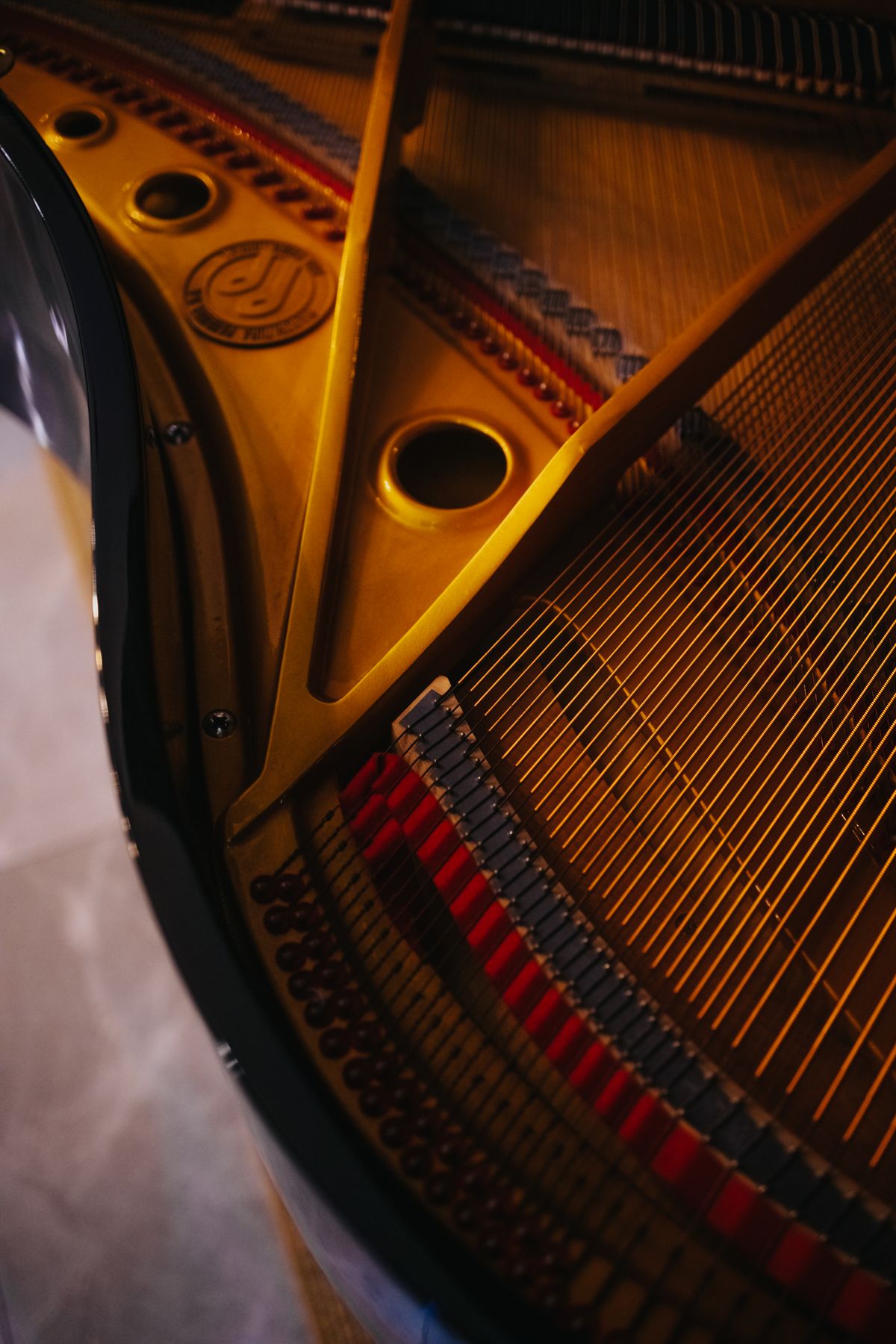
You cannot evaluate a second quote without a fair-price frame for the first. In 2026 data, a professional local piano move averages about $400 nationally, with most jobs between $200 and $1,000. By type, local moves run roughly $150 to $350 for an upright, $250 to $500 for a baby grand, and $300 to $650 for a grand in one guide's figures; another puts uprights at $300 to $600 and grands at $500 to $1,200 once complexity is priced in. Long-distance moves climb steeply: uprights $500 to $1,200, baby grands $800 to $2,000, grands $1,200 to $2,500 and beyond. The extras are standardised enough to memorise: stairs at $5 to $10 per step or $40 to $100 per flight, long carries at $50 to $150, and crane or hoist work from $200 into four figures.
| Instrument, local move | Typical range | Second opinion trigger |
|---|---|---|
| Upright | About $150–$600 | Quote far outside the band, either way |
| Baby grand | About $250–$800 | No mention of leg removal or a piano board |
| Grand | About $300–$1,200 | Price quoted without seeing the instrument or the stairs |
| Any piano, long distance | About $500–$2,500+ | No climate or crating discussion for a valuable instrument |
| Church or theatre organ | Quoted individually, always | Any flat quote given without a site visit |
A quote inside the band is not automatically honest, and a quote outside it is not automatically wrong — access can be genuinely terrible. But an outlier is a question, and a second opinion is how you ask it with evidence instead of anxiety.
When a second opinion is worth its cost
Get one, without hesitation, in these situations. The quotes disagree with the frame: a grand quoted at $200 locally, or an upright quoted at $1,500 — the first is probably missing the work, the second is probably pricing your attachment. The job has a hard feature: stairs with a turn, a crane or window removal, a balcony, a tight stairwell in an old house, a move out of a church or school. Hard features are where methods differ, and method — not muscle — is what you are comparing. The instrument is valuable, antique, or irreplaceable: a piano with real market value, a family instrument, or an organ with pipework is a conservation job wearing a moving job's clothes, and a specialist's assessment is worth paying for on its own. The first mover will not itemise: a single round number, no stairs counted, no insurance terms stated, no mention of disassembly for a grand. Opacity at quoting is the single most reliable predictor in my complaint files. The first mover is a generalist and the instrument is a grand: general crews move sofas well and pianos incidentally — their dollies are not piano boards, their blankets are not skid padding, and their standard cargo coverage frequently excludes or under-values instrument damage. A specialist quote gives you the comparison that decides whether the generalist's saving is real.
And the organ rule: for a pipe organ, or a large electronic organ built into a space, there is no standard move to quote. Any number offered without a site visit, an inventory of components, and a discussion of who disconnects, packs ranks or electronics, and reassembles is not a quote. It is a guess with a signature line, and the second opinion is not optional.
When it is not worth it
Honesty cuts the other way. A small upright or spinet, ground floor to ground floor, no stairs, quoted inside the band by a mover who itemised the job and named their insurance: book it. The second opinion would cost you days to save little, and the risk profile of that move is the one case where a competent general crew is a reasonable choice. Likewise, do not collect a third and fourth opinion as a sport. Two good quotes define the market for your job; the fifth defines your reputation with local movers, and piano moving is a small world of specialists who talk to each other.
How to get one without burning bridges
The fear is real: movers are people, the first mover may be the one you end up needing, and nobody wants to be the customer who shopped their quote around the county. Handled plainly, it costs nothing. Say, at the first quote, "I'm getting two quotes on this, as I would for any work at this price — I'll decide by Friday and let you know either way." Professionals hear this weekly; the ones who pressure you against it are telling you something. Then keep the promise: decide on schedule, and tell the mover you did not choose, briefly and with thanks. That courtesy is not softness. Piano specialists are few, memories are long, and the mover you decline politely this year is the one who answers the phone when your chosen mover's truck breaks down.
Two disciplines protect both the relationship and the comparison. Give every mover the same facts: instrument make, model, and dimensions if you have them; photographs; the access at both ends, honestly described, stairs counted; and the date flexibility you actually have. A second opinion gathered on a vaguer description than the first is not a second opinion — it is a second guess, and it will detonate on moving day when the real stairs appear. And never accept a quote, from anyone, that was given without the mover seeing the instrument and the route, in person or by video. A reputable service insists on assessing type, condition, and access before quoting; a number produced without that step is marketing, not estimating.
How to compare two answers that disagree
Lay the quotes side by side and compare line by line, not total by total. Crew size: a grand properly moved takes a third pair of hands; a cheaper quote with a two-person crew is a different and riskier job, not a better price. Method: legs and pedal lyre removed and the instrument on a piano board, for a grand — or not mentioned, which means not planned. Equipment: piano board or skid, proper dollies, padding rated for the finish, a liftgate or climate-controlled truck where the instrument's value warrants it. Access charges: stairs per flight, long carry, crane — itemised in one quote and absent in the other usually means the second mover has not priced your house, not that your house is free. Insurance: the decisive line. Ask each mover, in writing, what coverage applies to the instrument specifically, to what value, and what a claim would actually pay. Standard moving liability is calculated by weight, and a piano is the standing refutation of weight-based value: the instrument's worth lives in its soundboard, action, and finish, not its pounds. For a valuable piano, the correct comparison may be between one mover's included coverage and another's plus a third-party instrument policy — priced, not assumed. Aftercare: a piano needs tuning two to four weeks after a move, once it has settled into its new room's climate; who mentions this unprompted is telling you they finish jobs properly.
When the two totals still differ widely after the lines are aligned, call the more expensive mover and ask the most useful question in consumer life: "Your quote is higher — help me understand what you're seeing that the other isn't." Sometimes the answer is padding. Sometimes it is the turn in your staircase, correctly understood as a two-stage move with a landing rest, and the cheaper mover's silence on the subject is the most expensive line in either document.
The second opinion as inspection, not just price
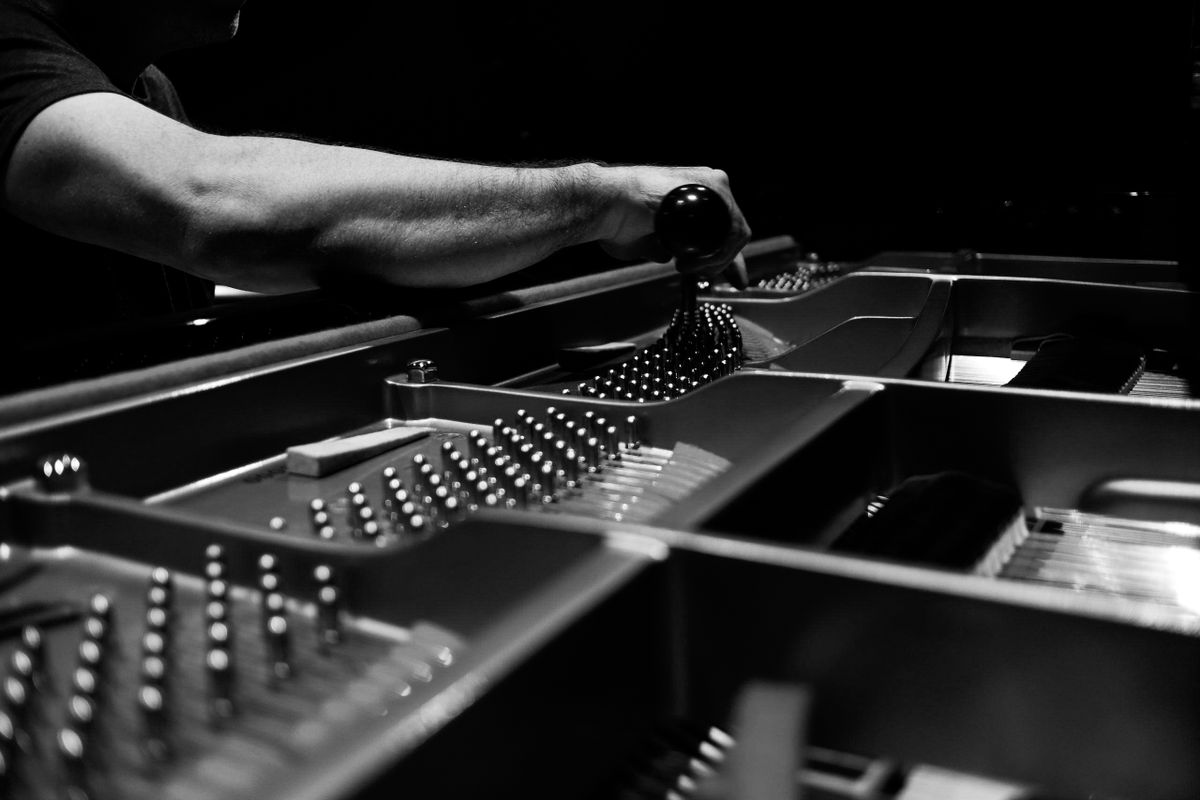
For high-value instruments, reframe the exercise entirely. What you are buying with a second specialist visit is an assessment: the mover examines the piano's condition before anyone touches it, photographs existing wear, and states a method. That document protects you with whichever mover you choose, because damage claims live and die on the instrument's recorded prior condition. It also flushes out the truth about organs and antique pianos, where the right answer is sometimes "do not move it that way at all" — a sentence no mover says about a job they have already priced as simple. A piano technician or tuner who knows the instrument can serve as a neutral third voice here, and for a concert-grade or inherited instrument, that independence is the point.
This site lists 377 piano and organ moving listings, so a second opinion is almost always available within a reasonable drive — the specialists are findable, and the good ones expect to be compared. Get the second quote when the instrument, the building, or the first quote's silences say to. Give both movers the same truth, compare the lines rather than the totals, and let the mover who saw your staircase most clearly earn the job. In a trade where a single slip can total an instrument and a floor in the same second, the second opinion is not indecision. It is the cheapest insurance you will buy all move.
Sources
- Angi, How Much Does It Cost to Move a Piano? — 2026 national average of $400, most jobs between $200 and $1,000, by-type ranges from uprights at $300–$600 to grands at $500–$1,200, stair surcharges of $40 to $100 per flight, and long-carry and crane ranges.
- Extra Space Storage, How Much Does It Cost to Move a Piano in 2026? — local ranges of $150–$350 for an upright, $250–$500 for a baby grand, and $300–$650 for a grand; long-distance ranges up to $1,200–$2,500 and beyond; stair fees of $5 to $10 per step.
- Piano Movers of San Diego, General Movers vs. Piano Movers — the limits of general crews for grands and high-value uprights, piano boards versus furniture dollies, floor damage, and instrument exclusions in general cargo coverage.
- Bernard Movers, Piano Delivery Service — piano construction and fragility, specialist equipment including piano boards and climate-controlled trucks, and the risks of generalist and DIY moves.
- Masters' Guild, Piano Moving Costs 2026 — counting flights at both ends, getting crane and stair fees in writing, and tuning two to four weeks after the move.
- Photo by Pexels contributor, https://www.pexels.com/photo/14494758/
- Photo by Pexels contributor, https://www.pexels.com/photo/18845890/
- Photo by Pexels contributor, https://www.pexels.com/photo/29039292/
More guides
- How to Hire a Moving Company That Won't Hold Your Furniture HostageMovers › Moving & Storage
- How Much Do Movers Cost? Local vs. Long-Distance Pricing ExplainedMovers › Moving & Storage
- Binding vs. Non-Binding Estimates: The Difference That Decides Your Final BillMovers › Moving & Storage
- Moving Insurance and Valuation: What 'Full Value Protection' Really CoversMovers › Moving & Storage
- Long-Distance Moving: A Start-to-Finish Guide for Household GoodsMovers › Household Goods Moving & Storage
- All Guides & ArticlesBrowse the full guides library