Movers › Storage
Storage Red Flags: The Warning Signs Most People Walk Straight Past
Nobody tours a storage facility the way they tour a house. You are mid-move, tired, the truck is booked, and the nice person at the counter has a unit "about that size" available today. So families sign, load, lock and leave — and discover the red flags later, in the order the flags prefer: a rate letter in month four, a musty smell in month six, a lock that is not theirs on the door in month nine. Storage complaints are rarely about villains. They are about warning signs that were visible on the first visit to anyone who knew where to look, and about a contract whose traps are printed, politely, in the part nobody reads.
This guide names the signs — the pricing ones, the building ones, the contract ones — and what to do the moment one appears, whether that moment is before you sign or after your things are already inside.
Red flag one: a price that is designed to change
The storage industry's most documented practice has a name insiders use without embarrassment: the Existing Customer Rate Increase, or ECRI. The play is simple. A facility advertises a low introductory rate on a month-to-month agreement. You move in. Then, once your belongings are inside and moving them out would cost you a truck, a weekend and your back, the rent rises — documented spikes of 30 to 40 per cent within months of move-in, with individual cases reaching over 50 per cent, and one New York City consumer-protection case recording a jump from $120 to $320 in a single month. A major operator's own executive described the strategy to investors as an "optimization" based on how price-sensitive tenants are and how expensive they would be to replace. Read that sentence again: the increase is calibrated to your reluctance to leave, not to any cost of theirs.
The warning signs are all visible before you sign:
- A move-in price far below every competitor's street rate, especially "$1 first month" or half-price offers with no stated end date for the real rate.
- No answer to the question "what will this cost in month seven?" A good operator can tell you their increase history and notice period. Evasiveness is the answer.
- A month-to-month contract sold purely as your flexibility. It is also theirs: a lease that renews monthly is a lease that can be repriced monthly, commonly on about 30 days' notice. Flexibility is real, but price it as a two-way door.
- Rate-increase complaints in the facility's own reviews, in numbers. One disgruntled tenant is weather; a dozen describing the same 40-per-cent letter is climate.
What to do when the letter arrives: you have three honest options — pay it, negotiate it (managers often have discretion, especially for long-tenured tenants who pay on time), or move to a facility whose street rate, not teaser rate, beats your new price. The one bad option is the designed one: staying silent and absorbing increase after increase because the truck feels like too much trouble. That feeling is the product being sold.
Red flag two: the building is telling you something
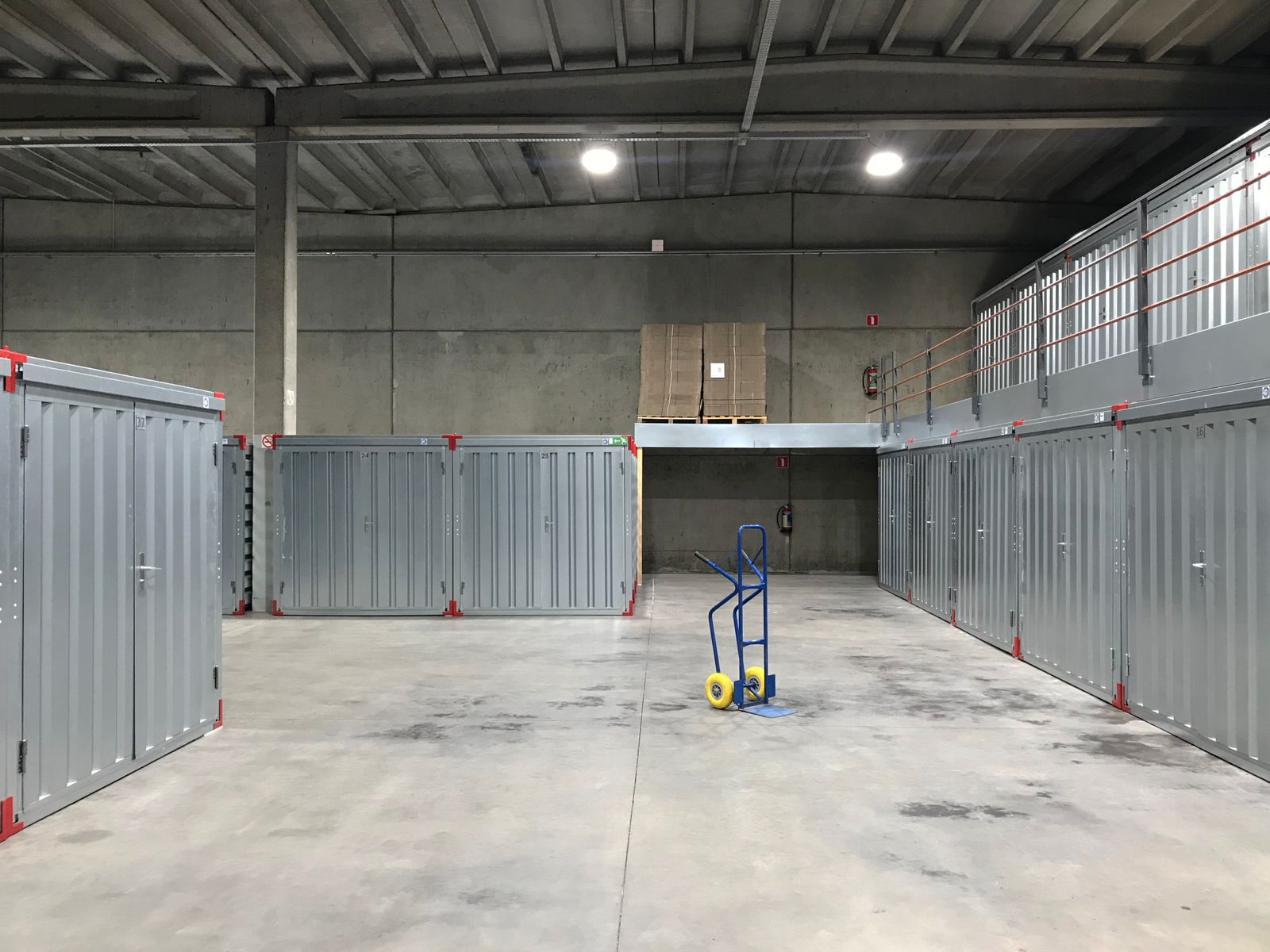
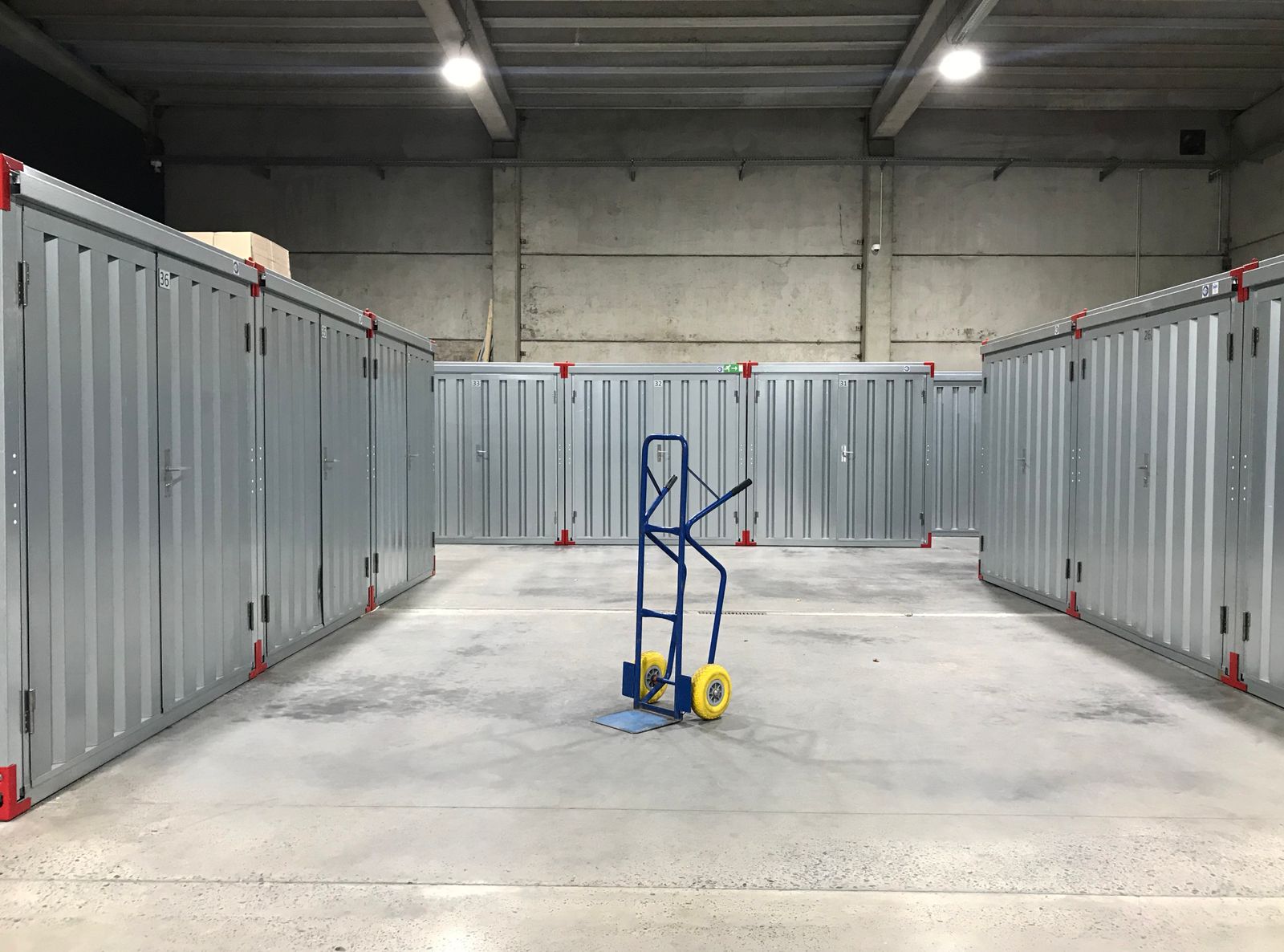
Walk the facility like an inspector, because the building's condition is the most honest document on the premises. The signs, in the order your nose and eyes will meet them:
The musty smell. Mildew odour in a corridor or unit means moisture has been living there. Water damage is among the most common causes of storage claims, and it is patient: a slow roof leak or pooled rain at a door base will find cardboard, fabric, wood and paper over a season. Look for brown stains on ceilings, rust blooming at the bottom of roll-up doors, warped or stained flooring, and fresh paint in suspicious places — paint over a stain is a confession.
Pest evidence. Droppings along walls, egg cases in corners, nesting material, dead insects in the hallway, traps in plain sight. Ask directly what the pest-control contract is and how often treatments happen. A facility with an ongoing programme will say so with specifics; "we handle it if there's a problem" means your unit is the detection system.
Climate control that isn't. If a unit is sold as climate-controlled, the building air should feel like it the moment you walk in — cool, dry, unremarkable. Heavy, humid or hot air in a "climate-controlled" building means the system is undersized, broken or fictional. Wood, leather, electronics, instruments and anything that mildews deserve the real thing or a different building.
Deferred everything. Flickering or dead lights, a broken gate keypad, a lift that is out of order, potholes, overflowing bins, a shabby office. None of these damage your goods directly. All of them describe the management you will be calling when something does. Facilities with visible maintenance neglect generate measurably more complaints and damage claims; the corridor is a preview of the claims process.
Security theatre. Cameras that exist only at the office, a perimeter fence with gaps or damage, no individual gate codes, dim drive aisles. Real security is layered and boring: unique PIN access per tenant, cameras down every hallway and aisle, lighting that works at night, and staff who can say how long recordings are kept. If you are shown the cameras but not the corridors, you have seen the theatre, not the security.
Red flag three: the contract's quiet paragraphs
Storage contracts are short, which makes the traps easier to find than in most paperwork — if you read before the truck is loaded. The clauses that generate complaints:
| Clause | What it usually means | What to ask |
|---|---|---|
| Rate adjustment on ~30 days' notice | Your rent can rise any month | "How many increases, and how big, in the last year?" |
| Protection plan required | You must buy their cover or prove your own | "Is it insurance or a protection plan — and what does it exclude?" |
| Late fee + overlock + lien | Miss payments and access stops; the lien process can end in auction | "Walk me through the timeline from a missed payment to a sale" |
| Access hours vs office hours | The gate may close hours before the desk does | "What are gate hours, exactly, and holiday hours?" |
| Prohibited items list | Food, fuel, chemicals and more void your welcome — and sometimes your cover | "What voids the protection plan?" |
The protection-plan paragraph deserves its own flag. Many facilities require tenants to carry cover, then sell their own plan at the counter. Sometimes it is genuine insurance; often it is a protection plan — a contractual promise by the operator, with exclusions that matter: flood, pests, mould and vermin damage are commonly excluded, which is to say the most likely storage losses may not be covered by the plan sold to cover them. This product has generated real litigation: a Florida class action over storage insurance premiums settled for $5 million, and a far larger California case followed. None of that makes every plan a scam. It makes the questions non-optional: is this insurance or a plan, who underwrites it, what does it exclude, and will the facility accept your own homeowner's or renter's policy instead — many will, if you bring proof. A facility that refuses valid third-party proof of insurance is telling you the plan is a profit centre, not a protection.
The lien paragraph is the one with a date in it. In most states, a storage operator's lien attaches quickly and the path from missed payment to auction can run in weeks to a few months, with notice by mail or email. The red flag is not that the clause exists — it is law-backed and standard — it is a facility that cannot or will not walk you through its own timeline, fees and notice method. Know your grace period, your late fee, the overlock point and the sale point before you need them, and never let the account's only contact be an email you do not check.
Red flag four: the tour itself
Some red flags are behaviours, not objects. You are not shown the actual unit — only a model, a photo, or a unit "just like it." Insist on the real door opening before you sign; the actual unit is where the stains, smells and door damage live. Pressure to sign today because "this size is almost gone" — in a facility with visible vacancies, scarcity is a script. A size estimate that keeps growing — the counter upsells you from the unit you measured for to the next size up "for the walkway." Measure your largest items, know the unit dimensions you need, and let the arithmetic outrank the advice. And no paperwork copy offered — you should leave with the full agreement, the fee schedule and the facility rules, not a keypad code and a smile.
Already inside? The mid-tenancy flags, and the exits
Families planning a move often inherit a unit already rented, so the flags that appear during tenancy matter as much as the tour. A rate letter with no explanation is your cue to run the pay-negotiate-move calculation that week, not after the third letter. Your own lock replaced or a facility overlock you were not warned about means a payment or paperwork problem — call the same day; the lien clock is the one clock in storage that never stops for confusion. New damage on a visit — wet floor, droppings, a neighbour's unit obviously infested or leaking — is a photograph-and-email moment: date-stamped photos and a written report to the facility create the record a claim will later need, and moving vulnerable items to plastic bins or out entirely is cheaper than any claim. Access hours quietly shortened or amenities withdrawn while your rate rises is the market telling you the facility's economics now run against its tenants; start pricing the exit.
The exit itself is a flag-check in reverse: give the notice your contract requires, photograph the empty unit and the meter of your tenancy — final bills, returned keys, gate code surrendered — and get the move-out confirmation in writing, because "I moved out in March" versus a facility billing through May is a complaint genre all of its own.
This site lists 2,753 mini and self storage listings, and the honest majority of them are run by people who will answer every question in this guide without blinking. That is the real test the red flags perform. A good facility survives inspection, pricing questions and contract questions with its good humour intact. A bad one needs you tired, hurried and unread. Arrive rested, read the paragraphs, walk the corridor — and let the flags do what they are for.
Sources
- CourtDocket, "Public Storage Price Gouging: Lawsuits, Settlements, and Laws" — establishes the Existing Customer Rate Increase practice with documented spikes of 30–40 per cent and cases over 50 per cent, the operator executive's investor-call description of the strategy, complaint volumes, the $5 million Florida insurance settlement, and standard 30-day rate-adjustment notice clauses.
- New York City Department of Consumer and Worker Protection case, as documented by CourtDocket and Inside Self-Storage — establishes the recorded case of rent rising from $120 to $320 in a single month and the February 2026 bait-and-switch lawsuit against a major operator.
- Inside Self-Storage, "Self-Storage Under Scrutiny: Pricing Practices Backlash" — establishes the industry's internal debate over aggressive rate increases and the shift from independent operators to corporate pricing strategies.
- Modern Storage Media, "Are Aggressive ECRIs Leading to Lower NOI, Higher Customer Churn?" — establishes typical aggressive increase patterns, including repeated ~30 per cent increases within the first year of tenancy.
- Neighbor, "Are Storage Units Safe? 8 Common Self-Storage Hazards" — establishes the common hazard set of break-ins, water and mould, pests and weak security, and the corresponding facility countermeasures to look for.
- Vail Airport Storage, "Storage Facility Red Flags: 12 Warning Signs" — establishes the physical inspection signs: pest evidence, water staining, broken cameras, deferred maintenance and refusal to show the actual unit.
- Photo by David Slaager, https://www.pexels.com/photo/5759147/
- Photo by David Slaager, https://www.pexels.com/photo/5759145/
More guides
- How to Hire a Moving Company That Won't Hold Your Furniture HostageMovers › Moving & Storage
- How Much Do Movers Cost? Local vs. Long-Distance Pricing ExplainedMovers › Moving & Storage
- Binding vs. Non-Binding Estimates: The Difference That Decides Your Final BillMovers › Moving & Storage
- Moving Insurance and Valuation: What 'Full Value Protection' Really CoversMovers › Moving & Storage
- Long-Distance Moving: A Start-to-Finish Guide for Household GoodsMovers › Household Goods Moving & Storage
- All Guides & ArticlesBrowse the full guides library