Movers › Storage Trailers & Containers
Storage Trailers and Containers Emergencies: What to Do in the First 24 Hours
A portable storage container changes the emergency math. A self-storage unit sits inside someone else's gated, camera-covered building. A container or storage trailer sits in your driveway, on your job site, or in a provider's yard — and which of those three places it is sitting, and whose hands it was in, decides almost everything about what happens next.
I coordinate relocations for a living, and container emergencies are the ones that generate the most confused phone calls, because three different parties — you, the container company, and your insurer — each assume one of the others is in charge. Nobody is, for the first few hours. You are. This playbook is for that first day: the break-in discovered at dawn, the storm that dropped a limb through the roof seam, the delivery truck incident, the city notice taped to the door. The steps are calm, they are sequential, and most of them take less than ten minutes.
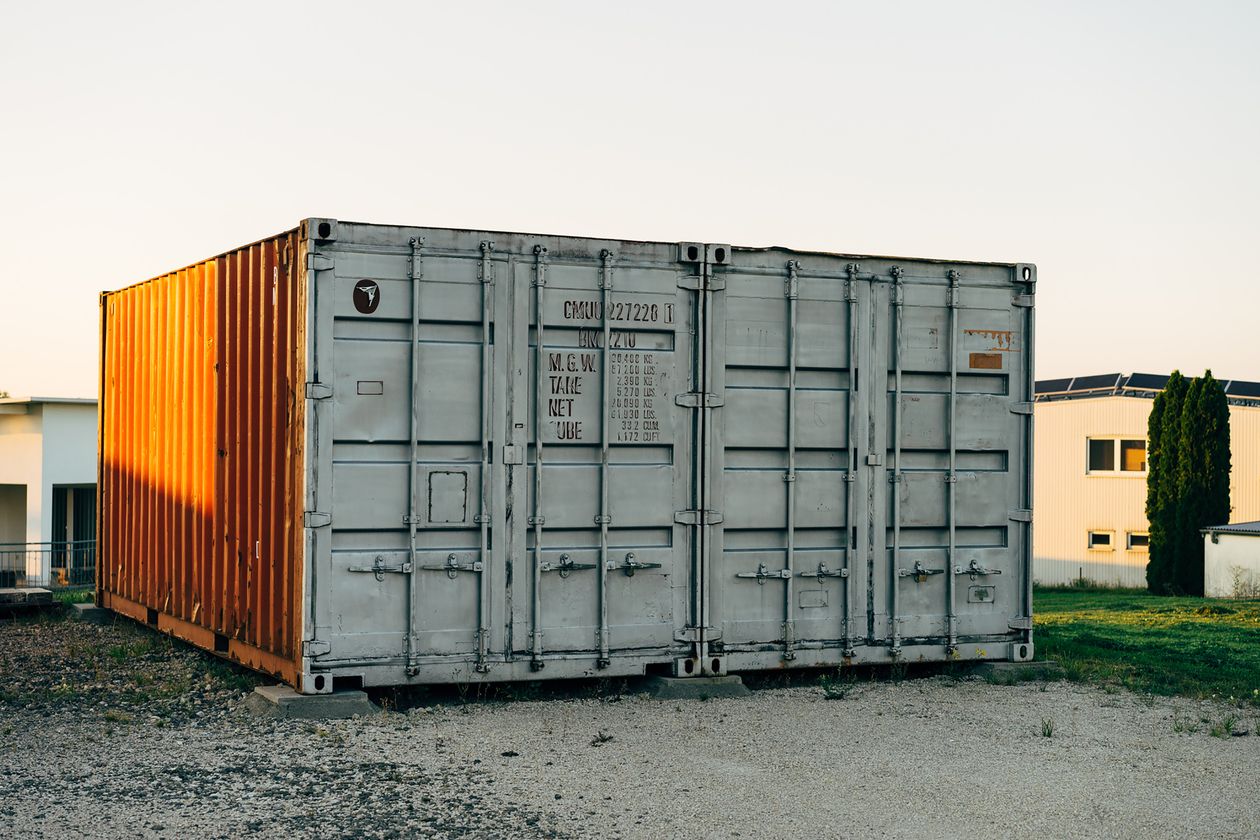
Step one: establish custody before anything else
With a fixed storage unit, location is a fact. With a portable container, custody is a timeline, and reconstructing it is your first job. Storage claims guidance for mobile containers makes the point explicitly: document where the container was located and who had custody of it when the damage or loss occurred. The answer sorts your emergency into one of three very different files:
- On your property, in your custody. The container was your responsibility to secure and site sensibly. Your homeowners or renters policy is usually the first port of call for the contents; the container company is responsible for the box itself only if its defect caused the loss.
- In transit, in the provider's custody. Damage discovered after a move — crushed corners, water that entered at a seam under road vibration, contents shifted and broken — is a claim against the provider's process, and the delivery paperwork and your photos at loading become the core evidence.
- At the provider's storage center. Closest to self-storage: the provider's facility security, its incident report, and its protection terms frame the claim, and access is by appointment — PODS, for example, asks customers to schedule container access at its storage centers with 24–48 hours' notice, which is worth knowing before you drive over in a panic.
Write the custody timeline down in the first hour: delivery date, pickup date if any, where the container sat each night, and when you last saw it intact. Every adjuster conversation gets easier from that page.
The first hour: safety, scene, and the swap-out question
If the emergency involves a vehicle collision, a fire, a downed power line near a metal box, or a suspected break-in in progress, call 911 and keep clear. A steel container after a fire or a lightning strike is not a place to go inventorying.
Otherwise, work the scene before you work the phones:
Photograph the container as found. Wide shots showing the container, its placement, and its surroundings; then the container's ID number; then close-ups of the lock, latches, door seals, roof, and every point of damage or entry. Mobile-storage claims guidance is specific about this: photograph the container's exterior, its location, and any signs of forced entry or weather damage, not just the ruined contents inside. If a tree, a vehicle, or floodwater is involved, photograph that too, from several angles, before anything is moved or towed.
Do not authorize a swap-out until you've documented. Providers quite reasonably want to exchange a damaged container for a sound one and transfer your goods. That is good service and terrible evidence preservation if it happens in hour one. The damaged box — its bent door, its split seal, its cut lock — is Exhibit A. Photograph it completely first, and ask the provider, in writing, to retain the damaged container and the removed lock until the claim is resolved. A provider that photographed the container at delivery and pickup, as good ones do, has records you should also request copies of.
Stop the damage from compounding. You have a duty, under any policy or protection plan, to take reasonable steps to prevent further loss: tarp a breached roof if you safely can, move dry goods away from incoming water, re-secure a door with a new lock after police and photography are done. Keep every receipt. Reasonable mitigation is reimbursable in principle and, just as importantly, its absence will be quoted back at you if you skip it.
Who to call, in order
| Situation | First call | The container-specific twist |
|---|---|---|
| Break-in or theft from a container on your property | Police | Also notify the container company the same day — the box and its lock are theirs, and they need their own record of the forced entry |
| Storm, flood, or tree damage | Your insurer or protection-plan line | Photograph the container's placement: a box sited in a drainage path or under a dead limb will be discussed, so document what the provider advised at delivery |
| Damage found after the provider moved the container | The container company, in writing | Demand the custody timeline and the container's condition records; this is a provider-custody claim, not a homeowner claim |
| Container itself damaged (not by you) | The container company | Contents protection and container protection are separate products — PODS, for instance, sells Container Only and Contents Protection as distinct options — so establish which you bought before discussing numbers |
| City or HOA orders the container moved or cites you | The container company, immediately | An emergency pickup is a logistics problem the provider solves daily; a citation clock is not the moment to discover their lead time |
The police matter for any forced entry, wherever the container sat. Get the report number; theft claims without one stall.
The container company gets a written notice the same day — email, not just the support call — with the container ID, the custody facts, what you found, and your request for an incident record and preservation of the damaged container and their delivery/pickup condition photos.
Your insurer gets notified within the day as well. Contents in a container on your own driveway are often closer to your homeowners policy than contents in a distant facility, but coverage for a container at a provider's center, or in transit, depends on the policy's terms and any contents-protection option you bought from the provider. Ask the question precisely: "My belongings were in a rented portable container, located at [place], in [whose] custody. What covers this?" The answer changes with each bracket, which is why the custody timeline comes first.
The two-contract problem: your box, their box
A container emergency usually involves two losses governed by two different documents, and conflating them is the classic day-one error.
The contents are yours, covered (or not) by your homeowners or renters policy or by a contents-protection option bought from the provider. The container is the provider's equipment, and your rental agreement likely makes you responsible for damage to it while it is in your custody — unless you bought the container-damage option, which providers sell separately from contents protection. If a storm drops your neighbor's tree on the box in your driveway, you may simultaneously be a claimant (contents), a debtor (container damage), and a witness (the tree owner's liability). None of that gets sorted on day one, but all of it gets easier if your day-one file separates the three roles instead of merging them into one upset phone call.
Two rental-agreement clauses deserve a look while you wait for callbacks. The prohibited items list — hazardous materials, flammables, perishables, and the like are barred by every major provider — matters if anything in the container could give an insurer an argument. And the protection election page, where you chose or declined contents and container coverage at booking, is the single most consequential piece of paper in the file. Find it before you negotiate anything.
The emergency only containers have: being ordered to move
A fixed unit cannot be evicted by a zoning officer. A container in a driveway can. Many cities regulate portable containers on residential property with permits and hard time limits — one municipal code researched for this guide caps a permitted container at 30 consecutive days with a $25 permit and fines of $750 per day beyond it; another limits driveway placement to 30 days including delivery and removal days, bans street placement outright, and holds both the property owner and the container supplier responsible for the unit's condition. Rules vary enormously by city, and HOAs add their own layer.
Why does this belong in an emergency playbook? Because the citation often arrives during another emergency — the storm-delayed pickup, the renovation that stalled — and because disaster provisions sometimes cut the other way: some codes expressly allow placing a container first and permitting it within a week after a flood or fire. If an order or citation lands on your container, day-one actions are: photograph the notice, call the provider and request an emergency pickup or relocation date in writing, call the code office and explain the underlying emergency (officers have discretion and disaster exceptions exist), and tell your insurer if the forced move affects a pending claim. What you must not do is let a loaded, damaged container be hauled away undocumented because a deadline scared you. Photograph everything, then let it roll.
Your day-one file
By the end of the first 24 hours you should hold: the custody timeline; the full photo set (exterior, ID number, lock, damage, contents); the police report number if a crime is involved; the written notice to the provider and any incident record they issue; your claim numbers from insurer or protection plan; the rental agreement with its protection-election page; and a first inventory of missing or damaged items with values you can defend later. This site's directory lists 495 storage trailer and container businesses among its movers listings — a crowded, competitive market — and the practical consequence is that providers protect their reputations: a complete, prompt, written file from a customer is the one most likely to be settled rather than argued with.
The container will be swapped, repaired, or hauled away within days, and the physical evidence will go with it. The file is what remains. Build it on day one, and the rest of the claim is just correspondence.
Sources
- SnapNSure, "How to File a Storage Insurance Claim Fast" — mobile/container claims: photograph the container exterior, its location, and forced-entry or weather damage; document where the container was and who had custody when the loss occurred; provider incident report as supporting documentation: https://www.snapnsure.com/blog/how-to-file-storage-insurance-claim/
- SnapNSure, "Storage Claims: What to Do When Belongings Are Damaged" — document before cleanup, keep damaged property until the insurer clears disposal, maintain a single claim file: https://www.snapnsure.com/blog/storage-claims-what-to-do-when-belongings-are-damaged/
- PODS, Storage FAQs — separate Container Only (COO) and Contents Protection (CPO) options; storage-center container access scheduled with 24–48 hours' notice; prohibited items under the rental agreement: https://www.pods.com/promo/storage?gclid=Cj0KCQiA6Ou5BhCrARIsAPoTxrDoyt_2eBw4My_4abOaXfPIJl52thgIf-K9h3KzXXV2KAucQY-C2E4aAn4pEALw_wcB
- Municipal portable-container rules (American Legal Publishing code library) — example codes capping permitted residential containers at 30 consecutive days, requiring permits, prohibiting street placement, and setting per-day fines: https://codelibrary.amlegal.com/codes/blueisland/latest/blue_il/0-0-0-5582 and https://codelibrary.amlegal.com/codes/reedleyca/latest/reedley_ca/0-0-0-13609
- Photo by Markus Winkler, https://www.pexels.com/photo/18609057/
- Photo by Shane Eckert, https://www.pexels.com/photo/12393185/
- Photo by Steve A Johnson, https://www.pexels.com/photo/851305/
More guides
- How to Hire a Moving Company That Won't Hold Your Furniture HostageMovers › Moving & Storage
- How Much Do Movers Cost? Local vs. Long-Distance Pricing ExplainedMovers › Moving & Storage
- Binding vs. Non-Binding Estimates: The Difference That Decides Your Final BillMovers › Moving & Storage
- Moving Insurance and Valuation: What 'Full Value Protection' Really CoversMovers › Moving & Storage
- Long-Distance Moving: A Start-to-Finish Guide for Household GoodsMovers › Household Goods Moving & Storage
- All Guides & ArticlesBrowse the full guides library