Movers › Storage Trailers & Containers
Storage Trailers and Containers for Beginners: The Mistakes First-Timers Make, and How to Dodge Them
The pitch is irresistible, and mostly true: a steel box appears in your driveway, you load it at your own pace over days instead of hours, and it either waits with you, leaves for storage, or reappears at your next address. For renters moving between leases — a gap of two weeks here, a month there — a storage container or trailer feels like the one moving product designed around your life instead of a truck schedule.
Then come the beginner mistakes. I have coordinated enough relocations to have seen every one of them, and they are remarkably consistent, because first-timers all imagine the same simple product while the real one has sizes, weight limits, delivery geometry, permit clocks and a lock you have to buy yourself. This site lists 495 storage trailer and container providers, and the good ones will steer you around most of what follows. The rest of this guide is for the phone call where they don't. None of the dodges costs money. All of them cost a little attention, early.
Mistake 1: Ordering by room count instead of by volume
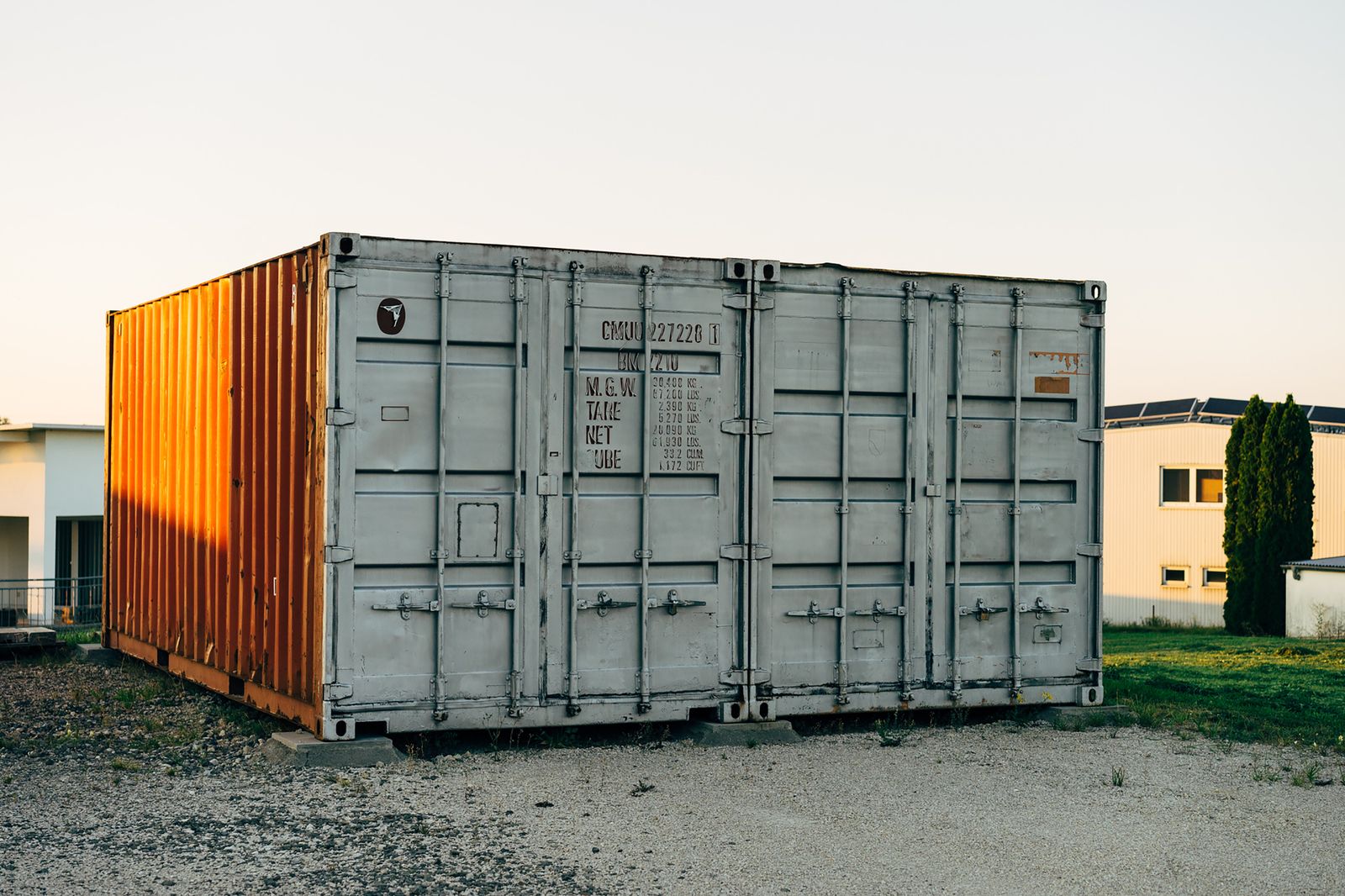
Beginners describe their home ("a two-bedroom") and accept whatever size is suggested. Container sizes are not standardized across the industry, which is how that goes wrong. The big portable brands run 7, 8, 12 and 16 feet; one national brand's only box is roughly 8 by 5 by 7 feet; a rented shipping container is 20 or 40 feet and nearly 8 feet wide inside. Comparison guides put monthly storage-only rates at roughly $80 to $150 for a small 8-foot unit, $120 to $200 for a 12-foot, and $160 to $250 for a 16-foot, with local moving packages (delivery, transport, pickup) typically $225 to $850 all-in.
The dodge is to think in your largest objects, not your room count. A 16-foot container swallows a three-bedroom's furniture only if the sofa, mattresses and appliances tetris well; the same home with a sectional, a piano or a garage of tools overflows it. Walk your home and list the ten biggest items with rough dimensions, then ask the provider — in writing — whether those ten fit the size quoted, with room to walk them in. Ordering one size up for a month is cheaper than a second container, a second delivery fee, and a second monthly rent running in parallel because the first box filled at 90 percent of your life.
Mistake 2: Assuming the truck can put it where you want it
The most common delivery-day failure is geometry. A container is placed by a truck or a specialized lift, and both need room: a clear, level, hard surface, overhead clearance from branches and wires (one experienced operator asks for about 12 feet and a photo of anything lower), and a straight approach. Sloped driveways, soft lawns, narrow gates and cars nobody can move have all ended deliveries with the box still on the truck — and a failed-delivery fee in the customer's inbox.
The dodge costs one walk outside with a tape measure and your phone. Measure the spot, check the surface (pavers and gravel shift; asphalt on a hot day can dent under a loaded corner), look up, and photograph the approach from the street. Send the photos before you book, and ask the only question that matters: "With this driveway, can you place it, and where exactly will it sit?" Reputable operators would rather plan from photos than improvise at your curb. And if the answer is the street, you have just walked into Mistake 3.
Mistake 3: Ignoring the permit clock and the HOA
A container on your own driveway is unregulated in many places and permitted in others — and a container on the street almost always needs the city's permission. Municipal codes vary wildly, which is precisely the trap: one city's ordinance allows a single container for 30 consecutive days on a $25 permit with a possible 15-day extension and fines of $750 a day beyond it; another allows 30 days at a time up to 90 days a year per lot; a third allows 90 days a year on a driveway, period. Homeowners associations and landlords layer their own rules on top, and the stricter rule wins.
First-timers discover this from a code-enforcement notice taped to the container in week three of a six-week gap between leases. The dodge: before delivery, check two things — your city's temporary container rules (the words "portable storage" plus your city's name will find the ordinance) and your lease or HOA documents — and plan the rental to the shorter clock. If your gap is longer than the allowed stay, store the loaded container at the provider's facility instead of at your curb; facility storage runs roughly $165 to $310 a month in published comparisons, which is real money and still cheaper than a per-day fine.
Mistake 4: Loading it like a garage
A storage container is not a room; it is a vehicle. Everything in it will travel — over potholes, around corners, up a tilt when the lift picks it up — and then may sit for weeks. Beginners load it the way they would stack a garage corner: heavy boxes on light ones, furniture unprotected, gaps everywhere for things to migrate into. The unload then reveals the physics: crushed boxes at the bottom, a dresser worn through its finish where it rubbed a bike frame for 200 miles, a mirror that flexed once too often.
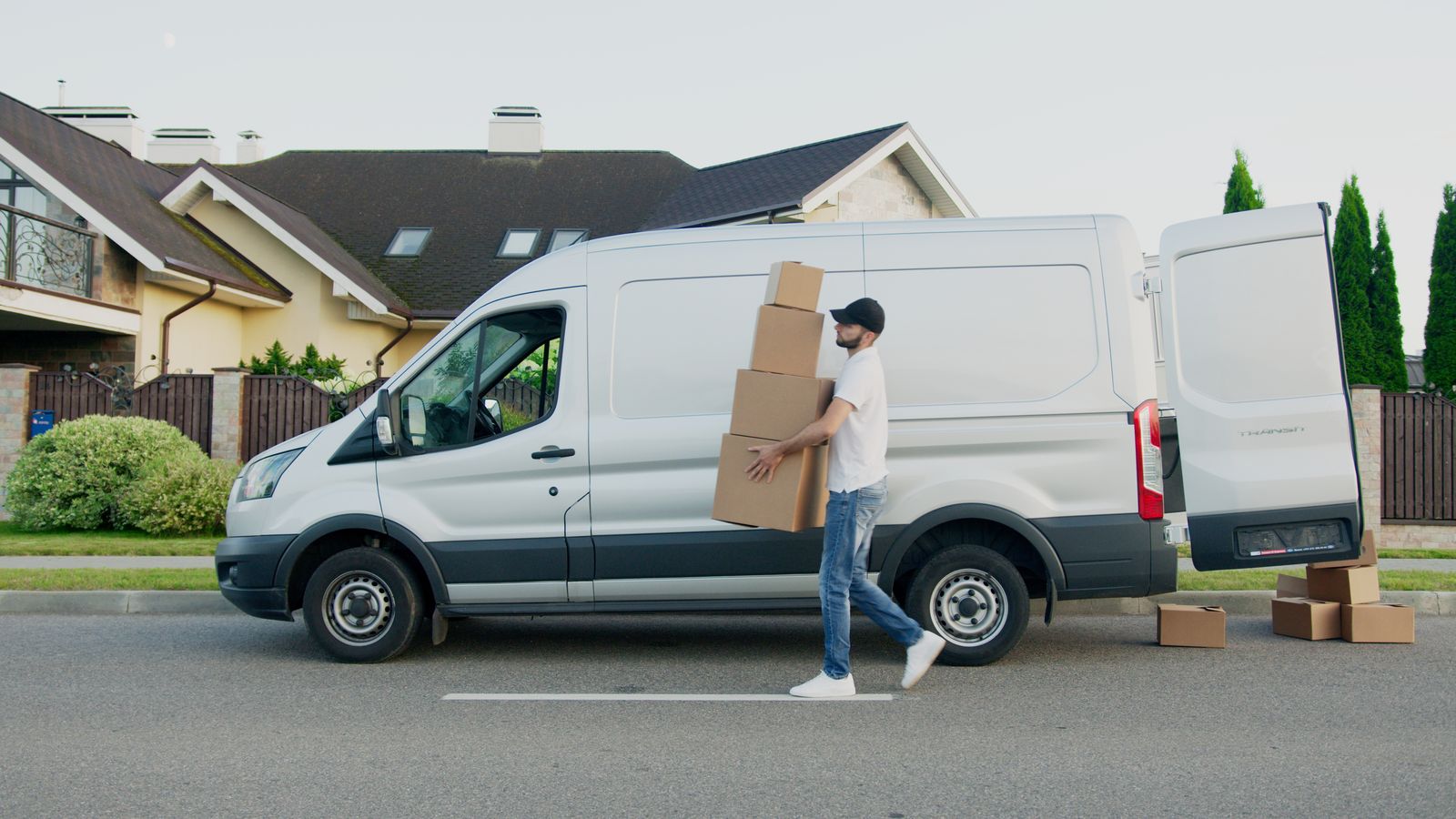
Load it like a truck, because it is one. Heaviest items first and lowest, weight spread evenly end to end — providers set weight limits per container, and an overloaded box can be refused or surcharged. Furniture padded and wrapped before it goes in, not "carefully placed." Boxes filled completely so they can bear stacking, and stacked by weight, not by room. Every gap stuffed with soft goods so nothing can shift. And the items you will need first at the other end — documents, tools, bedding, the kettle — loaded last, by the doors, because the beginner's other classic is needing the one box that is at the very back.
Mistake 5: Forgetting the lock, the moisture and the clock
Three small oversights account for a disproportionate share of container misery. The lock: most providers do not supply one. Major brands require you to bring your own, and a serious disc or shrouded padlock is the difference between a steel box and a steel suggestion. Buy it before delivery day, not after the first night. The moisture: a sealed steel box breathes with the weather, and condensation forms inside even in dry climates. Desiccant packs, pallets or even old carpet under anything absorbent, and nothing damp loaded in the first place — no wet mops, no just-mopped floors' worth of gear — prevent the mildew smell that greets beginners at the other end. The clock: rentals are month to month, and the billing month does not care that you finished early or late. Delivery and pickup fees ($95 to $250 per trip in published data) and transport charges are separate from rent, so the true price of a container is rent × months + two trips + any transport — a number beginners routinely fail to assemble until the final invoice assembles it for them.
Mistake 6: No exit plan for pickup day
The last mistake is symmetrical with the second: the container that was placed in an empty driveway in May must be retrieved from a driveway in July that now has a car on it, a low branch two months leafier, and a new fence. Pickup needs the same clearances as delivery, plus a container that is actually empty (for storage returns) or actually finished (for moves), on the scheduled day — because a failed pickup is another trip fee and another month's rent on a box you no longer want. Put the pickup date in the calendar when you book the delivery, keep the placement spot's access clear for the whole rental, and photograph the container, inside and out, at both ends of the rental. Condition disputes are rare; undocumented condition disputes are unwinnable.
| Beginner mistake | What it costs | The dodge |
|---|---|---|
| Sizing by room count | A second container and second delivery | List the ten biggest items; confirm fit in writing |
| Assuming placement is easy | Failed delivery fee, curb improvisation | Measure, photograph the approach, ask before booking |
| Ignoring permits and HOA rules | Per-day fines, forced removal | Check the city clock and your lease; store at the facility if the gap is long |
| Loading like a garage | Crushed, rubbed and broken contents | Load like a truck: heavy low, padded, gaps filled, essentials last |
| No lock, no moisture plan | Theft risk, mildew | Your own disc lock; desiccant; nothing damp loaded |
| No pickup plan | Extra trip fee, extra month's rent | Book pickup with delivery; keep access clear; photograph condition |
The beginner's summary
Storage containers reward the renter who treats the first phone call as the job: right size proven against your biggest furniture, placement proven against your actual driveway, the permit clock checked against your actual gap, the load built like freight, a real lock on the door, and a pickup date set before the first box goes in. Do those six things and the container is what the brochure promised — time, space and calm between leases. Skip them, and you will learn the same lessons everyone else did, at the standard tuition: one extra month, one extra trip fee, and one box at the very back that you needed on the very first night.
Sources
- Portable storage comparison guides — establish container sizes by brand, monthly storage rates by size, local and long-distance moving ranges, and delivery and pickup fees.
- SpareFoot portable storage data — establishes monthly rates for small, medium and large containers, facility storage pricing, and that major brands require customers to supply their own locks.
- Municipal portable container ordinances — establish permit requirements, 30-day and 90-day placement limits, extension rules and per-day fines for overstays.
- Portable storage operators' delivery guidance — establishes overhead clearance needs, placement on sloped or narrow driveways, and street-placement permit requirements.
Photos: photo by Markus Winkler, https://www.pexels.com/photo/two-shipping-containers-sitting-in-front-of-a-building-18609057/ ; photo by Artem Podrez, https://www.pexels.com/photo/man-carrying-boxes-beside-a-van-5025669/
More guides
- How to Hire a Moving Company That Won't Hold Your Furniture HostageMovers › Moving & Storage
- How Much Do Movers Cost? Local vs. Long-Distance Pricing ExplainedMovers › Moving & Storage
- Binding vs. Non-Binding Estimates: The Difference That Decides Your Final BillMovers › Moving & Storage
- Moving Insurance and Valuation: What 'Full Value Protection' Really CoversMovers › Moving & Storage
- Long-Distance Moving: A Start-to-Finish Guide for Household GoodsMovers › Household Goods Moving & Storage
- All Guides & ArticlesBrowse the full guides library