Movers › Moving & Storage Equipment & Supplies Retail
The Only Moving Supplies You Need (and the Kits That Waste Money)
Every operations manager learns the same lesson in the first season: customers buy moving supplies the way they pack — anxiously, and in the wrong proportions. They come home with a pre-packed "3-bedroom kit" containing twelve rolls of bubble wrap and not enough medium boxes, then make three emergency runs for tape. The kit was not designed around their house. It was designed around a warehouse shelf: a fixed bundle that is easy to stock, easy to ship, and padded with high-margin filler you will still own, untouched, a year after the move.
You do not need a kit. You need a list built from your rooms, a handful of genuinely essential items, and the discipline to skip the rest. Here is that list, with quantities, from someone who has issued these supplies to crews and counted what actually got used.
The core seven — the supplies that earn their money
1. Boxes, in the right mix. This is 70 percent of the job. The standard sizes exist for a reason: small (about 1.5 cu ft) for heavy things — books, tools, canned goods; medium (about 3 cu ft), the workhorse, for most kitchen and household items; large (about 4.5 cu ft) for light, bulky things — linens, pillows, lampshades. The single most common amateur error is filling large boxes with heavy items; a large box of books can top 60 pounds and split. Retail prices in 2026 comparisons run about $1.39 for a small, $2.04 for a medium and $2.48 for a large at U-Haul, with Walmart somewhat lower and Home Depot somewhat higher. Professional movers charge more — $3 to $8 per standard carton is one carrier's published range — which is the first reason self-supplying saves money.
2. Packing paper, in bulk. Clean, unprinted packing paper is the most versatile material in the building: wrap dishes in it, crumple it as void fill, line boxes with it, pad picture frames. A 200-sheet pack runs about $19.99 at retail. Buy more than you think; crews go through paper the way kitchens go through towels, and running out mid-kitchen is how glasses end up wrapped in bath towels.
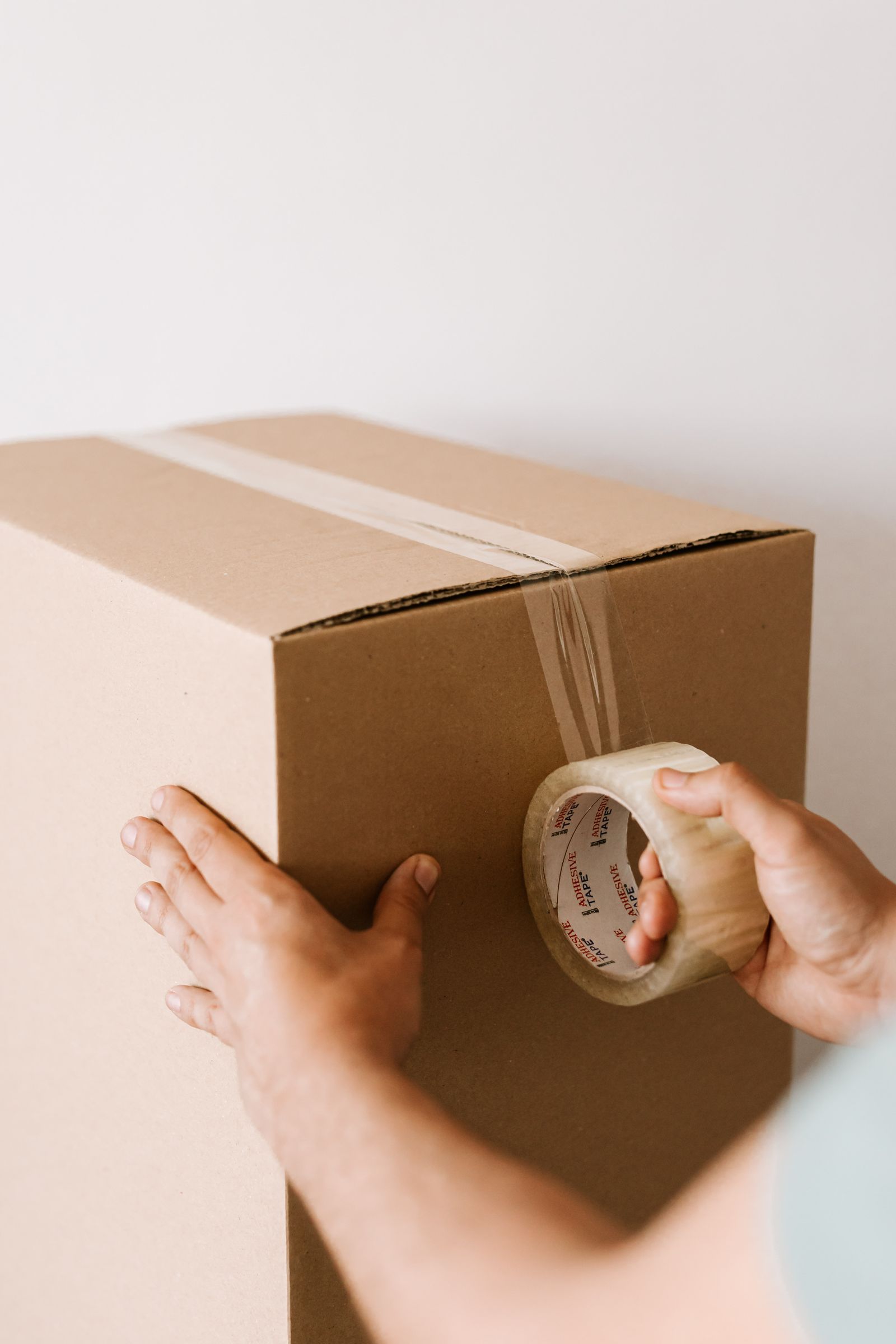
3. Packing tape — real tape, enough of it. About $4.95 for a 55-yard roll at retail; plan roughly one roll per ten boxes, and tape every box top and bottom with the H-pattern your crew would use. Cheap tape that splits and peels is the classic false economy: it costs you re-taping time and, occasionally, the bottom of a box on a staircase.
4. One tape dispenser and two markers. The dispenser is the highest-value $15 in the whole move — it turns taping from a two-handed wrestling match into a one-handed habit. Markers: write the room and a short contents list on two sides of each box, not just the top, because tops disappear in a stack.
5. Mattress bags, one per mattress. Roughly $5 to $10 from a mover's price list, $8 to $25 at retail depending on thickness. Mattresses pick up dirt, moisture and tears from a single drag across a truck floor. This is not filler; it is the cheapest insurance in the list.
6. Stretch wrap, one roll. A single roll (about $10 for a multi-pack in one cost guide) keeps dresser drawers shut, bundles furniture legs and pads together, and holds moving blankets in place. One roll does a whole apartment. Two rolls is a kit-maker's fantasy.
7. Furniture protection you rent, not buy. Moving blankets run $17 to $19 each to buy — six of them is over $100 — but truck rental counters rent pads by the day for a few dollars, and one published guide puts a six-pad rental at about $5 a day from U-Haul. If you are hiring movers, their blankets come with the crew; do not buy pads to supply your own movers.
How many boxes, room by room
Quantities are where kits quietly fail: they count pieces, not boxes. U-Haul sells a "66-piece kit" for a 1–2 bedroom home, but pieces include rolls of tape and bundles of paper — the box count inside is far lower than 66. Start instead from a room-based estimate. U-Haul's Moving Help guide publishes a starting mix for an average household, and it matches what operations experience says:
| Home | Small | Medium | Large | Extra-large | Wardrobe | Total cartons |
|---|---|---|---|---|---|---|
| 1-bedroom | 8 | 12 | 2 | 2 | 3 | 27 |
| 2-bedroom | 11 | 21 | 4 | 4 | 8 | 48 |
| 3-bedroom | 16 | 34 | 7 | 6 | 11 | 74 |
Independent estimates land in the same territory — Redfin's ranges, cited in supply guides, run 20–40 boxes for a one-bedroom, 40–60 for a two-bedroom and 60–80 for a three-bedroom. Use the table, then adjust for the two rooms that break every average. The kitchen is the heaviest consumer: one room-by-room calculator gives a standard kitchen about 19 boxes, including four dish packs, against about three boxes for a bathroom. And books are the other: a serious reader's study can need ten small boxes on its own. If your home is average except for the kitchen and the books, buy the average list plus six mediums, two dish packs and five smalls — and stop.
The specialty boxes worth buying — and the ones that are not
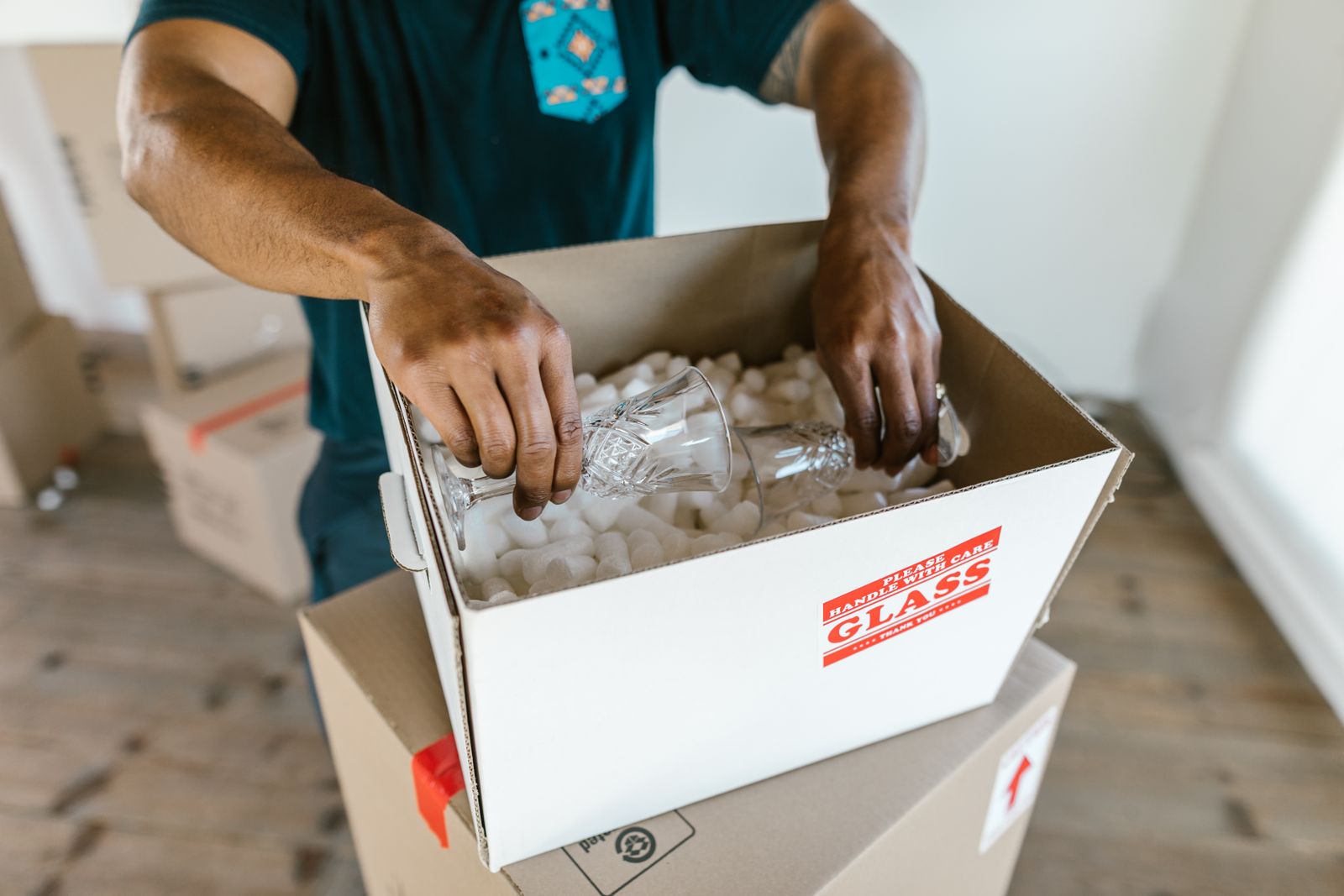
Worth it: dish packs. A double-walled dish carton with a cell kit (about $14.95 as a retail kit; $15–$25 as the carton alone from a professional carrier) is genuinely better engineering for plates and glasses than a medium box and hope. One or two for most kitchens.
Worth it, conditionally: wardrobe boxes. At $13.88 to $21.50 each they are the priciest standard item, and U-Haul's table calls for a lot of them — eight for a two-bedroom. In practice, most households need wardrobes only for the clothes that must hang: suits, dresses, coats. Everything folded goes in mediums and large boxes or in suitcases you already own. Two or three wardrobes, not eight, is the operations answer for most homes — one of the biggest single savings against the kit list.
Usually not: TV and picture boxes, if — and only if — you kept the TV's original box, or the set is small enough to travel wrapped in a blanket between mattresses, a method crews use constantly. A large TV with no original packaging is the exception: buy the box. For art and mirrors, two pieces of cardboard and paper will do for most frames; save the adjustable picture box for the one large mirror.
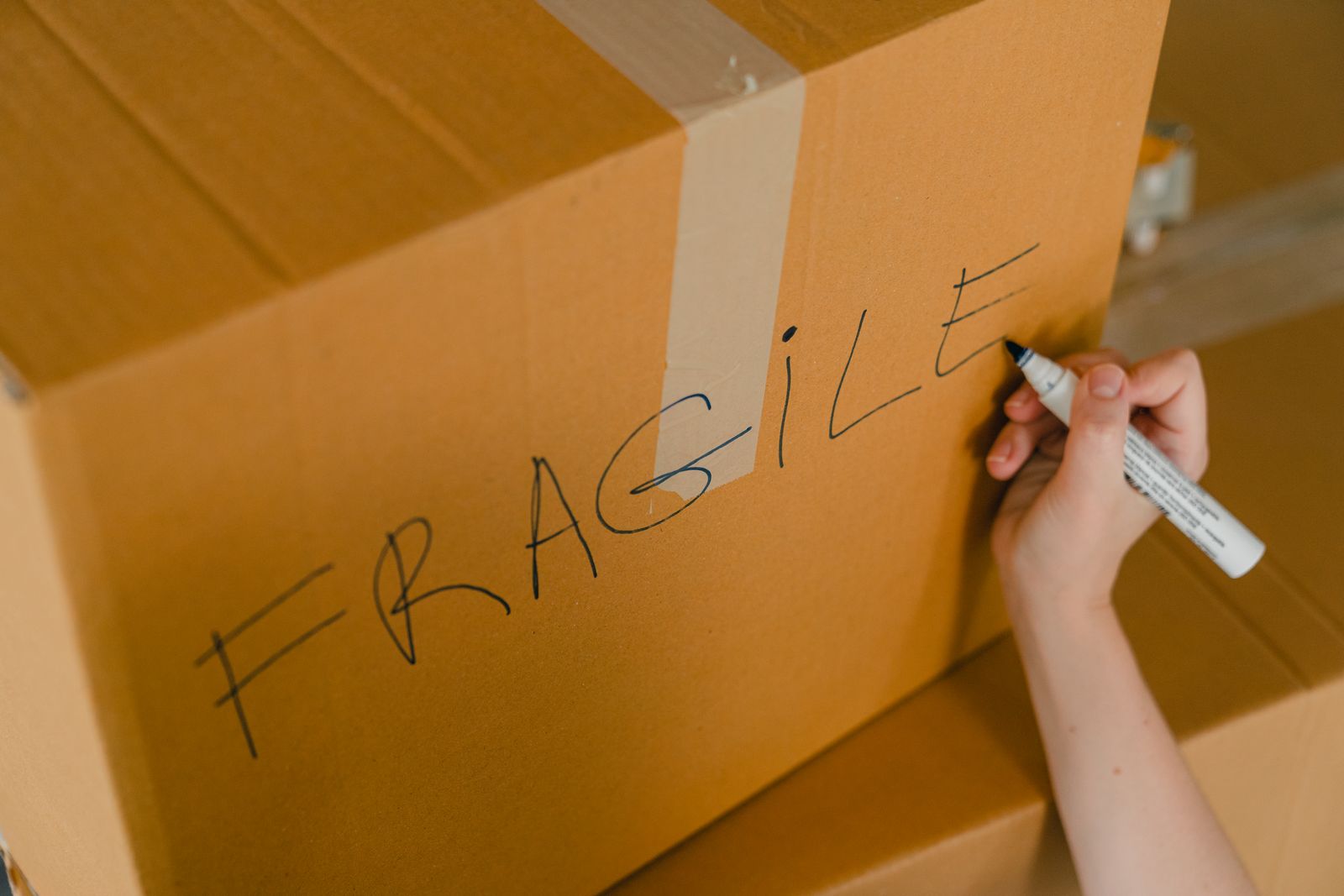
Skip entirely: pre-cut foam pouches in bulk (paper does the same job), "fragile" sticker packs (a marker writes FRAGILE free), color-coded label systems (a marker and a consistent room list beat them), box dividers for bottles you do not own, and the second roll of bubble wrap. Bubble wrap itself is a garnish, not a staple: one 100-foot roll (about $15) for the genuinely delicate electronics and art, with paper doing the bulk work. Kits invert this ratio because bubble wrap is light, cheap to ship and feels valuable in a bundle photo.
A worked budget: two-bedroom, bought by list vs. kit
Using the 2026 retail prices cited above (U-Haul/Home Depot range), a two-bedroom bought by list:
| Item | Quantity | Approx. cost |
|---|---|---|
| Small boxes @ ~$1.39 | 11 | $15 |
| Medium boxes @ ~$2.04 | 21 | $43 |
| Large boxes @ ~$2.48 | 4 | $10 |
| Extra-large @ ~$3.49 | 4 | $14 |
| Wardrobe boxes @ ~$14–$21 | 3 (not 8) | $45–$63 |
| Dish pack kits @ ~$14.95 | 2 | $30 |
| Packing paper, 200-sheet packs | 2 | $40 |
| Tape @ ~$4.95 | 4 rolls | $20 |
| Bubble wrap, 100-ft roll | 1 | $15 |
| Mattress bags | 2 | $20 |
| Stretch wrap | 1 | $10 |
| Dispenser + markers | 1 set | $18 |
| Total | ~$280–$300 |
Against that: U-Haul's own budget guidance puts its 66-piece 1–2 bedroom kit in a $250–$400 supply budget, and one mover's all-in estimate for a medium move's supplies runs $465–$669 at professional-materials prices. The by-list total is not dramatically cheaper than a kit at its best — the saving is that every dollar in it is attached to something you will use, and the two most common kit failures (too few medium boxes, absurd quantities of wrap) are designed out. Buy from a seller with a returns policy for unused supplies — U-Haul buys back unused items with a receipt — and overbuying boxes by 20 percent becomes free insurance instead of a garage ornament.
The dolly question, and other equipment
Supplies shade into equipment at the edges, and here the rule is rent, never buy. A hand truck or dolly is essential if you are moving yourself — it converts a two-person carry into a one-person roll for boxes, appliances and dressers — and rental counters supply them by the day for a few dollars; one cost guide lists rental equipment in the $7–$20 range. Furniture sliders, a few dollars a pack, are the one equipment purchase worth making if heavy pieces must cross hard floors you care about. Shoulder straps and lifting harnesses look professional in kit photos and mostly gather dust for a household move; two people and a dolly beat them for everything except appliances on stairs, which is a job to hand to professionals anyway.
What to source free, and what never to scavenge
Free boxes are fine — with rules. Liquor-store and bookshop boxes are strong and small, ideal for books and bottles. Grocery and big-box discards vary wildly; reject anything soft, damp, previously wet, or that held chemicals or produce with residue. Never scavenge mattress bags (single-use for a reason), tape (old tape fails), or paper that is printed newsprint for good dishes — ink transfers; save newspaper for padding inside already-wrapped items, not as the wrap itself. Towels, blankets and clothing from your own closets are legitimate void fill and padding, and using them means those items travel packed rather than loose.
If you are still deciding where to shop: this directory lists 2,451 moving and storage equipment and supplies retailers, so in most towns you have a local supplier whose prices you can check against the national chains before you buy. Ask them the operations question — "what do people come back for mid-move?" The answer is always tape and medium boxes. Buy accordingly, and let the kit stay on the shelf.
Sources
- Moving Help (U-Haul), "How Many Moving Boxes Do I Need?" via FitMyLoad's summary — box mix by home size: 1-bedroom 24 cartons plus 3 wardrobe; 2-bedroom 40 plus 8; 3-bedroom 63 plus 11. https://fitmyload.com/how-many-boxes-for-a-move/
- Verified Movers, "Must-Have Packing Materials for Relocation" — 2026 U-Haul/Home Depot retail prices: small boxes $1.12–$2.08, packing paper $19.99 per 200 sheets, tape $4.95 per roll, bubble wrap $15.05 per 100-ft roll, dish kit $14.95, blankets $16.95–$18.95. https://verifiedmovers.com/must-have-packing-materials-for-relocation/
- Relokik Packing Box Calculator — room-by-room mixes: standard kitchen ~19 boxes including 4 dish packs; bathroom ~3; tape at roughly one roll per 10 boxes. https://relokik.com/packing-box-calculator/
- SafeBound Moving, "What Do Movers Charge for Boxes and Materials?" — professional carrier material prices: standard cartons $3–$8, dish packs $15–$25, wardrobes $18–$30, mattress bags $5–$10. https://www.safeboundmoving.com/blog/what-do-movers-charge-for-boxes-and-materials?c6cbd55a_page=8
- MovingPlace, "Unexpected Moving Fees" — supply quantities and costs by move size, stretch wrap and furniture pad pricing, pad rental context. https://www.movingplace.com/moving-advice/moving-fees
Photos: Packing glassware — Pexels photo 7464230, https://www.pexels.com/photo/7464230/ . Packing fragile items — Pexels photo 4246112, https://www.pexels.com/photo/4246112/ . Sealing a box — Pexels photo 4498136, https://www.pexels.com/photo/4498136/
More guides
- How to Hire a Moving Company That Won't Hold Your Furniture HostageMovers › Moving & Storage
- How Much Do Movers Cost? Local vs. Long-Distance Pricing ExplainedMovers › Moving & Storage
- Binding vs. Non-Binding Estimates: The Difference That Decides Your Final BillMovers › Moving & Storage
- Moving Insurance and Valuation: What 'Full Value Protection' Really CoversMovers › Moving & Storage
- Long-Distance Moving: A Start-to-Finish Guide for Household GoodsMovers › Household Goods Moving & Storage
- All Guides & ArticlesBrowse the full guides library