Movers › Moving Equipment & Supplies Rental
What Good Moving Equipment and Supplies Rental Looks Like: The Standards Professionals Judge Each Other By
In corporate relocation, nobody argues about whether the equipment mattered. They argue about it afterwards, in the claim, with photographs. I have read those claims. A remarkable share of them trace back not to the drive, not to the crew, but to a $7 rental: a dolly with a wobbling wheel that tipped on a ramp, a furniture pad so thin and torn it was decoration, a strap with a frayed edge that let a load shift two inches — exactly far enough.
Professionals know this, which is why they judge rental operations by standards most customers never think to check. This site lists 5,379 moving equipment and supplies rental listings; the good ones are not hard to find once you know what good looks like. It looks like the following.
Standard one: the wheels roll true
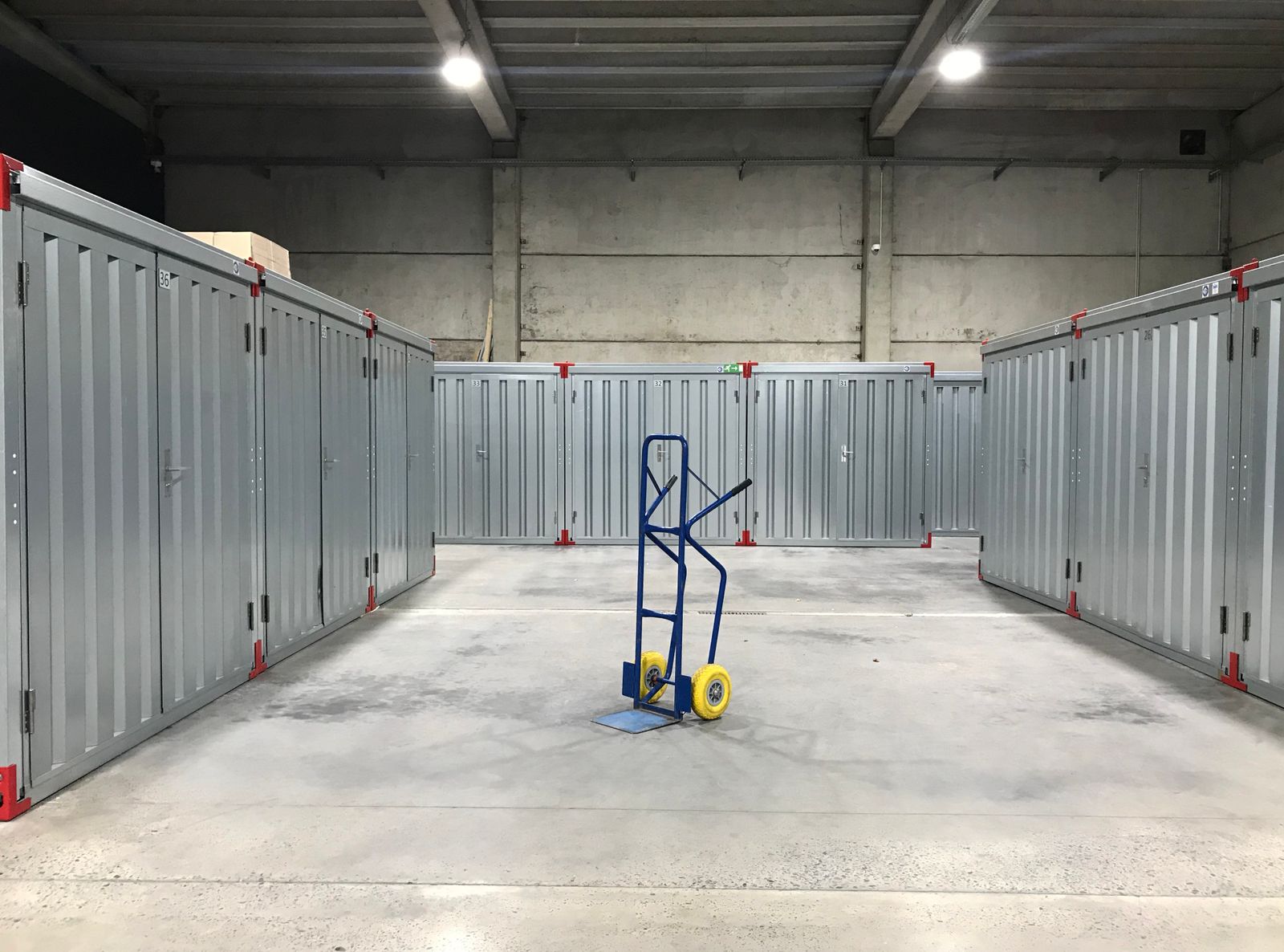
Roll every dolly before you accept it. That is the whole test, and it takes twenty seconds. A professional-grade utility dolly rolls straight, quietly, with no wobble, no flat spot thumping once per revolution, and no bearing grinding. Its frame is straight, its toe plate sits flat, and on an appliance dolly the strap is present, the buckle works, and the rollers or stair-climbers that let it descend steps are intact.
Corner-cutting looks like: a wheel that shimmies under load, a bent frame the counter waves off as cosmetic, an appliance dolly issued without its strap — the single component that makes it an appliance dolly rather than a hand truck with ambitions. Rental operators who maintain their fleet wash road salt, mud and grit off material-handling gear, lubricate the moving joints and retire what is bent, because a dolly that fails mid-load is not an inconvenience. It is how loads drop and people get hurt. If the yard's dollies look neglected, assume the pads are too, and read on.
Standard two: pads are thick, clean and counted
Furniture pads are the fleet's soft underbelly: used hard, lost often, and quietly degraded until they protect nothing. The professional standard has three parts.
Thickness you can feel. A real moving pad is quilted, heavy in the hand, and thick enough that you cannot feel the edge of a dresser through two layers. Thin, papery pads with the stuffing migrated to one end are retired stock being rented out of habit.
Cleanliness you can smell — by its absence. Pads should come to you clean and dry. Tears, thin spots and any hint of mould are the documented inspection points professionals name when they audit a rental kit, and a musty pad wrapped around a mattress transfers its problem to your bedding. Good operators wash and inspect pads between rentals; the bad ones fold whatever came back and issue it again.
A count that matches the contract. Pads are billed as packs — bundles of six at some counters, twelve at others — and the charge follows what was issued, not what you opened or used. Count the pack at pickup and at return, out loud, with the counter staff. Professionals do this because pads "always missing" is a known pattern in rental yards, and the operator's records should match the shelf. If they do not match at pickup, they will somehow match at return — against you.
Standard three: the paperwork describes the equipment, not just the price
A good rental contract names each item, its quantity, its condition at issue and the replacement or damage terms for losing or wrecking it. That is not bureaucracy; it is the mechanism that keeps a cleaning or condition dispute honest. Truck and equipment contracts commonly tie cleaning fees to returning the gear in the condition it was issued in, with the operator judging condition — which means your protection is a record made before the argument: timestamped photographs of the equipment at pickup, including the flaws, and again at return.
Corner-cutting looks like a contract that lists "equipment package" as one line, no condition noted, and a shrug when you ask what a lost dolly costs. Professionals ask that question in advance precisely because replacement terms vary wildly, and because a company that has decided its replacement prices in writing is a company that maintains an inventory. A company that improvises them at return is improvising everything else too.
Standard four: they size you honestly
The fastest way to spot a professional counter is to ask a sizing question and watch whether the answer can cost them a sale. How many pads for a two-bedroom home? Which dolly for a refrigerator, and do you need the four-wheel furniture dolly as well? What box sizes, and how many, for a kitchen?
Honest answers sound specific: pads by the dozen for anything beyond a studio, an appliance dolly — with its strap — for the fridge and washer, a utility dolly for the boxes and a furniture dolly for the pieces that should never be carried by their edges. Rental furniture pads run about 68 by 85 inches, a detail a good counter will use to show you how one pad wraps a dresser rather than just selling you a count.
Dishonest answers sound like abundance or scarcity, whichever closes the booking: pads you do not need in packs you cannot split, or a casual "one dolly is plenty" for a third-floor walk-up full of book boxes. Relocation coordinators learn to love the counter that talks a customer down from the bigger package. That is a fleet manager protecting a reputation, not a clerk missing a target.
Standard five: the reservation is the reservation
Booked equipment is there, at the booked time, in rentable condition — not "equivalent" in the sense of a furniture dolly instead of the appliance dolly you reserved, and not arriving back from another customer an hour into your moving day. Professionals judge each other harshly on this because the whole choreography of a move — crew, elevator, truck, help from friends — is scheduled around the gear.
The tell at booking: a good operator confirms the specific items, not just the date, and tells you plainly what happens if the previous renter returns late. The tell at pickup: your items are staged, counted and clean before you ask. If you watch your dolly being hosed off while you wait, you are not watching diligence. You are watching the previous rental's turnaround happen on your time.
Standard six: they show you, briefly, how
A professional handover includes sixty seconds of instruction: how the appliance dolly's strap tensions, why the furniture dolly goes under the piece and not beside it, how pads are folded over corners and secured so they do not slide off mid-carry. It is in the operator's interest — their equipment comes back undamaged and their name is not attached to your injury — and the good ones never skip it.
If the counter's entire safety programme is "sign here," that is information. Rental gear is simple, but it is simple in the way a ladder is simple: the injuries come from the one technique point nobody mentioned, like descending stairs with an appliance dolly backwards and unstrapped, or stacking boxes on a four-wheel dolly past the point where the stack, not the dolly, decides the direction of travel.
The counter test: six checks in four minutes
| Check | What good looks like | Walk-away sign |
|---|---|---|
| Roll test | Every dolly rolls straight and quiet | Wobble, grinding, bent frame waved off |
| Pad test | Thick, quilted, clean, dry, no tears or musty smell | Thin spots, damp or torn pads reissued |
| Count | Packs counted with staff at pickup and return | "Equipment package" as a single vague line |
| Contract | Items, condition and replacement costs in writing | Damage terms improvised at return |
| Sizing advice | Specific, and sometimes smaller than you asked for | Every answer upsizes the booking |
| Handover | A minute of real instruction on straps and technique | "Sign here" as the whole briefing |

What good costs — and what bad costs
Good does not cost much more. The going rates are modest and fairly standard: a utility or furniture dolly at about $7 a day locally, an appliance dolly at about $10, pads at about $5 per half dozen. Protection products exist for the vehicle and cargo — damage waivers that free you from responsibility for damage to the rental truck, and cargo cover for collision, fire, windstorm or overturn, typically with a deductible per occurrence — and a professional counter explains what those do and do not cover instead of presenting them as a toll.
Bad costs differently: in the cleaning fee argued over without photographs, the replacement charge invented at return, the mover's afternoon lost waiting for a reserved dolly, and — the relocation industry's old friend — the claim for the desk that a thin pad failed to protect, which exceeds the entire equipment bill by an order of magnitude.
A note on supplies: the boxes tell the same story
Equipment gets the attention, but professionals read a rental operation just as quickly from its consumables. Box stock should be new or honestly graded, with the weight rating printed and consistent — a "medium" box that crushes under a stack of its twins is a supply failure waiting for a staircase. Tape should be moving tape, not the brittle office kind that splits along the roll. Mattress bags should be thick enough not to tear on a door latch, and wardrobe boxes should arrive with their hanging bars actually in them — the bar is the product; the cardboard is packaging. None of this is premium specification. It is the baseline a relocation coordinator assumes when a supplier is put on an approved list, and it is worth the same four minutes of scepticism at a supply shelf as at a dolly rack, because the claim photographs never distinguish between the load that fell off a bad dolly and the load that fell through a bad box. Both were equipment. Both were chosen at the same counter.
The short version
Judge a rental operation the way its peers do: wheels that roll true, pads that are thick, clean and counted, a contract that describes condition and replacement cost before anything moves, sizing advice that can talk you down, a reservation that is honoured in specific items, and a handover that includes a minute of teaching. None of it takes more than four minutes at the counter. This site lists 5,379 moving equipment and supplies rental listings — run the counter test on the first one you visit, and you will rarely need the second.
Sources
- Tent and Table, guide to cleaning and maintaining delivery and material-handling equipment — establishes that dollies, straps and moving blankets accumulate salt, grit and moisture, that maintained equipment reduces dropped loads and injuries, and that clean gear is the professional signal customers judge.
- Deavo, "Checking a Moving Truck Rental's Ramps, Dollies and Pads" — establishes the professional audit points: count kit against inventory, test ramps and dollies, inspect pads for tears, thin spots and mould, and ask how items are cleaned, checked and replaced between rentals.
- Movers Corp, guide to moving truck fees — establishes that pads are billed in issued packs rather than by use, and that cleaning and condition charges turn on the equipment's condition at pickup versus return.
- Movers.com, guide to renting moving blankets and equipment — establishes that rental furniture pads run about 68 × 85 inches and are rented in packs, from about $5 for six.
- U-Haul, Safemove protection brochure — establishes the structure of damage waiver and cargo protection for rental equipment, including per-occurrence deductibles.
- Photo by David Slaager, https://www.pexels.com/photo/5759145/
- Photo by Ryan Klaus, https://www.pexels.com/photo/27111449/
- Photo by Ketut Subiyanto, https://www.pexels.com/photo/4246120/
More guides
- How to Hire a Moving Company That Won't Hold Your Furniture HostageMovers › Moving & Storage
- How Much Do Movers Cost? Local vs. Long-Distance Pricing ExplainedMovers › Moving & Storage
- Binding vs. Non-Binding Estimates: The Difference That Decides Your Final BillMovers › Moving & Storage
- Moving Insurance and Valuation: What 'Full Value Protection' Really CoversMovers › Moving & Storage
- Long-Distance Moving: A Start-to-Finish Guide for Household GoodsMovers › Household Goods Moving & Storage
- All Guides & ArticlesBrowse the full guides library