Movers › Shelving Commercial & Industrial
When Shelving Commercial and Industrial Runs Late: Delays, Excuses and the Leverage You Actually Have
Every warehouse, workshop, archive, and back room runs on a date: the day the shelving and racking is supposed to be standing, anchored, and loaded. When that date slips, everything behind it slips — stock with nowhere to go, a lease paying for empty air, a crew standing idle, a move that cannot finish. I worked dispatch, which means I made the delay calls. Some of them were honest. Some of them were theatre. The difference was almost always visible in the paperwork long before the date was missed.
This site lists 363 commercial and industrial shelving listings, and nearly all of them can sell you steel. Far fewer can tell you, in writing, when it will be installed and what happens if it is not. This guide separates the legitimate delays from the excuses, names the leverage your contract or booking actually gives you, and shows how to escalate hard without burning a relationship you may still need at 7 a.m. on installation day.
First, understand what "on time" actually consists of
A shelving project is not one delivery. It is a chain, and a delay can be born at any link:
| Stage | Typical duration in published project timelines |
|---|---|
| Evaluation and layout | 1–2 weeks |
| Seismic calculations and CAD drawings | 2–3 weeks |
| Permits | 3–8 weeks — and permit trouble can add months |
| Manufacturing | 2–12 weeks depending on size, standard vs custom, and factory load |
| Installation | A few days of work, but installers are often booked 2–8 weeks ahead |
| Inspection | 2–5 days |
Standard selective racking — the workhorse system — carries typical manufacturing lead times of about 4–6 weeks in current industry pricing guides, with more specialised systems running longer: drive-in at 6–8 weeks, pushback at 8–10, pallet flow at 10–12. Costs in those same guides run roughly $125–$165 per pallet position for selective racking before freight, tax, and installation, with installation adding roughly $18–$28 per position. Hold those numbers in mind, because they are your first diagnostic tool: a supplier who quoted you a three-week total for a custom, permitted, high-bay system was not optimistic. They were selling.
The legitimate delays — the ones even good companies hit
Permits. Rack or shelving above about 5 feet 9 inches of stored height commonly requires a permit, storage above 12 feet falls under high-piled storage rules, and racks 8 feet or taller in higher seismic categories need engineered, stamped calculations and a certificate of compliance. City review alone commonly takes 3–8 weeks. A denial over sprinkler or fire-access concerns can add two to eight months while plans are modified or the building is upgraded. If your supplier says "we're waiting on the city," that can be entirely true — and it is also checkable, as you will see below.
Steel and factory load. Racking is steel, and steel has mill lead times. Standard roll-formed product from domestic mills has been comparatively stable; heavy structural sections have carried premiums and long waits. A genuine factory delay comes with a paper trail: a mill or manufacturer notice, a revised ship date from the plant, a production slot number.
Freight. A rack system is bulky, heavy, and often ships in stages. Carrier delays, a missed linehaul connection, or a load that arrives partial are real. What a real freight delay is not is mysterious: there is a bill of lading, a carrier, a terminal, and a scan history.
Installation capacity. Good installers are booked weeks out, and an installation that needs your floor empty, your stock moved, or your sprinkler work finished first can slip for reasons that are partly yours. The honest version of this delay names the constraint: "Your mezzanine steel is ready; your floor work finishes Thursday; our crew is booked to the following Tuesday."
Inspection and sign-off. Final inspections take days to schedule, and a failed inspection — anchoring, flue spaces, aisle widths, load plaques — creates real rework. Racks must be designed to the ANSI MH16.1 standard the building code adopts, stored material must be stable and secure under OSHA's general rules, and damaged or unanchored racking is exactly what inspectors and safety officers cite. A supplier who slows down to pass inspection is protecting you, however it feels at the time.
The excuses — and how to test each one in a single question
- "It's stuck at the factory." Ask: which factory, what is the production or order number, and will you send me the manufacturer's revised ship confirmation today? Real factory delays produce documents within a day. Evasive ones produce another phone call next week.
- "The permit office is slow." Ask: what is the permit application number and the date it was submitted, and may I confirm it with the city? Permit applications are public, trackable facts. A supplier who never actually filed will suddenly file this week.
- "The truck is on its way." Ask: carrier name, PRO or tracking number, and the terminal it last scanned at. Freight that exists can be tracked by a stranger in ninety seconds.
- "Your parts are in our warehouse, we're just waiting on one component." Ask: which component, from whom, and can the rest be delivered and installed in phases? Partial installation is often genuinely possible — racking is modular — and the answer tells you whether you are hearing logistics or a stall while your steel serves another job.
- "This happens on every project." Sometimes true — see the permit ranges above. Ask them to show you where your project sits against the original timeline, stage by stage, in writing. Vague normality dissolves under a stage-by-stage accounting remarkably fast.
The dispatcher's rule I lived by: a real delay can always be made specific — a number, a name, a date, a document. An excuse stays general no matter how many times you ask. Specificity is the test, and it costs the other side nothing if they are telling the truth.

The leverage you actually have
Forget the leverage people imagine — shouting, threats, one-star reviews. Here is what a shelving contract or booking usually gives you in reality, in rough order of strength:
Money not yet paid. Your strongest position is structural, and it is set before the delay happens: staged payments tied to milestones — deposit, delivery of steel on site, installation complete, inspection passed — with a meaningful final payment held until sign-off. If you paid nearly everything up front, your remaining leverage is mostly the items below. If you have not signed yet, this paragraph is the most valuable one in the article.
The written date and what surrounds it. A completion date in a signed agreement, with the scope, drawings, and any liquidated-damages or delay clause, is a legal fact. A date in a sales conversation is a memory. If your contract has a delay or termination clause, read its notice requirements precisely — many require written notice and a cure period before remedies open up. Give that notice, in writing, on time. It is not aggression; it is how the contract's machinery is switched on.
Documentation of your damages. Delay costs are recoverable in negotiation — and sometimes in law — only when they are documented: the extended storage invoice, the idle-crew cost, the expedited freight you paid to work around them. Keep a delay file from the first missed date: original timeline, every revised promise with a date on it, your costs as they land. Dispatch taught me that the customer with a file gets the settlement meeting; the customer with a grievance gets a phone call.
Phased and partial performance. You can often accept delivery and installation of the completed majority — the standard bays — while the delayed custom component follows. Getting 80 percent of your storage working changes your damages, your operations, and the negotiation all at once.
Their reputation in a small trade. Commercial shelving is a relationship industry with a short memory for price and a long one for reliability — in both directions. A factual, documented account shared with the trade references who recommended them carries weight that a public rant does not.
Escalation inside the company. The salesperson who quoted you may have no control over production or freight. Ask, calmly and by name, for the operations manager or the person who owns the schedule, and put your stage-by-stage summary in front of them. In dispatch, the files that got rescued were the ones that reached the scheduler with dates attached.
How to escalate without burning the relationship
Escalate in steps, each one in writing, each one giving the other side a specific action and a specific date:
- The specificity request. "Please send me, by Thursday, the permit number, the factory ship confirmation, and a revised completion date stage by stage." Half of all delays end here, because half of them were drift, not disaster.
- The consequence statement. "Our stock arrives on the 14th and will go into paid storage at $X per week from that date. I am keeping those invoices with the project file." No threat. Just arithmetic, delivered early enough to matter.
- The formal notice. If the contract provides a notice-and-cure route, use it exactly as written. This is the step that converts a complaint into a contractual event.
- The partial-performance demand. "Deliver and install everything that exists by the 21st; we will settle the balance when the remaining component lands." Solutions offered in this form get accepted because they let the supplier stop the bleeding too.
- The decision. If dates keep dissolving, set yours: a final date after which you will source the remainder elsewhere and settle accounts on the documented record. Say it once, in writing, when you mean it.
Throughout, keep the tone you would want read aloud in a room two years from now — because in a trade this size, it may be, by the people you still need for parts, repairs, and the next project.

Before you sign the next one
Every protection above is cheaper before the contract than after it. For your next shelving project: a stage-by-stage timeline with dates, not a single heroic completion day; staged payments with a real holdback until inspection passes; the permit responsibility named — who files, who pays, whose delay it is if the city is slow; a delay clause you have actually read; and references you call with one question — "Did they finish when they said, and if not, how did they handle it?" This site lists 363 commercial and industrial shelving listings. The steel is the commodity. The schedule, kept, is the product.
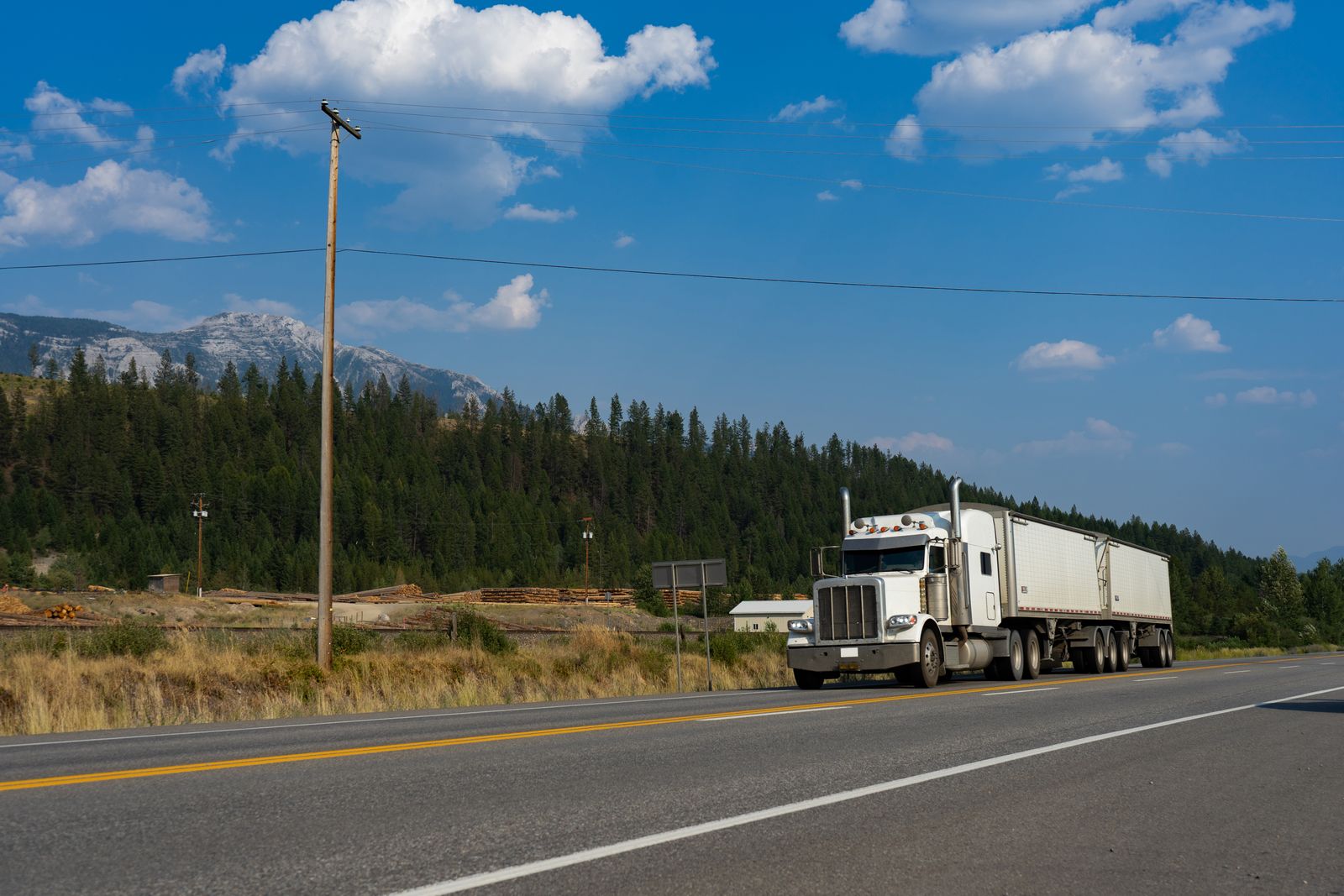
Delays in commercial and industrial shelving are sometimes steel, sometimes cities, and sometimes storytelling. You now know the normal durations, the questions that separate fact from fog, and the leverage that actually moves a schedule: staged money, written dates, documented costs, and escalation that climbs the org chart instead of raising its voice. Use them in that order, and most late projects finish — with the relationship, and the racking, still standing.
Sources
- Speedrack West, planning your pallet rack project timeline — stage durations for evaluation, seismic calculations and CAD, permits at 3–8 weeks with denials adding months, manufacturing at 2–12 weeks, installer booking lead times, and inspections.
- The Machine Daily, material handling shipments and steel demand — 2026 racking cost and lead-time matrix: selective racking at about $125–$165 per pallet position with 4–6 week lead times, longer for drive-in, pushback and pallet-flow systems, and installation adding about $18–$28 per position.
- Speedrack West, warehouse racking requirements and certification guides — ANSI MH16.1 as the building-code design standard, permit and certificate requirements for taller racks in higher seismic categories, and OSHA's secure-storage rules.
-
Cisco-Eagle, pallet racking FAQ — how firm quotes, approval drawings and lead times are structured by established rack providers.
-
Photo by cottonbro studio, https://www.pexels.com/photo/family-unpacking-after-moving-4569340/
- Photo by Artem Podrez, https://www.pexels.com/photo/man-carrying-boxes-beside-a-van-5025669/
- Photo by Braeson Holland, https://www.pexels.com/photo/a-truck-on-the-road-8994766/
More guides
- How to Hire a Moving Company That Won't Hold Your Furniture HostageMovers › Moving & Storage
- How Much Do Movers Cost? Local vs. Long-Distance Pricing ExplainedMovers › Moving & Storage
- Binding vs. Non-Binding Estimates: The Difference That Decides Your Final BillMovers › Moving & Storage
- Moving Insurance and Valuation: What 'Full Value Protection' Really CoversMovers › Moving & Storage
- Long-Distance Moving: A Start-to-Finish Guide for Household GoodsMovers › Household Goods Moving & Storage
- All Guides & ArticlesBrowse the full guides library